
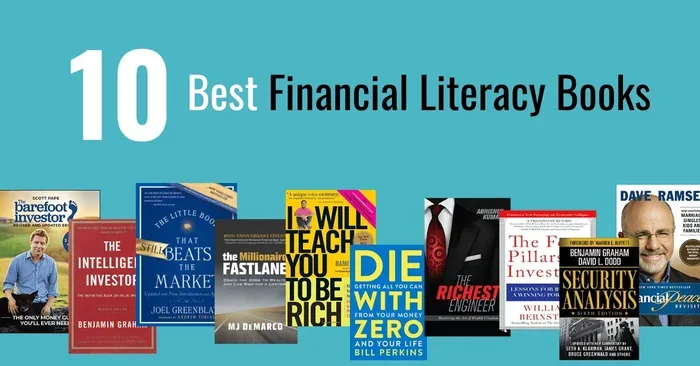
Financial education empowers you to take control of your money, avoid costly mistakes, and build a secure future. Understanding how to budget, save, invest, and manage debt is no longer optional in today’s world. Financial education gives you the confidence and skills needed to make smart money decisions every single day.
Money touches every part of our lives. From the rent you pay each month to the retirement fund you hope to build someday, your financial choices shape your future. Yet most people never get proper training in how to handle money wisely. That is where financial education steps in. It is the foundation that helps you understand how to earn, save, invest, and protect your hard-earned cash.
In today’s fast-changing world, financial education matters more than ever. Living costs are rising. Job markets shift quickly. New financial tools and apps appear every year. Without a solid understanding of personal finance, you risk making expensive mistakes. The good news? Anyone can learn. Financial literacy is not just for Wall Street experts or finance professors. It is a life skill that benefits everyone.
So why exactly is financial education so important? Let us break it down together. You will discover how money knowledge changes your daily habits, your long-term goals, and your overall quality of life. By the end, you will see that investing time in learning about money is one of the best decisions you can ever make.
Key Takeaways
- Financial education builds money confidence: You learn to manage budgets, savings, and spending without stress.
- It protects you from debt traps: Understanding credit and loans helps you avoid predatory financial products.
- It creates wealth-building opportunities: Knowledge of investing and compound interest grows your money over time.
- Financial literacy supports family well-being: Smart money habits benefit your entire household.
- It prepares you for economic changes: Financial awareness helps you adapt to job loss, inflation, or emergencies.
- Early learning leads to lifelong rewards: Starting financial education young sets up a lifetime of smart habits.
📑 Table of Contents
- What Is Financial Education and Why Does It Matter?
- How Financial Education Protects You from Debt
- The Role of Financial Education in Building Wealth
- Financial Education and Mental Health
- How Financial Education Empowers Families
- Financial Education in a Changing Economy
- Common Mistakes People Make Without Financial Education
- How to Start Your Financial Education Journey
- Conclusion
What Is Financial Education and Why Does It Matter?
Financial education means learning how money works. It covers topics like budgeting, saving, investing, borrowing, and planning for the future. Think of it as a toolkit for your financial life. The more tools you have, the better equipped you are to handle whatever comes your way.
Many people grow up without learning basic money skills at home or in school. They figure things out on their own, often through trial and error. This approach can lead to costly lessons. Financial education gives you a head start. It helps you skip the mistakes and build smart habits from the beginning.
The Gap in Traditional Education
Here is something surprising. Most schools do not teach students how to manage money. You might learn algebra, history, or science, but personal finance often gets skipped. This gap leaves young adults unprepared for real-world money challenges. They enter the workforce without knowing how to file taxes, build credit, or create a budget.
That is why financial literacy programs have become so important in recent years. Community organizations, online courses, and even libraries now offer free resources. The goal is simple. Fill the gap and give people the knowledge they need to thrive financially.
How Financial Education Protects You from Debt
Debt can feel like a heavy weight on your shoulders. Credit card bills, student loans, and car payments add up fast. Without proper knowledge, it is easy to fall into traps that are hard to escape. Financial education teaches you how to spot risky loans and avoid high-interest debt before it takes over your life.
When you understand how interest rates work, you make smarter borrowing decisions. You know that a small difference in APR can cost you thousands of dollars over time. This knowledge alone can save you a fortune.
Understanding Credit Scores
Your credit score affects almost everything. It influences your ability to rent an apartment, get a loan, or even land a job. Financial education helps you understand what goes into your credit score and how to improve it. You learn that paying bills on time and keeping credit utilization low are two of the most powerful moves you can make.
Many people do not realize that checking their own credit report does not hurt their score. This is just one example of the practical knowledge that financial literacy provides. Small facts like this can lead to big savings over the years.
The Role of Financial Education in Building Wealth
Building wealth is not just about earning a high income. It is about making your money work for you. Financial education introduces you to concepts like compound interest, asset allocation, and long-term investing. These ideas might sound complex, but they are simple once someone breaks them down for you.
Consider this. If you invest just $200 per month starting at age 25, with an average return of 7%, you could have over $500,000 by age 60. That is the magic of compound growth. But you cannot tap into that power without understanding how it works. Financial education unlocks that door.
Smart Saving Habits
Saving money is a habit, not a talent. Financial education teaches you how to build that habit step by step. You learn the 50/30/20 rule, where 50% of your income covers needs, 30% covers wants, and 20% goes to savings and debt repayment.
Another powerful concept is the emergency fund. Experts recommend saving three to six months of living expenses. This safety net keeps you stable when unexpected costs hit, like a car repair or medical bill. Without this knowledge, many people turn to credit cards in emergencies, which only deepens their financial stress.
Investment Basics Made Simple
Investing can feel intimidating. But financial education makes it approachable. You do not need to be a Wall Street guru to start. Index funds, retirement accounts like 401(k)s and IRAs, and diversified portfolios are all within reach once you understand the basics.
Teachers often use similes for education to make investment concepts feel relatable and less intimidating for beginners. For example, comparing a diversified portfolio to a well-balanced meal helps new investors grasp the idea quickly. These teaching methods make financial literacy accessible to everyone.
Financial Education and Mental Health
Money stress is real, and it is heavy. Studies show that financial worries are a top cause of anxiety and relationship problems. When you do not know how to manage money, every bill feels like a crisis. Financial education reduces that stress by giving you a clear plan.
When you have a budget, you know where your money goes. When you have savings, you feel more secure. When you understand your options, you feel more in control. Financial confidence is a powerful emotional benefit that often gets overlooked.
Breaking the Cycle of Financial Anxiety
Many people feel ashamed about their money situation. They avoid checking their bank balance or ignore overdue bills. Financial education helps break that cycle. It replaces fear with knowledge and confusion with clarity. Once you understand the basics, you can face your finances head-on.
Think of learning about money like learning a new language. At first, the terms and numbers feel overwhelming. But with practice, everything starts to click. Soon, you are reading financial statements with confidence and making decisions with ease. The relief is real and lasting.
How Financial Education Empowers Families
Financial knowledge does not just help you. It helps your entire family. When parents understand money management, they can teach their children healthy habits early. Kids who grow up learning about budgeting and saving are far more likely to make smart financial choices as adults.
Using tools like metaphors for education can make complex financial topics easier for children to grasp. For instance, comparing a savings account to a piggy bank that grows bigger over time helps young learners connect with the concept. These simple teaching approaches build a strong foundation for the next generation.
Teaching Kids About Money
You do not need a finance degree to teach your kids about money. Start with the basics. Explain the difference between needs and wants. Show them how to save for a goal. Let them make small spending decisions and learn from the results.
Many parents find that giving children a small allowance tied to chores works well. It teaches the connection between effort and reward. Over time, kids develop money habits that serve them for life. This is one of the greatest gifts you can give them.
Couples and Financial Alignment
Money disagreements are a leading cause of conflict in relationships. Couples who share a financial education foundation communicate better about spending, saving, and goals. They create budgets together and plan for major purchases as a team.
Regular money check-ins can make a huge difference. Set aside time each month to review your finances together. Celebrate progress and discuss challenges openly. This shared understanding builds trust and strengthens your partnership.
Financial Education in a Changing Economy
The economy is always shifting. Inflation rises and falls. New technologies create new industries. Jobs come and go. In this environment, financial education is your anchor. It gives you the flexibility to adapt when circumstances change.
People who understand economics and personal finance are better prepared for recessions, job losses, and market downturns. They know how to cut expenses, find new income sources, and protect their savings during tough times. Financial awareness is not just about growing wealth. It is also about staying stable during storms.
Navigating Inflation and Rising Costs
Inflation eats into your purchasing power. The same dollar buys less today than it did a year ago. Financial education teaches you how to adjust your budget and spending habits to keep up. You learn to prioritize essentials, reduce waste, and find smart alternatives.
For example, meal planning and buying in bulk can significantly lower grocery costs. Switching to energy-efficient appliances reduces utility bills. These small changes add up, and financial literacy gives you the awareness to spot these opportunities.
The Gig Economy and Side Hustles
More people are turning to freelance work and side hustles for extra income. Financial education helps you make the most of these opportunities. You learn how to track freelance income, set aside money for taxes, and invest in tools that grow your business.
Understanding self-employment taxes, retirement planning for freelancers, and business deductions can feel overwhelming at first. But with the right guidance, these topics become manageable. Financial planning skills are especially valuable in the modern gig economy.
Common Mistakes People Make Without Financial Education
When you lack financial education, certain mistakes become much more likely. Recognizing these pitfalls is the first step toward avoiding them.
- Living paycheck to paycheck: Without a budget, it is easy to spend everything you earn and have nothing left for savings.
- Ignoring retirement savings: Many young people put off saving for retirement, only to regret it later. Financial planning starts early.
- Taking on too much debt: High-interest loans and credit card balances can spiral out of control without proper knowledge.
- Not having insurance: Skipping health, auto, or renters insurance can lead to devastating financial losses from unexpected events.
- Falling for scams: Financial scams target people who lack financial awareness. Education helps you spot red flags.
- No emergency fund: Without savings set aside, any unexpected expense becomes a financial crisis.
Using idioms for education is another effective way educators communicate financial warnings in memorable ways. Phrases like “do not put all your eggs in one basket” perfectly capture the essence of diversification and risk management. These familiar expressions make important lessons stick with learners of all ages.
How to Start Your Financial Education Journey
Starting your financial education journey is easier than you think. You do not need expensive courses or fancy degrees. Free resources are everywhere, and even small steps lead to big results over time.
- Read one book on personal finance. Look for beginner-friendly titles that explain budgeting, saving, and investing in plain language.
- Follow reputable financial blogs and podcasts. Listen during your commute or while doing chores. Consistent exposure builds knowledge naturally.
- Create a simple budget. Track your income and expenses for one month. You will quickly see where your money goes.
- Open a savings account. Even a small automatic transfer each month builds your safety net over time.
- Take a free online course. Many universities and financial institutions offer free courses on financial literacy topics.
- Talk to a financial advisor. A professional can review your situation and offer personalized guidance at no cost.
The key is consistency. You do not need to master everything overnight. Pick one topic, learn it well, and then move to the next. Over months and years, your financial knowledge will grow into something truly powerful.
Quick Tips for Daily Financial Growth
- Set a 10-minute timer each evening to review your spending for the day.
- Automate your savings so you never have to think about it.
- Read one financial article or watch one short video per week.
- Challenge yourself to wait 24 hours before making any non-essential purchase over $50.
- Discuss one financial goal with a trusted friend or family member each month.
Conclusion
Financial education is one of the most valuable investments you can make in yourself. It does not cost money to learn, and the returns are enormous. From protecting you against debt to helping you build lasting wealth, the benefits touch every area of your life.
When you take the time to understand money, you gain more than just numbers and formulas. You gain freedom, confidence, and peace of mind. You gain the power to choose how you live, work, and provide for the people you love. Financial literacy is not a luxury. It is a necessity in today’s world.
Start where you are. Use what you have. Learn what you can. Your future self will thank you for every step you take today toward a smarter, stronger financial life.
Frequently Asked Questions
Why is financial education important for young adults?
Young adults face many financial decisions for the first time, from managing student loans to opening credit cards. Financial education gives them the knowledge to make smart choices early, setting them up for a lifetime of healthy money habits and avoiding costly mistakes that can follow them for years.
Can financial education really help me get out of debt?
Yes, absolutely. Understanding how interest rates, minimum payments, and debt snowball or avalanche methods work can save you thousands of dollars. Financial education gives you a clear plan to pay off debt faster and avoid falling into new traps.
Is financial literacy only for people with low incomes?
Not at all. People at every income level benefit from financial education. Whether you earn $40,000 or $400,000 a year, knowing how to budget, save, invest, and plan for taxes helps you keep more of your money and grow your wealth over time.
What is the best way to teach children about money?
The best approach is to make it practical and age-appropriate. Give children a small allowance, involve them in grocery shopping to compare prices, and help them set savings goals. Using relatable examples and financial education tools designed for kids makes the learning process fun and effective.
How does financial education affect mental health?
Financial stress is a leading cause of anxiety and depression. Financial education reduces uncertainty by giving you a clear plan for your money. When you know you have a budget, an emergency fund, and a strategy, your overall sense of well-being improves significantly.
Where can I find free financial education resources?
Many free resources are available online. Websites like Khan Academy, Investopedia, and government financial literacy sites offer excellent courses and articles. Libraries also carry personal finance books and workshops. Your local credit union may host free seminars on financial planning topics as well.


