
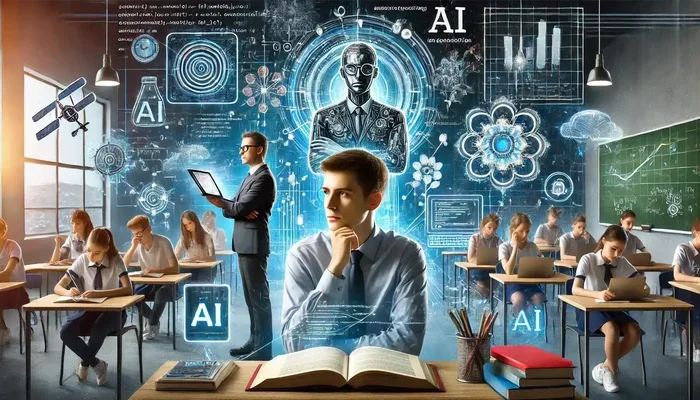
How is AI affecting education? Artificial intelligence is reshaping classrooms, personalizing learning, and giving students powerful new tools to succeed. From AI tutors that adapt to each learner to automated grading that saves teachers time, the impact is real and growing fast. Students now have access to smart platforms that make studying more efficient and engaging. But challenges like data privacy and over-reliance on technology also deserve attention. This guide breaks down what AI means for students and how to make the most of it.
Classrooms look very different today than they did just five years ago. Students carry devices that can answer almost any question in seconds. Teachers use smart platforms to track progress and tailor lessons. At the center of this shift is how is AI affecting education and what it means for the next generation of learners.
The rise of artificial intelligence in schools is not a distant trend. It is happening right now, in classrooms around the world. From AI-powered tutoring systems to tools that grade essays in minutes, the changes are both exciting and sometimes unsettling. This article explores the full picture of how AI is transforming education and what students, parents, and teachers need to know.
Key Takeaways
- AI is personalizing learning: Adaptive platforms adjust to each student’s pace and style, making education more effective.
- Teachers save time with AI: Automated grading and lesson planning free educators to focus on students.
- Students get 24/7 AI tutoring: Smart chatbots and tools offer instant help with homework and study questions.
- Challenges exist: Data privacy, cheating concerns, and the digital divide are real issues schools must address.
- The future is bright: AI literacy is becoming a core skill, and schools are adapting fast.
- Balance is key: AI works best when combined with human teaching, not as a replacement.
📑 Table of Contents
How Is AI Affecting Education Today
The way students learn has changed dramatically thanks to artificial intelligence in classrooms. Traditional teaching methods relied heavily on one-size-fits-all lesson plans. But AI has opened the door to more personalized and flexible approaches.
Here are some of the biggest ways AI is making an impact right now:
- Personalized learning paths that adjust to each student’s strengths and weaknesses.
- Automated grading systems that save teachers hours of manual work.
- AI chatbots that answer student questions at any time of day.
- Smart content creation tools that help teachers build engaging lessons.
- Real-time feedback that helps students correct mistakes instantly.
These tools are not just fancy gadgets. They are changing the actual experience of learning. Students who once struggled to keep up can now get support tailored to their needs. And teachers can focus more on mentoring and less on paperwork.
Why This Matters for Students
For students, AI in education means getting help when they need it most. Instead of waiting until the next class to ask a question, they can get instant answers. This keeps frustration low and motivation high. Students also benefit from learning at their own pace, which reduces the pressure of keeping up with the rest of the class.
AI Tools That Are Changing the Classroom
The educational technology landscape has exploded with new AI-powered tools. Schools are adopting platforms that make learning more interactive and accessible. Let us look at some of the most popular categories.
AI Tutoring Systems
AI tutors are like having a personal teacher available 24 hours a day. These platforms use machine learning to understand what a student knows and does not know. Then they adjust the lessons accordingly. This kind of adaptive learning platform can make a huge difference for students who need extra help or who want to move ahead faster.
For example, if a student struggles with fractions, the AI tutor will keep practicing that topic with different approaches until the student gets it. This kind of patience is hard to find in a classroom of 30 students.
AI Writing and Research Assistants
Tools like AI writing assistants help students draft essays, check grammar, and organize their ideas. They are not meant to do the work for students but to guide them. These tools act like a digital writing coach that gives suggestions in real time.
When students use these tools to improve their writing, they also build stronger communication skills. And strong communication skills help in every subject, from science reports to history essays. Sometimes, learning about language tools connects to broader concepts like idioms for education, which help students understand the richness of the English language.
Smart Classroom Management
AI is also helping teachers manage their classrooms more effectively. Smart classroom tools can track attendance, monitor engagement levels, and even flag students who might be falling behind. This early warning system helps teachers step in before a student gets too far off track.
How AI Helps Students Learn Better
The biggest promise of AI in education is personalized learning. Every student learns differently. Some grasp concepts quickly, while others need more time and practice. Traditional classrooms often move at a single pace, leaving some students bored and others lost.
AI changes this equation. Here is how it works in practice:
- Assessment: The AI tool assesses what the student already knows.
- Adaptation: It adjusts the difficulty and style of content to match the student.
- Practice: The student gets targeted exercises that focus on weak areas.
- Feedback: Instant feedback helps the student understand mistakes and learn from them.
- Progress Tracking: Both the student and the teacher can see growth over time.
This cycle creates a learning experience that feels custom-built for each student. And research shows that personalized learning can improve learning outcomes significantly. Students stay more engaged, and they retain information better.
AI and Student Engagement
Let us face it. Sitting through a long lecture can be boring. AI-powered education tools make learning more interactive and fun. Gamified lessons, virtual simulations, and real-time quizzes keep students actively involved.
When students are engaged, they learn more. It is that simple. AI helps teachers create lessons that feel less like a chore and more like an adventure. And when students enjoy learning, they are more likely to stick with it.
The Role of Language and Communication
Language skills are at the heart of education. AI tools can help students understand complex ideas by breaking them down into simpler language. Sometimes, learning about figurative language like similes for education or metaphors for education helps students think more creatively and express themselves better. AI tools can support this kind of learning by offering interactive exercises and examples.
The Challenges and Concerns of AI in Education
For all its benefits, AI in education comes with real challenges. It is important to look at both sides honestly.
Data Privacy and Security
AI tools collect a lot of data about how students learn. This data can be incredibly useful for improving education. But it also raises serious privacy concerns. Who has access to this data? How is it stored? Is it being sold to third parties?
Schools and parents need to ask these questions. Strong data protection policies are essential to keep student information safe.
Cheating and Academic Integrity
One of the biggest worries about AI in schools is cheating. Students can use AI tools to write essays or solve math problems without really understanding the material. This undermines the purpose of education.
Teachers are fighting this by designing assignments that require critical thinking and original ideas. Schools are also updating their honor codes to address AI use. The goal is not to ban AI but to use it responsibly.
The Digital Divide
Not all students have equal access to AI tools and devices. Students in low-income areas or rural communities may not benefit from the same educational technology as their peers. This digital divide can widen existing gaps in learning outcomes.
Governments and schools must work together to ensure every student has access to reliable internet and AI learning tools. Equity in education should be a top priority.
Over-Reliance on Technology
There is a risk that students and teachers become too dependent on AI. If a tool breaks down or is not available, learning can grind to a halt. It is important to maintain a balance between technology and traditional teaching methods.
What the Future Looks Like for AI in Schools
The future of education is deeply tied to AI. As technology continues to advance, we can expect even more powerful tools to enter classrooms. Here are some trends to watch:
- AI literacy is becoming a core subject. Students will need to understand how AI works, not just how to use it.
- Virtual reality classrooms powered by AI will create immersive learning experiences.
- Real-time language translation will help non-native speakers learn more effectively.
- Emotion-sensing AI may detect when a student is frustrated or disengaged and adjust the lesson accordingly.
- Collaborative AI tools will let students work together on projects with intelligent assistance.
These developments sound like science fiction, but many of them are already in early stages. The pace of change in educational technology is accelerating fast.
Preparing Students for an AI World
Beyond using AI tools, students need to develop skills that complement technology. Critical thinking, creativity, emotional intelligence, and problem-solving are skills that AI cannot easily replace. Schools that focus on these human-centered skills will prepare students best for the future.
The goal is not to compete with AI. It is to work alongside it. Students who understand how to use AI as a tool will have a huge advantage in college and careers.
How Teachers Are Adapting to AI
Teachers are not being replaced by AI. In fact, most educators see AI as a helpful assistant. By taking over repetitive tasks like grading and attendance, AI frees teachers to do what they do best: inspire, mentor, and connect with students.
Professional development programs are now including AI training for teachers. Educators are learning how to use AI tools effectively and ethically. This training helps them guide students in using AI responsibly.
Many teachers also use AI to create more engaging lessons. They can generate custom quizzes, design interactive activities, and find relevant resources quickly. This means more creative teaching and less time spent on routine tasks.
When teachers and AI work together, students win. The human connection in education remains irreplaceable, and AI simply makes that connection stronger by giving teachers more time and better tools.
Conclusion
The question of how is AI affecting education has a clear answer: it is transforming learning in powerful ways. Students have access to personalized lessons, instant feedback, and smart tools that make studying easier and more engaging. Teachers benefit from reduced workloads and better insights into student progress.
But the journey is not without challenges. Data privacy, cheating, and the digital divide all need careful attention. The key is to embrace AI as a tool that works best when combined with human wisdom and guidance.
As we look ahead, one thing is certain: AI will play an even bigger role in classrooms. Students who learn to use it wisely will be better prepared for the world they are entering. The future of education is bright, and AI is helping to light the way.
Frequently Asked Questions
How is AI changing the way students learn?
AI is making learning more personalized by adapting to each student’s pace and style. It provides instant feedback, 24/7 tutoring, and interactive content that keeps students engaged and motivated.
Will AI replace teachers in the classroom?
No. AI is a tool that supports teachers, not replaces them. It handles repetitive tasks like grading and attendance, freeing teachers to focus on mentoring, creativity, and human connection with students.
What are the risks of using AI in education?
The main risks include data privacy concerns, the potential for cheating, and the digital divide that leaves some students without access. Schools must address these challenges with strong policies and equitable access.
How can students use AI tools responsibly?
Students should use AI as a learning aid, not a shortcut. They should focus on understanding the material, use AI for feedback and guidance, and always do their own thinking before relying on automated answers.
What skills should students develop to thrive with AI?
Critical thinking, creativity, emotional intelligence, and problem-solving are skills AI cannot easily replicate. Students should also build AI literacy to understand how these tools work and how to use them ethically.
Is AI in education here to stay?
Absolutely. AI is already deeply embedded in classrooms and will only grow from here. Schools that adapt and integrate AI thoughtfully will give their students the best advantage in a rapidly changing world.


