
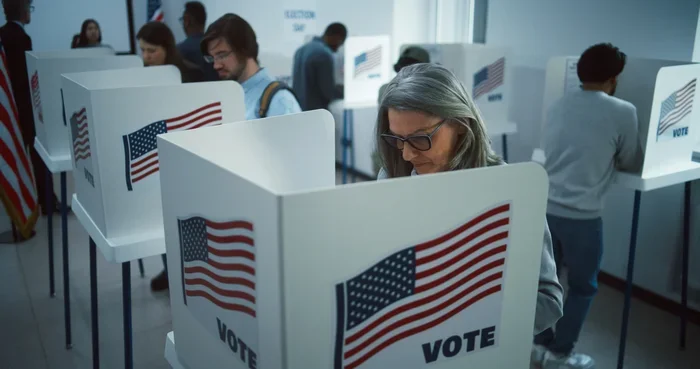
Civic education teaches people how government works and why their voice matters. It shapes informed citizens who can protect democratic values and participate in community life. Without it, democracy weakens and rights are at risk.
Key Takeaways
- Democracy depends on educated citizens: Civic education gives people the knowledge to vote, advocate, and hold leaders accountable.
- It protects individual rights: Understanding civic duty helps citizens defend civil liberties and freedoms.
- Stronger communities result: Civic engagement leads to better public policy and local problem-solving.
- It starts early: Teaching civic concepts in schools builds a foundation for lifelong political awareness.
- Misinformation is a real threat: Civic literacy helps people spot false claims and make informed decisions.
- Everyone can participate: Civic education is not just for politicians — it is for every citizen.
📑 Table of Contents
- What Is Civic Education and Why Does It Matter?
- How Civic Education Strengthens Democracy
- The Benefits of Civic Education for Individuals
- How Civic Education Shapes Informed Citizens
- Building a Civic Mindset in Everyday Life
- Common Challenges in Civic Education Today
- Why Is Civic Education Important for the Next Generation?
- Conclusion
What Is Civic Education and Why Does It Matter?
Civic education is the process of learning how government works and how citizens can take part in public life. It covers topics like voting, laws, rights, and community involvement. At its core, it answers a simple but powerful question: why is civic education important?
The short answer is that democracy cannot survive without informed people. When citizens understand their role, they make better choices. They hold leaders accountable. They push for fair public policy. Without this knowledge, power shifts to those who manipulate the system.
Think of civic education as a foundation. Just like you need a strong base to build a house, you need civic knowledge to build a healthy society. Civic engagement starts with understanding. And understanding starts with good education.
Many people think civic education only matters for future politicians. That is far from true. Every voter, every community member, and every taxpayer benefits from knowing how things work. This knowledge shapes active citizenship in real and practical ways.
The Core Components of Civic Education
A solid civic education program includes several key areas. These are the building blocks that help people understand their world.
- Government structure: How local, state, and federal governments operate.
- Constitutional rights: What freedoms citizens have and how they are protected.
- Voting and elections: How to register, where to vote, and why each vote counts.
- Public policy: How laws are made and how they affect daily life.
- Community involvement: Ways to participate beyond voting, like volunteering or attending town halls.
When these topics are taught well, they create a generation of people who care about democratic values. They understand that freedom comes with responsibility.
How Civic Education Strengthens Democracy
Democracy is not a machine that runs on its own. It needs fuel. That fuel is people who show up, speak up, and stay informed. Civic education provides that fuel.
Here is how it works. When citizens learn about their civic duty, they are more likely to vote. When they understand civil liberties, they are more likely to defend them. When they study political literacy, they are less likely to fall for scams or fake news.
A strong democracy depends on participatory democracy. This means people do not just watch — they take part. They join local boards. They attend council meetings. They contact their representatives. All of this starts with knowledge.
The Link Between Education and Voting
Studies show that people with strong civic knowledge vote more often. They also understand ballot measures better. They ask tougher questions of candidates. This creates a healthier political system for everyone.
On the flip side, low civic literacy leads to low turnout. When people do not understand how government affects them, they disengage. Over time, this weakens the entire system. That is exactly why why is civic education important is such a critical question.
Teachers often use creative tools to make civic topics stick. For example, educators might use idioms for education to help students remember key concepts. Phrases like “the ball is in your court” teach people about personal responsibility in democracy. These learning aids make complex ideas feel simple and memorable.
The Benefits of Civic Education for Individuals
Civic education does not just help society — it helps you personally. The benefits reach into everyday life in surprising ways.
1. It Builds Confidence
When you understand how government works, you feel more confident speaking up. You know your rights. You know how to access resources. This confidence changes how you interact with institutions like schools, courts, and local offices.
2. It Improves Decision-Making
Every day, you make choices affected by public policy. Tax rates, school funding, road repairs — these all come from government decisions. Civic education helps you evaluate these choices more clearly.
3. It Fosters Social Responsibility
Learning about community needs builds empathy. You start to see how your actions affect others. This sense of social responsibility leads to volunteerism, charity work, and neighborly support.
4. It Protects Your Rights
Many people do not know their rights until they are violated. Civic education teaches you about citizen rights before problems arise. This knowledge acts as a shield against unfair treatment.
How Civic Education Shapes Informed Citizens
Being informed is more than just reading the news. It means understanding the context behind events. It means knowing how policies are formed and who is responsible for them.
Civic knowledge gives people the tools to separate fact from fiction. In a world full of misinformation, this skill is priceless. People who understand government accountability demand transparency from their leaders.
Teachers sometimes use comparison tools to explain civic ideas. For instance, drawing similes for education can help students compare democratic systems to other forms of government. Saying “a democracy is like a team sport” makes the concept click for young learners. These simple techniques have a big impact.
The Role of Schools in Civic Learning
Schools play a huge role in shaping civic attitudes. When students take courses in government, history, and economics, they gain a deeper worldview. They learn to debate respectfully. They practice community participation through class projects and local service.
But schools are not enough on their own. Families, media, and community organizations all contribute. The best approach is a team effort that reinforces political awareness at every level.
Building a Civic Mindset in Everyday Life
You do not need a classroom to grow your civic knowledge. There are simple steps anyone can take right now.
1. Stay Curious About Local Government
Start with your city or town council. Attend a meeting or read the minutes online. You will quickly see how decisions affect your neighborhood.
2. Talk About Politics Respectfully
Conversations with people who disagree with you build understanding. They also sharpen your own thinking. Avoid echo chambers and seek out diverse viewpoints.
3. Use Trusted Sources
Not all news is equal. Stick to outlets with strong fact-checking records. Cross-check claims before sharing them online.
4. Teach Children Early
Kids learn by watching. When you vote, discuss issues, and volunteer, you model civic responsibility. Children absorb these habits early and carry them forward.
5. Connect Concepts to Metaphors
Abstract ideas become clearer with creative teaching. Using metaphors for education like “the courtroom is a battlefield for justice” helps people grasp complex civic processes. These vivid comparisons stick in the mind and spark deeper curiosity about how society functions.
Common Challenges in Civic Education Today
Civic education faces real obstacles. Understanding these challenges helps us find solutions.
- Political polarization: Many schools avoid civic topics to prevent controversy. This leaves gaps in knowledge.
- Lack of funding: Social studies programs often get less money than math and reading.
- Misinformation spread: False claims about government and elections confuse many citizens.
- Low engagement: Some people feel their vote does not matter, which leads to apathy.
Each of these challenges is fixable. Community programs, better curricula, and media literacy efforts can all help. The key is to keep pushing for civic engagement at every opportunity.
What Can You Do?
Start small. Share what you know. Support civic education programs in your area. Encourage schools to teach these topics with energy and honesty. Your voice matters — and your knowledge multiplies when you pass it on.
Why Is Civic Education Important for the Next Generation?
The future of democracy rests on young people. Today’s students are tomorrow’s voters, leaders, and community organizers. If they lack civic knowledge, the entire system suffers.
Good civic education gives young people a sense of purpose. It shows them that their choices have weight. It teaches them that democratic society thrives when people work together.
We must invest in the next generation. This means better textbooks, more trained teachers, and real-world learning opportunities. It means making political literacy a priority from kindergarten through high school.
When we answer the question of why civic education matters for youth, we also answer it for all of us. A society that educates its citizens is a society that protects its freedom.
Conclusion
Why is civic education important? The answer is clear. It empowers people. It strengthens democracy. It builds better communities. Without it, citizens are left in the dark, and leaders face no real accountability.
Every person benefits from understanding how government works, what rights they hold, and how to participate in public life. Civic engagement is not optional — it is essential. It is the heartbeat of a free and fair society.
Start today. Learn more. Speak up. Get involved. Your civic education is not just a subject — it is a lifelong tool for freedom and impact.
Frequently Asked Questions
What exactly is civic education?
Civic education is the teaching of knowledge and skills related to government, rights, and community participation. It helps people understand how democracy works and their role within it.
Why is civic education important for young people?
Young people need civic knowledge to become active, informed adults. Early learning builds habits of civic responsibility that last a lifetime and strengthen democratic values over time.
Can civic education reduce political polarization?
Yes, to a large extent. When people understand different viewpoints and how government works, they are more likely to engage in respectful dialogue. Civic literacy promotes tolerance and informed debate.
How can parents support civic education at home?
Parents can discuss current events, vote together as a family, and encourage children to ask questions about government. Modeling active citizenship at home has a powerful impact.
What role does media play in civic education?
Media shapes how people understand politics and public policy. Trustworthy media outlets help build political awareness, while misinformation can undermine civic knowledge and public trust.
Is civic education only about voting?
No, voting is just one part. Civic education also covers rights, laws, community involvement, public policy, and government accountability. It prepares people for full participation in society.


