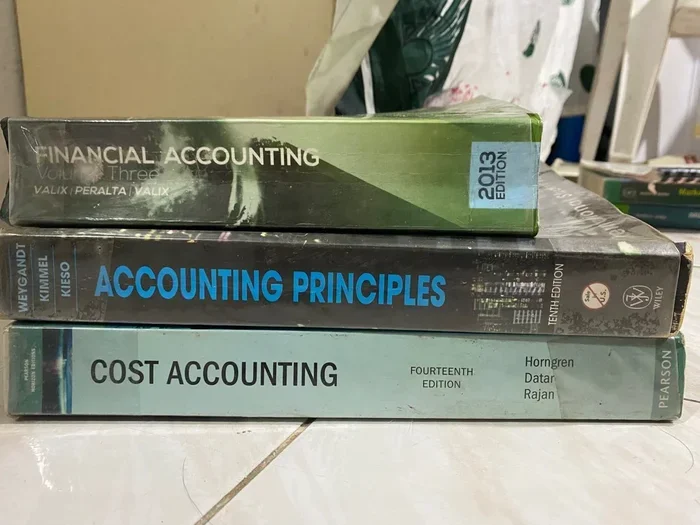
Qualified education expenses for IRA withdrawal cover tuition, fees, books, and supplies needed for higher education. The IRS allows penalty-free distributions from traditional and Roth IRAs for these costs, but strict rules apply. Understanding what qualifies can save you from costly fines and help you plan your education funding wisely.
What Are Qualified Education Expenses for IRA Withdrawal
Paying for education is one of the biggest financial challenges families face today. College tuition keeps rising every year. Many people look at their retirement accounts as a backup funding source. But before you tap into your IRA, you need to know exactly what counts as a qualified education expense for IRA withdrawal.
The IRS has specific rules about what you can withdraw from an individual retirement account without paying a penalty. These rules can feel confusing at first glance. But once you understand them, you can make smart decisions about using your retirement savings for education. This guide breaks everything down in simple terms.
Think of it this way. You would not want to pay a 10% early withdrawal penalty just because you bought the wrong thing. Knowing what qualifies saves you money and stress. Let us walk through the details together.
Key Takeaways
- Tuition and fees are the core qualified expenses: The IRS recognizes mandatory enrollment payments as eligible for penalty-free IRA withdrawals.
- Books, supplies, and equipment count too: Required course materials qualify as long as you are enrolled at least half-time.
- Room and board can be tricky: Only the amount listed in your school’s cost of attendance qualifies, and only for half-time students or more.
- Not all education counts: The IRS has strict rules about which institutions and programs qualify for penalty-free IRA distributions.
- Roth IRA withdrawals offer more flexibility: Contributions can be pulled out anytime without taxes or penalties, making Roth a smart education savings tool.
- Keep detailed records: Save receipts and enrollment proof to support your withdrawal claims if the IRS ever asks.
- Compare options first: A 529 plan may offer better tax advantages than an IRA for education savings.
📑 Table of Contents
Understanding IRA Withdrawals for Education
An IRA withdrawal for education purposes is a special exception to the early withdrawal penalty. Normally, if you take money from a traditional IRA before age 59 and a half, you pay a 10% penalty. But the IRS carved out an exemption for qualified education expenses.
This exemption applies to both traditional and Roth IRAs. However, the tax treatment differs. With a traditional IRA, you still owe income tax on the withdrawal. With a Roth IRA, qualified withdrawals of contributions are completely tax-free and penalty-free.
The key word here is qualified. Not every education-related purchase qualifies. The IRS draws a clear line between what is eligible and what is not. Let us explore that line in detail.
What Counts as a Qualified Education Expense
Tuition and Enrollment Fees
Tuition is the most straightforward qualified expense. The IRS considers mandatory tuition payments as eligible for penalty-free IRA withdrawal. This includes fees that are part of your enrollment at a qualifying institution.
You must be enrolled at least half-time for the expense to qualify. Full-time students have the same eligibility. The payment must go directly toward your cost of attendance at the school.
Here are examples of qualifying tuition costs:
- Undergraduate tuition at a college or university
- Graduate school enrollment fees
- Mandatory activity fees included in your bill
- Technology fees required for enrollment
Keep your tuition receipts and enrollment verification. The IRS may ask for proof if you claim this exemption.
Books, Supplies, and Required Equipment
Books and supplies that are required for your courses also qualify. This includes textbooks, lab materials, and software that your professor mandates for class.
However, there is a catch. You must be enrolled at least half-time. If you are taking fewer courses, these expenses may not qualify for the penalty exemption.
Think of it like idioms for education — there are rules and exceptions that only make sense once you know them. The same applies here. The IRS has specific boundaries around what counts.
Examples of qualifying supplies include:
- Required textbooks listed on your syllabus
- Lab notebooks and safety goggles for science classes
- Specialized software required for coursework
- Art supplies needed for a studio class
Items like a new laptop may qualify only if the school requires it for all students in your program. A general-purpose computer used for browsing does not count.
Room and Board
Room and board is where things get more complicated. The IRS does allow room and board as a qualified expense, but with strict limits.
First, you must be enrolled at least half-time. Second, the amount cannot exceed what your school lists as the cost of attendance for housing and meals. If your school does not include room and board in its cost of attendance, this expense may not qualify.
Here is a quick comparison:
- On-campus housing: Usually qualifies up to the school’s published amount
- Off-campus housing: May qualify if included in the cost of attendance
- Meal plans: Qualify if part of the official cost of attendance
- Personal expenses: Do not qualify
Always check with your school’s financial aid office to find the official cost of attendance breakdown. This number is your ceiling for room and board expenses.
Which Institutions Qualify
Not every school qualifies for the IRA education expense exemption. The IRS limits this to accredited post-secondary institutions. These include colleges, universities, vocational schools, and technical schools.
The institution must be eligible to participate in federal student aid programs. You can usually verify this through the Department of Education’s database. Here are the types of institutions that qualify:
- Four-year colleges and universities
- Community colleges and junior colleges
- Vocational and trade schools
- Technical institutes
- Graduate and professional schools
Online schools also qualify if they are accredited and eligible for federal aid. However, foreign institutions may not qualify unless they meet specific IRS criteria. Always verify before assuming an expense is eligible.
What Does Not Qualify
Understanding what does not qualify is just as important. The IRS does not allow penalty-free withdrawals for:
- Kindergarten or elementary school tuition
- High school diploma programs
- Non-credit courses or personal enrichment classes
- Transportation costs to and from school
- Student loan interest payments
- Insurance or medical expenses during school
These expenses may feel education-related, but they fall outside the IRS definition of qualified education expenses. Do not assume anything without checking the rules first.
How the IRA Withdrawal Process Works
When you take a penalty-free IRA withdrawal for education, you still need to report it. The process is simpler than you might think, but it requires attention to detail.
For Traditional IRA Withdrawals
With a traditional IRA, you withdraw pre-tax dollars. This means you owe income tax on the full amount. The good news is that you skip the 10% early withdrawal penalty. The education expense exemption removes only the penalty, not the tax obligation.
You must file IRS Form 5329 with your tax return. This form calculates the penalty exemption and reports the qualified expense. Keep all receipts and enrollment records in case of an audit.
For Roth IRA Withdrawals
Roth IRA withdrawals work differently. You can withdraw your contributions (not earnings) at any time, tax-free and penalty-free, for any reason. This includes education expenses.
If you withdraw earnings before age 59 and a half, you may owe taxes and penalties unless the withdrawal qualifies. However, the education expense exemption does apply to Roth IRA earnings as well. This makes Roth IRAs a powerful tool for education planning.
Here is a quick tip: always withdraw contributions first from a Roth IRA. This preserves your tax-free growth for retirement.
Comparing IRA Withdrawals to Other Education Funding Options
Using an IRA for education is one option among many. Let us compare it to other popular choices so you can make the best decision.
| Funding Source | Tax Impact | Penalties | Best For |
|---|---|---|---|
| Traditional IRA | Income tax on withdrawal | No penalty for qualified expenses | Emergency education funding |
| Roth IRA | Tax-free on contributions | No penalty on contributions | Flexible education savings |
| 529 Plan | Tax-free growth and withdrawals | No penalties for qualified expenses | Dedicated education savings |
| Student Loans | No tax impact | Interest accrues over time | Long-term education costs |
| Scholarships/Grants | Tax-free | None | Merit- or need-based aid |
As you can see, each option has trade-offs. A 529 plan offers the best tax advantages for education savings. But if you do not have one, an IRA can serve as a backup. Just be aware of the long-term impact on your retirement savings.
Think of it this way. Using an IRA for education is like borrowing from your future self. The money you withdraw loses years of compound growth. Weigh the short-term benefit against the long-term cost carefully.
Common Mistakes to Avoid
Many people make avoidable mistakes when using IRA withdrawals for education. Here are the most common ones:
Assuming all education costs qualify. As we covered, room and board has limits. Personal expenses do not count. Transportation does not count. Only the specific qualified expenses qualify for the penalty exemption.
Failing to keep records. The IRS requires documentation. Save your tuition bills, enrollment letters, and receipts for books and supplies. Without proof, you could face penalties during an audit.
Withdrawing from the wrong account type. If you have a Roth IRA, always pull contributions first. Withdrawing earnings early can trigger taxes and penalties if you do not follow the rules correctly.
Ignoring the half-time enrollment requirement. Many qualified expenses require at least half-time enrollment. Dropping below that threshold can disqualify your withdrawal from the exemption.
Not considering the tax hit. A traditional IRA withdrawal adds to your taxable income. This could push you into a higher tax bracket for the year. Plan your withdrawal timing carefully to minimize the tax impact.
Overlooking 529 plans. If you have a 529 plan available, use it first. It offers superior tax treatment for education expenses. Reserve your IRA for retirement needs whenever possible.
Expert Tips for Planning Education Expenses with an IRA
Financial advisors recommend a few smart strategies when using an IRA for education costs:
- Withdraw only what you need. Do not over-withdraw. Calculate your exact qualified expenses and take only that amount.
- Time your withdrawals wisely. Consider withdrawing during a year when your income is lower. This reduces the tax burden on traditional IRA withdrawals.
- Use a Roth IRA if possible. Roth withdrawals offer the most flexibility. Contributions come out tax-free and penalty-free at any time.
- Replace the withdrawn amount later. While you cannot make up for a traditional IRA withdrawal, you can boost future contributions to rebuild your retirement savings.
- Consult a tax professional. Everyone’s financial situation is unique. A tax advisor can help you navigate the rules and optimize your strategy.
Think of your IRA as a safety net. It is there to protect your retirement. Using it for education is sometimes necessary, but it should be a carefully planned decision, not an impulsive one.
The rules around qualified education expenses for IRA withdrawal may seem complex at first. But once you understand the basics, the process becomes much clearer. Tuition, fees, books, and supplies are the core qualifying expenses. Room and board qualifies within limits. And the institution must be an eligible post-secondary school.
Whether you are helping a child pay for college or returning to school yourself, knowing these rules puts you in control. You can access your retirement funds when needed without surprise penalties. Just remember to keep records, stay within the qualified expense categories, and always consider the long-term impact on your retirement goals.
Education is an investment in your future. But your retirement savings are also an investment. Balance both wisely, and you can fund your education without sacrificing your financial security later in life.
Frequently Asked Questions
Can I use my IRA to pay for a child’s college tuition?
Yes, you can use your IRA for a child’s qualified education expenses. The IRS does not restrict who the beneficiary is. As long as the expenses are qualified and the institution is eligible, you can withdraw penalty-free from your traditional or Roth IRA.
Do I have to repay the money I withdraw from my IRA for education?
No, IRA withdrawals for education are not loans. You do not have to repay them. However, you lose the retirement savings and any future growth those funds would have earned. Think carefully before using this option.
Can I use an IRA withdrawal for online education programs?
Yes, online programs qualify if the institution is accredited and eligible for federal student aid. The same rules apply to online courses as to traditional on-campus programs. Verify the school’s eligibility before planning your withdrawal.
What happens if my education expenses are not truly qualified?
If the IRS determines your expenses do not qualify, you will owe the 10% early withdrawal penalty plus income tax on the full amount. This is why keeping accurate records and understanding the rules is so important.
Is there an income limit for using IRA withdrawals for education?
No, the IRS does not impose an income limit on the education expense exemption for IRA withdrawals. Whether you earn $40,000 or $200,000, the same rules apply for penalty-free qualified education withdrawals.
How does the IRS verify my education expenses?
The IRS may request documentation such as tuition receipts, enrollment verification, and cost of attendance letters from your school. Keeping these records organized and accessible is the best way to stay prepared for any audit or inquiry.
=== CONCLUSION ===
Understanding qualified education expenses for IRA withdrawal gives you the power to make informed financial decisions. Tuition, fees, books, supplies, and limited room and board all qualify under IRS rules. But the institution must be eligible, and you must meet enrollment requirements.
Using your IRA for education is a serious step. It affects your long-term financial security. Always explore other options first, such as scholarships, grants, and 529 plans. When an IRA withdrawal is necessary, plan carefully, keep detailed records, and consult a tax professional if needed.
Your education matters. Your retirement matters too. With the right knowledge and a solid plan, you can fund both without sacrificing one for the other.