
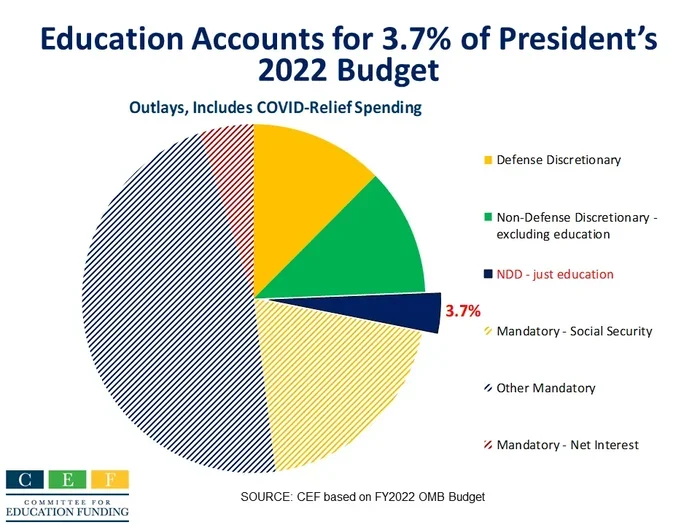
The total amount spent on education reaches trillions of dollars each year across the globe. Governments, families, and organizations invest heavily in schools, colleges, and training programs. Understanding this spending helps us see where money goes and how it shapes learning outcomes. This article breaks down the numbers clearly and explains why every dollar matters for students and communities everywhere.
When we talk about the total amount spent on education, we are looking at a massive global number that affects billions of lives. Every year, countries around the world pour money into schools, colleges, universities, and training programs. This spending shapes how well students learn, how teachers are paid, and what resources classrooms have. Understanding where this money comes from and where it goes helps us see the bigger picture of global education spending.
The education budget is not just a single line item. It includes everything from teacher salaries to new textbooks, from school buildings to technology upgrades. In many countries, public education spending makes up the largest share. But private spending also plays a huge role, especially when it comes to higher education costs and tutoring. Together, these investments add up to trillions of dollars each year.
So why does this matter? Because education investment directly impacts learning outcomes. When schools get enough funding, students benefit. When funding falls short, entire communities feel the gap. This article will walk you through the numbers, the trends, and the reasons behind the spending. By the end, you will have a clear picture of what the total amount spent on education really looks like and why every dollar counts.
Key Takeaways
- Global education spending exceeds $5 trillion annually when combining public and private investments from all countries.
- Government funding dominates education budgets in most nations, covering teacher salaries and school operations.
- Per-pupil spending varies widely based on region, income level, and policy decisions made by local leaders.
- Private spending plays a major role especially in higher education costs, tutoring, and supplemental learning tools.
- Education spending directly impacts learning outcomes, teacher quality, and long-term student success rates.
- Emerging trends like edtech and remote learning are reshaping how money flows into the education sector every year.
📑 Table of Contents
The Total Amount Spent on Education: A Global Overview
Figuring out the exact total amount spent on education is not as simple as adding up a few numbers. Education spending happens at every level. It includes local school districts, state governments, national budgets, and private organizations. Each of these layers adds its own contribution to the education expenditure total.
According to the latest available data, the world spends well over five trillion dollars on education each year. This number covers everything from primary schooling to advanced research at universities. It also includes spending on vocational training and adult education programs. The sheer size of this number shows just how important education is to societies everywhere.
What the Numbers Tell Us
When we look at education statistics more closely, some interesting patterns emerge. Developed nations tend to spend more per student than developing countries. But the gap is narrowing as more nations invest in their school funding systems. Here are some key trends that stand out:
- Public spending accounts for roughly 80% of all education funds in most countries.
- Private spending has grown steadily over the past two decades, especially in higher education.
- Per-pupil spending varies dramatically, from a few hundred dollars to over twenty thousand dollars per student per year.
- Government education spending often reflects a country’s GDP and economic priorities.
These numbers tell a story. They show that nations understand the value of investing in their people. Education is not just a cost. It is an education investment that pays dividends for decades.
How Spending Has Changed Over Time
Education spending has grown significantly over the past few decades. As populations have increased, more schools have been built. More teachers have been hired. More resources have been purchased. This growth in academic spending reflects a global commitment to expanding access to learning.
However, the rate of growth has not been the same everywhere. Some countries have increased their education budget sharply after recognizing the economic benefits of a well-educated workforce. Others have struggled to keep up with rising costs. Inflation, population growth, and policy changes all play a role in shaping how much is spent each year.
One thing is clear: the total amount spent on education continues to rise. This trend is expected to continue as more countries prioritize education in their national agendas.
Where Does the Money Go?
Understanding where education money goes is just as important as knowing the total. The education funding breakdown reveals a lot about priorities and values in any given system. Let us take a closer look at the major areas where spending happens.
Teacher Salaries and Staff
The largest chunk of most education budgets goes toward paying teachers and staff. Teacher salaries alone can make up 60 to 80 percent of a school district’s spending. This makes sense because teachers are the backbone of any education system. Without qualified educators, even the best facilities and tools cannot make a difference.
But teacher pay varies widely across regions. Some countries offer competitive salaries that attract top talent. Others struggle with low pay that leads to high turnover. This gap in school funding directly affects the quality of education students receive every day.
Classroom Resources and Materials
Beyond salaries, a significant portion of spending goes toward educational resources. This includes textbooks, lab equipment, computers, and classroom supplies. In recent years, technology has become a bigger part of this category. Schools are investing in laptops, tablets, and software to support modern learning.
However, not all schools have equal access to these resources. Wealthier districts can afford more. Underfunded schools often make do with outdated materials. This inequality in classroom resources is one of the biggest challenges in education funding today.
Infrastructure and Facilities
School buildings, maintenance, and transportation also take a big share of the budget. Safe and comfortable learning environments do not build themselves. School district budgets must account for repairs, upgrades, and new construction. In many areas, aging buildings need urgent attention that competes with other spending needs.
Transportation costs for busing students add another layer of expense. Rural areas often face higher per-student transportation costs due to long distances. These infrastructure needs remind us that education spending goes far beyond the classroom walls.
Education Spending by Country
Not all countries spend the same amount on education. The total amount spent on education varies greatly depending on a nation’s wealth, population size, and policy choices. Let us compare how different parts of the world approach education funding.
Developed Nations and Their Spending
Countries like the United States, the United Kingdom, Germany, and Japan are among the top spenders on education. The United States alone spends over seven hundred billion dollars annually on its public education spending system. This includes federal, state, and local contributions that fund everything from kindergarten through university.
In Europe, many nations spend a significant percentage of their GDP on education. Nordic countries like Finland and Denmark are known for their high per-pupil spending and strong focus on teacher quality. These countries consistently rank high in learning outcomes, showing a clear link between investment and results.
Developing Nations and the Funding Gap
Developing countries face unique challenges when it comes to education funding. Limited tax bases, competing priorities like healthcare and infrastructure, and rapid population growth all strain education budgets. Many of these nations rely heavily on international aid and grants to fill the gap.
Despite lower spending levels, some developing countries have made remarkable progress. Nations like Vietnam and Rwanda have shown that smart investment in school funding can lead to impressive gains in literacy and enrollment rates. These success stories prove that money alone is not everything. How it is spent matters just as much.
A Quick Comparison
Here is a simple look at how education spending compares across different regions:
- North America: High per-pupil spending, strong private sector involvement in higher education costs.
- Europe: Consistent government investment, emphasis on equal access and teacher salaries.
- Asia: Rapidly increasing spending, heavy focus on technology and STEM education.
- Sub-Saharan Africa: Lower spending per student, heavy reliance on international support for educational resources.
- Latin America: Moderate spending with significant inequality between urban and rural areas.
Why Education Spending Matters
Money alone does not guarantee better education. But spending levels and how that money is allocated have a real impact on students and communities. Research consistently shows that well-funded schools produce better learning outcomes for their students.
The Link Between Funding and Student Success
Studies have found that increased education investment leads to higher graduation rates, better test scores, and improved college attendance. When schools have enough money, they can hire qualified teachers, offer advanced courses, and provide the tools students need to succeed.
On the flip side, underfunded schools often face larger class sizes, outdated materials, and fewer extracurricular opportunities. These disadvantages can follow students throughout their lives. The total amount spent on education in a community is closely tied to the opportunities available to its young people.
Economic Benefits of Education Spending
Investing in education pays off in many ways. Educated populations tend to have higher earning potential, lower unemployment rates, and stronger economic growth. Every dollar spent on school funding generates returns that ripple through the economy for years and decades.
Countries that prioritize education spending often see benefits in innovation, productivity, and global competitiveness. The education sector is not just a cost center. It is a driver of long-term prosperity and social well-being.
Common Mistakes in Education Spending
Even with good intentions, education spending can go wrong. Some common mistakes include:
- Focusing too much on infrastructure while neglecting teacher salaries and classroom resources.
- Spending money without clear goals or measurable outcomes.
- Allowing funding inequalities to persist between wealthy and poor districts.
- Ignoring the need for ongoing professional development for educators.
- Over-investing in one area, like technology, while cutting basics like maintenance and supplies.
Avoiding these pitfalls requires careful planning, transparency, and a commitment to equity in how funds are distributed.
Challenges in Education Funding
Despite the global commitment to education, funding challenges remain. Many countries struggle to balance their education budget with other pressing needs like healthcare, defense, and debt repayment.
Political and Economic Pressures
Education funding often competes with other budget priorities. During economic downturns, school funding is frequently among the first things to be cut. This short-term thinking can have long-term consequences. Underfunded schools produce less prepared graduates, which in turn affects the economy and society.
Political disagreements also play a role. Debates over the role of government in education, the balance between public and private spending, and the best ways to measure spending efficiency can stall progress on reforming how the total amount spent on education is allocated.
Rising Costs and New Demands
Education costs continue to rise. Teacher pay expectations increase. Technology becomes more expensive and more essential. Student mental health services demand new funding streams. All of these pressures make it harder to keep education expenditure at levels that truly meet student needs.
Higher education costs have become a particular concern in many countries. Student debt burdens families and raises questions about whether the return on education investment justifies the price tag. Finding sustainable funding models for the future remains one of the biggest challenges facing policymakers.
Quick Tips for Understanding Education Spending
- Always look at per-pupil spending rather than just total amounts, as it gives a more accurate picture.
- Check whether the numbers include both public and private spending for a complete view.
- Compare spending to GDP percentage to understand a country’s relative commitment.
- Look beyond the numbers to see how funds are actually used in classrooms and schools.
- Remember that more spending is not always better. How money is spent matters just as much as how much is spent.
The Future of Education Spending
The landscape of global education spending is changing fast. New technologies, shifting demographics, and evolving economic realities are reshaping how money flows into the education sector. Understanding these trends can help us anticipate what the total amount spent on education will look like in the years ahead.
Technology and EdTech Investment
Technology is transforming education at every level. Schools are buying devices, subscribing to digital platforms, and investing in cybersecurity. The rise of edtech has opened new doors for personalized learning and remote access. But it has also created new cost pressures that school district budgets must absorb.
As technology continues to evolve, education spending will need to adapt. The challenge will be balancing digital investments with the timeless basics like teacher salaries, small class sizes, and quality classroom resources.
Remote and Hybrid Learning Models
The pandemic accelerated a shift toward remote and hybrid learning. This shift required new spending on internet access, devices, and digital training for teachers. Even as in-person learning returns, many of these investments will remain. The education budget of the future must account for flexible learning models that blend the best of online and in-person instruction.
Growing Focus on Equity
One of the most promising trends in education funding is the growing focus on equity. More countries are working to ensure that funding reaches the schools and students who need it most. This means directing more resources to underserved communities, reducing inequality in school funding, and measuring outcomes to ensure spending is making a real difference.
When we talk about the language of education, we often use expressions like “building a strong foundation” or “opening doors.” These are examples of similes for education that capture the spirit of investment and growth. In the same way, we might say a well-funded school is “a lighthouse guiding every student.” These are metaphors for education that paint a vivid picture of what good funding can achieve. And when people say “education is the key to success,” they are using one of the most powerful idioms for education to express a truth that backed by decades of spending data. These expressions remind us that behind every dollar spent, there is a human story of opportunity and potential.
Key Takeaways on the Future
- Technology spending will continue to grow as digital tools become central to learning.
- Equity-focused funding models are gaining traction in countries around the world.
- Public-private partnerships may play a bigger role in filling funding gaps.
- Measuring outcomes will become increasingly important in justifying spending decisions.
Conclusion
The total amount spent on education is a staggering number that reflects humanity’s commitment to learning and progress. From trillions of dollars in global spending to the individual dollars that buy a single textbook, every contribution matters. Understanding where the money goes, how it is used, and what it achieves empowers us to advocate for better funding and smarter investment.
Education spending is not just a line in a budget. It is a promise. A promise that every child deserves access to quality learning, that teachers are valued and supported, and that communities can thrive through knowledge. As we look to the future, the challenge will be to ensure that the total amount spent on education is used as wisely and equitably as possible. The stakes are high, but so is the reward. Every dollar invested in education is a dollar invested in our shared future.
Whether you are a policymaker, a parent, a teacher, or simply someone who cares about learning, understanding education spending gives you a voice. Use it. Advocate for fair funding. Support policies that put resources where they are needed most. Because when we invest wisely in education, we all win.
Frequently Asked Questions
What is the total amount spent on education worldwide each year?
The global total amount spent on education exceeds five trillion dollars annually when combining public and private spending across all countries. This figure includes everything from primary schooling to university-level education and vocational training programs.
How much of education spending comes from government sources?
In most countries, public education spending accounts for roughly 80 percent of the total education budget. Government funding covers teacher salaries, school operations, infrastructure, and educational resources for public institutions.
Does more education spending always lead to better results?
Not necessarily. The total amount spent on education matters, but how the money is allocated matters just as much. Well-targeted spending on teacher quality, classroom resources, and equity-focused programs tends to produce better learning outcomes than simply increasing budgets without a clear strategy.
What is per-pupil spending and why does it matter?
Per-pupil spending measures how much money is spent on each individual student. It is a useful metric because it allows for fair comparisons between schools, districts, and countries regardless of their size or total budget.
How has education spending changed in recent years?
Global education expenditure has continued to grow over the past two decades. The rise of technology in classrooms, increased focus on mental health services, and shifts toward remote learning have all contributed to new spending demands in the education sector.
Why do developing countries spend less on education?
Developing nations often face limited tax bases, competing budget priorities like healthcare and infrastructure, and rapid population growth. These factors make it challenging to allocate large amounts to school funding, though many are making significant progress through smart investment and international support.


