
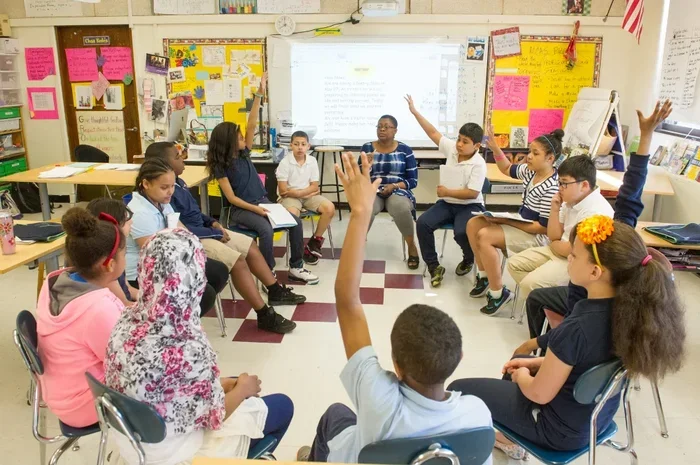
Community education is a learning approach that brings knowledge directly to local people through accessible programs and resources. It empowers individuals, strengthens neighborhoods, and creates opportunities for lifelong growth. This guide covers what community education is, why it matters, and how you can get involved today.
Community education is a powerful idea that changes lives right where people live. It takes learning out of traditional classrooms and brings it into neighborhoods, community centers, and local gathering spaces. Community education is not just about reading and writing. It is about empowering people with skills, knowledge, and confidence to improve their daily lives.
Many folks overlook how much impact local learning programs can have. They assume education only happens in schools or universities. But the truth is, some of the most meaningful learning happens in community settings. People learn from each other, share experiences, and grow together. This kind of learning builds stronger neighborhoods and creates lasting change.
So what exactly is community education, and why should you care? This article breaks it all down. You will learn about the core principles, the many benefits, and practical ways to get involved. Whether you are a learner, a teacher, or simply someone who cares about your neighborhood, there is something here for you.
## What Is Community Education?
At its heart, community education means learning that happens within a specific community. It is designed to meet the unique needs of local people. Unlike formal schooling, it does not require strict schedules or expensive tuition. Instead, it focuses on making knowledge accessible to everyone.
Think about it this way. A local center might offer free classes on financial literacy, digital skills, or health awareness. These programs respond directly to what people in that area actually need. They are practical, relevant, and welcoming.
Community education also embraces informal learning. People pick up skills through workshops, mentoring, and peer-to-peer sharing. This flexibility is what makes it so effective. It meets learners where they are, both physically and emotionally.
### The History Behind Community Education
The idea of community-based learning is not new. It has roots going back decades. In the mid-20th century, educators realized that many people were being left behind by traditional school systems. Rural areas, urban neighborhoods, and marginalized groups often lacked access to quality education.
Pioneers in the field pushed for programs that would bring learning to these underserved populations. They believed that education should be a right, not a privilege. Over time, this vision grew into the wide range of community education programs we see today.
### How Community Education Differs from Traditional Education
Traditional schools follow a set curriculum. They have fixed schedules, graded assessments, and formal credentials. Community education works differently. Here is a quick comparison.
Traditional education follows rigid structures and standardized testing. Community education focuses on flexible, learner-centered approaches. Schools serve specific age groups, while community programs welcome all ages. Formal education often requires tuition or fees. Many community programs are free or low-cost. Classrooms are the main setting, but community learning happens in libraries, centers, parks, and even online.
## Core Principles of Community Education
Understanding the principles behind community education helps you see why it works so well. These guiding values shape every program and initiative.
### Accessibility and Inclusivity
Every person deserves a chance to learn. Community education breaks down barriers that prevent people from accessing knowledge. Language, income, location, and disability should never stop someone from learning.
Good programs are designed with inclusivity in mind. They offer materials in multiple languages. They provide transportation or online options. They create safe spaces where everyone feels welcome.
### Relevance and Real-World Application
People learn best when they see immediate value. Community learning focuses on skills that matter in everyday life. A parent might learn budgeting to manage household finances better. A young adult might gain job skills to find employment. A senior might explore digital tools to stay connected with family.
This real-world focus is what sets community education apart. It is not about abstract theory. It is about solving actual problems and improving real lives.
### Collaboration and Mutual Support
Community education thrives on collaboration. Learners, volunteers, local organizations, and businesses all work together. This team approach creates a support network that benefits everyone.
When people learn side by side, they build trust and stronger relationships. They share knowledge generously. They lift each other up. This mutual support is the backbone of every successful community learning initiative.
### Lifelong Learning Mindset
Learning does not stop after graduation. Lifelong learning is a core belief in community education. People of all ages continue to grow, explore, and develop new skills throughout their lives.
This mindset keeps communities vibrant and adaptable. It encourages curiosity at every stage of life. Whether someone is 15 or 75, there is always something new to learn.
## Why Community Education Matters So Much
The impact of community education goes far beyond the classroom. It touches every aspect of local life and creates ripple effects that last for generations.
### Building Stronger Neighborhoods
When people in a neighborhood learn together, they grow closer. Community education creates shared experiences and common goals. Neighbors who learn together tend to support each other more.
Local learning programs also give people a reason to gather and connect. This social interaction fights isolation and builds a sense of belonging. Strong neighborhoods start with strong connections, and education helps forge those bonds.
### Promoting Civic Engagement
Educated communities are more engaged citizens. People who understand local issues are more likely to participate in civic life. They vote, volunteer, and advocate for positive change.
Community education programs often include discussions about local governance, social justice, and environmental stewardship. These topics empower people to take an active role in shaping their communities.
### Supporting Economic Development
Skills training and workforce development are key benefits of community education. When people gain new skills, they become more employable. They earn higher incomes and contribute more to the local economy.
Small businesses also benefit. A skilled workforce attracts investment and creates jobs. This economic boost starts with education and spreads throughout the entire community.
### Reducing Educational Inequality
Not everyone has equal access to quality education. Community education works to close this gap. It reaches people who traditional schools often miss.
By bringing learning directly to underserved areas, community programs promote educational equity. They give marginalized groups the tools they need to succeed. This focus on equity makes communities fairer and more just.
### Encouraging Social Development
Learning is not just about academics. It is also about personal growth. Community education helps people build confidence, communication skills, and empathy.
Participants often develop leadership abilities through these programs. They learn to work in teams, solve problems creatively, and support their peers. This social development strengthens the entire community fabric.
## Types of Community Education Programs
Community education comes in many forms. Each type serves different needs and audiences. Here are some of the most common and impactful program types.
### Adult Basic Education and Literacy
Adult literacy programs help people improve reading, writing, and math skills. These programs are essential for those who missed out on formal education earlier in life. They open doors to better jobs and daily confidence.
Many local organizations run free literacy classes. Volunteers often teach these courses. The impact is profound. A person who learns to read can navigate the world with greater independence.
### Workforce Development and Vocational Training
Workforce programs teach specific job skills. They prepare people for careers in healthcare, technology, construction, and more. These programs often include certifications that boost employability.
Workforce development is especially valuable in communities with high unemployment. It gives people a clear path to stable income and career growth. Many programs also offer job placement support and resume-building workshops.
### Health and Wellness Education
Health education programs teach people how to stay well. They cover nutrition, mental health, disease prevention, and first aid. These programs are especially important in areas with limited access to healthcare.
Community health workshops empower people to take charge of their well-being. They learn to make informed decisions about their bodies and lifestyles. This knowledge ripples out to families and neighbors too.
### Digital Literacy and Technology Skills
In today’s world, digital skills are essential. Many community programs offer classes on using computers, smartphones, and the internet. These programs help bridge the digital divide.
Older adults, in particular, benefit from digital literacy training. They learn to video call family, access online services, and stay safe online. Younger participants gain skills that prepare them for the modern job market.
### Youth Enrichment and After-School Programs
Community education is not just for adults. Youth programs provide safe, enriching spaces for young people after school. These programs offer tutoring, arts, sports, and leadership development.
After-school programs keep young people engaged and off the streets. They give mentors and role models a chance to make a real difference. Kids who participate in these programs often do better in school and in life.
## How to Get Involved in Community Education
You do not need to be a teacher to support community education. There are many ways to get involved and make a difference.
### Join a Local Program as a Learner
The simplest way to participate is to join a program yourself. Look for classes at your local library, community center, or online. You will learn new skills and meet interesting people along the way.
Do not be shy about trying something new. Whether it is a cooking class, a coding workshop, or a book club, every learning opportunity counts.
### Volunteer Your Time and Expertise
Volunteers are the lifeblood of community education. You can offer your skills by teaching a class, mentoring a learner, or helping with program logistics. Even a few hours a month makes a big difference.
Many organizations welcome volunteers with diverse backgrounds. You do not need a degree to teach. Your life experience and passion are often more valuable than formal credentials.
### Support Local Organizations Financially
If you cannot volunteer your time, consider donating. Even small contributions help community education programs buy supplies, rent space, and reach more people.
Look for local nonprofits and community learning centers that accept donations. Your support ensures that community outreach efforts continue to grow and thrive.
### Advocate for Community Education in Your Area
You can also make a difference by raising awareness. Talk to your neighbors, local leaders, and social media followers about the importance of community education. Share success stories and encourage others to get involved.
Advocacy helps secure funding and resources for local programs. It also builds public support for policies that prioritize community development through education.
## The Future of Community Education
The landscape of community education is evolving rapidly. New technologies, changing demographics, and emerging social needs are reshaping how people learn together.
### The Rise of Hybrid and Online Learning
The pandemic accelerated the shift toward online community learning. Many programs now offer hybrid options that combine in-person and virtual sessions. This flexibility reaches more people, especially those with mobility challenges or busy schedules.
Online platforms also allow programs to share resources across regions. A great workshop from one community can inspire learners in another. This interconnected approach strengthens community learning on a larger scale.
### Focus on Equity and Inclusion
Future community education programs will place even greater emphasis on equity. Organizations are working harder to reach marginalized and underrepresented groups. Culturally responsive teaching practices are becoming the norm.
This focus on inclusion ensures that community education truly serves everyone. It recognizes that different communities have different needs and adapts accordingly.
### Partnerships with Local Businesses and Institutions
Schools, businesses, and community organizations are teaming up more than ever. These partnerships create powerful learning ecosystems. Local companies provide funding, mentors, and real-world project opportunities.
Such collaborations make community education programs more sustainable and impactful. They also help align learning outcomes with local economic needs. The future of community education is collaborative and bright.
## Conclusion
Community education is one of the most effective ways to build stronger, healthier, and more connected neighborhoods. It empowers people with knowledge, skills, and confidence. It bridges gaps, fosters inclusion, and creates opportunities for everyone.
Whether you are learning, teaching, or supporting, your involvement matters. Every class attended, every volunteer hour given, and every program funded strengthens the fabric of a community. The power of local learning should never be underestimated.
Take a step today. Find a program near you, offer your skills, or simply spread the word. Community education thrives when people like you choose to show up and care. Your neighborhood deserves it, and so do you.
Key Takeaways
- Definition and Purpose: Community education focuses on delivering learning opportunities directly within local neighborhoods and underserved areas.
- Core Principles: It is built on accessibility, inclusivity, collaboration, and real-world relevance that traditional schools often miss.
- Why It Matters: Community education drives civic engagement, social development, and economic empowerment at the local level.
- Program Types: From adult literacy classes to workforce training, there are many formats that serve diverse learning needs.
- Getting Involved: Anyone can participate as a learner, volunteer, or organizer to strengthen their community through education.
Frequently Asked Questions
What is the main goal of community education?
The main goal is to make learning accessible and relevant to everyone in a local area. It focuses on empowering people with practical skills, fostering social connection, and promoting lifelong growth.
Who can benefit from community education programs?
Everyone can benefit. Adults, youth, seniors, and families all find value in community learning. These programs are designed to be inclusive and meet diverse needs across all age groups and backgrounds.
How is community education different from adult education?
Adult education typically targets grown learners in formal settings. Community education is broader and more flexible. It includes people of all ages and takes place in informal, local environments like centers, parks, and online platforms.
Do community education programs cost money to join?
Many community education programs are free or very low-cost. They are often funded by nonprofits, local government, or grants. Some specialized programs may charge modest fees, but scholarships are usually available.
Can I start a community education program in my area?
Absolutely. You can start by identifying local needs, finding a venue, and recruiting volunteers or partners. Many successful programs began with just one person who cared enough to take action.
What skills are commonly taught in community education?
Common topics include literacy, digital skills, financial literacy, health awareness, job training, and creative arts. The curriculum usually reflects the specific needs and interests of the local community.
=== INTERNAL LINKS USED ===


