
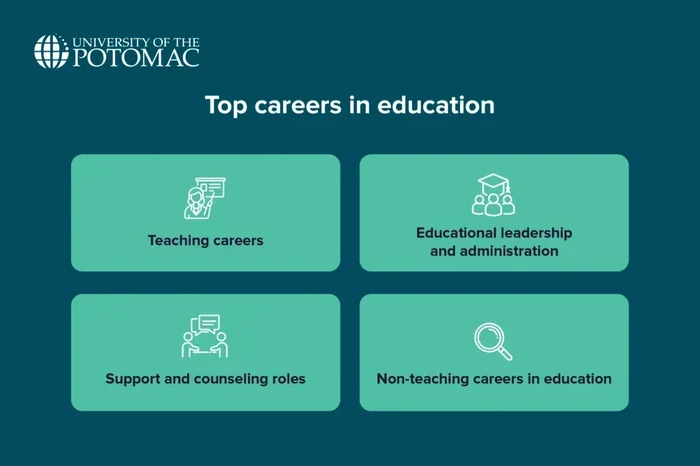
An education degree opens doors to far more than classroom teaching. Whether you want to shape young minds or lead entire schools, the career options are vast and rewarding. From instructional design to educational leadership, this guide covers every path you can take.
So you have an education degree, and now you are wondering what comes next. Maybe you picture yourself standing in front of a classroom full of eager students. Or perhaps you see yourself shaping learning materials from behind the scenes. The truth is, a degree in education gives you more options than most people realize.
Many graduates assume their only choice is to become a teacher. That could not be further from the truth. The world of education careers is wide and varied. You can work in schools, businesses, nonprofits, government agencies, and even tech companies. This guide walks you through every major path so you can find the right fit for your goals and passions.
Whether you just earned your degree or you are thinking about going back to school, this article has you covered. We will explore teaching positions, non-teaching roles, salary expectations, and how to pick the best career for you. Let us dive in.
Key Takeaways
- Diverse Career Paths: An education degree leads to teaching, administration, tutoring, curriculum design, and many other fulfilling roles.
- High Demand: Schools and institutions always need qualified educators and education professionals.
- Beyond the Classroom: Many education careers exist outside traditional teaching, including policy, technology, and consulting.
- Strong Earning Potential: Advanced degrees and specializations can significantly boost your salary.
- Transferable Skills: Communication, leadership, and critical thinking skills from an education program apply to many industries.
- Certification Matters: State requirements vary, so always check your local teacher certification guidelines.
- Growth Opportunities: The education field offers continuous learning and promotion possibilities.
📑 Table of Contents
- Top Career Paths With an Education Degree
- Teaching Positions You Can Pursue
- Non-Teaching Careers for Education Graduates
- Skills You Gain From an Education Degree
- How to Choose the Right Career Path
- Quick Tips for Education Degree Holders
- Common Mistakes Education Graduates Make
- Salary Expectations and Job Outlook
- Final Thoughts on What to Do With an Education Degree
Top Career Paths With an Education Degree
A degree in education gives you a strong foundation in learning theory, classroom management, and student development. These skills apply to many different roles. Let us look at the most popular career paths.
Classroom Teaching
Teaching remains the most common career for education graduates. You can work at the elementary education level, middle school, or high school. Each level comes with its own rewards and challenges.
Elementary teachers often handle multiple subjects for one class. Secondary teachers usually specialize in one subject, like math or English. Both roles require teacher certification in most states. The demand for qualified teachers stays strong across the country.
School Administration
If you love education but prefer leadership, school administration might be your calling. Principals and assistant principals manage daily school operations. They hire teachers, set academic goals, and handle discipline policies.
Many administrators start as teachers and then earn a master’s degree in educational leadership. The role pays well and lets you influence an entire school community. You also get to shape the student learning experience on a bigger scale.
Curriculum Design and Instructional Coaching
Not everyone wants to stand in front of a board every day. Curriculum designers create lesson plans and learning materials for schools and districts. They work behind the scenes to make sure instructional design meets high standards.
Instructional coaches work directly with teachers. They observe classes, give feedback, and help educators improve their methods. Both roles are growing fast as schools focus more on student achievement and effective teaching strategies.
Teaching Positions You Can Pursue
The teaching field offers many specialties. Your choice depends on your interests, age group preference, and subject area. Here are some of the most sought-after teaching positions right now.
Elementary School Teacher
Elementary teachers build the foundation for lifelong learning. You teach reading, writing, math, science, and social studies to young learners. This role requires patience, creativity, and strong classroom management skills.
Many people say elementary teaching is the most rewarding career in education. You get to watch children grow and develop their first real love of learning. The hours can be long, but the impact is enormous.
Middle and High School Teacher
Secondary teachers focus on one or two subjects. You might teach biology, history, English, or algebra. Older students need guidance and mentorship just as much as younger ones.
High school teachers also help students prepare for college or careers. This makes the role incredibly meaningful. You become more than a teacher, you become a mentor and role model.
Special Education Teacher
Special education is a critical and growing field. Teachers in this area work with students who have diverse learning needs. The work requires extra training and certification in most states.
The rewards are immense. You help every child reach their full potential, regardless of challenges. Schools desperately need passionate special educators, so job security is strong.
English as a Second Language (ESL) Teacher
ESL teachers help non-native speakers learn English. This role is in high demand across the United States and worldwide. You can work in public schools, private language centers, or even online.
Understanding language learning theory gives education graduates a big advantage here. If you enjoy working with diverse cultures, ESL teaching could be a perfect fit.
Non-Teaching Careers for Education Graduates
Here is a secret many people do not know: an education degree opens doors well outside the classroom. Plenty of industries value the skills you build during your studies. Let us explore some exciting alternatives.
Corporate Training and Development
Companies hire trainers to teach employees new skills. These roles draw directly from instructional design and adult learning principles. You might create training modules, lead workshops, or coach teams.
Corporate trainers often earn competitive salaries and enjoy regular hours. The work is dynamic and never boring. Your communication skills from an education program give you a real edge here.
Education Policy and Advocacy
Do you care about how schools are run at a systemic level? Policy work might be for you. Government agencies, think tanks, and nonprofits all need people who understand education systems.
You could help shape laws that affect millions of students. This work involves research, writing, and lobbying. It is a powerful way to make a difference beyond a single classroom.
Tutoring and Educational Consulting
Many education graduates start their own tutoring businesses. You can work one-on-one with students who need extra help. The flexibility is attractive, and you can set your own rates.
Educational consultants help schools and families find the right learning solutions. You might evaluate programs, recommend tools, or advise on student learning strategies. This path lets you use your expertise in a personalized way.
Education Technology (EdTech)
The tech world needs people who understand how learning works. EdTech companies hire education graduates to design apps, platforms, and digital tools. Your knowledge of student engagement and curriculum development is incredibly valuable.
This is one of the fastest-growing areas in education careers. If you enjoy technology and want to shape the future of learning, EdTech offers exciting possibilities. Salaries in this sector often exceed traditional teaching pay.
Academic Advising and Student Services
College advisors help students choose courses and plan their futures. This role draws on your deep understanding of how people learn and grow. You work closely with students to set goals and overcome obstacles.
Student services roles also include career counseling and residential life coordination. These positions let you support students in meaningful ways without being in a classroom every day.
Skills You Gain From an Education Degree
One of the best things about an education degree is the transferable skills you develop. Employers across many industries value these abilities. Here are the most important ones.
- Communication: You learn to explain complex ideas clearly and adapt your message to different audiences.
- Leadership: Managing a classroom or a team builds confidence and decision-making ability.
- Organization: Lesson planning and grading teach you to manage time and resources effectively.
- Empathy and Patience: Working with diverse learners builds emotional intelligence and understanding.
- Problem-Solving: Every day in education brings new challenges that require creative solutions.
- Adaptability: You learn to adjust plans on the fly and respond to unexpected situations.
- Critical Thinking: Analyzing learning data and evaluating teaching methods sharpens your analytical skills.
These skills make education graduates attractive candidates for many roles. Whether you stay in education or pivot to another field, you bring real value to any team.
How to Choose the Right Career Path
Choosing a career with an education degree can feel overwhelming. There are so many options, and each one comes with different rewards. Here are some tips to help you decide.
Reflect on Your Strengths and Passions
Ask yourself what you enjoy most. Do you love working directly with children? Or do you prefer designing materials and strategies? Your answers point toward the right path.
If you are a people person, teaching or advising might suit you. If you love creating things, consider curriculum design or EdTech. If leadership excites you, look into school administration or policy work.
Consider Your Lifestyle Goals
Some careers offer more flexibility than others. Corporate training and tutoring often give you control over your schedule. Traditional teaching follows a school calendar with summers off.
Think about what kind of work-life balance you want. Your degree gives you options, so choose a path that supports the life you want to live.
Research Salary and Growth Potential
While passion matters, you also need to pay your bills. Research average salaries for different education jobs in your area. Look at the growth outlook for each role over the next decade.
Remember that advanced degrees often lead to higher pay. A master’s or doctoral degree can open doors to administrative and policy positions with strong compensation packages.
Gain Experience Through Volunteering or Substitute Teaching
If you are not sure which path fits, try before you commit. Volunteer at a local school, tutor students, or work as a substitute teacher. These experiences give you real insight into different roles.
You might discover a passion you did not expect. Or you might realize a certain path is not for you. Either way, hands-on experience is invaluable when choosing a career in education.
Quick Tips for Education Degree Holders
- Stay Current: Attend workshops and conferences to keep your skills sharp and your resume strong.
- Network Widely: Connect with professionals in different education fields. You never know where your next opportunity will come from.
- Consider Specializations: Adding credentials in areas like special education or ESL makes you more competitive.
- Build a Portfolio: Collect examples of your work, whether lesson plans, training materials, or policy briefs.
- Keep Learning: The best educators never stop studying. Read widely and stay curious about new teaching methods.
- Use Your Voice: When you find a way to describe learning in vivid terms, your message sticks. Think about how a well-placed simile for education can make a complex idea click for your audience. Similarly, a carefully chosen metaphor for education can transform how people understand a concept. And do not overlook the power of a sharp idiom for education to add color and clarity to your communication.
Common Mistakes Education Graduates Make
Avoid these pitfalls as you launch your education career.
- Assuming teaching is the only option: Many graduates do not explore non-teaching roles until years later.
- Ignoring certification requirements: Each state has different rules. Research your local requirements early.
- Undervaluing your skills: The abilities you build in an education program are highly transferable and marketable.
- Skipping professional development: The field evolves constantly. Staying updated keeps you competitive.
- Waiting too long to specialize: Early specialization can set you apart from other candidates in a crowded job market.
Salary Expectations and Job Outlook
Salary varies widely depending on your chosen path, location, and experience level. Here is a general comparison of common roles for education degree holders.
| Career Path | Average Salary Range | Growth Outlook |
|---|---|---|
| Elementary Teacher | $45,000 – $65,000 | Steady demand |
| High School Teacher | $50,000 – $75,000 | Moderate growth |
| School Administrator | $75,000 – $110,000 | Strong growth |
| Instructional Designer | $55,000 – $85,000 | Fast growth |
| Corporate Trainer | $50,000 – $80,000 | Steady growth |
| Education Policy Analyst | $55,000 – $90,000 | Moderate growth |
Keep in mind that salaries depend on location, experience, and level of education. Urban areas and private schools often pay more than rural or public institutions. Advanced degrees and additional certifications can push your earnings higher.
The overall outlook for education careers remains positive. Schools need teachers. Organizations need trainers. Governments need policy experts. Your skills are in demand across sectors.
Final Thoughts on What to Do With an Education Degree
An education degree is one of the most versatile credentials you can earn. It opens doors to classrooms, boardrooms, government offices, and tech startups. The key is to explore your options and find the path that matches your strengths and goals.
Whether you choose to teach, lead, design, or advocate, your work in education makes a real difference. Every career option we covered today offers meaningful ways to shape how people learn and grow. The field needs passionate, skilled professionals more than ever.
So take your time, explore different paths, and remember that your degree is just the beginning. The right education career is out there waiting for you. Go find it.
Frequently Asked Questions
Can I teach without a teaching certification if I have an education degree?
It depends on your state and the type of school. Public schools almost always require formal certification. Private schools and tutoring centers may hire you without it. Check your local regulations to understand exactly what is needed.
What is the highest-paying job with an education degree?
School administrators and education policy analysts tend to earn the most. Instructional designers and corporate trainers also offer strong salaries. Your earning potential increases significantly with a master’s or doctoral degree.
How long does it take to get an education degree?
A bachelor’s degree typically takes four years of full-time study. A master’s degree adds one to two more years. Doctoral programs can take three to five years beyond a master’s. Part-time options are available at many universities.
Are education degrees still worth it in the modern job market?
Absolutely. Education degrees teach skills that every industry needs, from communication to leadership. The demand for qualified educators remains strong, and non-teaching roles for education graduates are growing rapidly.
Can I work in education without ever setting foot in a classroom?
Yes. Many roles like curriculum design, policy analysis, and EdTech development happen entirely outside classrooms. Corporate training and educational consulting also offer non-classroom paths for education graduates.
What additional certifications should I pursue with an education degree?
Special education certification, ESL endorsement, and instructional technology credentials are all highly valuable. School administration licenses are essential if you want to become a principal or superintendent. These add-ons boost both your skills and your employability.
=== CONCLUSION ===
An education degree gives you a world of possibilities. From teaching positions in classrooms to leadership roles in school administration, the options are rich and rewarding. You can shape young minds as a teacher, design learning experiences as an instructional coach, or influence entire systems through policy work.
Do not limit yourself to the most obvious path. The career options for education graduates stretch far beyond what many people imagine. Corporate training, EdTech, tutoring, and advocacy all welcome your unique skill set. Your education degree is not just a piece of paper, it is a passport to meaningful work that changes lives.
Take what you have learned here, explore your options, and take the next step. The right education career is waiting for you, and it is closer than you think.


