
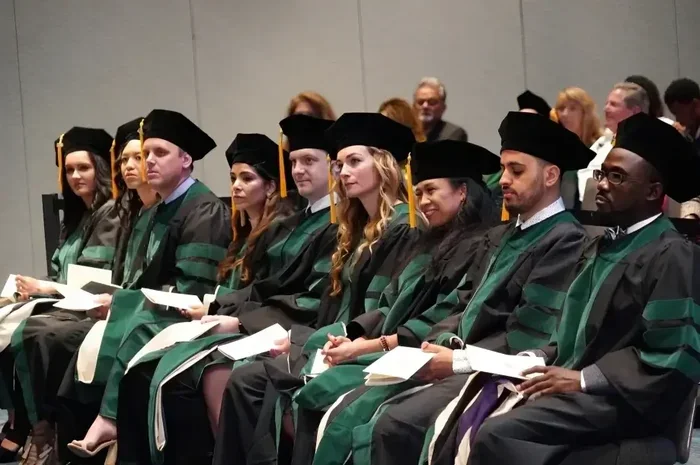
Becoming a doctor requires years of dedicated education, starting with a bachelor’s degree and continuing through medical school, residency, and licensure. This guide walks you through every step of the journey, from pre-med preparation to specialty training, so you know exactly what to expect.
Every year, thousands of students ask themselves the same big question: what kind of education is required to be a doctor? The path is long, but it’s also deeply rewarding. If you’ve ever dreamed of wearing a white coat and helping people, you need to understand the full journey ahead. This guide breaks down every step of the process, from your first college class to your final board exam.
The road to becoming a physician is not a sprint. It’s more like a marathon that tests your dedication, intelligence, and passion for healing. Many people use similes for education to describe this journey, comparing it to climbing a mountain or running a relay race. No matter how you picture it, one thing is clear: the education to become a doctor is serious business.
Key Takeaways
- Undergraduate degree: You need a bachelor’s degree, usually in a STEM field, before applying to medical school.
- Medical school: A four-year doctoral program covers classroom learning and hands-on clinical training.
- Residency training: After medical school, doctors spend 3-7 years in specialized training at a hospital.
- Licensing exams: You must pass the USMLE or COMLEX-USA to practice medicine legally.
- Board certification: Optional but valuable, it shows expertise in a specific medical field.
- Continuing education: Doctors must keep learning throughout their careers to stay current.
📑 Table of Contents
- The Roadmap to Becoming a Doctor
- Undergraduate Education: Building Your Foundation
- Medical School: The Core of Doctoral Training
- Residency Training: Learning on the Job
- Licensing and Board Certification
- Continuing Education for Doctors
- The Kind of Person Who Becomes a Doctor
- Final Thoughts on Medical Education
The Roadmap to Becoming a Doctor
Becoming a physician involves several distinct stages of learning. Each phase builds on the last, preparing you for the next challenge. Let’s walk through the complete pathway so you know exactly what lies ahead.
Why the Journey Takes Time
Medical training is one of the longest educational paths in any profession. The total timeline can span 11 to 15 years or more. Here’s why it takes so long:
- Undergraduate studies take four years.
- Medical school lasts another four years.
- Residency training adds three to seven more years.
- Fellowship training can extend your medical education requirements even further.
The investment is significant, but the payoff is enormous. Doctors enjoy strong job security, meaningful work, and competitive salaries. The metaphor of education as a building process fits perfectly here. You lay each brick carefully, and over time, you construct a career that truly matters. If you enjoy exploring how we talk about learning, check out metaphors for education to see how language captures this idea beautifully.
Undergraduate Education: Building Your Foundation
Before you can enter medical school, you must complete a bachelor’s degree. This is your chance to build a strong academic foundation and prepare for the rigorous demands ahead. Think of your undergraduate years as the base of a tall building. Without a solid base, everything above it wobbles.
Choosing the Right Pre-Med Major
Most aspiring doctors choose a major in a STEM field like biology, chemistry, or physics. However, medical schools accept students from all kinds of backgrounds. What matters most is completing the required pre-med courses and maintaining a strong GPA.
Common pre-med courses include:
- General Biology with lab
- General Chemistry with lab
- Organic Chemistry with lab
- Physics with lab
- Biochemistry
- English or Writing
- Math and Statistics
You don’t need to be a science genius to succeed. Many successful physicians majored in humanities or social sciences as undergraduates. The key is maintaining strong grades and showing genuine curiosity about the world. Think of your undergraduate years as training for a marathon of knowledge. Every course you take adds to your stamina and readiness for the next phase.
Getting Involved Outside the Classroom
Medical schools look for more than just good grades. They want to see that you care about people and understand the healthcare field. Here are ways to stand out during your undergraduate years:
- Volunteer at hospitals or clinics
- Shadow a practicing physician
- Join pre-med clubs or organizations
- Participate in medical research projects
- Work as a scribe or medical assistant
- Take on leadership roles in your community
These experiences give you a real feel for what doctors do every day. They also strengthen your medical school application. Many students find that working directly with patients helps them decide if medicine is truly the right path. It’s one thing to read about healthcare; it’s another thing to sit with a patient and hold their hand.
Medical School: The Core of Doctoral Training
After you earn your bachelor’s degree and ace the MCAT, the next step is medical school. This is where your formal doctoral degree training truly begins. Medical school is intense, immersive, and transformative. You’ll spend countless hours studying, but you’ll also gain skills that last a lifetime.
What to Expect in the First Two Years
The first half of medical school focuses on classroom learning. You’ll study subjects like anatomy, pharmacology, pathology, and medical ethics. It’s a lot of information, but it’s all essential.
During these years, you’ll also start working with real patients. Clinical rotations give you hands-on experience in hospitals and clinics. You’ll learn how to take patient histories, perform physical exams, and present cases to your team. The medical curriculum is designed to build your knowledge step by step, so you never feel overwhelmed by too much at once.
The Clinical Years: Learning by Doing
In your third and fourth years, you’ll rotate through different medical specialties. You might spend time in surgery, pediatrics, psychiatry, or emergency medicine. These rotations help you discover what area of medicine excites you most.
This hands-on phase is where clinical training really comes alive. You’ll work under the supervision of experienced doctors who guide you through real cases. The saying that “experience is the best teacher” couldn’t be more true here. Many students find that these rotations shape their future career choices more than any textbook ever could.
Passing the Licensing Exams
Throughout medical school, you’ll take major exams that test your knowledge and readiness. The two main exams are:
- USMLE (United States Medical Licensing Examination)
- COMLEX-USA (Comprehensive Osteopathic Medical Licensing Examination)
These exams are challenging, but they ensure that every doctor meets a high standard of knowledge. Passing them is essential for moving forward in your training. Think of these tests as gatekeepers that protect patients and maintain the quality of healthcare across the country.
Residency Training: Learning on the Job
Once you graduate from medical school, you enter a residency program. This is where you become a practicing physician under close supervision. Residency is where theory meets real life, and it shapes you into the doctor you’ll become.
What Is Residency Like?
Residency is intense. You’ll work long hours, care for real patients, and make important decisions every day. The length of residency depends on your chosen specialty:
- Family Medicine: 3 years
- Internal Medicine: 3 years
- Pediatrics: 3 years
- Surgery: 5 years
- Orthopedic Surgery: 5 years
- Neurosurgery: 7 years
During residency, you earn a salary while you learn. It’s a unique arrangement that balances education with real-world responsibility. You’re not just a student anymore; you’re a doctor in training. The phrase “learning by doing” takes on a whole new meaning during these years. You’ll develop confidence, speed, and clinical judgment that only comes from hands-on experience.
Matching Into Your Preferred Program
Before residency begins, you must go through the National Resident Matching Program (also known as “The Match”). This process pairs medical graduates with available residency positions. It’s competitive, and preparation starts early in your final year of medical school.
Tips for a successful match include:
- Build strong relationships with mentors
- Gain experience in your desired specialty
- Prepare a compelling personal statement
- Practice for interviews with confidence
- Apply to a range of programs
The match process can be stressful, but it’s also exciting. It’s the moment when your years of hard work start to pay off in a real career. Many doctors describe this as the turning point where everything clicks into place.
Licensing and Board Certification
After residency, you’re ready to practice medicine independently. But there are still a few important steps to complete before you can call yourself a licensed physician.
Obtaining Your Medical License
Every state requires doctors to hold a valid medical license. To get one, you must:
- Complete an accredited medical education program
- Finish a residency program
- Pass the required licensing exam
- Apply to your state’s medical board
Licensing ensures that every doctor practicing in the United States meets consistent standards. It protects patients and maintains public trust in the healthcare system. Without licensure, you cannot legally practice medicine. It’s the final stamp of approval that says you’re ready to care for patients on your own.
Board Certification: Going the Extra Mile
Board certification is not required in all states, but it’s highly valued. It demonstrates that a doctor has gone beyond the minimum requirements and achieved a higher level of expertise in a specific field.
To become board certified, you must:
- Complete additional training in your specialty
- Pass a comprehensive specialty exam
- Meet ongoing education requirements
Many patients look for board-certified doctors when choosing a physician. It signals a commitment to excellence and lifelong learning. If you want to learn more about how people describe this journey of dedication, explore idioms for education to see how language captures the perseverance required.
Continuing Education for Doctors
Becoming a doctor doesn’t end after residency or licensure. Medicine is always evolving, and physicians must keep learning throughout their careers. The best doctors never stop being students.
Why Lifelong Learning Matters
New diseases, treatments, and technologies emerge every year. A doctor who stops learning quickly falls behind. That’s why continuing medical education (CME) is so important. Most states require doctors to earn CME credits to renew their licenses.
These credits come from:
- Medical conferences and workshops
- Online courses and webinars
- Journal clubs and research reviews
- Hands-on training and simulations
The best doctors stay curious, ask questions, and seek out new knowledge. This commitment to growth is what separates good physicians from great ones. Medicine is a field where the learning never truly ends, and that’s what makes it so exciting.
Specializing Further with Fellowships
Some doctors choose to pursue additional training after residency. A fellowship allows them to specialize in a narrow area of medicine. For example, a cardiologist might complete a fellowship in interventional cardiology. Fellowship training typically lasts one to three years and provides deep, focused expertise that makes a doctor highly skilled in a specific area.
Not all physicians pursue fellowships, but those who do often enjoy greater career opportunities and higher earning potential. Specialization is a powerful way to deepen your impact and become a recognized expert in your field.
The Kind of Person Who Becomes a Doctor
Not everyone is cut out for the demanding path of medical education. It takes a special kind of person to endure the years of study, sacrifice, and pressure. The journey is tough, but it’s also deeply fulfilling for those who are truly called to it.
Traits That Make a Great Doctor
Successful physicians share several key qualities that set them apart:
- Empathy: You must genuinely care about people’s well-being.
- Resilience: The journey is tough, and you need mental strength.
- Curiosity: Medicine is a field of constant discovery.
- Discipline: You’ll need to study consistently for years.
- Communication skills: You must explain complex topics clearly.
- Teamwork: Healthcare is always a collaborative effort.
If you compare a doctor to other professionals, you might say they are like a simile for a person who is both strong and gentle. They need the toughness to handle difficult situations and the compassion to comfort those in pain. This balance of strength and empathy is what makes the medical profession so unique and so vital to society.
Is the Investment Worth It?
Many students wonder if the long education is worth the effort. The answer depends on your goals and values. Here’s a quick comparison of what you gain versus other healthcare roles:
- Years of Education: Doctors spend 11-15+ years in training, while other healthcare roles typically require 2-6 years.
- Average Salary: Doctors earn $200,000-$350,000+, compared to $50,000-$120,000 for many other healthcare positions.
- Job Satisfaction: Both paths offer high satisfaction, but doctors often report deeper fulfillment from direct patient impact.
- Work-Life Balance: This can be challenging in medicine, especially during residency, while other roles may offer more predictable schedules.
- Impact on Lives: Doctors have direct and deep impact on patient outcomes, while other healthcare roles also make significant contributions.
The education needed to become a doctor is substantial, but so is the impact you can make. Few careers offer the chance to save lives, ease suffering, and build lasting trust with patients. If you feel called to this path, the investment is absolutely worth it.
Final Thoughts on Medical Education
The path to becoming a physician is one of the most challenging educational journeys you can take. It demands years of study, countless hours of practice, and an unshakable commitment to helping others. But for those who persevere, the reward is a career filled with purpose, respect, and the chance to truly make a difference.
If you’re just starting to explore this path, take it one step at a time. Focus on your studies, gain real-world experience, and stay connected to your “why.” The education to become a doctor is tough, but it’s also transformative. You’ll grow not just as a professional but as a human being.
Remember, every great physician started exactly where you are now — curious, motivated, and ready to learn. The journey of medical education is long, but every step brings you closer to your dream. Stay patient, stay focused, and keep your passion alive. The world needs dedicated doctors, and that journey starts with the education you pursue today.
Frequently Asked Questions
What kind of education is required to be a doctor?
To become a doctor, you need a bachelor’s degree, followed by a four-year medical school program, then a residency that lasts 3 to 7 years depending on your specialty. The total journey typically takes 11 to 15 years of education and training.
Do I need a science degree to get into medical school?
No, you don’t need a science degree specifically. Medical schools accept students from all majors as long as you complete the required pre-med courses. Many successful doctors majored in humanities, social sciences, or other non-STEM fields during their undergraduate studies.
What exams do I need to pass to become a licensed doctor?
You must pass the USMLE or COMLEX-USA during medical school to progress in your training. After completing residency, you apply for a state medical license. Some specialties also require additional board certification exams to demonstrate advanced expertise.
How long does medical residency last?
Residency length depends on your chosen specialty. Family medicine, internal medicine, and pediatrics typically require 3 years. Surgical specialties can take 5 to 7 years, and some sub-specialties require even longer fellowship training afterward.
Is board certification required to practice medicine?
No, board certification is not required in most states to practice medicine. However, it is highly valued by patients and employers. It shows that a doctor has gone beyond the minimum requirements and achieved a higher level of expertise in a specific medical field.
Can I become a doctor if I struggled in college?
Yes, it’s still possible. Medical schools look at your overall application, including your commitment to healthcare, volunteer work, and personal growth. If you struggled early on but improved your grades and gained meaningful experience, you can still build a strong application to medical school.


