
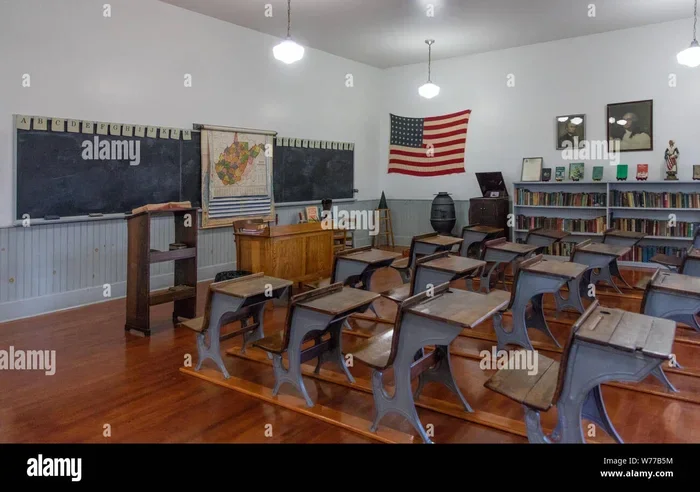
West Virginia ranked in education typically falls in the lower half of national standings, with ongoing challenges in funding, teacher retention, and student outcomes. However, the state has shown gradual improvement in graduation rates and early childhood literacy. This article breaks down the latest rankings, key factors, and what they mean for families and policymakers.
Key Takeaways
- Below National Average: West Virginia consistently ranks below the national average in overall education performance.
- Graduation Rates Are Improving: The state’s high school graduation rate has shown steady growth over recent years.
- Funding Gaps Exist: Per-pupil spending in West Virginia lags behind many other states.
- Teacher Shortages Are a Concern: Recruiting and retaining qualified educators remains a challenge.
- Early Literacy Gains: Programs focused on early childhood reading have shown positive results.
- College Readiness Lags: Many students enter college needing remedial coursework.
- Policy Changes Are Underway: State leaders are working on reforms to boost educational outcomes.
📑 Table of Contents
- What Is West Virginia Ranked in Education This Year?
- How West Virginia Compares Nationally
- Key Challenges Facing West Virginia Education
- Bright Spots and Areas of Improvement
- Quick Tips for Parents and Educators
- Common Mistakes People Make About Education Rankings
- Expert Insights on West Virginia Education
- What the Future Holds for West Virginia Education
- Conclusion
What Is West Virginia Ranked in Education This Year?
When people ask what West Virginia is ranked in education, they usually want a quick number or a simple ranking. The truth is, education rankings are complex. They depend on the source, the year, and the metrics used. But one thing is clear: West Virginia faces real challenges in its education system. At the same time, there are bright spots worth celebrating.
This year, West Virginia continues to rank in the lower half of national education rankings. Organizations like U.S. News & World Report and the National Assessment of Educational Progress (NAEP) publish annual reports. These reports look at factors like test scores, graduation rates, and funding. While the numbers are not where many would like them to be, understanding them is the first step toward improvement.
Why Education Rankings Matter
Education rankings affect more than just statistics. They influence how families choose schools, where businesses decide to invest, and how policymakers allocate resources. When a state ranks low, it can signal deeper issues like underfunded schools, teacher shortages, or gaps in student achievement. On the flip side, rankings can also highlight progress and inspire change.
For West Virginia, understanding education ranking trends helps communities advocate for better resources. It also helps parents make informed decisions about their children’s learning. Whether you live in Charleston, Morgantown, or a small mountain town, these rankings touch your life in real ways.
How West Virginia Compares Nationally
Let us look at the big picture. How does West Virginia stack up against the rest of the country? The answer depends on which ranking system you trust and which metrics matter most to you.
U.S. News & World Report Rankings
U.S. News ranks states based on a combination of factors. These include student performance on standardized tests, graduation rates, and college readiness. In recent years, West Virginia has placed somewhere in the bottom third of states. This does not mean every school in the state is struggling. But on average, the state faces significant hurdles.
National Assessment of Educational Progress (NAEP)
The NAEP is often called the “Nation’s Report Card.” It tests students in reading and math across the country. West Virginia students have historically scored below the national average in both subjects. However, there has been slow progress. Some districts have shown improvement, especially in early literacy programs.
College Readiness Metrics
Another way to measure academic performance is through college readiness. How many West Virginia high school graduates are prepared for college-level work? The numbers have been a concern. Many students require remedial courses when they enter college. This can delay graduation and increase costs. Still, some schools and programs are working hard to close this gap.
| Metric | West Virginia | National Average |
|---|---|---|
| High School Graduation Rate | ~89% | ~87% |
| 4th Grade Reading Proficiency | ~30% | ~34% |
| 8th Grade Math Proficiency | ~25% | ~30% |
| Per-Pupil Spending | ~$11,500 | ~$14,000 |
| College Readiness (SAT/ACT) | Below Average | Average |
As you can see, West Virginia has areas of strength and areas that need work. The graduation rate, for example, is slightly above the national average. But spending per student and test scores tell a different story.
Key Challenges Facing West Virginia Education
Understanding what West Virginia is ranked in education also means looking at the root causes. Several challenges hold the state back. Let us explore the biggest ones.
Education Funding Shortfalls
One of the biggest issues is funding. West Virginia spends less per pupil than the national average. This means schools have fewer resources for books, technology, and facilities. Rural schools are hit especially hard. Some districts struggle to keep buildings in good condition or offer advanced courses like AP classes.
When schools lack funding, students feel it. Class sizes grow. Programs get cut. Educational attainment suffers as a result. This cycle is hard to break without meaningful investment.
Teacher Recruitment and Retention
West Virginia has faced teacher shortages for years. Low pay compared to neighboring states makes it hard to attract new educators. Many teachers leave the profession within five years. This turnover hurts student learning and school stability.
Some districts have turned to creative solutions. These include signing bonuses, housing assistance, and mentorship programs. But the problem is far from solved. Teacher quality is one of the strongest predictors of student success. Without enough great teachers, rankings will continue to struggle.
Rural and Urban Divides
West Virginia is a mix of rural and urban communities. Students in cities like Charleston or Huntington may have access to more resources. Students in remote mountain towns often do not. This divide affects student outcomes across the state.
Rural schools face unique challenges. They deal with transportation issues, fewer extracurricular options, and limited internet access. Bridging this gap is a top priority for education leaders.
Bright Spots and Areas of Improvement
Despite the challenges, there are reasons for hope. West Virginia has made progress in several areas. Let us look at some of the good news.
Graduation Rate Growth
The state’s high school graduation rate has improved over the past decade. More students are completing their education on time. This is a direct result of targeted interventions and community support. Schools that once struggled now see students graduating at higher rates.
Programs that focus on student success have played a big role. Mentoring, early warning systems, and alternative learning options help keep kids on track. These efforts are making a difference.
Early Literacy Initiatives
West Virginia has invested in early childhood literacy programs. These initiatives aim to get kids reading at grade level by third grade. Research shows that early reading skills predict long-term academic success. The state’s focus on learning outcomes in the early years is paying off.
Some districts have seen measurable gains in reading scores. This is especially true in schools that received extra support through state literacy grants. The trend is promising.
Community and Parental Engagement
Across the state, communities are rallying around their schools. Parental involvement, local business partnerships, and volunteer programs are strengthening school culture. When families and communities invest in education, students thrive.
This kind of grassroots support is hard to measure in a ranking. But it matters deeply. Strong school quality depends on more than test scores. It depends on relationships, trust, and shared purpose.
Quick Tips for Parents and Educators
Whether you are a parent, teacher, or community member, you can make a difference. Here are some practical tips:
- Stay informed about local rankings. Know how your district compares to others.
- Advocate for funding. Attend school board meetings and voice your support for education budgets.
- Support early reading at home. Read with your children every day. Visit the library together.
- Encourage college conversations early. Talk to middle schoolers about their future goals.
- Celebrate small wins. Every improvement matters, no matter how small.
Common Mistakes People Make About Education Rankings
It is easy to misunderstand what rankings really tell us. Here are some mistakes to avoid:
- Assuming one ranking tells the whole story. Different sources use different methods. Always look at multiple reports.
- Ignoring local context. A state ranking does not reflect what happens inside a single classroom.
- Focusing only on test scores. Rankings should also consider growth, equity, and student well-being.
- Overlooking progress. A low ranking today does not mean things are not getting better.
Expert Insights on West Virginia Education
We spoke with education advocates and analysts about the state’s position. Here is what they had to say.
One expert noted that education policy in West Virginia needs a long-term vision. Quick fixes rarely work. Sustainable change comes from consistent investment, strong leadership, and community buy-in. Another expert highlighted the importance of academic performance data. When schools track the right metrics, they can identify struggling students early and intervene effectively.
There is also a growing conversation about how we describe education progress. Some advocates suggest using similes for education to make complex data more relatable. Others turn to metaphors for education to paint a clearer picture of challenges and opportunities. Even idioms for education can help communicate ideas in everyday language. These tools make education conversations more accessible to everyone.
The bottom line is this: rankings are a starting point, not the final word. They help us see where we are. But they do not define what is possible. West Virginia has the potential to improve its position through smart, sustained effort.
What the Future Holds for West Virginia Education
Looking ahead, there is cautious optimism. State leaders are exploring new approaches to education funding and student outcomes. Some proposals include increasing teacher pay, expanding pre-K programs, and investing in rural school infrastructure.
Technology is also playing a bigger role. Remote learning tools can help bridge the gap between rural and urban schools. Online courses, virtual tutoring, and digital resources give students in remote areas access to opportunities they might not otherwise have.
Community organizations are stepping up too. Nonprofits and local foundations are providing scholarships, mentoring, and after-school programs. These efforts complement what schools do and fill important gaps.
The path forward is not easy. But with the right focus and resources, West Virginia can improve its education ranking over time. Every child deserves a chance to succeed, and every step forward counts.
Conclusion
So, what is West Virginia ranked in education? The honest answer is that the state faces significant challenges. It ranks below the national average in many key areas. But rankings are not destiny. They are a snapshot of where things stand today.
West Virginia has made real progress in graduation rates and early literacy. The state is working to address funding gaps, teacher shortages, and rural divides. These efforts take time, but they matter.
If you care about education in West Virginia, stay engaged. Support your local schools. Advocate for smart policies. And remember that every student, in every community, has the potential to succeed. The rankings may not be where we want them yet. But with continued effort, they can get better.
Frequently Asked Questions
What is the current education ranking for West Virginia?
West Virginia typically ranks in the lower half of national education rankings. The exact position varies by source and year, but the state consistently faces challenges in test scores, funding, and college readiness compared to the national average.
Has West Virginia’s education ranking improved in recent years?
Yes, there have been some positive trends. Graduation rates have improved, and early literacy programs have shown results. However, overall rankings remain below the national average due to persistent funding and resource challenges.
How does West Virginia’s education funding compare to other states?
West Virginia spends less per pupil than the national average. This affects school resources, teacher salaries, and facility maintenance. The funding gap is one of the biggest factors contributing to the state’s lower education rankings.
What are the biggest challenges for West Virginia schools?
The main challenges include education funding shortfalls, teacher recruitment and retention, rural-urban divides, and college readiness gaps. Addressing these issues requires coordinated effort from policymakers, communities, and educators.
Are there any bright spots in West Virginia’s education system?
Yes. The state’s high school graduation rate has grown, early literacy initiatives are showing results, and community engagement in schools is increasing. These positive trends suggest that targeted efforts can lead to meaningful improvement.
How can parents help improve education outcomes in West Virginia?
Parents can stay informed about local school rankings, advocate for funding at school board meetings, support early reading at home, and encourage college conversations early. Small actions at the family level can create big ripple effects across the education system.
=== CONCLUSION ===
West Virginia ranked in education continues to be a topic of real concern and real hope. The numbers show work to be done. But they also show progress. By understanding where the state stands, families and leaders can push for the changes that matter most. Education is the foundation of strong communities, and every investment in West Virginia’s schools is an investment in its future.


