
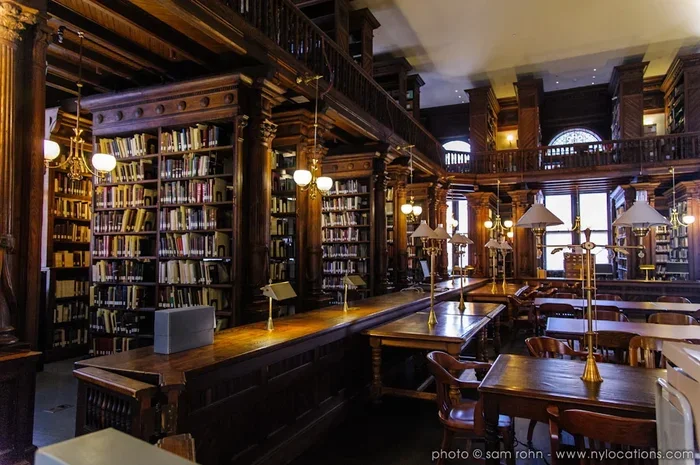
The goal of a classical liberal arts education is to develop independent thinkers who love learning for its own sake. It cultivates intellectual curiosity, critical thinking, and moral character through a broad curriculum rooted in the Western tradition. Unlike vocational training, this approach prepares students for life, not just a career.
The question “what is the goal of a classical liberal arts education” has echoed through halls of learning for centuries. It is not just an academic question. It is a question about purpose, about what we value, and about the kind of people we want to become. A classical liberal arts education is one of the oldest and most enduring approaches to learning in Western civilization. It has shaped philosophers, leaders, scientists, and artists for over two thousand years.
At its core, this educational philosophy is built on a simple but powerful idea: learning should transform the whole person. Not just the mind. Not just the career. The entire human being. In this article, we will explore what that really means, why it still matters today, and how it compares to modern educational models.
Key Takeaways
- Holistic Development: A classical liberal arts education focuses on shaping the whole person — mind, character, and intellect — rather than just training for a specific job.
- Critical Thinking First: The primary aim is to teach students how to think, analyze, and question ideas, not just memorize facts.
- Rooted in the Western Canon: The curriculum draws from ancient Greek, Roman, and medieval traditions, including the trivium and quadrivium.
- Character and Virtue Matter: Moral formation and civic responsibility are central goals alongside academic growth.
- Lifelong Learning: Graduates are equipped with adaptable skills that serve them far beyond the classroom.
- Contrast with Vocational Education: Liberal arts education differs fundamentally from career-specific training in its broader purpose and outcomes.
📑 Table of Contents
- What Is a Classical Liberal Arts Education?
- The Core Goal of a Classical Liberal Arts Education
- How a Classical Liberal Arts Education Differs from Modern Education
- The Benefits of a Classical Liberal Arts Education
- Common Misconceptions About Classical Liberal Arts Education
- Key Takeaways
- Conclusion
What Is a Classical Liberal Arts Education?
A classical liberal arts education is a traditional approach to learning that draws from ancient Greek and Roman intellectual traditions. The word “liberal” comes from the Latin word “liber,” meaning “free.” It was designed for free citizens — people who had the privilege and responsibility to participate in public life. This is very different from vocational training, which focuses on teaching specific job skills.
The liberal arts were considered essential for a free person because they developed the mental and moral capacities needed for civic engagement, ethical reasoning, and thoughtful leadership. A classical liberal arts education is not about earning a high salary right out of college. It is about becoming a well-rounded, thoughtful, and virtuous human being.
The Origins of Liberal Arts Education
The roots of this educational model go all the way back to ancient Greece. Aristotle believed that education should aim at the good life — not just a good job. The Romans adopted and expanded this idea. During the Middle Ages, scholars organized the liberal arts into two groups: the trivium and the quadrivium.
The trivium included grammar, logic, and rhetoric. These are the foundational skills of language and thought. The quadrivium included arithmetic, geometry, music, and astronomy. Together, these seven subjects formed the backbone of a classical education for centuries. They were not electives. They were considered essential for anyone seeking wisdom and freedom.
The Core Goal of a Classical Liberal Arts Education
So what is the goal of a classical liberal arts education, exactly? The answer is not one single thing. It is a combination of several interconnected aims that work together to form a complete educational experience.
Developing Critical Thinking Skills
The most important goal of a classical liberal arts education is to develop critical thinking skills. Students learn how to analyze arguments, identify logical fallacies, and evaluate evidence. They are taught to ask hard questions and to think independently.
This is very different from rote memorization. In a liberal arts setting, students are not just expected to remember facts. They are expected to understand why those facts matter, how they connect to each other, and what they mean in a broader context. The ability to think clearly and reason well is considered the foundation of all other learning.
Cultivating Intellectual Curiosity
A classical liberal arts education aims to spark a love of learning that lasts a lifetime. Students are encouraged to explore ideas across many disciplines — literature, philosophy, history, science, and the arts. This breadth of study helps them see connections that a narrow, specialized education might miss.
When students study philosophy alongside mathematics, or poetry alongside physics, they develop a richer understanding of the world. They learn that knowledge is not a collection of isolated facts. It is a living, interconnected web of ideas. This kind of intellectual curiosity drives people to keep learning long after they leave the classroom.
Forming Character and Virtue
One of the most distinctive features of a classical liberal arts education is its focus on character formation. The ancient Greeks called this “paideia” — the process of educating a person to be virtuous and excellent.
In a classical setting, education is not morally neutral. It is deeply concerned with questions of ethics, justice, courage, and wisdom. Students are encouraged to reflect on what kind of person they want to become. They study great thinkers and leaders from history not just for their ideas, but for their character and their example. The goal is to produce not just smart people, but good people.
How a Classical Liberal Arts Education Differs from Modern Education
Modern education has shifted dramatically toward specialization and career preparation. Most students today choose a major early and focus almost exclusively on that field. A classical liberal arts education takes a very different path.
Liberal Arts vs. Vocational Training
Vocational training is designed to get you a job. It teaches specific, practical skills for a particular profession. A liberal arts degree teaches you how to think, communicate, and adapt. These are skills that apply to any career and any stage of life.
Consider this comparison:
- Vocational Training: Focuses on narrow, job-specific skills. Prepares you for one career path. Emphasizes practical application over theory.
- Classical Liberal Arts: Focuses on broad intellectual skills. Prepares you for many career paths and for life itself. Emphasizes theory, reflection, and wisdom.
Neither approach is inherently better than the other. But they serve very different purposes. A classical liberal arts education is ideal for those who want depth of understanding and flexibility in their future.
The Role of the Humanities
The humanities play a central role in a classical liberal arts education. Subjects like literature, history, philosophy, and the arts are not seen as extras. They are considered essential for developing empathy, cultural awareness, and moral imagination.
When you read Homer, study Plato, or analyze a Shakespeare play, you are not just learning about the past. You are learning about human nature. You are grappling with timeless questions about justice, beauty, love, and mortality. These experiences shape the way you see the world and your place in it.
Integrating Knowledge Across Disciplines
One of the strengths of a classical model is its commitment to integrated learning. Instead of studying subjects in isolation, students are encouraged to see how they connect. A history lesson might inform a literature discussion. A math concept might illuminate a philosophical idea. This cross-disciplinary approach mirrors the way the real world works.
Think about it this way. Real problems do not come neatly labeled as “math problems” or “history problems.” They are complex and multifaceted. A classical liberal arts education trains you to approach such problems with a wide lens and a flexible mind. This is exactly the kind of thinking that employers and leaders value today.
The Benefits of a Classical Liberal Arts Education
The benefits of this educational approach go far beyond the classroom. They shape how you think, speak, and act for the rest of your life.
Prepared for a Changing World
In a world where careers change rapidly and new technologies emerge constantly, the ability to adapt is invaluable. A classical liberal arts education gives you exactly that. The broad foundation of knowledge and the strong thinking skills it develops make graduates remarkably adaptable.
Studies consistently show that liberal arts graduates perform well over the course of their careers. Their ability to learn quickly, communicate clearly, and think creatively gives them an edge in a wide range of fields. They are not locked into one narrow path. They are free to explore, pivot, and grow.
Strong Communication Skills
Reading, writing, speaking, and listening are all central to a liberal arts curriculum. Students practice these skills extensively across many subjects. The result is a graduate who can express ideas clearly, argue persuasively, and listen thoughtfully.
These communication skills are essential in every profession. Whether you become a teacher, a business leader, a doctor, or an artist, the ability to convey your ideas effectively will always set you apart. This is one of the most practical gifts a classical liberal arts education provides.
A Foundation for Lifelong Learning
Perhaps the greatest benefit is the love of learning itself. A classical education does not end when you receive your diploma. It opens a door that stays open for life. Graduates are equipped with the tools to continue growing intellectually, morally, and spiritually.
This commitment to lifelong learning is especially important in our fast-changing world. The specific knowledge you gain in college may become outdated. But the skills and habits of mind you develop through a liberal arts education will serve you forever.
Moral and Civic Responsibility
A classical education has always been concerned with more than individual success. It aims to produce citizens who contribute positively to their communities and society. The study of history, philosophy, and literature exposes students to diverse perspectives and moral dilemmas.
This builds a sense of civic responsibility and ethical awareness. Graduates are encouraged not just to succeed personally, but to serve others and make the world a better place. In this way, the goal of a classical liberal arts education extends well beyond the individual.
Common Misconceptions About Classical Liberal Arts Education
Despite its long history and proven benefits, there are many misconceptions about this educational model. Let us address some of the most common ones.
“It Is Not Practical”
Many people assume that a liberal arts education is impractical because it does not lead directly to a specific job. But this view is outdated. Employers today increasingly value graduates who can think critically, communicate well, and adapt to new challenges. A classical liberal arts education develops exactly these skills.
In fact, many successful leaders across industries — from technology to politics to the arts — credit their liberal arts background as a key to their success. The breadth of knowledge and the depth of thinking they gained in college gave them a unique advantage.
“It Is Only for the Elite”
Another misconception is that classical education is only for wealthy or privileged students. While it is true that some elite institutions follow this model, the principles of a classical liberal arts education are accessible to anyone. The core ideas — critical thinking, character formation, intellectual curiosity — do not require expensive resources. They require only a commitment to learning and growth.
Many community colleges and public universities now offer liberal arts programs that make this kind of education available to a wider range of students. The goal is not about privilege. It is about potential.
“It Is Outdated”
Some critics argue that classical education is stuck in the past. They say it does not prepare students for the modern world. But the principles of a classical education are timeless precisely because they focus on enduring human capacities — reasoning, communicating, and understanding what it means to be human.
The specific content may change, but the core goals remain as relevant today as they were in ancient Athens. In a world overwhelmed by information, the ability to think clearly and wisely is more valuable than ever.
Key Takeaways
- Holistic Development: A classical liberal arts education focuses on shaping the whole person — mind, character, and intellect — rather than just training for a specific job.
- Critical Thinking First: The primary aim is to teach students how to think, analyze, and question ideas, not just memorize facts.
- Rooted in the Western Canon: The curriculum draws from ancient Greek, Roman, and medieval traditions, including the trivium and quadrivium.
- Character and Virtue Matter: Moral formation and civic responsibility are central goals alongside academic growth.
- Lifelong Learning: Graduates are equipped with adaptable skills that serve them far beyond the classroom.
- Contrast with Vocational Education: Liberal arts education differs fundamentally from career-specific training in its broader purpose and outcomes.
Conclusion
The goal of a classical liberal arts education is nothing less than the transformation of the whole person. It seeks to develop independent thinkers, moral individuals, and engaged citizens. It does this by cultivating critical thinking, intellectual curiosity, character, and a lifelong love of learning.
In a world that often prioritizes narrow career training and immediate results, the classical liberal arts model reminds us of what education can and should be. It is not just about getting a job. It is about becoming a person — a thoughtful, capable, and virtuous person — who can navigate the complexities of life with wisdom and grace.
If you are considering a classical liberal arts education, or if you are simply curious about what it offers, we encourage you to explore further. The ideas and traditions behind this model are rich and deeply rewarding. They have stood the test of time for a reason.
Start by reading widely, asking big questions, and seeking knowledge not just for utility, but for its own sake. That is the true spirit of the liberal arts. And it is a spirit that can enrich your life in ways you cannot yet imagine.
To deepen your understanding of educational language and expression, explore resources on similes for education and metaphors for education. These tools can help you articulate the ideas and insights you gain from a classical liberal arts education. You might also find value in exploring idioms for education, which can enrich your vocabulary and help you communicate complex thoughts with clarity and precision.
Frequently Asked Questions
What exactly is the goal of a classical liberal arts education?
The primary goal is to develop the whole person — intellectually, morally, and civically. It aims to cultivate critical thinking, intellectual curiosity, character, and a lifelong love of learning. Unlike vocational training, it prepares students not just for a career, but for a meaningful and thoughtful life.
How is a classical liberal arts education different from modern college education?
Modern education often focuses on specialization and career preparation. A classical liberal arts education emphasizes breadth, integrated learning, and the development of transferable thinking skills. It draws from ancient traditions and prioritizes wisdom and virtue alongside knowledge.
Is a classical liberal arts education still relevant today?
Absolutely. In a rapidly changing world, the skills developed through a liberal arts education — critical thinking, communication, adaptability, and ethical reasoning — are more valuable than ever. Employers and leaders across industries highly value these competencies.
What subjects are included in a classical liberal arts curriculum?
A classical curriculum typically includes the trivium (grammar, logic, and rhetoric) and the quadrivium (arithmetic, geometry, music, and astronomy). It also encompasses literature, philosophy, history, science, and the arts. The emphasis is on integrating knowledge across disciplines.
Can anyone benefit from a classical liberal arts education?
Yes. While classical education is often associated with elite institutions, its core principles — critical thinking, character formation, and intellectual curiosity — are accessible to anyone willing to engage deeply with ideas. Many public and community colleges now offer liberal arts programs that make this approach available to a broad range of students.
What career paths do liberal arts graduates pursue?
Liberal arts graduates pursue a wide variety of careers, including education, law, business, journalism, public service, the arts, and technology. Their broad skill set and adaptability make them well-suited for many different fields and for long-term career growth.


