
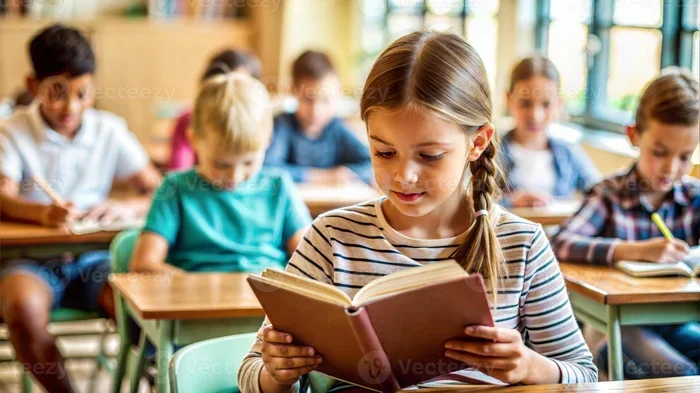
Literacy in education is the foundation of all learning. It goes far beyond just reading and writing — it includes critical thinking, comprehension, and communication skills. Strong literacy skills help students succeed in every subject and in life. When schools focus on literacy in education, they set students up for long-term achievement.
What does literacy in education really mean? Most people think it is just about reading books and writing sentences. But it is so much more than that. Literacy is the ability to read, write, speak, and listen in ways that help you understand and communicate ideas effectively. It is the skill that opens doors in every classroom and in every part of life.
When we talk about literacy in education, we are talking about the skills students need to learn, grow, and succeed. These skills go way beyond basic reading. They include understanding what you read, thinking critically about information, and expressing your ideas clearly. Whether a student is studying history or science, strong literacy skills make everything easier.
So why does this topic matter so much? Because literacy in education is the building block of all learning. Without it, students struggle in every subject. With it, they can explore new ideas, solve problems, and think creatively. Let us dive deep into what literacy really means and why it deserves so much attention.
Key Takeaways
- Literacy in education means more than reading and writing: It covers comprehension, critical thinking, and communication.
- Different types of literacy exist: Including digital, media, and functional literacy, all of which matter in modern classrooms.
- Early childhood literacy builds the foundation: Kids who develop strong reading skills early perform better in school.
- Literacy boosts student achievement across all subjects: From math to science, reading and writing skills are essential.
- Parents play a key role: Home support and daily reading habits make a huge difference in a child’s literacy growth.
- Schools can improve outcomes through targeted strategies: Structured programs and teacher training drive better results.
📑 Table of Contents
- What Does Literacy in Education Actually Mean?
- The Different Types of Literacy You Should Know
- Why Literacy in Education Matters So Much
- How Schools Can Improve Literacy Skills
- Common Myths About Literacy in Education
- The Role of Parents in Building Literacy
- The Connection Between Literacy and Student Achievement
- Key Takeaways
- Conclusion
What Does Literacy in Education Actually Mean?
At its core, literacy in education refers to the ability to read, write, and understand written information. But modern education has expanded this definition a lot over the years. Today, literacy includes many different forms of communication and understanding.
Think of it this way. Reading a textbook is one thing. But truly understanding it, questioning it, and using that knowledge is another. That is what literacy in education is all about. It is not just decoding words on a page. It is about making meaning from those words.
The Traditional View of Literacy
For a long time, people defined literacy as the ability to read and write. If you could do both, you were considered literate. This basic definition still holds true. But educators now recognize that reading and writing are just the starting point.
Traditional literacy focuses on:
- Recognizing letters and words
- Reading fluently and accurately
- Writing clear and correct sentences
- Understanding basic text meaning
These skills are important. No one can skip them. But they are only the first step on a much bigger journey.
The Modern View of Literacy
Today, literacy in education means much more. It includes the ability to analyze texts, think critically, and communicate ideas in different formats. Modern literacy also covers digital tools, media sources, and real-world applications.
Here is what the modern view includes:
- Analyzing and evaluating written material
- Thinking critically about what you read
- Using reading and writing skills across all subjects
- Understanding digital and media texts
- Communicating ideas clearly in different contexts
This broader view helps us see why literacy in education is so important. It touches every part of a student’s learning journey.
The Different Types of Literacy You Should Know
Not all literacy is the same. In fact, there are many types that students encounter in school. Each type plays a unique role in helping learners understand the world around them. Let us break down the most important ones.
Reading and Writing Literacy
This is the most common type. Reading and writing literacy means being able to decode text, understand its meaning, and express your own thoughts through writing. It is the backbone of literacy in education.
Good reading and writing skills help students:
- Understand textbooks and assignments
- Write essays and reports
- Take notes effectively
- Answer questions clearly
Teachers often use similes for education to help students compare ideas and deepen their understanding of texts. These comparisons make abstract concepts more concrete and relatable.
Critical Literacy
Critical literacy goes a step further. It teaches students to question what they read and think about the purpose behind a text. Instead of just accepting information, students learn to analyze it.
With critical literacy, students ask questions like:
- Who wrote this and why?
- What is the author trying to say?
- Are there any biases or assumptions?
- How does this connect to other things I know?
This type of thinking is essential for literacy in education. It prepares students to navigate a world full of information and opinions.
Digital and Media Literacy
We live in a digital world. That is why digital literacy and media literacy are now key parts of education. Digital literacy means knowing how to find, evaluate, and use information online. Media literacy means understanding how messages are created and what they mean.
Students need these skills because:
- They use the internet for research every day
- Social media is a major source of information
- Not everything online is true or reliable
- They need to create digital content responsibly
Teachers also use metaphors for education to help students grasp complex digital and media concepts by comparing them to familiar ideas. This makes abstract topics much easier to understand.
Functional Literacy
Functional literacy means having the reading and writing skills needed for everyday life. This includes reading instructions, filling out forms, writing emails, and understanding signs and labels. It is practical and real-world.
Functional literacy connects directly to literacy in education because it shows students why these skills matter outside the classroom.
Why Literacy in Education Matters So Much
Now that we understand what literacy is, let us talk about why it matters so much. The reasons go far beyond getting good grades. Literacy in education shapes a student’s entire future.
It Supports Learning Across All Subjects
Every subject in school requires some level of literacy. Math has word problems. Science requires reading research papers. History involves analyzing documents and writing essays. Even art has written components.
When a student struggles with reading, every subject becomes harder. Strong literacy in education lifts performance in every area. It is the thread that connects all learning.
It Builds Critical Thinking Skills
Reading is not just about seeing words. It is about thinking. When students read, they analyze, question, and form opinions. These are critical thinking skills that last a lifetime.
Literacy in education teaches students how to think, not just what to think. This is one of the most valuable gifts education can offer.
It Improves Communication Skills
Good literacy leads to better communication. Students who read and write well can express their ideas clearly. They can argue their points effectively. They can understand others better too.
Communication skills matter in every job, every relationship, and every community. That is why literacy in education is so foundational.
It Boosts Confidence and Independence
When students can read and understand information on their own, they feel capable. They do not need to rely on others for every answer. This independence builds confidence.
Confident learners take risks. They ask questions. They explore new ideas. All of this starts with strong literacy in education.
It Prepares Students for the Future
The world needs people who can read, write, and think critically. Jobs today require strong communication skills more than ever before. Literacy in education prepares students for college, careers, and life in general.
According to research, students with strong reading skills in early grades are much more likely to succeed later in life. This is why investing in literacy in education early pays off for years.
How Schools Can Improve Literacy Skills
Schools play a huge role in building literacy in education. But how exactly do they do it? Let us look at some proven strategies.
Create a Rich Reading Environment
Schools should surround students with books. Classroom libraries, reading corners, and regular reading time all help. When students see reading as a normal part of the day, they develop better habits.
Teachers can also use idioms for education to make language learning fun and engaging. Idioms add color to lessons and help students understand cultural language in a memorable way.
Teach Explicit Reading Strategies
Not all reading skills develop on their own. Teachers need to explicitly teach strategies like:
- Predicting what comes next in a text
- Asking questions while reading
- Summarizing key points
- Making connections to prior knowledge
- Visualizing scenes and ideas
These strategies directly strengthen literacy in education and give students tools they can use forever.
Encourage Writing Every Day
Reading and writing go hand in hand. Schools should give students regular opportunities to write. This can include journaling, creative writing, essays, or even short responses to reading assignments.
Quick Tips for Schools:
- Set aside 15-20 minutes for daily writing
- Give feedback that helps students improve
- Let students choose their own writing topics sometimes
- Share student work to build pride and motivation
Train Teachers in Literacy Instruction
Teachers are the most important factor in literacy in education. When schools invest in teacher training, everyone benefits. Educators who understand how to teach reading and writing effectively can make a huge difference.
Professional development should cover:
- How children learn to read
- Strategies for struggling readers
- How to integrate literacy across subjects
- Using technology to support literacy learning
Common Myths About Literacy in Education
There are many misconceptions about what literacy in education really means. Let us clear up a few of the most common ones.
Myth: Literacy Is Just About Reading
Many people think literacy means reading alone. But as we have seen, it includes writing, speaking, listening, and critical thinking too. Literacy in education is a complete set of skills.
Myth: Some Students Are Just Not “Literate”
Some believe that literacy is a fixed trait. But the truth is, literacy can be developed at any age. Every student can improve with the right support and practice.
Myth: Technology Makes Literacy Less Important
With so much technology available, some think traditional reading and writing do not matter as much. But technology actually makes literacy in education more important than ever. Students need strong skills to navigate digital information wisely.
Myth: Literacy Only Matters in English Class
Another common myth is that literacy is only an English teacher’s job. In reality, every teacher is a literacy teacher. Math, science, history — all subjects require reading and writing skills.
The Role of Parents in Building Literacy
Schools do not build literacy in education alone. Parents play a powerful role too. Home support can make a real difference in a child’s reading and writing growth.
Here are simple things parents can do every day:
- Read together daily. Even 15 minutes makes a big difference over time.
- Talk about what you read. Ask questions and share opinions together.
- Let children see you read. Modeling literacy habits is powerful.
- Encourage writing at home. Keep notebooks, journals, or even a family storybook.
- Visit the library regularly. Make books a normal and exciting part of life.
When home and school work together, literacy in education thrives. Parents and teachers are a team, and that team can do amazing things for children.
The Connection Between Literacy and Student Achievement
Research shows a clear link between strong literacy skills and student achievement. Students who read well tend to perform better in school overall. This connection holds true across grade levels and subject areas.
Here are some key facts about literacy in education and achievement:
- Third-grade reading level strongly predicts high school success
- Students who read regularly score higher on standardized tests
- Strong literacy skills reduce the achievement gap between different student groups
- Writing practice improves critical thinking and problem-solving abilities
The takeaway is clear. When we prioritize literacy in education, we improve outcomes for all students. It is one of the most effective investments schools can make.
Key Takeaways
- Literacy in education means more than reading and writing: It covers comprehension, critical thinking, and communication.
- Different types of literacy exist: Including digital, media, and functional literacy, all of which matter in modern classrooms.
- Early childhood literacy builds the foundation: Kids who develop strong reading skills early perform better in school.
- Literacy boosts student achievement across all subjects: From math to science, reading and writing skills are essential.
- Parents play a key role: Home support and daily reading habits make a huge difference in a child’s literacy growth.
- Schools can improve outcomes through targeted strategies: Structured programs and teacher training drive better results.
Conclusion
Literacy in education is the backbone of learning. It is not just a subject on a curriculum. It is the foundation that supports every other skill a student will ever need. From reading and writing to critical thinking and communication, literacy touches everything.
We have explored what literacy really means, the different types that exist, and why it matters so much. We have looked at how schools and parents can work together to build stronger literacy skills. And we have cleared up some of the common myths that hold people back.
The truth is simple. Literacy in education changes lives. It opens doors. It builds confidence. It gives students the tools they need to succeed in school and beyond. Every teacher, every parent, and every student benefits from understanding this truth.
So whether you are a teacher looking for new strategies, a parent wanting to support your child, or a student trying to improve your skills, remember this. Literacy in education is your foundation. Build it strong, and everything else becomes possible.
Frequently Asked Questions
What is the simplest definition of literacy in education?
Literacy in education is the ability to read, write, understand, and communicate effectively. It goes beyond basic reading to include critical thinking and comprehension skills that help students learn across all subjects.
Why is literacy considered the foundation of education?
Every subject in school requires some form of reading and writing. Without strong literacy in education, students struggle to understand textbooks, follow instructions, and express their ideas. It is the skill that unlocks all other learning.
How does literacy affect student achievement?
Research shows that students with strong reading and writing skills perform better in all subjects. Literacy in education directly impacts test scores, graduation rates, and long-term academic success. It is one of the strongest predictors of student outcomes.
Can adults improve their literacy skills?
Absolutely. Literacy is not fixed. Adults can and do improve their reading and writing skills at any age. With practice, support, and the right resources, anyone can strengthen their literacy in education abilities.
What role do parents play in building literacy?
Parents are essential partners in literacy in education. Reading together at home, discussing books, and encouraging writing all help children develop stronger skills. Home support reinforces what children learn in school.
How has technology changed literacy in education?
Technology has expanded what it means to be literate. Today, students need digital and media literacy skills alongside traditional reading and writing. Literacy in education now includes understanding online sources, evaluating digital content, and communicating through various platforms.


