
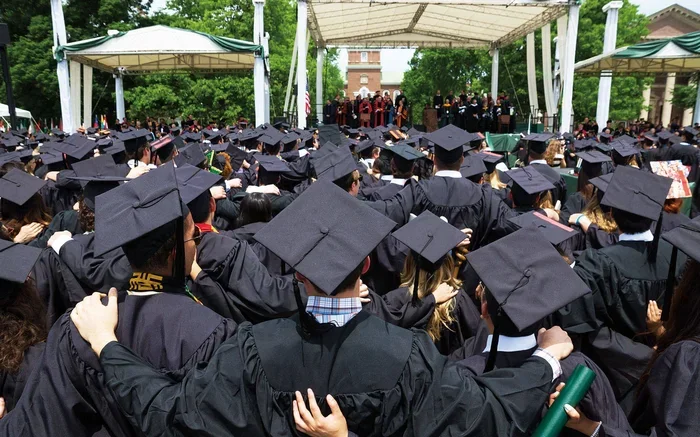
Higher education refers to any learning that goes beyond high school, including colleges, universities, and vocational programs. It opens doors to better careers, higher earnings, and personal growth. Understanding what higher education offers helps you make smart choices about your future.
So, what is higher education, really? At its core, higher education means any form of learning you pursue after finishing high school. It covers a wide range of programs, from two-year associate degrees to advanced doctoral studies. People often call it tertiary education or postsecondary education too.
Why does this matter so much? Because the choices you make about higher learning can shape your entire future. Your career path, your income, your social circle, and even your confidence can all trace back to the education you pursue after high school. Whether you are a recent graduate or someone thinking about going back to school, understanding higher education is the first step toward making smart decisions.
In this article, we will break down everything you need to know. We will look at the different types of programs, the real-world benefits, and how to pick the right path for you. Think of this as your friendly guide to everything college education and beyond. We will also share practical tips and honest insights to help you feel confident about your choices.
Key Takeaways
- Higher education boosts earning potential: College graduates typically earn more over their lifetimes than those without degrees.
- Multiple paths exist: From associate degrees to doctoral programs, there is a higher education option for nearly everyone.
- It builds critical thinking skills: University learning sharpens your ability to analyze, solve problems, and communicate effectively.
- Career opportunities expand greatly: Many jobs now require at least a bachelor’s degree or specialized training.
- Personal growth is a real benefit: Higher education helps you develop confidence, independence, and a broader worldview.
- Financial aid makes it accessible: Scholarships, grants, and loans can help manage tuition costs for students at all income levels.
📑 Table of Contents
What Is Higher Education?
Higher education is any formal learning that takes place after you complete secondary school, which is basically high school. It happens at colleges, universities, community colleges, trade schools, and even through online platforms. The goal is to deepen your knowledge in a specific field or help you gain skills for a career.
When people talk about higher learning, they are usually referring to programs that lead to a recognized credential. This could be a certificate, a diploma, or a degree. The level of study can vary a lot, and so can the time it takes to complete each program.
How Higher Education Differs from Other Types of Learning
Not all learning is the same. Higher education sits above primary and secondary schooling. Here is a simple way to think about it:
- Primary education: Basic reading, writing, and math (elementary school).
- Secondary education: Middle school and high school, building on foundational skills.
- Higher education: Specialized study in a chosen field, leading to a credential or degree.
What makes higher education unique is its depth and focus. You are not just learning general skills. You are diving deep into a subject area, whether that is engineering, nursing, business, or the arts. This focused approach is what gives academic programs their value in the job market.
Many people also use the phrase university learning when they talk about higher education. While not all higher education happens at universities, the term is widely understood and used around the world.
Types of Higher Education Programs
One of the best things about higher education is the variety. There is no one-size-fits-all option. Different programs suit different goals, budgets, and timelines. Let us look at the main types you can choose from.
Associate Degrees
An associate degree typically takes about two years to complete. You can earn one at a community college or a technical school. Common fields include nursing, web development, and business administration. Many people use an associate degree as a stepping stone toward a full bachelor’s program.
Bachelor’s Degrees
A bachelor’s degree is the most common type of college degree. It usually takes four years of full-time study. Bachelor’s programs offer a broad education in your chosen field, plus general courses in subjects like math and English. Employers often look for this degree as a minimum requirement for many professional roles.
Master’s Degrees and Graduate School
After earning a bachelor’s degree, some students choose to continue into graduate school. A master’s degree usually takes one to three additional years. It allows you to specialize deeply in a subject. Fields like psychology, business (MBA), and education often require or strongly prefer a master’s level of study.
Doctoral and Professional Degrees
At the top of the academic programs ladder, you find doctoral degrees like the PhD. These programs can take several years and involve original research. Professional degrees, such as those for medicine or law, also fall into this category. They prepare you for highly specialized careers.
Vocational and Certificate Programs
Not all higher education leads to a traditional degree. Vocational programs and certificate courses focus on specific skills. Think of welding, coding bootcamps, or medical assisting. These programs are often shorter and more affordable, making them a great option for quick career entry.
Why Higher Education Matters for Your Career
The connection between higher education and career success is strong and well-documented. Let us explore why investing in college education pays off in the long run.
Higher Earning Potential
Numbers do not lie. Studies consistently show that workers with a college degree earn significantly more over their lifetimes than those without one. According to the Bureau of Labor Statistics, median weekly earnings rise with each level of education completed. This earning gap has held steady for decades.
Of course, the field you choose matters too. Some degree programs lead to higher-paying careers than others. Engineering, computer science, and healthcare often rank at the top. But even in fields like education or the arts, a degree opens doors that might otherwise stay closed.
Greater Career Opportunities
Many job listings now require at least a bachelor’s degree. Without one, you may find your options limited. Higher education expands the range of careers you can pursue. It also makes you more competitive when applying for jobs, promotions, or professional licenses.
Beyond just getting hired, higher learning helps you grow within a career. Many management and leadership roles expect candidates to have completed advanced study. Your academic achievement signals to employers that you can commit to long-term goals and handle complex material.
Building a Professional Network
One benefit people sometimes overlook is networking. College and university environments connect you with classmates, professors, and industry professionals. These relationships can lead to job referrals, mentorship opportunities, and lifelong friendships. Your time in higher education is about more than textbooks.
The Benefits of Higher Education Beyond Jobs
Sure, career and earnings are huge reasons to pursue higher education. But the benefits go far beyond the paycheck. Let us look at the personal and social advantages.
Critical Thinking and Problem-Solving Skills
University learning trains your mind to think more clearly. You learn how to analyze information, spot flaws in arguments, and come up with creative solutions. These critical thinking skills apply to everyday life, not just your job. They help you make better decisions as a consumer, a citizen, and a family member.
When you compare how we talk about learning, you will find that similes for education often describe this growth process. Similarly, metaphors for education capture the transformative journey of gaining knowledge. And just as idioms for education reflect deep cultural attitudes about learning, your personal experience with higher education reshapes how you see the world.
Personal Growth and Confidence
Going through higher education challenges you in ways that build character. You learn to manage your time, meet deadlines, and handle pressure. These experiences boost your self-confidence and independence. Many graduates say that college education helped them grow into more capable and self-assured adults.
A Broader Worldview
College campuses bring together people from all backgrounds. You will meet classmates from different cultures, religions, and life experiences. This diversity exposes you to new ideas and perspectives. The result is a broader, more empathetic worldview that stays with you for life.
Health and Lifestyle Benefits
Research shows that people with more education tend to enjoy better health outcomes. They are more likely to have health insurance, live longer, and engage in healthier behaviors. While higher education is not a magic pill for wellness, the data on these lifestyle benefits is quite compelling.
How to Choose the Right Higher Education Path
With so many options available, picking the right path can feel overwhelming. Here are some practical steps to help you decide.
Start With Your Goals
Ask yourself what you want to achieve. Are you looking for a specific career, like nursing or accounting? Or do you want to keep your options open? Your goals should drive your choice of degree programs and institutions.
Consider Your Budget
Tuition costs vary widely. Public community colleges are generally the most affordable. Private universities can cost significantly more. But do not let sticker price scare you away. Many schools offer generous financial aid, including scholarships, grants, and work-study programs.
Here is a quick comparison of common options:
- Community College: Low cost, flexible schedules, great for starting your journey.
- Public University: Moderate cost, strong academic programs, larger class sizes.
- Private University: Higher cost, smaller class sizes, often generous financial aid.
- Online Programs: Flexible, affordable, ideal for working adults and parents.
Think About Delivery Format
Do you want to attend classes in person, or would you prefer online degrees? Both have real advantages. In-person learning offers face-to-face interaction and campus life. Online programs give you flexibility to study on your own schedule. Many schools now offer hybrid options that combine the best of both worlds.
Check Accreditation
Always verify that the institution and program are properly accredited. Accreditation ensures that your degree programs meet quality standards. It also matters for transferring credits and getting accepted into graduate school later. Look for regional accreditation as the gold standard.
Overcoming Common Challenges in Higher Education
Pursuing higher education is not always easy. But understanding the challenges ahead can help you prepare and overcome them.
Managing Tuition Costs
The rising cost of tuition costs is a real concern for many students and families. The good news is that you have options. Fill out the Free Application for Federal Student Aid (FAFSA) as early as possible. Explore scholarships from community organizations, employers, and the schools themselves. Many students also work part-time or attend school part-time to manage expenses.
Balancing School With Life
Juggling classes, work, and family responsibilities is tough. Time management becomes your most important skill. Create a weekly schedule, use a planner, and do not be afraid to ask for help. Most schools offer tutoring, counseling, and academic advising services. Professional development does not have to mean doing everything alone.
Staying Motivated
There will be days when you feel like giving up. That is completely normal. Stay connected to your “why.” Remind yourself of the career advancement and personal growth that await you. Join study groups, connect with classmates, and celebrate small wins along the way.
Dealing with Academic Pressure
Academic achievement matters, but it should not come at the cost of your well-being. Reach out to professors during office hours if you are struggling. Use campus writing centers and tutoring labs. Remember that asking for help is a sign of strength, not weakness. Student life is about balance as much as it is about grades.
Conclusion
Higher education is one of the most impactful investments you can make in yourself. It opens doors to better careers, higher earnings, and richer personal growth. Whether you choose a two-year associate degree, a four-year bachelor’s degree, or a specialized vocational program, the benefits are real and lasting.
The journey through higher learning is not always smooth. There are challenges with costs, time management, and staying motivated. But with the right plan and support, these obstacles are completely manageable. Every step you take in higher education brings you closer to the life you want to build.
So take that first step. Explore your options, talk to advisors, and start planning your path. Your future self will thank you for the investment you make today in higher education.
Frequently Asked Questions
What exactly counts as higher education?
Higher education includes any formal learning after high school. This covers colleges, universities, community colleges, trade schools, and online programs. Any program that leads to a recognized credential, such as a degree or certificate, qualifies as higher education. It is sometimes called tertiary or postsecondary education.
How long does it take to complete higher education?
The timeline depends on the type of program. An associate degree takes about two years. A bachelor’s degree usually takes four years. Master’s programs add one to three more years, and doctoral programs can take several additional years. Online degrees and part-time options may extend these timelines but offer more flexibility.
Is higher education worth the cost?
For most people, yes. Studies show that graduates earn significantly more over their lifetimes. Higher education also leads to better job security, more career options, and strong personal benefits like critical thinking skills and confidence. Many schools offer financial aid that can greatly reduce the actual cost you pay.
Can I pursue higher education if I already have a full-time job?
Absolutely. Many institutions now offer online degrees and evening classes designed for working adults. Part-time enrollment is another option that lets you balance work and study. Some employers even offer tuition reimbursement programs. Professional development through higher education is very achievable while working.
What is the difference between college and university?
In everyday language, people use these terms interchangeably. A college typically offers undergraduate degrees, while a university offers both undergraduate and graduate programs, including master’s and doctoral degrees. Universities are often larger and may include research facilities. Both provide higher education that leads to recognized credentials.
Do I need a bachelor’s degree to succeed in my career?
It depends on your chosen field. Many professional careers require at least a bachelor’s degree. However, skilled trades and technical fields often value certifications and vocational training just as highly. Career advancement is possible through multiple paths in higher education. The best choice is the one that aligns with your specific career goals.


