
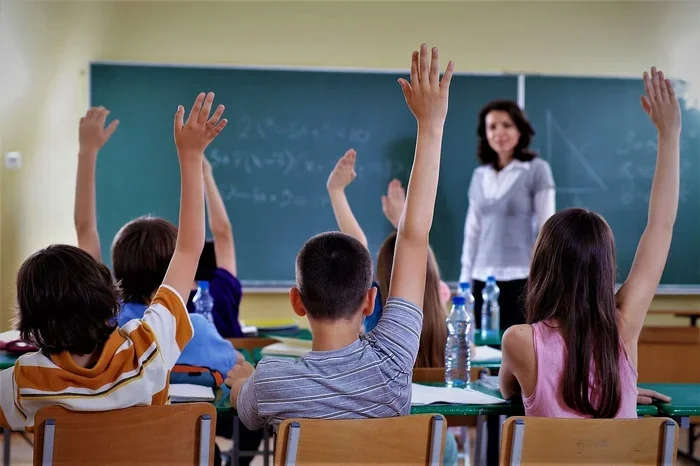
Formal education refers to the structured, curriculum-based learning that takes place in accredited institutions like schools and universities. It involves certified teachers, standardized lessons, and recognized credentials such as degrees and diplomas. Understanding formal education meaning helps you see how organized learning builds skills, opens career doors, and shapes society. This guide breaks down everything you need to know about formal education and why it continues to matter in modern life.
Have you ever stopped to think about what formal education actually means? Most of us spend years inside classrooms, but we rarely pause to understand the bigger picture. Formal education is more than just attending school. It is a structured system designed to teach specific skills, knowledge, and values through a planned curriculum.
In simple terms, formal education refers to the organized learning process that happens in schools, colleges, and universities. It follows a set schedule, uses trained teachers, and ends with recognized credentials. Whether you are earning a high school diploma or a university degree, you are participating in formal education. This system has shaped societies for centuries and continues to play a vital role in how people grow and succeed.
So why does understanding formal education meaning matter? Because it helps you see the value of structured learning in a world full of distractions and shortcuts. When you know how the system works, you can make better choices about your own learning journey. Let us dive deeper into what makes formal education so important and how it impacts everyday life.
Key Takeaways
- Definition: Formal education is structured, curriculum-based learning delivered by certified teachers in accredited institutions.
- Key Components: It includes classrooms, lesson plans, standardized assessments, and recognized credentials like degrees and diplomas.
- Benefits: Formal education builds critical thinking, expands career opportunities, and develops social skills through organized learning environments.
- Structure: It follows a clear progression from primary school through secondary school and into higher education institutions.
- Still Relevant: Despite the rise of alternative learning paths, formal education remains a cornerstone of personal and professional development.
- Challenges: Cost, accessibility, and rigid structures are common hurdles that learners face in the formal education system.
- Future Outlook: Technology is reshaping formal education, making it more accessible and flexible for learners worldwide.
📑 Table of Contents
- What Is Formal Education? A Clear Definition
- Why Formal Education Still Matters Today
- The Key Components of a Formal Education System
- The Benefits of Formal Education
- Challenges in Formal Education
- The Future of Formal Education
- Common Mistakes People Make About Formal Education
- How to Make the Most of Formal Education
- Conclusion
What Is Formal Education? A Clear Definition
At its core, formal education is learning that follows an organized framework. It happens in recognized institutions where trained educators guide students through a set curriculum. This is different from informal learning, which might happen at home, through life experiences, or by self-study.
Here are the key features that define formal education:
- Structured Curriculum: Lessons follow a planned sequence of topics and learning goals.
- Certified Teachers: Educators have received training and hold qualifications to teach specific subjects.
- Accredited Institutions: Schools and universities must meet standards set by educational authorities.
- Standardized Assessments: Students are tested and evaluated through exams, grades, and other measures.
- Recognized Credentials: Completion leads to diplomas, certificates, or degrees that employers and institutions accept.
- Scheduled Learning: Classes happen at set times, following a calendar or academic year.
The formal education definition might sound simple, but the system behind it is complex. It involves governments, school boards, curriculum designers, and educators working together to create a consistent learning experience for millions of students. This structure ensures that no matter where you live, certain educational standards are met.
The Building Blocks of Formal Education
Understanding the layers of formal education helps you see how it all fits together. Each level builds on the one before it, creating a strong foundation for lifelong learning.
Primary Education: This is the first stage, usually for children ages 5 to 11. It focuses on basic literacy, numeracy, and social skills. Students learn reading, writing, math, and introductory science in a classroom setting with a single teacher guiding them through most subjects.
Secondary Education: This stage covers ages 12 to 18 and is often divided into middle school and high school. Students begin to explore more specialized subjects. They might choose between academic tracks or vocational programs. By the end of secondary school, students earn a diploma or certificate that qualifies them for further study or entry-level jobs.
Higher Education: This includes colleges, universities, and vocational schools. Students pursue associate degrees, bachelor’s degrees, master’s degrees, and doctoral programs. Higher education allows people to specialize in fields like medicine, engineering, law, or the arts. It often leads to better career opportunities and higher earning potential.
Why Formal Education Still Matters Today
Some people question whether traditional schooling is still relevant. After all, we live in an age of online tutorials, YouTube videos, and self-paced learning platforms. But formal education remains deeply important for several reasons.
First, it provides a structured learning environment. Not everyone thrives when left to learn on their own. Formal education gives students a clear path, regular feedback, and accountability. Teachers guide learners through difficult topics, answer questions, and adapt lessons to meet different needs.
Second, formal education opens doors to careers. Most employers require at least a high school diploma. Many professional jobs demand a college degree or specialized certification. Without these credentials, job opportunities can be limited. A formal degree signals to employers that a candidate has met certain standards of knowledge and competence.
Third, formal education builds more than job skills. It teaches critical thinking, problem-solving, teamwork, and communication. These are called soft skills, and they matter just as much as technical knowledge. When students work on group projects, participate in class discussions, or tackle challenging assignments, they develop abilities that serve them for life.
Finally, formal education promotes social mobility. It gives people from all backgrounds a chance to learn, grow, and compete on a level playing field. A strong education system can reduce inequality and create opportunities for communities that might otherwise be left behind.
Formal Education vs. Informal Education
To truly understand formal education, it helps to compare it with informal learning. Both have value, but they serve different purposes.
Formal education is organized, measured, and credentialed. Informal education happens naturally through daily life, hobbies, conversations, and self-directed study. For example, learning to cook from your grandmother is informal. Taking a certified culinary course at a community college is formal.
Neither is better than the other. But formal education offers structure, recognition, and a foundation that informal learning alone may not provide. The best learners often combine both approaches.
The Key Components of a Formal Education System
A well-functioning formal education system depends on several essential components. Let us look at each one in detail.
Curriculum and Standards
The curriculum is the roadmap for learning. It outlines what students should know and be able to do at each grade level. Curriculum standards ensure consistency across schools and regions. They cover subjects like math, science, language arts, social studies, and physical education.
In many countries, governments set these standards. Local school boards then adapt them to fit community needs. A strong curriculum balances core academics with creative and physical development. It also evolves over time to reflect new knowledge and societal needs.
Teachers and Educators
Teachers are the heart of any formal education system. They do more than deliver lectures. They mentor, motivate, and inspire students. A great teacher can change the direction of a young person’s life.
Certified teachers undergo extensive training. They learn how to manage classrooms, design lessons, assess student progress, and support diverse learners. In formal education, teachers hold a position of trust and responsibility. They are the bridge between a curriculum and the students who need to learn it.
Assessments and Credentials
Testing is a core part of formal education. Assessments measure how much students have learned and where they need more help. Common types include:
- Formative Assessments: Ongoing checks like quizzes and classwork that guide daily instruction.
- Summative Assessments: End-of-unit or end-of-year exams that evaluate overall learning.
- Standardized Tests: Uniform exams that compare student performance across schools or regions.
- Portfolios and Projects: Collections of student work that show growth and skill development over time.
When students complete a level of study, they earn credentials. These might be a high school diploma, an associate degree, a bachelor’s degree, or a professional license. Credentials matter because they are proof of learning that others can verify and trust.
The Benefits of Formal Education
Formal education brings a wide range of benefits that extend far beyond the classroom. Let us explore the most significant advantages.
Career Opportunities
One of the biggest reasons people pursue formal education is to improve their career prospects. A degree or certification opens doors to jobs that might otherwise be out of reach. Many industries require specific qualifications before they will hire someone. Formal education gives you the credentials that make those doors swing open.
Beyond getting hired, formal education also helps with career growth. People with higher levels of education often qualify for promotions, leadership roles, and higher salaries. Employers value candidates who have demonstrated the discipline and commitment needed to complete a formal program.
Personal Development
Formal education shapes who you are as a person. It teaches you how to think critically, solve problems, and communicate clearly. These skills apply to every area of life, from managing finances to raising children to making informed decisions as a citizen.
School also provides a space for personal exploration. Students discover new interests, develop talents, and learn about cultures and ideas different from their own. This broadens perspectives and builds empathy. In many ways, formal education is as much about character development as it is about academic achievement.
Social Connections
School is one of the first places where young people build friendships and social networks. These relationships can last a lifetime. Classmates, teachers, and mentors all play a role in shaping your social world.
Learning to work with others is a key part of formal education. Group projects, team sports, and class discussions teach collaboration and conflict resolution. These social skills are invaluable in the workplace and in personal relationships.
Economic Stability
Statistics consistently show that people with more formal education tend to earn higher incomes. They also experience lower unemployment rates. Education is one of the most reliable paths to economic stability and financial independence.
On a broader scale, educated communities tend to be healthier, safer, and more prosperous. Investing in formal education benefits not just individuals but entire societies. This is why governments around the world prioritize public schooling and university funding.
Challenges in Formal Education
Formal education is not perfect. It faces real challenges that affect students, teachers, and communities. Understanding these problems is the first step toward solving them.
Cost and Accessibility
One of the biggest barriers to formal education is cost. Tuition fees, textbooks, and supplies can be expensive. In many countries, higher education is out of reach for low-income families. This creates a cycle where those who can least afford it are the ones who miss out on the greatest benefits.
Accessibility is another concern. Rural areas may lack quality schools. Students with disabilities may face physical or logistical barriers. And in some regions, cultural norms or economic pressures keep children out of classrooms, especially girls.
Rigidity and One-Size-Fits-All Approach
Formal education follows a set curriculum and timeline. This can be a problem for students who learn at different speeds or have different interests. A student who thrives in hands-on learning might struggle in a lecture-based classroom. A creative thinker might feel constrained by rigid testing standards.
While structure has its benefits, too much rigidity can leave some students behind. The challenge for educators and policymakers is to maintain standards while also making room for individual growth and diverse learning styles.
Outdated Curricula
The world changes fast, but curricula sometimes do not keep up. Students may graduate with skills that do not match what employers need. Subjects like technology, digital literacy, and financial planning are often underrepresented in traditional programs. Updating curricula takes time, money, and political will.
The Future of Formal Education
Formal education is evolving. Technology, changing workforce needs, and new research on how people learn are reshaping the system. Here are some trends to watch.
Technology and Online Learning
Digital tools are transforming how formal education is delivered. Online courses, virtual classrooms, and learning management systems make education more flexible and accessible. Students can now earn degrees from universities thousands of miles away without ever leaving home.
However, technology is not a replacement for quality teaching. The best formal education combines digital tools with human connection. A screen cannot replace the encouragement of a caring teacher or the energy of a lively classroom discussion. The future will likely blend the best of both worlds.
Focus on Skills and Real-World Application
Employers increasingly value practical skills alongside academic knowledge. This shift is pushing formal education toward more project-based learning, internships, and real-world problem-solving. Students are expected not just to memorize facts but to apply what they learn in meaningful ways.
This trend is also visible in the growing popularity of vocational training, apprenticeships, and hybrid programs that combine classroom learning with hands-on experience. These models show that formal education can be both rigorous and practical.
Lifelong Learning
The idea that education ends after graduation is fading. Today, many professionals return to school throughout their careers to update skills or switch fields. Formal education is becoming less of a one-time event and more of a lifelong journey. Institutions are responding by offering flexible programs, micro-credentials, and continuing education options for adults.
Common Mistakes People Make About Formal Education
Let us clear up a few misconceptions that often get in the way of understanding formal education.
- Mistake 1: Thinking formal education is the only path to success. Many successful people are self-taught or learned through informal routes. Formal education helps, but it is not the only way to build skills and achieve goals.
- Mistake 2: Equating degrees with intelligence. A degree shows that someone completed a program. It does not measure creativity, wisdom, or character. Both formally educated and self-taught individuals bring unique strengths to the table.
- Mistake 3: Ignoring the value of soft skills. Grades and test scores matter, but skills like communication, teamwork, and adaptability are equally important. Employers look for both.
- Mistake 4: Assuming all formal education is the same. The quality of programs varies widely. Accreditation, faculty expertise, and resources all play a role in the value of a degree or certificate.
How to Make the Most of Formal Education
If you are currently in school or planning to return to study, here are some tips to get the most out of your experience.
- Stay curious. Ask questions and go beyond the minimum requirements. Curiosity drives deeper learning.
- Build relationships. Connect with teachers, classmates, and mentors. These relationships can lead to opportunities and support throughout your career.
- Seek feedback. Use grades and teacher comments as tools for growth, not just numbers on a page.
- Balance academics with extracurriculars. Join clubs, volunteer, or take on leadership roles. These experiences build skills that classrooms alone cannot teach.
- Think about the future. Choose subjects and programs that align with your career goals, but also explore new areas. You might discover a passion you never expected.
Remember, formal education is what you make of it. The system provides the structure and the resources. Your effort, curiosity, and engagement determine the outcome. When you take ownership of your learning, formal education becomes a powerful tool for personal and professional growth.
Learning does not have to be boring. In fact, incorporating creative methods like using similes for education can make lessons more vivid and memorable. Similarly, exploring metaphors for education can deepen understanding and spark new perspectives. Even learning idioms for education can enrich your language skills and help you communicate more effectively in academic and professional settings. These small additions to your study routine can make a big difference in how you engage with formal learning.
Ultimately, formal education is about more than just passing tests. It is about building a foundation for a meaningful, productive life. Whether you are a young student just starting out or an adult returning to study, the investment in structured learning pays dividends for years to come.
Conclusion
Formal education is the structured, organized system of learning that takes place in schools, colleges, and universities. It provides a clear path from early childhood through advanced studies, guided by certified teachers and backed by recognized credentials. The formal education definition may seem straightforward, but its impact on individuals and societies is profound.
Despite the rise of alternative learning methods, formal education remains a cornerstone of personal development, career success, and social progress. It builds skills, opens doors, and creates opportunities that might otherwise be out of reach. The challenges are real, but the future of formal education looks bright as it adapts to new technologies and changing needs.
If you are currently in the formal education system, embrace it. If you are considering returning to study, take the leap. And if you are supporting someone else’s learning journey, encourage them to see the value in structured education. Formal education is not just a path to a diploma. It is a path to a better, more fulfilling life.
Frequently Asked Questions
What is the formal education meaning in simple terms?
Formal education is structured learning that takes place in recognized institutions like schools and universities. It follows a planned curriculum, is taught by certified teachers, and ends with a diploma, degree, or certificate. In short, it is the organized, official path of learning that most people follow from childhood through adulthood.
What is the difference between formal and informal education?
Formal education is organized, curriculum-based, and takes place in accredited institutions with trained teachers. Informal education happens naturally through daily life, self-study, hobbies, or conversations. Both are valuable, but formal education offers structure, credentials, and recognized standards that informal learning typically does not provide.
Why is formal education still important in the digital age?
Even with countless online resources available, formal education provides structure, accountability, and recognized credentials that employers and institutions trust. It also builds critical thinking, social skills, and discipline that go beyond just acquiring information. Digital tools enhance formal education but do not replace the value of a structured learning environment.
Can you succeed without formal education?
Yes, many successful people have built careers without formal degrees. However, formal education significantly expands opportunities and provides a recognized foundation of knowledge and skills. It is one of the most reliable paths to stable employment, higher income, and long-term career growth.
What are the main levels of formal education?
The main levels are primary education (elementary school), secondary education (middle and high school), and higher education (college and university). Each level builds on the previous one and leads to increasingly advanced credentials and career opportunities.
How does formal education benefit society as a whole?
Formal education reduces inequality, promotes economic growth, and creates informed citizens. Educated communities tend to be healthier, safer, and more prosperous. Governments invest in formal education because it benefits not just individuals but entire societies by building a skilled and engaged workforce.


