
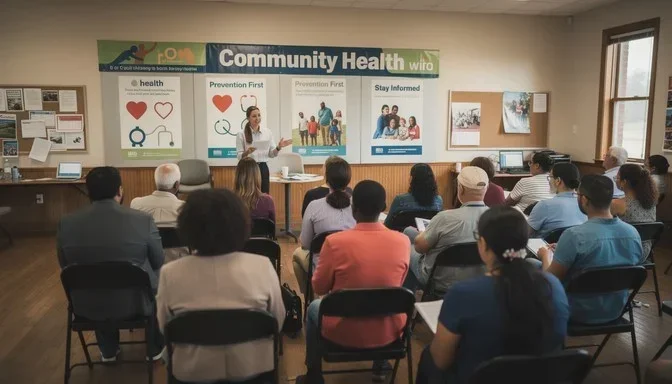
Community health education is the process of teaching people how to improve their health and well-being within their local environments. It focuses on spreading knowledge, building healthy habits, and connecting communities with the resources they need. This guide covers what community health education really means, how it works, and why it matters for everyone.
When we talk about community health education, we are describing something powerful. It is the act of sharing health knowledge with groups of people in their own neighborhoods, schools, and workplaces. The goal is simple but huge: help everyone live healthier lives by giving them the right information and tools.
Think about it this way. Not everyone has equal access to doctors, hospitals, or health information. Some communities face barriers that others never have to think about. Community health education steps in to fill that gap. It brings health awareness directly to the people who need it most.
In this article, we will break down exactly what community health education means, how it works in practice, and why it is one of the most important pieces of the public health puzzle. Whether you are a student, a health worker, or just someone who cares about wellness, you will find useful insights here.
Key Takeaways
- Empowers Communities: Community health education gives people the knowledge to make better health decisions every day.
- Reduces Health Disparities: It helps close gaps in care and access across different populations.
- Prevents Disease: Teaching preventive care and wellness habits saves lives and reduces costs.
- Builds Health Literacy: It helps people understand health information and use it effectively.
- Requires Community Engagement: Success depends on trust, participation, and local leadership.
- Supports Long-Term Wellness: The benefits extend far beyond individual health to entire neighborhoods.
📑 Table of Contents
- What Is Community Health Education?
- The Core Goals of Community Health Education
- How Community Health Education Works in Real Life
- The Benefits of Community Health Education
- Common Challenges in Community Health Education
- How to Get Involved in Community Health Education
- The Future of Community Health Education
What Is Community Health Education?
Community health education is a field of public health that focuses on teaching people about health topics within their own communities. It is not just about handing out brochures or giving a lecture. It is about building trust, understanding local needs, and creating lasting change.
The idea behind this approach is that people learn best when the information feels relevant to their lives. A message about disease prevention lands differently when it comes from someone who understands the local culture, language, and daily challenges. That is what makes community health education so effective.
The Definition in Simple Terms
At its core, community health education means helping people understand how to stay healthy. It covers topics like nutrition, exercise, mental wellness, and avoiding risky behaviors. But it goes deeper than that. It also teaches people how to navigate the health system, find resources, and advocate for their own well-being.
The health literacy of a community plays a big role here. When people can read, understand, and act on health information, outcomes improve. That is exactly what good education programs aim to do. They build skills and confidence step by step.
How It Differs from Traditional Health Education
Traditional health education often happens in classrooms or clinics. It follows a standard curriculum. Community health education is different. It meets people where they are. This might mean hosting a workshop at a local church, setting up a booth at a farmer’s market, or organizing a walking group in a neighborhood park.
The setting matters. When learning happens in familiar, comfortable spaces, people are more likely to engage. They are also more likely to remember what they learned and actually use it in their daily lives.
The Core Goals of Community Health Education
Every community health education program has a mission. That mission usually includes several key goals. Let us look at the most important ones.
1. Spreading Public Health Awareness
The first goal is to make sure people know about health risks and how to avoid them. This includes information about preventive care, such as vaccines, screenings, and healthy lifestyle choices. When communities understand what threatens their health, they can take action early.
For example, a health campaign in a neighborhood with high rates of diabetes might focus on nutrition education and regular check-ups. The message is tailored to the community’s specific needs. That is what makes it work.
2. Improving Health Equity
Not everyone starts from the same place. Some groups face more health challenges because of poverty, location, or discrimination. Community health education aims to level the playing field. It ensures that all people, regardless of background, have access to life-saving knowledge.
Addressing health disparities is a major focus. Programs often target underserved areas where health resources are scarce. By bringing education directly to these communities, we can start closing the gap.
3. Encouraging Healthy Behaviors
Knowledge alone does not change behavior. But when people understand why a behavior matters, they are more likely to act on it. Good community health education programs do more than share facts. They inspire people to make real changes.
This might mean encouraging people to quit smoking, eat more vegetables, or seek mental health support. The approach always respects the community’s values and lived experiences.
How Community Health Education Works in Real Life
Theory is one thing. Practice is another. Let us look at how community health education actually unfolds on the ground.
The Role of Community Health Workers
At the heart of many successful programs are community health workers. These are people who live in the communities they serve. They understand the local language, culture, and challenges. They act as a bridge between residents and health professionals.
These workers might organize wellness education sessions, distribute informational materials, or connect families with local clinics. Their trusted status makes them incredibly effective. People are more likely to listen to someone they know and respect.
Common Program Formats
Community health education takes many shapes. Here are some of the most common formats you will see:
- Workshops and seminars held at local centers or schools
- One-on-one counseling sessions with health educators
- Health fairs that offer free screenings and information
- Peer education programs where community members teach each other
- Digital campaigns using social media and local radio
Each format has its strengths. The best programs often use a mix of approaches to reach the widest audience possible. They also measure results to see what is working and what needs adjustment.
Building Community Engagement
You cannot have community health education without genuine community engagement. People need to feel like participants, not just recipients. When community members help design and lead programs, the impact is far greater.
Successful community-based learning starts with listening. Educators need to understand what the community cares about, what challenges they face, and what kind of support would be most helpful. This bottom-up approach builds ownership and sustainability.
The Benefits of Community Health Education
The advantages of investing in community health education go well beyond individual health. Let us explore the wide-ranging benefits.
Better Health Outcomes
When people have access to accurate health information, they make better decisions. They are more likely to seek early treatment, follow preventive care guidelines, and adopt healthy habits. Over time, this leads to measurable improvements in community health outcomes.
Studies show that communities with strong health promotion programs see lower rates of chronic disease. They also experience fewer emergency room visits and hospitalizations. The return on investment is significant.
Stronger Social Connections
Community health education does more than teach facts. It brings people together. When neighbors learn side by side, bonds form. These social connections support overall well-being in ways that go beyond physical health.
Feeling connected to a community also reduces stress and loneliness. Both of these factors play a major role in mental health. So the benefits ripple outward in powerful ways.
Cost Savings for the Health System
Prevention is always cheaper than treatment. Community health education helps reduce the burden on hospitals and clinics by keeping people healthier before they need medical care. This is especially important in areas where health resources are limited.
When people understand how to manage conditions like high blood pressure or asthma at home, they rely less on emergency services. That saves money for everyone.
Common Challenges in Community Health Education
It is not all smooth sailing. Community health education faces real obstacles that program planners must navigate.
Limited Funding and Resources
Many programs operate on tight budgets. This limits the reach and quality of what they can offer. Funding cuts are a constant threat. Educators often have to do more with less, which can lead to burnout and program gaps.
Creative solutions help. Partnerships with local organizations, volunteer networks, and small grants can stretch resources further. But the need always seems to outpace the funding.
Cultural and Language Barriers
Communities are diverse. A one-size-fits-all approach to health communication simply does not work. Educators must be sensitive to cultural differences, language needs, and varying levels of trust in health institutions.
Some communities have historical reasons to be wary of outside health messages. Building that trust takes time, patience, and genuine respect. It cannot be rushed.
Measuring Impact
How do you know if a community health education program actually works? Measuring outcomes can be tricky. Changes in health behavior often happen slowly. And many factors beyond education influence health results.
Good programs use surveys, health data tracking, and community feedback to assess progress. They stay flexible and adjust their approach based on what the evidence shows.
How to Get Involved in Community Health Education
If you are excited about community health education and want to be part of it, there are many ways to do so. You do not need a medical degree to make a difference.
Becoming a Community Health Educator
Many community health workers start with a passion for helping others and a willingness to learn. Training programs are available through universities, health departments, and nonprofit organizations. These programs teach the skills needed to plan, deliver, and evaluate health education programs.
You will learn about population health, effective communication strategies, and how to work respectfully with diverse groups. It is a rewarding career path for anyone who wants to give back.
Volunteering Your Time
Not ready for a full career change? Volunteering is a great way to contribute. You can help organize health fairs, lead walking groups, or assist with wellness education events in your neighborhood.
Even small efforts matter. Teaching a neighbor how to read a nutrition label or sharing information about free local clinics can change someone’s health trajectory. Every bit counts.
Supporting Local Health Organizations
Another way to help is by supporting organizations that do this work. You might donate, attend their events, or share their messages on social media. Amplifying the work of local health outreach programs helps them reach more people.
Look for groups in your area that focus on community wellness. They often need volunteers, sponsors, and advocates. Your support can help them grow and serve more families.
The Future of Community Health Education
The field of community health education is evolving. New technologies, changing health challenges, and shifting social needs are reshaping how education happens. Let us look at what the future holds.
Digital tools are playing a bigger role. Mobile apps, online courses, and social media campaigns are expanding the reach of health promotion efforts. These tools make it easier to deliver wellness education to people who might not otherwise have access.
At the same time, the importance of trusted human connection remains. Technology should support, not replace, the personal relationships that make community health education effective. The best programs will blend digital innovation with genuine human engagement.
There is also growing recognition that social determinants of health shape outcomes just as much as medical care. Future programs will likely focus more on addressing root causes like housing, food access, and economic opportunity. This broader view will make community health education even more powerful and equitable.
Why It Matters Now More Than Ever
The past few years showed us how fragile public health can be. Communities that were prepared with strong health literacy and community engagement fared better during health crises. Investing in education today builds resilience for tomorrow.
When we teach people how to protect their own health and the health of those around them, we create a stronger, healthier society for everyone. That is the real power of community health education.
As the saying goes, it takes a village. And community health education is how that village learns, grows, and thrives together. Whether through health campaigns, local workshops, or simple conversations between neighbors, every effort adds up. The goal is a world where everyone has the knowledge and opportunity to live their healthiest life.
So the next time you see a health fair in your neighborhood or a wellness workshop at your local library, pay attention. That is community health education in action. And it matters more than you might think.
Language shapes how we understand and talk about health. Just as similes for community help us describe shared experiences in vivid ways, community health education helps us share vital health knowledge in ways that resonate. Similarly, idioms for community capture the spirit of togetherness that drives effective health programs. And metaphors for community remind us that a healthy community is like a living organism, where every part plays a role in the whole.
Frequently Asked Questions
What exactly is community health education?
Community health education is the process of teaching people in a specific area about health topics that affect their lives. It focuses on prevention, wellness, and making health information accessible to everyone. The goal is to improve health outcomes by building knowledge and skills at the community level.
Who delivers community health education programs?
These programs are often delivered by trained community health workers, public health educators, nurses, and local nonprofit organizations. Sometimes they are led by peer educators who live in the community and understand its unique needs. The key is that the educators are trusted and relatable.
Why is community health education important for reducing health disparities?
Many health disparities exist because certain groups lack access to information and resources. Community health education directly addresses this gap by bringing knowledge to underserved areas. It empowers people to take control of their health, regardless of their background or circumstances.
What topics are typically covered in community health education?
Programs often cover nutrition, physical activity, disease prevention, mental health awareness, and substance abuse prevention. They may also address chronic disease management, reproductive health, and how to navigate the healthcare system. The topics are chosen based on what the community needs most.
How can someone start a community health education program in their area?
Start by identifying the most pressing health needs in your community. Partner with local organizations, schools, or faith groups. Secure funding through grants or donations. And most importantly, involve community members in planning and delivering the program. Their input ensures the program is relevant and effective.
Can community health education really improve long-term health outcomes?
Yes, research consistently shows that well-designed community health education programs lead to better health outcomes over time. They reduce emergency room visits, improve management of chronic conditions, and encourage preventive care. The key is consistency, cultural relevance, and sustained community engagement.
=== CONCLUSION ===
Community health education is one of the most powerful tools we have for building healthier, more resilient communities. It bridges gaps in access, improves health literacy, and empowers people to take charge of their own well-being. From local workshops to digital campaigns, the impact reaches far beyond the classroom or clinic.
The benefits are clear. Better health outcomes, stronger social bonds, and meaningful cost savings for the entire health system. But none of this happens without investment, trust, and genuine community engagement. The programs that work best are the ones that listen first and act second.
If you care about health equity and want to make a real difference, community health education is where to start. Whether you become an educator, a volunteer, or simply a more informed neighbor, your efforts matter. Every conversation, every workshop, and every shared piece of knowledge brings us closer to a healthier world for all.


