
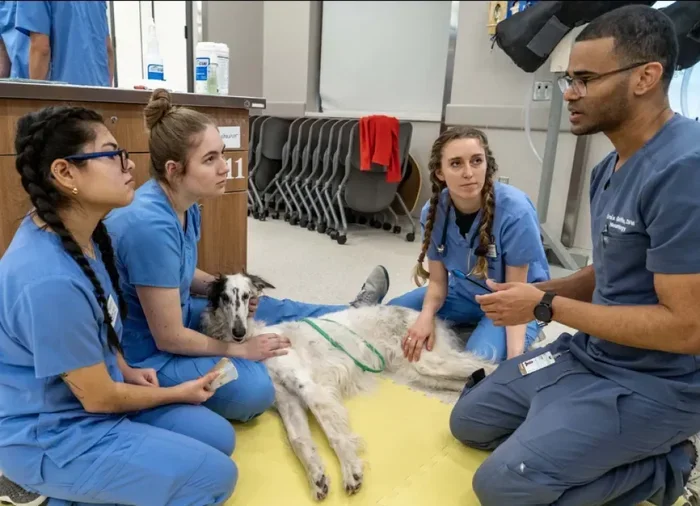
The education needed to become a veterinarian is rigorous and rewarding. You must complete undergraduate pre-veterinary courses, earn a Doctor of Veterinary Medicine degree, and pass licensing exams. This path typically takes seven to nine years of dedicated study and hands-on training.
The path to becoming a veterinarian starts with a clear understanding of the education needed to become a veterinarian. It is not a short journey. It requires years of focused study, hands-on training, and a genuine love for animals. If you have dreamed of caring for animals as a career, knowing the steps ahead can help you plan effectively.
The road from curious animal lover to licensed veterinarian is well-defined but demanding. You will spend time in undergraduate classrooms, then move on to a professional doctoral program. After that, licensing exams and possible specializations await. Each step builds on the last. Think of it like learning a language. Just as similes for education compare learning to journeys and growth, your path to becoming a vet is a climb with clear milestones along the way.
Many people underestimate how much science and clinical work goes into veterinary training. It is not just about loving animals. You must master subjects like anatomy, pharmacology, and pathology. You also need strong communication skills because you will work with pet owners every day. This guide breaks down every stage of the education needed to become a veterinarian so you know exactly what to expect.
Key Takeaways
- Undergraduate Prep Is Essential: You need a strong foundation in biology, chemistry, and animal science before applying to vet school.
- Doctor of Veterinary Medicine Degree Is Required: This professional doctorate is the core credential every veterinarian must earn.
- Licensing Exams Are Mandatory: Passing the NAVLE and meeting state requirements is non-negotiable for practice.
- Specializations Add Years of Training: Board-certified specialties require residencies and fellowships beyond the DVM degree.
- The Journey Takes Seven to Nine Years: From undergraduate studies through licensing, becoming a vet demands serious commitment.
- Hands-On Clinical Experience Matters: Veterinary school includes rotations that build real-world skills before graduation.
- Continuing Education Keeps You Current: Licensed vets must complete ongoing learning to maintain their credentials.
📑 Table of Contents
- The Foundation: Pre-Veterinary Education Requirements
- Getting Into Veterinary School
- The Doctor of Veterinary Medicine Degree
- Licensing and Certification
- Specializations and Advanced Training
- How Long Does It Take to Become a Veterinarian?
- Costs and Financial Considerations
- Skills You Develop Through Veterinary Education
- The Future of Veterinary Education
- Conclusion
The Foundation: Pre-Veterinary Education Requirements
Before you can enter veterinary school, you must complete undergraduate studies. This phase is often called pre-veterinary education. It typically takes four years at a college or university. During this time, you build the scientific knowledge that vet schools expect from every applicant.
What Subjects Should You Focus On?
Veterinary schools look for strong coursework in the sciences. The most important subjects include:
- Biology: Understanding living organisms is the bedrock of veterinary medicine.
- General Chemistry: You need to understand chemical processes in animal bodies.
- Organic Chemistry: This builds on general chemistry and is often a required course.
- Physics: Physics helps you understand biomechanics and medical equipment.
- Animal Science or Animal Biology: Direct exposure to animal physiology gives you a head start.
- Mathematics and Statistics: Data analysis skills matter in research and diagnostics.
- English and Communication: Vets must explain diagnoses clearly to pet owners.
Most veterinary schools require a specific number of credit hours in these subjects. Check the requirements of your target schools early. Some programs accept students without a full bachelor’s degree, but most prefer candidates who have completed one. Maintaining a strong GPA, especially in science courses, greatly improves your chances.
Choosing the Right Undergraduate Program
Not all college programs are equal when it comes to preparing for vet school. Look for schools that offer strong pre-veterinary advising. A good advisor helps you map out the exact courses you need. They also guide you toward research opportunities and animal-related volunteer work.
You do not need to major in animal science, though it helps. Many successful veterinary students majored in biology, chemistry, or even English. What matters most is completing the required prerequisite courses with strong grades. Education needed to become a veterinarian starts with smart choices at the undergraduate level.
Also, gain practical experience early. Volunteer at animal shelters, work at veterinary clinics, or shadow a practicing vet. These experiences strengthen your application and confirm your career choice. Admissions committees value real-world exposure alongside academic records.
Getting Into Veterinary School
Admission to veterinary school is competitive. Each year, thousands of students apply, but seats are limited. Understanding the process helps you stand out as a strong candidate.
Application Requirements and Process
Most veterinary schools in the United States use the Veterinary Medical College Application Service, known as VMCAS. This centralized application system simplifies the process. You submit one application that many schools can review. Here is what you typically need:
- A completed bachelor’s degree or proof of pending completion
- Official transcripts from all colleges attended
- Scores from the Graduate Record Examination (GRE), though some schools have dropped this requirement
- Letters of recommendation from professors and practicing veterinarians
- A personal statement explaining your motivation for pursuing veterinary medicine
- Documented animal health care experience
The personal statement is your chance to shine. Share your story. Explain why animal health care is your calling. Be specific about experiences that shaped your decision. Vague statements do not impress admissions committees.
What Admissions Committees Look For
Admissions committees evaluate more than just grades. They want well-rounded candidates who show promise in clinical settings. Key factors include:
- Academic Performance: Strong GPA, especially in science prerequisites.
- Veterinary Experience: Hours spent working directly with animals in clinical or research settings.
- Leadership and Extracurriculars: Involvement in pre-vet clubs, volunteer organizations, or community service.
- Communication Skills: How well you articulate your goals and experiences.
- Diversity of Experience: Exposure to different species, practice settings, and challenges.
Think of the admissions process like building a story. Each experience you list adds a chapter. Just as metaphors for education paint vivid pictures of learning journeys, your application should paint a compelling picture of your dedication to veterinary medicine.
The Doctor of Veterinary Medicine Degree
Once admitted, you enter a four-year professional program leading to the Doctor of Veterinary Medicine, or DVM, degree. This is the core credential that qualifies you to practice veterinary medicine. The program is intensive and covers a vast range of topics.
What the DVM Curriculum Covers
The first two years of veterinary school focus heavily on classroom and laboratory instruction. You study subjects that build on your undergraduate foundation. Key areas of study include:
- Anatomy and Physiology: The structure and function of animal bodies across species.
- Pharmacology: How drugs work in different animal species.
- Pathology: The study of disease causes and effects.
- Microbiology and Immunology: Understanding infectious agents and animal immune systems.
- Surgery and Anesthesia: Principles of operative procedures and patient safety.
- Radiology and Diagnostics: Reading imaging studies and interpreting lab results.
- Veterinary Ethics and Law: Professional standards and legal responsibilities.
The workload is heavy. You will attend lectures, participate in labs, and study long hours. But the material is fascinating. Every course connects to real animal health challenges you will face in practice.
Clinical Rotations and Hands-On Training
The final two years of veterinary school shift from classrooms to clinics. You participate in clinical rotations at teaching hospitals or affiliated veterinary practices. During these rotations, you work directly with animals under the supervision of licensed veterinarians.
You might rotate through small animal medicine, large animal surgery, emergency care, zoological medicine, or food animal production. Each rotation gives you exposure to different practice areas. This hands-on training is where classroom knowledge meets real-world application. It is one of the most valuable parts of the entire education needed to become a veterinarian.
Clinical rotations also help you discover your interests. You may find you love surgery or prefer preventive care. These experiences shape your career direction long before you graduate.
Licensing and Certification
Earning your DVM degree is a major milestone, but you are not yet a licensed veterinarian. You must pass licensing exams and meet state-specific requirements before you can practice independently.
The North American Veterinary Licensing Exam
The NAVLE is the primary licensing exam for veterinarians in the United States and Canada. It is a comprehensive, computer-based test that assesses your clinical knowledge and diagnostic skills. The exam covers a wide range of veterinary disciplines, from internal medicine to surgery to public health.
Most graduates take the NAVLE in the final months of their senior year or shortly after graduation. Preparation requires months of focused review. Many students use practice exams and study groups. Passing the NAVLE is the single most important step toward becoming a licensed practitioner.
State Requirements and Continuing Education
Each state has its own licensing board with additional requirements. Some states require a state-specific jurisprudence exam that tests your knowledge of local veterinary laws. Others have fees or background check processes. Research your target state’s requirements early so there are no surprises.
Once licensed, your learning does not stop. Continuing education is required to maintain your license. Most states mandate a certain number of continuing education hours every one to two years. This ensures that veterinarians stay current with new treatments, technologies, and research findings.
You might attend conferences, complete online courses, or publish research. The commitment to lifelong learning is a hallmark of the profession. Just as idioms for education capture the spirit of never-ending learning, veterinary licensing reflects the idea that your education continues throughout your career.
Specializations and Advanced Training
After becoming a licensed general practitioner, many veterinarians choose to specialize. Specialization allows you to focus on a specific area of animal health and deepen your expertise.
Common Veterinary Specialties
The American Veterinary Medical Association recognizes numerous specialty areas. Some of the most popular include:
- Surgery: Advanced operative techniques for complex cases.
- Internal Medicine: Diagnosis and treatment of organ system diseases.
- Dentistry: Specialized oral health care for animals.
- Cardiology: Heart and cardiovascular system disorders.
- Oncology: Cancer diagnosis and treatment in animals.
- Neurology: Disorders of the nervous system.
- Zoological Medicine: Care for exotic and wildlife species.
- Pathology: Laboratory-based disease diagnosis and research.
Each specialty requires additional training beyond the DVM degree. The path is longer, but it opens doors to advanced practice and higher earning potential.
Residency and Fellowship Programs
Specialization typically begins with a residency program. Residencies last three to four years and provide intensive, supervised training in a specific specialty. You work alongside board-certified specialists and gain deep clinical experience.
After completing a residency, you must pass a specialty board examination to become board-certified. Some fields also offer fellowship programs for further subspecialty training. The entire specialization process can add three to six years beyond the DVM degree.
Board certification is a mark of excellence. It signals to pet owners and colleagues that you have achieved the highest level of training in your chosen field. It also opens opportunities in teaching, research, and referral practice.
How Long Does It Take to Become a Veterinarian?
The total timeline depends on your path. Here is a realistic breakdown:
- Undergraduate Studies: 4 years
- Veterinary School (DVM): 4 years
- Licensing Exams and State Requirements: A few months after graduation
- Specialization (Optional): 3 to 6 additional years
In total, becoming a licensed general veterinarian takes about eight years. Adding a specialization can extend that to eleven or more years. The commitment is significant, but the reward of helping animals and their families makes it worthwhile.
Keep in mind that some students take gap years between undergraduate studies and veterinary school. Others pursue master’s degrees or research experience before applying. These paths can lengthen the timeline but often strengthen your application and your skills.
Costs and Financial Considerations
Veterinary education is a significant financial investment. Tuition at veterinary schools varies widely. Public in-state programs tend to be more affordable, while private institutions often carry higher price tags. You should also factor in living expenses, textbooks, and clinical rotation costs.
Many students rely on a combination of federal loans, scholarships, and grants. Some veterinary schools offer income-driven repayment programs for graduates who work in underserved areas. Research financial aid options early and apply for as many scholarships as possible. Reducing debt before you start practice gives you more flexibility in your career choices.
The return on investment is strong for most veterinarians. The profession offers stable employment, competitive salaries, and the deep satisfaction of improving animal welfare. But entering the field with a clear financial plan helps you avoid unnecessary stress during and after your studies.
Skills You Develop Through Veterinary Education
The education needed to become a veterinarian does more than teach you medical facts. It shapes you into a well-rounded professional. You develop skills that serve you throughout your career.
Clinical reasoning is one of the most important skills you build. You learn to analyze symptoms, run diagnostics, and develop treatment plans under pressure. Communication skills grow as you practice explaining complex medical information to pet owners in simple terms. Empathy and emotional resilience also develop through experiences with sick animals and grieving families.
You also gain teamwork and leadership abilities. Veterinary medicine is collaborative. You work with technicians, assistants, and other veterinarians daily. These interpersonal skills make you effective not only as a clinician but also as a practice owner or team leader down the road.
The Future of Veterinary Education
Veterinary education is evolving to meet the needs of modern animal health care. More schools are integrating telemedicine training into their curricula. Others are expanding coverage of public health, food safety, and environmental medicine. The profession is broadening beyond traditional small animal practice.
Technology also plays a growing role. Artificial intelligence, advanced imaging, and genetic medicine are changing how veterinarians diagnose and treat animals. Veterinary schools are adapting their teaching methods to prepare graduates for these innovations. If you are considering this career path, know that the education landscape is dynamic and exciting.
The core of veterinary training remains unchanged, however. It still demands a deep commitment to animal welfare, scientific excellence, and compassionate care. The education needed to become a veterinarian will continue to challenge and inspire those who pursue it.
Conclusion
The education needed to become a veterinarian is a long but deeply fulfilling journey. From undergraduate science courses to a four-year DVM program, from licensing exams to possible specializations, every step prepares you to care for animals with skill and confidence. It takes dedication, financial planning, and a genuine passion for animal health.
If you are willing to invest the time and effort, a career in veterinary medicine offers stability, purpose, and the joy of making a difference in the lives of animals and their families. Start by focusing on your undergraduate science courses, gaining hands-on experience, and researching veterinary schools that match your goals. The path is challenging, but the destination is worth every step.
Frequently Asked Questions
What is the minimum education needed to become a veterinarian?
You must earn a Doctor of Veterinary Medicine degree from an accredited veterinary school. This requires at least four years of undergraduate study followed by four years of veterinary school, totaling a minimum of eight years of higher education.
Can I become a veterinarian without a bachelor’s degree?
Some veterinary schools accept applicants without a completed bachelor’s degree if they have fulfilled the required prerequisite courses. However, most applicants hold a bachelor’s degree, and having one strengthens your application significantly.
How hard is the veterinary licensing exam?
The NAVLE is a challenging exam that covers a wide range of clinical topics. Most students spend several months preparing with review courses and practice tests. Passing rates are generally high for well-prepared graduates, but the exam demands thorough study.
Do veterinarians need continuing education after licensing?
Yes, all licensed states require veterinarians to complete continuing education hours to maintain their license. This typically ranges from 15 to 40 hours per year depending on the state. Continuing education keeps veterinarians updated on new treatments and best practices.
What is the difference between a veterinarian and a veterinary technician?
A veterinarian holds a DVM degree and is licensed to diagnose and treat animals independently. A veterinary technician typically holds an associate’s or bachelor’s degree in veterinary technology and assists veterinarians with procedures, diagnostics, and patient care under their supervision.
Can I specialize in a specific type of animal after veterinary school?
Yes, after earning your DVM and gaining experience, you can pursue residency training in a specialty such as surgery, cardiology, or zoological medicine. Board certification in a specialty requires additional years of training and passing a specialty board examination.


