
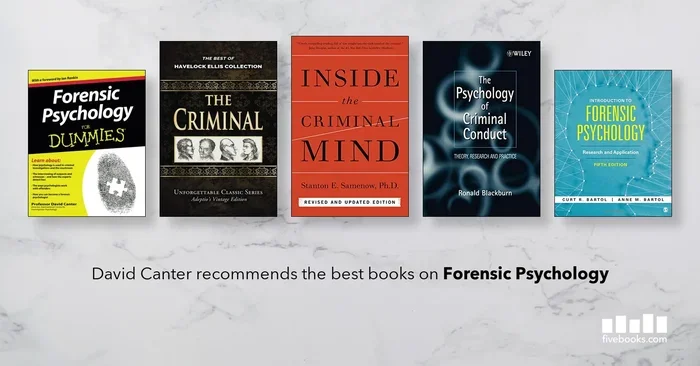
Forensic psychologist education is the foundation for a career that bridges psychology and the legal system. This path requires several years of focused study, from undergraduate courses to doctoral training. This guide covers every step so you know exactly what to expect.
Forensic psychologist education is the foundation for a career that bridges psychology and the legal system. This path requires several years of focused study, from undergraduate courses to doctoral training. You will learn how to assess criminal behavior, conduct psychological evaluations, and support the justice system. The journey is challenging but deeply rewarding for those passionate about mental health and law. This guide covers every step of the forensic psychologist education process so you know exactly what to expect.
Becoming a forensic psychologist starts with the right education. It is not a quick process, but it is one of the most meaningful careers you can pursue. You will work at the intersection of mental health and the legal system, helping courts understand complex psychological issues.
The road to this career involves multiple degrees, hands-on training, and state licensure. If you are curious about what it takes, you are in the right place. Below, we break down every stage of the forensic psychologist education journey in clear, simple terms.
Key Takeaways
- Multiple Degree Levels Required: You need a bachelor’s degree, a master’s degree, and a doctoral degree to become a licensed forensic psychologist.
- Licensure Is Mandatory: Every state requires passing the EPPP exam and completing supervised practice hours before you can practice independently.
- Career Opportunities Are Growing: Demand for forensic psychologists is rising in courts, prisons, hospitals, and government agencies.
- APA Accreditation Matters: Choosing an accredited program ensures your degree is recognized and respected by employers and licensing boards.
- Hands-On Training Is Essential: Internships, practicums, and supervised practice build the real-world skills that classroom learning alone cannot provide.
- Specialization Increases Value: Pursuing board certification or a niche focus within forensic psychology can boost your career prospects and earning potential.
📑 Table of Contents
What Does a Forensic Psychologist Do?
A forensic psychologist applies psychological principles to legal matters. You might evaluate a defendant’s mental state, assess a child’s custody needs, or consult with law enforcement. The work is varied and intellectually stimulating. Every day brings new challenges and opportunities to make a real difference.
These professionals often work in courts, prisons, hospitals, or private practice. They help judges, attorneys, and juries understand the psychological aspects of a case. The role requires strong analytical skills and a deep understanding of both psychology and the legal system.
Forensic psychologists also contribute to rehabilitation efforts. They design programs that help offenders reintegrate into society. This aspect of the work highlights why forensic psychologist education must cover both clinical training and legal knowledge.
Educational Pathways to Becoming a Forensic Psychologist
The educational journey to becoming a forensic psychologist is structured and progressive. Each stage builds on the last, preparing you for advanced responsibilities. Here is a detailed look at each level of training you will need.
Bachelor’s Degree in Psychology or a Related Field
Your journey begins with a bachelor’s degree. Most aspiring forensic psychologists major in psychology, criminal justice, or a related field. This four-year program introduces you to core concepts like human behavior, developmental psychology, and research methods.
During your undergraduate studies, focus on courses that build a strong foundation. Statistics, abnormal psychology, and social psychology are particularly valuable. You should also seek out research opportunities or volunteer work in mental health settings. These early experiences give you a taste of the field and strengthen your graduate school applications.
While a bachelor’s degree alone will not qualify you to practice, it is an essential first step. Think of it as laying the groundwork for everything that follows. Just as idioms for education help students grasp complex ideas in simple ways, foundational courses help you build the mental models you will need later.
Master’s Degree in Forensic Psychology or Clinical Psychology
After completing your bachelor’s degree, the next step is a master’s program. Most forensic psychologists pursue a master’s in forensic psychology, clinical psychology, or a closely related area. This typically takes two to three years of full-time study.
A master’s degree gives you deeper training in psychological assessment, research design, and forensic evaluation. You will learn how to conduct interviews, interpret test results, and write reports for legal proceedings. Many programs also include a practicum or field placement component.
Some students choose to enter the workforce with a master’s degree, while others continue directly to doctoral study. Either path is valid. The key is to choose a program that aligns with your long-term career goals. Look for programs with APA accreditation or those recognized by the American Psychological Association.
Doctoral Degree: PhD or PsyD in Forensic Psychology
The doctoral degree is the most critical part of your forensic psychologist education. You have two main options: a PhD (Doctor of Philosophy) or a PsyD (Doctor of Psychology). Both degrees qualify you for licensure, but they differ in focus.
A PhD emphasizes research and academic training. You will complete a dissertation and gain deep knowledge of psychological theory. A PsyD focuses more on clinical practice and hands-on application. Choose the path that matches your interests and career vision.
Doctoral programs typically take four to seven years to complete. They include rigorous coursework, comprehensive exams, and a major research project. You will also complete a supervised internship, which is a hands-on training experience in a real-world setting. This internship gives you the practical skills you need to succeed after graduation.
Licensure and Certification Requirements
Once you finish your doctoral degree, you are not quite done. Every state requires forensic psychologists to obtain a license before they can practice independently. The licensure process ensures that professionals meet minimum standards of competence and ethics.
The general steps include completing a doctoral degree, finishing a period of supervised practice, and passing a licensing exam. Most states use the Examination for Professional Practice in Psychology, known as the EPPP. You will also need to complete a specific number of supervised hours, which varies by state. Typically, you need between 1,500 and 2,000 hours of supervised practice.
After earning your license, you may choose to pursue board certification. The American Board of Professional Psychology offers certification in forensic psychology. While not always required, board certification can boost your credibility and open doors to advanced positions. It signals to employers and clients that you have achieved a high level of expertise in your field.
Skills and Knowledge You Will Build
A strong forensic psychologist education equips you with a wide range of skills. These abilities prepare you for the unique demands of working within the legal and mental health systems.
You will develop expertise in psychological assessment. This involves using standardized tests to evaluate a person’s mental health, cognitive abilities, and personality traits. You will also learn how to conduct forensic evaluations, which are specialized assessments used in legal contexts.
Other key skills include:
- Clinical interviewing: The ability to conduct thorough, sensitive interviews with clients and witnesses.
- Report writing: Creating clear, objective reports for courts and legal professionals.
- Crisis intervention: Responding effectively to individuals in acute psychological distress.
- Ethical reasoning: Navigating complex ethical dilemmas that arise in forensic settings.
- Research analysis: Interpreting studies and applying findings to real-world cases.
Understanding the criminal justice system is equally important. You need to know how courts operate, what legal standards apply, and how your work fits into the broader process. This knowledge makes your evaluations more credible and useful to the legal system.
Much like metaphors for education help learners connect abstract ideas to familiar experiences, forensic training helps you connect psychological theory to real legal cases. This bridge between theory and practice is what makes the field so dynamic and engaging.
Career Opportunities After Graduation
Once you complete your forensic psychologist education and obtain your license, many career paths open up. The demand for qualified professionals in this field continues to grow.
Common work settings include:
- Courts and law firms: Providing expert testimony and psychological evaluations.
- Correctional facilities: Assessing inmates and designing rehabilitation programs.
- Hospitals and mental health clinics: Treating patients with co-occurring mental health and legal issues.
- Government agencies: Working with agencies like the FBI, police departments, or child protective services.
- Private practice: Offering forensic evaluation and consultation services independently.
Salaries for forensic psychologists vary based on experience, location, and setting. According to the Bureau of Labor Statistics, psychologists earned a median annual wage of around $81,000 as of recent data. Those in specialized forensic roles or private practice often earn higher salaries. Your forensic psychologist education and level of training directly influence your earning potential.
The field also offers strong job growth. As awareness of mental health in the legal system increases, more organizations seek qualified forensic psychologists. This trend suggests a bright outlook for professionals entering the field in the coming years. Your forensic psychologist education positions you at the forefront of this growing profession.
Common Mistakes to Avoid
Planning your path to becoming a forensic psychologist can feel overwhelming. Avoiding common mistakes early on saves you time, money, and frustration. Here are pitfalls to watch for.
Skipping accreditation checks: Not all psychology programs are created equal. Choose programs with proper accreditation to ensure your degree is recognized. Unaccredited programs can waste your time and money and may not qualify you for licensure.
Neglecting hands-on experience: Classroom learning is essential, but supervised practice is equally important. Seek out internships, practicums, and volunteer opportunities throughout your studies. These experiences build practical skills that textbooks alone cannot teach.
Underestimating the time commitment: Becoming a forensic psychologist takes a significant investment of time. Plan for at least eight to ten years of post-secondary education. Rushing through the process can compromise the quality of your training and your readiness for practice.
Ignoring state-specific requirements: Licensure rules vary from state to state. Research your target state’s requirements early so you can tailor your education and training accordingly. What works in one state may not fully transfer to another.
Just as similes for education draw clear comparisons that make learning easier, understanding these common mistakes helps you chart a clearer path forward. Awareness is the first step toward avoiding them and staying on track.
Conclusion
The path to becoming a forensic psychologist is long but incredibly fulfilling. It requires dedication, curiosity, and a genuine passion for helping others. From your first undergraduate course to your final licensure exam, every step builds toward a career that truly matters.
Your forensic psychologist education gives you the tools to make a difference in people’s lives and in the justice system. Whether you work in a courtroom, a prison, or a private office, your training empowers you to bring psychological insight to complex legal questions.
If you are ready to start this journey, take it one step at a time. Research programs, reach out to professionals in the field, and stay focused on your goals. The road is demanding, but the rewards are well worth the effort.
Frequently Asked Questions
How long does it take to become a forensic psychologist?
It typically takes between eight and ten years of post-secondary education. This includes four years for a bachelor’s degree, two to three years for a master’s degree, and four to seven years for a doctoral degree. You will also need to complete supervised practice hours and pass a licensing exam before you can practice independently.
Can I become a forensic psychologist with a master’s degree?
In some cases, yes. A master’s degree can qualify you for certain roles in forensic settings, such as research assistant or correctional counselor positions. However, to practice as a licensed forensic psychologist and conduct independent evaluations, you will need a doctoral degree and full state licensure.
What is the difference between a PhD and a PsyD in forensic psychology?
A PhD in forensic psychology emphasizes research and academic training. You will complete a dissertation and gain deep knowledge of psychological theory. A PsyD focuses more on clinical practice and hands-on application. Both degrees qualify you for licensure, so choose based on whether you prefer research or clinical work.
Do I need a background in criminal justice to study forensic psychology?
No, a background in criminal justice is not required. Many forensic psychologists start with a bachelor’s degree in psychology or a related field. However, taking even a few courses in criminal justice or law can give you a valuable edge and help you understand the legal context of your future work.
Is board certification required to practice as a forensic psychologist?
No, board certification is not required in most states. Licensure is the minimum requirement to practice. However, earning board certification through the American Board of Professional Psychology can enhance your credibility, demonstrate advanced expertise, and improve your career prospects.
What skills are most important for a forensic psychologist?
Key skills include psychological assessment, report writing, clinical interviewing, ethical reasoning, and crisis intervention. You also need strong analytical thinking and communication skills. Understanding the legal system and being able to translate complex psychological concepts for court audiences is equally important.


