
Becoming a teacher requires a solid foundation in education, including a bachelor’s degree, teacher certification, and hands-on training. The path to earning a teaching license varies by state and specialization, but the core steps remain consistent. This guide covers everything you need to know about the education a teacher needs to succeed in today’s classrooms.
Key Takeaways
- Bachelor’s Degree: A four-year teaching degree is the minimum requirement for most teaching positions.
- Teacher Certification: Every state requires educators to hold a valid teaching license or certification.
- Student Teaching: Practical classroom experience is a vital part of any teacher preparation program.
- Advanced Degrees: A master’s degree can open doors to higher pay and leadership roles.
- Alternative Routes: Non-education graduates can still become teachers through alternative certification programs.
- Continuing Education: Teachers must engage in ongoing professional development to maintain their licenses.
- Specializations Matter: Choosing a subject area or grade level shapes your education path significantly.
📑 Table of Contents
- What Education Does a Teacher Need to Pursue Today
- Understanding the Basic Education Requirements for Teachers
- Degree Paths for Aspiring Teachers
- Certification and Licensing: What You Must Have
- Specializations and Advanced Education Options
- Continuing Education and Professional Development
- Alternative Routes to Becoming a Teacher
- How Figurative Language Enhances Teaching
- Conclusion
What Education Does a Teacher Need to Pursue Today
Teaching is one of the most rewarding careers you can choose. But before you stand in front of a classroom, you need the right education a teacher needs to succeed. The journey involves degrees, certifications, and real-world practice. It is not just about earning a diploma. It is about building the skills that shape future generations.
If you are wondering how to become a teacher, you are in the right place. This guide breaks down every step of the process. We will cover degree options, certification requirements, and tips for choosing the right path. Whether you are just starting out or switching careers, this article has you covered.
Good teachers do more than explain facts. They inspire, motivate, and connect with students. That is why teacher education matters so much. It equips you with the tools to make a real difference. Let us dive into what it takes to get there.
Understanding the Basic Education Requirements for Teachers
Every state in the U.S. sets its own rules for who can teach. But almost all of them share a few common requirements. The foundation of what education does a teacher need starts with a college degree. Without one, you cannot move forward in most cases.
The Bachelor’s Degree: Your Starting Point
A bachelor’s degree is the minimum education required for most teaching jobs. This is typically a four-year program. You will study your chosen subject area and learn how to teach it effectively. Most programs include courses in pedagogy, which is the science of teaching.
During your bachelor’s program, you will also complete student teaching hours. This means you will work in a real classroom under the guidance of an experienced teacher. It is one of the most valuable parts of your training. You get to practice classroom management and lesson planning in a hands-on way.
Some students choose a degree in education right from the start. Others major in a subject like math, science, or English and then pursue a teaching credential. Both paths lead to the classroom. The key is to make sure your program is accredited.
Accreditation Matters
Not all colleges are the same. When choosing a program, look for regional accreditation. This ensures your degree will be recognized by employers and licensing boards. Teacher preparation programs that are accredited meet high standards. They prepare you properly for the demands of the job.
You should also check whether your program includes a teacher certification track. Some bachelor’s degrees prepare you for a license right away. Others leave you needing to complete extra steps. Always ask your advisor about this before enrolling.
Degree Paths for Aspiring Teachers
There is more than one way to earn the education a teacher needs. Your choice depends on your goals, timeline, and background. Let us look at the most common paths.
Bachelor of Arts in Education
This is the most traditional route. A Bachelor of Arts in Education combines general studies with teaching courses. You will learn about instructional design, child development, and educational technology. Most programs also require a student teaching internship.
With this degree, you can apply for a teaching license in your state. You will be qualified to teach at the elementary or middle school level. Some programs also offer secondary education tracks for high school teachers.
Bachelor of Science in Education
The Bachelor of Science in Education focuses more on research and methodology. It is a great fit for people who love data and evidence-based practices. This degree often includes more science and math coursework.
Graduates with a B.S. in Education are well-prepared for teacher training roles. They often pursue careers in curriculum design or educational leadership later on.
Post-Baccalaureate Programs
If you already have a bachelor’s degree in another field, do not worry. You can still become a teacher. Post-baccalaureate programs are designed for people in your situation. They usually take one to two years to complete.
These programs cover the essentials of teaching. They include coursework in educational psychology and classroom management. You will also complete a student teaching placement. By the end, you will be ready to sit for your licensing exam.
Certification and Licensing: What You Must Have
Earning a degree is only half the battle. You also need a teaching license to work in public schools. Each state has its own state requirements for licensure. But the general process is similar across the country.
The Praxis Exams
Most states require you to pass the Praxis exams. These are standardized tests that measure your teaching knowledge. The Praxis Core tests your basic skills in reading, writing, and math.
The Praxis Subject Assessments test your knowledge in your chosen subject. For example, if you want to teach biology, you will take the biology Praxis. Passing these exams is a key step in the certification process.
State-Specific Requirements
Some states have extra requirements beyond the Praxis. California, for instance, has its own CSET exams. New York uses the edTPA for teacher candidates. You will need to research your specific state’s rules.
It is also important to note that alternative certification programs exist. These are designed for career changers and people who already hold a degree. They allow you to start teaching while you complete the remaining requirements.
Specializations and Advanced Education Options
Once you have your basic credentials, you may want to specialize. Advanced education can boost your career and your earning potential. Many teachers choose to pursue a master’s degree after gaining some classroom experience.
Master’s in Education
A master’s degree in education deepens your knowledge of teaching practices. It typically takes two years to complete. Many programs offer specializations in areas like special education, curriculum design, or educational leadership.
Teachers with a master’s degree often earn higher salaries. Some districts offer automatic pay increases for advanced degrees. A master’s can also qualify you for administrative roles like department head or instructional coach.
Doctoral Degrees in Education
If you want to make a big impact on the field, consider a doctoral degree. A Doctor of Education (Ed.D.) focuses on practical leadership. A Ph.D. in Education is more research-oriented. Both open doors to university teaching, policy work, and high-level administration.
Subject-Specific Credentials
Some teachers choose to add subject-specific credentials to their license. For example, a history teacher might earn a credential in educational technology. This makes them more versatile and marketable. It also shows students and employers a commitment to growth.
Continuing Education and Professional Development
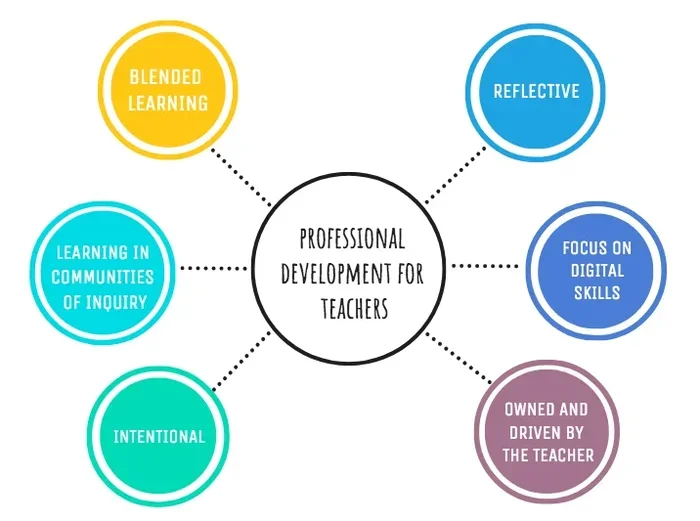
Your education does not stop after you get your license. Teachers must engage in continuing education throughout their careers. This keeps your skills sharp and your knowledge current.
Why Ongoing Learning Matters
Education is always evolving. New research, new technologies, and new methods emerge every year. Teachers who stay updated are better equipped to help their students. Professional development workshops and courses are essential for this.
Many states require teachers to earn a certain number of professional development hours each year. These hours can come from workshops, conferences, or college courses. Some districts even offer in-house training sessions.
Effective Professional Development Strategies
Not all professional development is created equal. Look for opportunities that are relevant to your teaching goals. Here are some effective strategies:
- Attend subject-area conferences and workshops
- Enroll in online courses through accredited universities
- Join professional teaching organizations and networks
- Pursue additional certifications in your subject area
- Participate in peer observation and coaching programs
Think of professional development like sharpening a tool. The better you keep your skills, the more effective you are in the classroom. It is an investment in yourself and your students.
Alternative Routes to Becoming a Teacher
Not everyone follows the traditional path. Alternative certification programs have made it easier than ever to become a teacher. These routes are designed for people who have a bachelor’s degree in a non-education field.
What Are Alternative Certification Programs?
Alternative programs let you start teaching while you complete your certification requirements. You typically work under a provisional license for one to two years. During this time, you take courses in teaching methods and classroom management.
These programs are especially popular among career changers. If you spent years working in another industry, you bring valuable real-world experience to the classroom. Students benefit from teachers who can connect lessons to real life.
Pros and Cons of Alternative Routes
Every path has its strengths and challenges. Here is a quick comparison:
- Traditional Route: More structured, longer timeline, deeper foundational training
- Alternative Route: Faster entry into the classroom, practical experience from day one, flexible scheduling
Both routes lead to full licensure. The right choice depends on your personal situation and goals. Research programs in your state to find the best fit.
How Figurative Language Enhances Teaching
Great teachers know how to make lessons memorable. One powerful tool is figurative language. When you use vivid comparisons, students grasp abstract ideas more easily. This is where similes for education come in handy. A simple comparison like “learning is like building a house” helps students visualize complex concepts.
Similarly, metaphors for education allow teachers to paint mental pictures. Saying “the cell is a factory” makes biology come alive. And idioms for education add cultural richness to your lessons. These language tools are not just for English class. They belong in every subject area.
Your teacher education should include training in how to use figurative language effectively. It is a skill that separates good teachers from great ones. When you weave comparisons into your lesson planning, students remember more and engage deeper.
Conclusion
The education a teacher needs goes far beyond earning a degree. It is a journey that includes certification, hands-on practice, and lifelong learning. From your bachelor’s program to your master’s degree and beyond, every step builds your ability to inspire students. The path may seem long, but it is worth every effort.
Whether you choose a traditional route or an alternative path, your commitment matters. The best teachers never stop learning. They stay curious, seek feedback, and grow with their students. If you are ready to start this journey, take the first step today. The classroom is waiting for you.
Frequently Asked Questions
What education does a teacher need to start working?
Most states require at least a bachelor’s degree from an accredited program. You will also need to complete a teacher preparation program and pass your state’s licensing exams. Some states accept alternative certification for those with degrees in other fields.
Can I become a teacher without an education degree?
Yes, you can. Many states offer alternative certification programs for career changers. These programs let you earn your teaching license while working in the classroom. You will need to complete additional coursework in teaching methods and pedagogy.
How long does it take to become a certified teacher?
A traditional route takes about four years for a bachelor’s degree plus additional time for certification exams. Alternative routes can be faster, sometimes taking one to two years. The timeline depends on your state’s requirements and your prior education.
Do teachers need a master’s degree?
A master’s degree is not always required, but it can be very beneficial. Many teachers pursue one after gaining classroom experience. It can lead to higher pay, advanced roles, and deeper expertise in your subject area.
What is the difference between a teaching certificate and a teaching license?
The terms are often used interchangeably. A teaching certificate is usually issued after completing a preparation program. A teaching license is the official state authorization to teach. Both are required to work in public schools.
How often do teachers need to renew their certification?
Most states require renewal every five years. Renewal typically involves completing continuing education hours. Some states also require teachers to pass additional exams or submit proof of professional development activities.


