
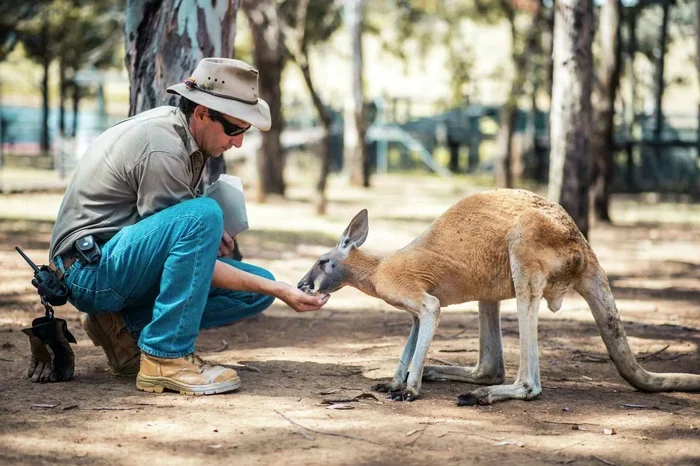
Becoming a zoologist requires a solid foundation in biology and life sciences, typically starting with a bachelor’s degree. Most professionals pursue advanced degrees like a master’s or PhD for research and specialized roles. Hands-on experience through internships and field work is just as important as classroom learning.
Have you ever wondered what it takes to turn your love for animals into a real career? The path to becoming a zoologist is exciting, but it does require serious dedication to your education. Whether you are a high school student just starting to dream or an adult looking for a career change, understanding the education requirements is the first big step.
The journey to becoming a zoologist is not just about sitting in classrooms. It involves a mix of formal academic learning, hands-on field work, and real-world experience. Think of it like building a strong tower. Each block of knowledge you add makes the whole structure stronger. Much like similes for education help us describe the learning journey, the steps you take in zoology training build a vivid picture of your future career.
In this guide, we will walk through everything you need to know about zoologist education. From degree options to key subjects, from internships to specializations, we have got you covered. By the end, you will have a clear roadmap to follow. So let us dive right in and explore what it really takes to build a career working with animals.
Key Takeaways
- A bachelor’s degree in zoology or wildlife biology is the minimum requirement for entry-level positions.
- Advanced degrees (master’s or PhD) open doors to research, teaching, and leadership roles.
- Key subjects include biology, chemistry, ecology, and statistics that build your scientific foundation.
- Hands-on experience through internships and volunteering is critical for competitive job placement.
- Specializations like marine biology or conservation biology can shape your career direction early on.
- Continuing education and certifications help zoologists stay current in a rapidly evolving field.
- Strong communication skills matter just as much as scientific knowledge in this career.
📑 Table of Contents
- Understanding What a Zoologist Does
- Education Requirements for Becoming a Zoologist
- Key Subjects and Courses in Zoology Education
- Gaining Hands-On Experience
- Certifications and Continuing Education
- How Long Does It Take to Become a Zoologist?
- Skills That Complement Your Zoology Education
- Where Can Zoology Education Take You?
Understanding What a Zoologist Does
Before we talk about schooling and degrees, it helps to understand what a zoologist actually does. A zoologist is a scientist who studies animals. This includes their behavior, habitats, genetics, and how they interact with ecosystems. Some zoologists work in labs. Others spend their days in the wild tracking wildlife populations.
The Role of a Zoologist in Modern Science
Zoologists play a vital role in wildlife conservation and environmental research. They help us understand why certain species are declining. They develop strategies to protect endangered animals. Many zoologists also work with governments and nonprofits to shape conservation policies.
The work is incredibly diverse. One day you might be collecting water samples in a swamp. The next day you could be analyzing data on a computer. This variety is one of the biggest draws to the profession. But it also means you need a broad set of skills, which is why a strong educational foundation matters so much.
Different Types of Zoology Careers
Not all zoologists do the same thing. Here are some common career paths within the field:
- Wildlife Biologist: Studies animal populations and their habitats in natural settings.
- Marine Biologist: Focuses on ocean life, from tiny plankton to massive whales.
- Conservation Scientist: Works to protect ecosystems and manage natural resources.
- Animal Behaviorist: Studies how animals interact with each other and their environments.
- Veterinary Researcher: Conducts research on animal health and diseases.
- Ecologist: Examines how organisms relate to their surroundings and each other.
Each of these paths has slightly different education requirements. But they all start with a strong base in biological sciences. Understanding the kind of zoologist you want to become will help you choose the right educational path early on.
Education Requirements for Becoming a Zoologist
The educational journey to becoming a zoologist typically spans several years. Let us break down each level so you know exactly what to expect. Think of each degree level as a stepping stone. You do not have to jump to the top all at once. You can take it one step at a time.
Bachelor’s Degree in Zoology or Wildlife Biology
A bachelor’s degree is the minimum requirement for most entry-level zoology jobs. This usually takes four years of full-time study. During this time, you will cover core subjects like animal anatomy, ecology, genetics, and evolution.
Most programs also include lab work and field excursions. You might find yourself collecting insect samples in a nearby forest or dissecting specimens in a campus lab. These experiences are invaluable. They give you a taste of what real zoology work feels like. Many programs also encourage students to pursue internships during summer breaks.
When choosing a bachelor’s program, look for schools with strong life sciences departments. Also check if they offer research opportunities for undergraduates. These small advantages can make a big difference when you start applying for jobs or graduate programs.
Master’s Degree for Specialized Roles
A master’s degree typically takes two to three years beyond a bachelor’s. It allows you to specialize in a specific area of zoology. Maybe you want to focus on wildlife conservation or animal genetics. A master’s program gives you the depth of knowledge employers look for in specialized roles.
At this level, you will likely complete a thesis or a major research project. This is your chance to contribute original findings to the field. Many zoologists with master’s degrees go on to work for government agencies, research institutes, or nonprofit organizations. The career prospects improve significantly with this level of education.
PhD for Advanced Research and Academic Roles
If you dream of leading your own research team or teaching at a university, a PhD in zoology or a related field is essential. A doctoral program can take four to six years. It involves extensive original research, publishing papers, and defending a dissertation.
A PhD opens the door to the most prestigious and highest-paying positions. University professors, lead researchers at national labs, and senior conservation directors often hold doctoral degrees. The metaphors for education we use to describe this journey are fitting. A PhD is like planting a deep root. The deeper the roots, the stronger and more resilient your career becomes.
| Degree Level | Duration | Career Opportunities | Typical Salary Range |
|---|---|---|---|
| Bachelor’s Degree | 4 years | Field technician, lab assistant, wildlife aide | $35,000 – $50,000 |
| Master’s Degree | 2-3 years post-bachelor | Research associate, conservation officer, wildlife biologist | $50,000 – $75,000 |
| PhD | 4-6 years post-master | University professor, lead researcher, policy advisor | $70,000 – $120,000+ |
Key Subjects and Courses in Zoology Education
Once you are enrolled in a zoology or biology program, you will take a wide range of courses. These classes build the knowledge base you need to succeed. Let us look at the most important subjects you will encounter.
Biology and Life Sciences
This is the heart of any zoology program. You will study cell biology, genetics, evolution, and animal physiology. These courses teach you how animals function at every level. From the smallest cell to the full organism, you will learn how life works.
You will also study taxonomy and classification. This is the science of naming and organizing living things. Understanding how species relate to each other is fundamental to all zoology work. It is like learning the grammar of the natural world.
Chemistry and Physics Basics
You might wonder why a zoologist needs chemistry. The answer is simple. Living organisms follow chemical processes. Understanding biochemistry helps you understand how animals digest food, how toxins affect bodies, and how medicines work.
Physics also plays a role. It helps you understand biomechanics, how animals move, and how forces work in natural environments. These subjects might seem less exciting than working directly with animals. But they give you the scientific tools to ask better questions and find better answers.
Statistics and Research Methods
Modern zoology relies heavily on data. You will take courses in biostatistics and research design. These classes teach you how to collect data properly, run statistical tests, and interpret results.
Much like idioms for education add color to learning, research methods add rigor to your work. They ensure that your findings are trustworthy and can be shared with the scientific community. These skills are essential whether you end up working in a lab or out in the field.
Gaining Hands-On Experience
Classroom learning is important. But in zoology, real-world experience is equally critical. Employers want to see that you can apply what you have learned in actual settings. This is where internships, volunteering, and field work come into play.
Internships and Field Work Opportunities
Many university programs help students find internships with wildlife agencies, zoos, or conservation groups. These placements give you a taste of professional zoology work. You might assist with tagging migratory birds, monitoring sea turtle nests, or caring for injured raptors.
Field work can be physically demanding. You may work in remote locations, extreme weather, or challenging terrain. But the rewards are enormous. You gain skills you cannot learn from a textbook. You also build a professional network that can help you find jobs after graduation.
Volunteering at Wildlife Centers and Museums
If formal internships are not available, volunteering is a great alternative. Many wildlife rehabilitation centers, natural history museums, and nature reserves accept volunteers. You can gain experience while contributing to a cause you care about.
Volunteering also shows future employers that you are passionate and proactive. It demonstrates that you are willing to go the extra mile. These qualities matter a lot in a competitive field like zoology.
Building a Strong Portfolio
As you gain experience, start documenting everything. Keep a record of projects, field notes, photographs, and presentations. A strong portfolio can set you apart from other candidates. It shows that you are not just a student. You are a developing professional with real skills and dedication.
Certifications and Continuing Education
The learning does not stop after you earn your degree. Zoology is a field that constantly evolves. New species are discovered. Research methods improve. Conservation challenges change. Staying current requires ongoing effort.
Professional Certifications
Several organizations offer professional certifications for zoologists and wildlife professionals. These credentials can boost your resume and demonstrate specialized expertise. Common certifications include those in wildlife management, conservation biology, and animal welfare.
Certifications are especially valuable if you want to move into a niche area of zoology. They show employers that you have gone above and beyond the basic degree requirements. They also connect you to professional networks that can open new doors.
Continuing Education and Lifelong Learning
Many zoologists attend conferences, workshops, and advanced training throughout their careers. Some pursue additional certifications or short courses in specialized areas like GIS mapping, drone technology for wildlife surveys, or advanced genetic analysis.
Lifelong learning keeps your skills sharp and your career growing. The best zoologists are curious people who never stop asking questions. They treat every new piece of knowledge as a tool to do better work and protect animals more effectively.
How Long Does It Take to Become a Zoologist?
The timeline depends on your career goals. If you want an entry-level position, a bachelor’s degree takes about four years. Adding a master’s degree adds another two to three years. A PhD can add four to six more years on top of that.
But remember, the timeline also includes gaining experience. Internships, volunteering, and field work all take time. Many students complete these alongside their degrees. Others take a gap year or two to focus on hands-on experience before returning to school.
The good news is that the path is flexible. You do not have to follow a straight line. Many successful zoologists took winding roads. They changed directions, discovered new interests, and found their niche along the way. The key is to stay committed to learning and keep your passion for animals at the center of everything you do.
Skills That Complement Your Zoology Education
Beyond formal degrees, certain skills make a zoologist stand out. These are not always taught in classrooms, but they matter just as much.
- Communication Skills: You need to write clear reports and present findings to diverse audiences.
- Critical Thinking: Analyzing complex data and drawing accurate conclusions is daily work.
- Physical Fitness: Field work often requires hiking, swimming, or working in tough conditions.
- Teamwork: Most zoology projects involve collaborating with other scientists and volunteers.
- Technical Skills: Familiarity with GPS devices, GIS software, and lab equipment is increasingly important.
- Patience and Perseverance: Wildlife research often involves long hours and uncertain outcomes.
Developing these skills alongside your formal zoologist education will make you a well-rounded professional. Employers look for candidates who bring both knowledge and practical abilities to the table.
Where Can Zoology Education Take You?
The career possibilities for trained zoologists are wide-ranging. Graduates work in universities, government agencies, nonprofit organizations, zoos, aquariums, and private research firms. Some travel the world studying animals in remote locations. Others work close to home at local nature preserves.
The growing awareness of climate change and biodiversity loss has increased demand for qualified zoologists. Conservation efforts need more scientists who understand animal behavior, ecology, and genetics. This trend suggests that the job outlook for zoologists will remain strong for years to come.
If you are passionate about animals and willing to invest in your education and training, a career in zoology can be deeply fulfilling. It combines scientific curiosity with a real purpose. You get to contribute to our understanding of the natural world and help protect the creatures that share our planet.
The road to becoming a zoologist is not always easy. It requires years of study, hard work, and persistence. But for those who love animals and science, the rewards are immeasurable. Every degree you earn, every field course you complete, and every research project you finish brings you closer to the career you have been dreaming about.
Start by exploring bachelor’s programs in biology or zoology near you. Reach out to professors. Join student organizations focused on wildlife or conservation. The earlier you start building your foundation, the smoother your journey will be. Your future as a zoologist begins with the education choices you make today.
Frequently Asked Questions
What degree do you need to become a zoologist?
A bachelor’s degree in zoology, wildlife biology, or a related field is the minimum requirement. However, for advanced research or teaching positions, a master’s degree or PhD is strongly recommended. The level of degree you need depends on the specific career path you want to follow.
How long does it take to become a zoologist?
A bachelor’s degree typically takes four years. A master’s adds two to three more years. A PhD can take an additional four to six years. The total time varies based on your career goals and whether you pursue advanced degrees or gain experience alongside your studies.
Can I become a zoologist with a biology degree instead of zoology?
Yes, a biology degree is widely accepted for zoology careers. Many zoologists hold degrees in general biology, ecology, or life sciences. The key is to take relevant coursework in animal science, ecology, and genetics, and to gain hands-on experience through internships and field work.
What subjects should I focus on in high school to prepare for zoology?
Focus on biology, chemistry, and mathematics. English and writing courses are also important since zoologists spend significant time writing reports and research papers. Participating in science fairs or nature clubs can also give you a strong foundation and early exposure to the field.
Do zoologists need certifications to practice?
Certifications are not always required but can significantly boost your career prospects. Professional organizations offer credentials in wildlife management, conservation biology, and animal welfare. These certifications demonstrate specialized knowledge and commitment to the field.
Is field work a required part of zoology education?
Most zoology programs include field work as part of their curriculum. It is considered essential for developing practical skills. Even if a program does not require it, gaining field experience through internships or volunteering is highly recommended by professionals in the industry.
=== CONCLUSION ===
Becoming a zoologist is a journey that starts with education and grows through experience. From your first biology class to your final research project, every step builds the knowledge and skills you need to succeed. Whether you aim for a bachelor’s degree or a PhD, the path is demanding but incredibly rewarding.
Remember that hands-on experience is just as important as classroom learning. Internships, volunteering, and field work give you the practical edge that sets you apart. Combine that with a genuine passion for animals and a commitment to lifelong learning, and you will be well on your way to a fulfilling career in zoology.
The world needs more people who care about wildlife and understand the science behind conservation. Your education is the foundation that will allow you to make a real difference. So start today, stay curious, and never stop learning. The animals and ecosystems you will help protect will thank you for it.


