
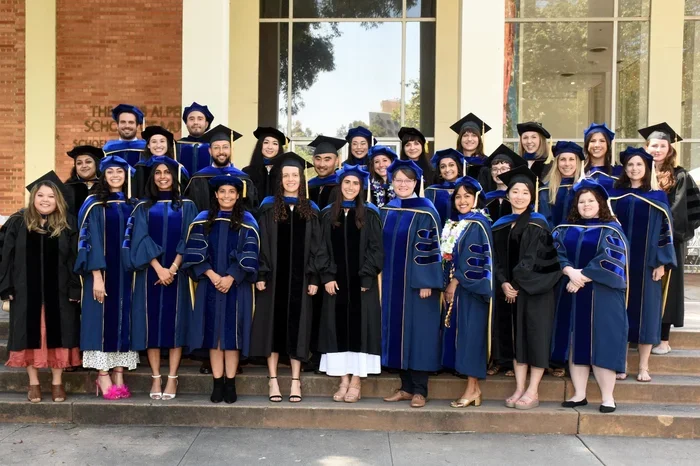
PhD stands for Doctor of Philosophy, and it is the highest academic degree you can earn in education. Earning a PhD opens doors to advanced careers in teaching, research, and educational leadership. This guide covers everything from PhD requirements to career benefits and salary potential.
Key Takeaways
- PhD stands for Doctor of Philosophy: It is the most advanced academic degree in the education field.
- It requires years of study: Most PhD programs take 4 to 7 years to complete, including a dissertation.
- Career opportunities expand greatly: PhD holders can pursue roles in research, university teaching, and educational leadership.
- PhD vs EdD matters: Understanding the difference helps you choose the right doctoral path.
- Salary potential increases: PhD holders in education often earn significantly more than those with master’s degrees.
- The application process is competitive: Strong grades, research experience, and a clear research proposal are essential.
- It is a lifestyle commitment: A PhD demands dedication, time management, and deep passion for your field.
📑 Table of Contents
- What Does PhD Stand for in Education
- Why the PhD Degree Matters in Education
- PhD vs EdD: Understanding the Difference
- What It Takes to Earn a PhD in Education
- Career Opportunities After Earning a PhD
- Common Mistakes to Avoid When Pursuing a PhD
- Is a PhD in Education Worth It?
- Final Thoughts on What PhD Stands for in Education
What Does PhD Stand for in Education
So, what does PhD stand for in education? The short answer is Doctor of Philosophy. But the full story goes much deeper than a fancy title. A PhD is the highest academic degree you can earn. It signals that you are an expert in your chosen field of study.
In education, a PhD prepares you for roles in research, teaching at the university level, and shaping educational policy. It is not just a piece of paper. It represents years of hard work, critical thinking, and original scholarly work. If you have ever wondered whether a doctoral degree is right for you, this guide has you covered.
The PhD in education is one of the most respected credentials you can hold. It opens doors that a master’s degree simply cannot. Whether you want to lead a school district, publish groundbreaking research, or influence how students learn, a PhD gives you the tools to make it happen.
A Quick Look at the PhD Degree
A doctoral degree like the PhD is all about creating new knowledge. You do not just learn what others have discovered. You contribute something original to your field. This is what sets the PhD apart from other degrees.
Here are some key facts about the PhD in education:
- Full name: Doctor of Philosophy in Education
- Typical duration: 4 to 7 years
- Key requirement: A dissertation based on original research
- Focus areas: Curriculum design, educational policy, learning theory, and more
- Career paths: University professor, researcher, education consultant, policy analyst
The PhD is a graduate degree that goes far beyond undergraduate study. It demands independence, intellectual curiosity, and a willingness to push boundaries. If you are ready to dive deep into your field, this degree is worth every bit of effort.
Why the PhD Degree Matters in Education
Education is always evolving. New teaching methods emerge. Technology changes how students learn. Policymakers need experts who understand these shifts deeply. That is where the PhD comes in.
A PhD holder brings rigorous research skills to the table. They can analyze data, evaluate programs, and propose solutions backed by evidence. This level of expertise is essential for advancing the field of higher education.
Think about it this way. A master’s degree gives you strong foundational knowledge. But a PhD trains you to create that knowledge. You learn how to design studies, collect data, and draw conclusions that can reshape classrooms and entire school systems.
Many PhD holders go on to influence the direction of educational programs worldwide. Their work impacts millions of students, even if they never set foot in a classroom themselves. That is the real power of this degree.
Who Should Consider a PhD in Education?
Not everyone needs a PhD. But certain people thrive in this path. You might be a great fit if you:
- Love conducting research and writing about your findings
- Want to teach at a college or university level
- Aspire to lead educational organizations or policy teams
- Feel passionate about solving complex problems in education
- Want to contribute original ideas that advance the field
If any of these sound like you, a PhD could be a perfect match. The journey is challenging, but the rewards are immense.
PhD vs EdD: Understanding the Difference
One of the most common questions people ask is how a PhD differs from an EdD. Both are doctoral degrees, but they serve different purposes. Understanding this distinction is key when choosing your path.
The PhD in Education
The PhD focuses on research and theory. It is designed for those who want to contribute new knowledge to the field. You will spend a lot of time in labs, libraries, and classrooms studying how people learn and how systems work.
The PhD is ideal if you want a career in academia or research institutions. Most PhD graduates go on to publish papers, secure grants, and mentor the next generation of scholars.
The EdD (Doctor of Education)
The EdD, or Doctor of Education, takes a more practical approach. It is built for professionals who want to lead in K-12 schools, districts, or educational organizations. The EdD focuses on applying research to real-world problems.
Here is a quick comparison to help you decide:
- PhD: Research-focused, theory-driven, best for academia and research
- EdD: Practice-focused, leadership-driven, best for school administration and policy
Both degrees carry significant weight. The right choice depends on your career goals and personal interests. Neither path is better than the other. They simply serve different purposes in the world of academic qualifications.
What It Takes to Earn a PhD in Education
Earning a PhD is no small feat. It takes dedication, patience, and a clear plan. Let us break down what the journey looks like.
Admission Requirements
Getting into a PhD program is competitive. Most programs look for the following:
- A strong bachelor’s or master’s degree in education or a related field
- High GPA, typically 3.5 or above
- Letters of recommendation from professors or professionals
- A statement of purpose outlining your research interests
- GRE scores (some programs no longer require these)
- A writing sample or research proposal
You do not need to check every single box perfectly. But showing genuine passion for your field goes a long way. Admissions committees want to see that you are curious and driven.
The Coursework Phase
Once admitted, you will enter the coursework phase. This typically lasts 2 to 3 years. You will take advanced classes in topics like:
- Research methodology
- Educational statistics
- Learning theory
- Curriculum development
- Educational philosophy
During this time, you also start thinking about your dissertation topic. This is the heart of your PhD journey. It is the research project that will define your contribution to the field.
The Dissertation
The dissertation is the crown jewel of your PhD. It is an original piece of scholarly work that answers a specific research question. Writing a dissertation can take 1 to 3 years on its own.
Here is what the process usually looks like:
- Choose your research topic and advisor
- Write a proposal and get committee approval
- Collect and analyze data
- Write the dissertation draft
- Defend your work before a panel of experts
The defense can feel intimidating. But with proper preparation and support from your advisor, most students pass on their first attempt. It is a moment of pride that stays with you forever.
Career Opportunities After Earning a PhD
One of the biggest reasons people pursue a PhD is the career boost it provides. A doctoral degree opens up a wide range of opportunities that are simply not available with lower-level credentials.
Top Career Paths for PhD Graduates
Here are some of the most common and rewarding career paths for those with a PhD in education:
- University Professor: Teach courses, mentor students, and conduct research. This is the most traditional path for PhD holders.
- Education Researcher: Work at universities, government agencies, or think tanks studying trends and outcomes in learning.
- Academic Dean or Department Chair: Lead departments, shape curricula, and guide institutional strategy.
- Policy Analyst: Advise governments and organizations on education reform and policy decisions.
- Education Consultant: Help schools and districts improve programs based on evidence-based practices.
Each of these roles carries significant responsibility and influence. PhD holders are often the ones shaping the future of how education works.
Salary Expectations
Let us talk numbers. A PhD in education can significantly boost your earning potential. While salaries vary by role and location, here are some general ranges:
- University Professor: $65,000 to $120,000+ per year
- Education Researcher: $60,000 to $110,000 per year
- Policy Analyst: $55,000 to $100,000 per year
- Education Consultant: $70,000 to $130,000 per year
These figures are higher than what most master’s-level professionals earn. The PhD salary advantage is real and well-documented across the education sector.
Common Mistakes to Avoid When Pursuing a PhD
The PhD journey is full of challenges. Many students stumble along the way. Here are some common mistakes to watch out for.
Choosing a Topic Too Broad
One of the biggest errors is picking a research topic that is too wide. A broad topic makes it nearly impossible to cover everything thoroughly. Narrow your focus to a specific question or problem. This makes your research more manageable and impactful.
Waiting Too Long to Start Writing
Many PhD students put off writing until the end. This is a costly mistake. Start drafting sections of your dissertation as early as possible. Writing early and often keeps the process manageable and reduces stress.
Neglecting Your Advisor Relationship
Your advisor is your greatest resource. Do not wait for them to reach out. Schedule regular meetings, ask questions, and share your progress. A strong advisor relationship can make or break your PhD experience.
Burning Out
A PhD is a marathon, not a sprint. Many students push themselves too hard and end up exhausted. Set boundaries, take breaks, and remember that your health matters more than any deadline.
Is a PhD in Education Worth It?
This is the question everyone wants answered. And the honest answer is: it depends on your goals.
If you want to work in academia, lead research, or shape education policy, a PhD is absolutely worth it. The degree gives you credibility, expertise, and access to opportunities that other credentials simply cannot match.
On the other hand, if your goal is to work in a K-12 classroom, a PhD might be overkill. A master’s degree may be sufficient for those roles. The key is to align your educational choices with your career vision.
Think of a PhD as an investment. It requires time, money, and energy. But for the right person, the returns are substantial. You gain knowledge, respect, and a sense of accomplishment that is hard to put a price on.
Final Thoughts on What PhD Stands for in Education
So, what does PhD stand for in education? It stands for Doctor of Philosophy, yes. But more than that, it stands for dedication, expertise, and a commitment to advancing knowledge. The PhD is not just a degree. It is a journey of growth, discovery, and impact.
Whether you are just starting to explore your options or you are already deep into a doctoral program, remember this: the effort you put in today shapes the educators and leaders of tomorrow. A PhD in education is more than a personal achievement. It is a contribution to the world of learning.
If you are serious about making a difference in education, consider pursuing a doctoral degree. The path is challenging, but the destination is worth every step. Start by researching programs, connecting with advisors, and dreaming big about the impact you can make.
Frequently Asked Questions
What does PhD stand for in education?
PhD stands for Doctor of Philosophy. In education, it is the highest academic degree and focuses on original research, teaching at the university level, and advancing knowledge in the field.
How long does it take to earn a PhD in education?
Most PhD programs in education take between 4 and 7 years to complete. This includes coursework, comprehensive exams, and writing a dissertation based on original research.
Is a PhD the same as an EdD?
No. A PhD focuses on research and theory, while an EdD focuses on practical application and leadership in educational settings. Choose based on whether you want an academic or professional career path.
Can you teach with a PhD in education?
Yes. A PhD qualifies you to teach at the college and university level. Many PhD holders become professors, lecturers, or researchers at higher education institutions.
What is the salary difference between a PhD and a master’s in education?
PhD holders typically earn 20% to 40% more than those with only a master’s degree. Salaries vary by role, but the doctoral degree opens doors to higher-paying positions in research and leadership.
Do you need a master’s degree before earning a PhD in education?
Most PhD programs require a master’s degree, but some programs accept students with a strong bachelor’s degree. Requirements vary by institution, so check specific program guidelines before applying.


