
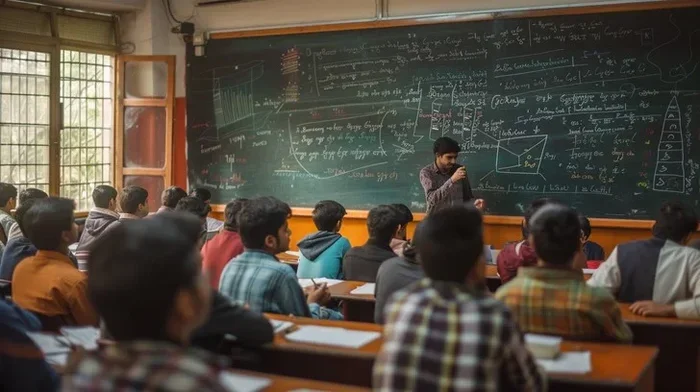
Secondary and post secondary education are two essential stages that shape every student’s academic and career journey. Secondary education covers middle school and high school, building foundational skills and knowledge. Post secondary education includes college, university, and vocational programs that open doors to specialized careers and higher earning potential. Understanding both levels helps students and families make informed decisions about the right academic path forward.
Secondary and post secondary education form the backbone of every student’s learning journey. Many people use these terms every day, but do you really understand what they mean? This article breaks down both stages in simple, clear language. You will learn what each level covers, why it matters, and how they connect to your future.
Whether you are a student, a parent, or someone thinking about going back to school, this guide has you covered. We will walk through the details step by step. By the end, you will have a solid understanding of both secondary and post secondary education and how they shape your life.
Key Takeaways
- Secondary education covers grades 6 through 12 and provides the foundation for all future learning and career readiness.
- Post secondary education includes universities, colleges, trade schools, and certificate programs that offer specialized training and degrees.
- There are many pathways after high school, including four-year degrees, two-year associate degrees, vocational training, and short-term certificate programs.
- Both education levels work together as a staircase, with each stage building on the skills and knowledge from the previous one.
- Understanding the difference between secondary and post secondary education helps students set realistic goals and choose the right path for their careers.
- Community colleges and trade schools offer affordable, practical options for students who want to enter the workforce quickly.
- Strong study habits and critical thinking skills developed in secondary school make the transition to post secondary education much smoother.
📑 Table of Contents
What Is Secondary Education?
Secondary education is the stage of schooling that comes after primary or elementary school. In most countries, it covers the teenage years and prepares students for either the workforce or further study. It is a critical building block in every person’s academic journey. Without a strong secondary education, advancing to higher levels of learning becomes much harder.
What Grades Does Secondary Education Cover?
Secondary education usually starts around age 11 or 12 and ends at age 18. It is typically split into two parts. The first part is middle school or junior high. The second part is high school, also known as senior secondary school.
Here is a simple breakdown of what each level covers:
- Middle School: Covers grades 6 through 8 in most school systems. Students begin exploring more subjects like science, social studies, and foreign languages. This is a transitional period where learning becomes more structured.
- High School: Covers grades 9 through 12. Students take more advanced courses and start thinking seriously about their future careers. Electives allow them to explore interests in fields like art, technology, or business.
Students earn a high school diploma at the end of secondary education. This diploma is required for almost all jobs and is the gateway to post secondary education. It signals to employers and schools that a student has completed the required level of study.
Why Secondary Education Matters
Secondary education gives students essential skills that last a lifetime. These include reading, writing, math, and critical thinking. Without a strong foundation, it is hard to succeed in later stages of learning. Every subject taught in secondary school serves a purpose in building a well-rounded mind.
During these years, students also develop social skills that are just as important as academics. They learn to work in teams, manage their time, and handle responsibilities. Teachers often use creative methods to make learning fun and engaging. For example, they might use Idioms For Education to help students remember complex ideas through familiar phrases. This makes the classroom more interactive and memorable.
Secondary school is also where students start building their identity. They form friendships, discover passions, and learn how to navigate challenges. These experiences shape who they become and prepare them for the responsibilities of adulthood.
What Is Post Secondary Education?
Post secondary education is any learning that happens after high school. It is also called higher education or tertiary education. This stage gives students the chance to specialize in a specific field or career path. Unlike secondary school, which covers a broad range of subjects, post secondary education lets you focus on what truly interests you.
Not everyone goes to a traditional college after high school, and that is perfectly okay. Post secondary education includes many different options. Some programs last a few months, while others take several years to complete. The key is finding the right fit for your goals and circumstances.
Types of Post Secondary Institutions
There are many places where you can pursue post secondary education. Each one offers something unique and serves different student needs.
- Universities: Large schools that offer bachelor’s, master’s, and doctoral degrees. They usually have a wide range of programs and research opportunities. Universities often have big campuses with diverse student communities.
- Colleges: Smaller than universities in many cases. Many offer two-year associate degrees and certificates. Community colleges are a popular type of college that provides affordable access to higher education.
- Vocational Schools: Also called trade schools. These focus on hands-on skills like plumbing, electrical work, or culinary arts. They prepare students for specific careers in a short amount of time.
- Technical Institutes: Specialized schools that train students in technology, engineering, or computer science fields. These institutions often have strong connections to industry employers.
Programs and Degrees Available
Post secondary education offers a wide variety of programs. The right choice depends on your career goals, interests, and timeline. Here are the most common types of degrees and programs you can pursue:
- Associate Degree: A two-year program usually offered at community colleges. It provides foundational knowledge in a specific field and can lead directly to employment or transfer to a four-year program.
- Bachelor’s Degree: A four-year program offered at universities and colleges. This is the most common undergraduate degree and is required for many professional careers.
- Master’s Degree: An advanced degree that takes one to three years after completing a bachelor’s. It allows deep specialization in a chosen field and can boost career prospects significantly.
- Doctoral Degree: The highest level of academic achievement. It can take three to seven years to complete and is required for careers in research, academia, and certain specialized fields.
- Certificate Programs: Short-term programs that teach specific skills. These are great for quick career entry and are often offered by community colleges and technical schools.
Many students also choose vocational training or apprenticeship programs. These let them learn a trade while earning money on the job. It is a practical option for those who want to enter the workforce quickly without spending years in a classroom. Apprenticeships combine hands-on experience with classroom instruction, giving students a well-rounded education.
Types of Post Secondary Programs and Pathways
Understanding the different types of post secondary programs helps you choose the right path. Each option serves a different purpose and fits different goals and timelines.
Community Colleges and Their Role
Community colleges are a fantastic starting point for many students. They offer affordable tuition and flexible schedules that work for part-time and full-time learners alike. You can earn an associate degree or transfer credits to a four-year university later on.
Many community colleges also offer workforce development programs. These are designed to get you job-ready in months, not years. Fields like healthcare, information technology, and skilled trades are very popular at community colleges. The practical training students receive makes them attractive to employers right away.
Four-Year Universities and Colleges
Universities and four-year colleges provide a broader and deeper education. Students typically take general education courses in the first two years. Then they focus on their major or field of study in the last two years. This well-rounded approach builds both depth and breadth of knowledge.
A university experience is about more than just academics. It is also about personal growth, networking, and exploring new ideas. Many students find that their college years shape who they become as professionals and as people. Some institutions focus heavily on research, while others emphasize teaching and student support. It is important to choose a school that fits your learning style and career goals.
Trade Schools and Vocational Training
Trade schools are perfect for hands-on learners who enjoy working with their hands. They teach practical skills that are in high demand across many industries. Programs can last from a few months to two years, making them a fast track to employment.
Common trade school fields include:
- Electrician and plumbing work
- Automotive repair and maintenance
- Culinary arts and hospitality management
- Medical assisting and dental hygiene
- Welding and metalwork fabrication
Trade school graduates often find jobs quickly after graduation. Their skills are directly applicable to the workplace from day one. This makes vocational training a smart and practical choice for many career paths. Employers value the hands-on experience that trade school graduates bring to the job.
How Secondary and Post Secondary Education Connect
The two levels of education work together in a natural progression. Secondary education prepares you for post secondary education. And post secondary education builds on the skills and knowledge you learned in high school. They are connected like steps on a staircase, each one taking you higher.
In secondary school, students learn core subjects that form the basis for all future learning. These include English, math, science, and social studies. Teachers often use tools like Similes For Education to help students grasp abstract concepts by comparing them to familiar things. This makes complex ideas easier to understand and remember.
When you move to post secondary education, you dive much deeper into your chosen field. You select a major or area of focus. You work on research projects, write lengthy papers, and sometimes complete internships or fieldwork. The study habits and critical thinking skills you built in secondary school become the tools you use every single day in higher education.
Students who do well in secondary school tend to have smoother transitions to post secondary programs. Strong study habits, good time management, and solid reading and writing skills make a big difference. This is why the foundation built during secondary education is so important. It sets the stage for everything that comes next.
Why Understanding Both Education Levels Matters
Knowing the difference between secondary and post secondary education helps you plan your future with confidence. It also helps you set realistic goals and make smart decisions about your academic journey. Many students feel overwhelmed by the choices available, but understanding the basics removes much of that confusion.
Here are the key reasons why both levels matter:
- Career Readiness: Many jobs require at least a high school diploma. More advanced roles need post secondary degrees or certifications. Each level of education opens new career doors.
- Earning Potential: Studies consistently show that higher education leads to higher salaries over a lifetime. Each additional level of education can increase your earning power significantly.
- Personal Growth: Education helps you think critically, solve problems, and communicate more effectively. These skills benefit you in every area of life, not just your career.
- Flexibility and Options: Understanding both levels gives you choices. You can select the path that best fits your goals, budget, and personal circumstances.
Many students also explore creative ways to deepen their learning. For instance, using Metaphors For Education can make lessons more vivid and help students retain information better. This kind of creative approach works at both education levels and shows how learning strategies can enhance understanding across the board.
The education system is always evolving. New fields emerge, technologies change, and old industries adapt. Staying informed about both secondary and post secondary education helps you adapt and stay competitive in a rapidly changing world. Lifelong learning starts with understanding these two foundational stages.
Quick Tips for Success at Both Education Levels
Here are some practical tips to help you thrive at each stage of your education:
- Stay organized: Use planners and calendars to track assignments, deadlines, and exam dates. Organization is the first step toward academic success.
- Ask for help when you need it: Teachers, counselors, and tutors are there to support you. Do not hesitate to reach out when something feels confusing or overwhelming.
- Explore your interests early: Try different subjects and extracurricular activities to discover what you truly enjoy. This helps you make better decisions about your future path.
- Build strong study habits: Consistent routines and effective time management pay off enormously in the long run. Start building these habits in secondary school.
- Think ahead about your career: Start exploring career options early so you have time to plan your education path. Research what degrees or certifications your dream job requires.
Success in education is not just about good grades. It is about developing a love for learning and the discipline to keep going even when things get tough. Both secondary and post secondary education teach you skills that go far beyond the classroom.
Conclusion
Understanding secondary and post secondary education is essential for anyone planning their academic future. Secondary education builds the foundation with core skills and knowledge. Post secondary education opens doors to specialized careers and advanced opportunities that can transform your life.
Both levels play a vital role in shaping who you become as a professional and as a person. Whether you choose a four-year degree, a trade program, or a short-term certificate course, each path has real value and purpose. The key is to find what works best for your goals, your budget, and your learning style.
Take the time to explore your options. Talk to school counselors, research programs online, and stay curious about the world around you. Your education journey is unique, and every step forward counts. Start today, and build the future you deserve.
Frequently Asked Questions
What is the difference between secondary and post secondary education?
Secondary education covers middle school and high school, typically for students aged 11 to 18. Post secondary education includes any learning after high school, such as college, university, or vocational programs. The main difference is the level of specialization and the age group served at each stage.
Is post secondary education the same as college?
Post secondary education is a broader term that includes college, but it also covers universities, trade schools, and certificate programs. College is one type of post secondary institution. So all college education is post secondary, but not all post secondary education is college.
Can you go to post secondary school without a high school diploma?
It is possible in some cases. Many trade schools and community colleges accept students without a diploma if they pass an equivalency test like the GED. However, most four-year universities require a high school diploma or equivalent for admission.
How long does post secondary education take to complete?
The duration depends entirely on the program you choose. Certificate programs can last a few months. Associate degrees take two years. Bachelor’s degrees take four years. Master’s degrees add one to three more years, and doctoral programs can take three to seven additional years beyond a bachelor’s degree.
Why is secondary education important for future success?
Secondary education provides the basic skills needed for higher learning and employment. It teaches core subjects like math, reading, and science while also developing critical thinking and social skills. These essentials are crucial for success in any career or further education pathway.
What are some examples of post secondary education programs?
Examples include bachelor’s degrees at universities, associate degrees at community colleges, diploma programs at trade schools, and short-term certificate courses in fields like information technology, healthcare, or skilled trades. Each type serves a different career goal and timeline.


