
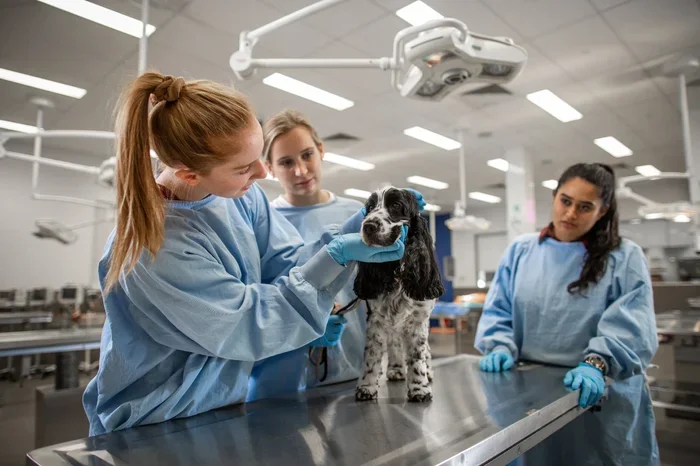
Becoming a veterinarian requires years of dedicated education, starting with a strong undergraduate foundation and advancing through a Doctor of Veterinary Medicine degree. You must pass licensing exams and gain hands-on clinical experience before you can practice. This guide walks you through every step of the education required to be a vet, from choosing the right pre-vet courses to landing your dream veterinary career.
Have you ever dreamed of working with animals every single day? Maybe you grew up caring for pets, volunteering at shelters, or watching wildlife documentaries. The idea of becoming a veterinarian feels exciting and meaningful. But here is the honest truth. The education required to be a vet is no walk in the park. It takes years of hard work, dedication, and smart planning.
If you are asking yourself, “What education is required to be a vet?” — you are in the right place. This guide breaks down every step. From your first semester in college to the day you earn your license, we cover it all. Let us walk through this journey together, one clear step at a time.
Key Takeaways
- Undergraduate Degree: Complete a bachelor’s with pre-veterinary science courses before applying to vet school.
- Doctor of Veterinary Medicine (DVM): A four-year professional degree from an accredited veterinary school is mandatory.
- Licensing Exams: Pass the NAVLE and any state-specific exams to legally practice veterinary medicine.
- Clinical Experience: Gain hands-on animal care experience through internships, volunteering, and clinical rotations.
- Specialization: Optional residencies and certifications let you focus on areas like surgery, internal medicine, or exotic animal care.
- Timeline: Expect 7–9+ years of combined undergraduate and graduate education to become a licensed vet.
📑 Table of Contents
- Understanding What Education Is Required To Be a Vet
- Navigating the Vet Admissions Process
- Licensing Exams and Certification
- Gaining Hands-On Experience Through Internships and Residencies
- How to Start Your Journey Toward Becoming a Vet
- Common Mistakes to Avoid on the Vet School Path
- Expert Insights on Veterinary Education
- Key Takeaways
- Conclusion
Understanding What Education Is Required To Be a Vet
So, what does it actually take to become a veterinarian? The path is well-defined but demanding. You need a solid science background, admission into an accredited veterinary program, and hands-on training. Let us look at each piece of the puzzle.
The education required to be a vet follows a structured timeline. Most aspiring vets spend about four years earning an undergraduate degree. Then, they apply to a four-year Doctor of Veterinary Medicine program. After graduation, they must pass licensing exams. Some vets go even further with specialized training. The whole process can take anywhere from seven to ten years.
Think of it like learning a language. You start with basics — grammar and vocabulary. That is your undergraduate science courses. Then you move to advanced fluency — the DVM program. Finally, you practice speaking in real conversations — clinical rotations and internships. Each phase builds on the last. And just like how similes for education help us compare learning steps, each stage of vet school prepares you for the next.
The Undergraduate Foundation
Before you can even think about veterinary school, you need a strong undergraduate foundation. Most vet schools require applicants to complete specific pre-veterinary courses. These typically include biology, chemistry, organic chemistry, physics, and mathematics.
You do not necessarily need a degree in animal science, though that helps. Many successful vet students majored in biology, biochemistry, or zoology. The key is completing the required prerequisite courses with strong grades.
Here are common undergraduate courses that vet schools look for:
- General Biology — usually two semesters with lab work
- General Chemistry — two semesters with lab
- Organic Chemistry — two semesters with lab
- Biochemistry — increasingly required by top programs
- Physics — two semesters with lab
- Mathematics — statistics and calculus
- English or Communication — to build strong writing and speaking skills
During your undergraduate years, you should also gain animal experience. Vet schools want to see that you have worked with animals firsthand. This could mean volunteering at a local animal shelter, shadowing a practicing veterinarian, or working on a farm. These experiences show admissions committees that you are serious about veterinary medicine.
The Doctor of Veterinary Medicine Degree
The DVM degree is the gold standard for becoming a practicing veterinarian. In the United States, the AVMA — the American Veterinary Medical Association — accredits veterinary schools. You must graduate from an accredited program to sit for licensing exams.
A DVM program typically lasts four years. The first two years focus on classroom and laboratory learning. You study veterinary anatomy, animal physiology, pharmacology, pathology, and microbiology. The last two years shift to clinical training. You work directly with animals under the supervision of licensed veterinarians.
Some schools use a problem-based learning approach. Others follow a more traditional lecture format. No matter the method, the curriculum is intense. You will be studying animal health and disease treatment for hours every day.
Here is a quick look at what the DVM years look like:
- Year 1–2: Classroom-based learning in core sciences and medical foundations
- Year 3: Clinical rotations in various specialties like surgery, internal medicine, and emergency care
- Year 4: Advanced clinical electives and often a veterinary internship preparation
Choosing the right vet school matters. Look for programs with strong clinical training, research opportunities, and good match rates for graduates. The vet admissions process is competitive. Strong grades, test scores, animal experience, and personal statements all play a role.
Navigating the Vet Admissions Process
Getting into veterinary school is challenging. Acceptance rates are low compared to many other graduate programs. But with the right preparation, you can strengthen your application significantly.
Most vet schools require the GRE — the Graduate Record Examination. Some schools have started accepting the MCAT as well. Your undergraduate GPA matters a lot. Aim for a 3.5 or higher to be competitive. But grades alone do not tell the whole story.
Admissions committees look for well-rounded candidates. They want to see leadership, teamwork, and a genuine passion for animal care. Here are tips to stand out:
- Gain at least 400–500 hours of animal experience before applying
- Build relationships with veterinarians who can write strong letters of recommendation
- Write a compelling personal statement that shows your unique journey
- Prepare thoroughly for entrance exams
- Apply to multiple schools to increase your chances
Think of the admissions process like building a story. Every experience you gain adds a chapter. Just as idioms for education enrich our language with deeper meaning, your diverse experiences enrich your application and tell a powerful story about who you are as a future veterinarian.
Licensing Exams and Certification
Graduating from veterinary school is a huge milestone. But you are not quite done yet. To legally practice, you must pass licensing exams. The most important one is the NAVLE — the North American Veterinary Licensing Examination.
The NAVLE is a comprehensive test that covers all major areas of veterinary medicine. It includes questions on animal health, disease prevention, and clinical diagnosis. You typically take this exam in the final months of your DVM program or shortly after graduation.
Some states also require additional exams. These may cover state-specific laws and regulations. Passing all required exams earns you the title of licensed veterinarian. Only then can you diagnose, treat, and care for animals in clinical practice.
Here is a simple comparison of the main licensing paths:
- NAVLE: The core national exam required in most U.S. states
- State Jurisprudence Exam: Tests knowledge of state-specific veterinary laws
- Clinical Competency Exam: Required by some states as an additional hands-on assessment
Preparation is key. Many students use review courses and study groups in the months leading up to the NAVLE. Treat this exam with the same seriousness as the DVM program itself. Your license depends on it.
Gaining Hands-On Experience Through Internships and Residencies
Once you earn your DVM and pass your licensing exams, you can start practicing. But many new veterinarians choose to gain additional training first. Internships and residencies provide invaluable hands-on experience in a specific area of veterinary medicine.
A veterinary internship typically lasts one year. You work in a clinical setting, treating real cases under supervision. This is an excellent way to build confidence and sharpen your skills before going into independent practice.
Residencies go deeper. They usually last two to three years and focus on a specific specialty. Common specialties include:
- Surgery: Advanced operative techniques for animals
- Internal Medicine: Diagnosing and treating complex systemic diseases
- Veterinary Pathology: Studying disease at the tissue and cellular level
- Exotic Animal Medicine: Caring for birds, reptiles, and small mammals
- Veterinary Radiology: Using imaging tools like X-rays and MRIs for diagnosis
If you are passionate about a specific area of animal care, a residency can open doors to exciting career opportunities. It also allows you to become board-certified in your specialty, which enhances your credentials and earning potential.
Remember that metaphors for education remind us that learning is a journey with many layers. Each stage — from internship to residency to specialization — adds depth to your expertise and prepares you for a fulfilling veterinary career.
How to Start Your Journey Toward Becoming a Vet
Feeling inspired but not sure where to begin? Starting the path to becoming a veterinarian is simpler than you might think. The key is to take it one step at a time. Here is a practical action plan you can follow right now.
Step 1: Focus on your high school coursework. Build a strong foundation in biology, chemistry, and math. Join science clubs or animal-related extracurriculars. These early steps set the tone for your entire journey.
Step 2: Choose the right college or university. Look for schools with strong pre-veterinary programs and science departments. Research their prerequisite courses and vet school acceptance rates. A good undergraduate experience makes a huge difference.
Step 3: Get hands-on animal experience early. Volunteer at animal shelters, work at veterinary clinics, or participate in wildlife rehabilitation programs. The earlier you start, the more hours you accumulate by application time.
Step 4: Build relationships with mentors. Connect with professors, practicing veterinarians, and advisors. They can guide you, write recommendations, and share valuable insights about the veterinary profession.
Step 5: Prepare for and take the GRE. Give yourself several months to study. A strong GRE score strengthens your vet school application significantly.
Step 6: Apply to accredited veterinary schools. Use the VMCAS — the Veterinary Medical College Application Service — to streamline your applications. Tailor each personal statement to the specific school you are applying to.
Step 7: Stay persistent. The path to becoming a vet is long and sometimes discouraging. Rejections happen. But every setback is a learning opportunity. Keep pushing forward with passion and purpose.
The education required to be a vet is a marathon, not a sprint. But every mile you run brings you closer to a career that truly makes a difference in the lives of animals and their human families.
Common Mistakes to Avoid on the Vet School Path
The road to becoming a veterinarian is full of opportunities, but also pitfalls. Here are some common mistakes aspiring vets should avoid:
- Neglecting animal experience: Vet schools want to see real-world animal handling. Classroom knowledge alone is not enough.
- Ignoring communication skills: Veterinarians must explain complex medical concepts to pet owners. Strong writing and speaking skills matter.
- Applying to only one school: The competition is fierce. Apply to several accredited programs to improve your odds.
- Waiting too long to gain experience: Start volunteering and shadowing as early as possible. Many applicants wish they had started sooner.
- Overlooking financial planning: Veterinary school is expensive. Research scholarships, grants, and loan repayment programs early.
Expert Insights on Veterinary Education
We spoke with several practicing veterinarians about their educational journeys. Their advice is consistent and encouraging. “Start early, stay curious, and never stop learning,” says Dr. Sarah Mitchell, a practicing vet with over fifteen years of experience. “The education required to be a vet is demanding, but every hour of study pays off when you help an animal feel better.”
Another experienced veterinarian, Dr. James Chen, emphasizes the importance of mentorship. “Find a vet you admire and ask to shadow them. There is no substitute for seeing the day-to-day reality of the profession. It helps you confirm your passion and prepares you for what lies ahead.”
These insights remind us that the journey is as important as the destination. Every class you take, every animal you care for, and every exam you pass shapes you into the veterinarian you will become.
Key Takeaways
- Undergraduate Degree: Complete a bachelor’s with pre-veterinary science courses before applying to vet school.
- Doctor of Veterinary Medicine (DVM): A four-year professional degree from an accredited veterinary school is mandatory.
- Licensing Exams: Pass the NAVLE and any state-specific exams to legally practice veterinary medicine.
- Clinical Experience: Gain hands-on animal care experience through internships, volunteering, and clinical rotations.
- Specialization: Optional residencies and certifications let you focus on areas like surgery, internal medicine, or exotic animal care.
- Timeline: Expect 7–9+ years of combined undergraduate and graduate education to become a licensed vet.
Conclusion
The education required to be a vet is a significant commitment. It demands years of study, hands-on training, and a genuine love for animals. But the rewards are extraordinary. As a veterinarian, you get to improve animal health, comfort worried pet owners, and contribute to the broader field of veterinary medicine.
Every step of the journey matters. Your undergraduate courses build the foundation. Your DVM program deepens your knowledge. Your licensing exams prove your competence. And your ongoing training keeps you sharp throughout your veterinary career.
If you are ready to start, take action today. Research pre-veterinary programs in your area. Reach out to local veterinary clinics for shadowing opportunities. Begin building the experience and knowledge that will make your application stand out. The path is challenging, but it is also deeply fulfilling. Your journey toward helping animals starts with the right education and a whole lot of heart.
Remember, every great veterinarian started exactly where you are now — curious, motivated, and eager to learn. Embrace the process. Trust your hard work. And know that the animals you will one day care for are lucky to have someone like you in their corner.
Frequently Asked Questions
What education is required to be a vet in the United States?
You need a four-year undergraduate degree with pre-veterinary science courses, followed by a four-year Doctor of Veterinary Medicine (DVM) degree from an AVMA-accredited school. After that, you must pass the NAVLE and any state-specific licensing exams to practice legally.
How many years of school does it take to become a veterinarian?
It typically takes 7 to 9 years of higher education. Four years for an undergraduate degree and four years for the DVM program. Some vets add 1 to 3 more years for internships or specialized residencies.
Can I become a vet without a Doctor of Veterinary Medicine degree?
No. In the United States, a DVM degree from an accredited veterinary school is mandatory. You cannot legally practice veterinary medicine without it. Some countries have equivalent degrees, but they still require extensive graduate-level training.
What undergraduate degree is best for vet school?
There is no single required major. Biology, animal science, biochemistry, and zoology are popular choices. The most important thing is completing all prerequisite courses — biology, chemistry, organic chemistry, physics, and math — with strong grades.
How hard is it to get into veterinary school?
Veterinary school admissions are highly competitive. Acceptance rates are often below 15%. Strong grades, high GRE scores, extensive animal experience, and compelling personal statements all improve your chances of getting accepted.
Do I need to specialize after earning my DVM?
No, specialization is optional. Many veterinarians go straight into general practice after licensing. However, if you want to focus on a specific area like surgery or exotic animal medicine, completing a residency and earning board certification can boost your career and credentials.


