
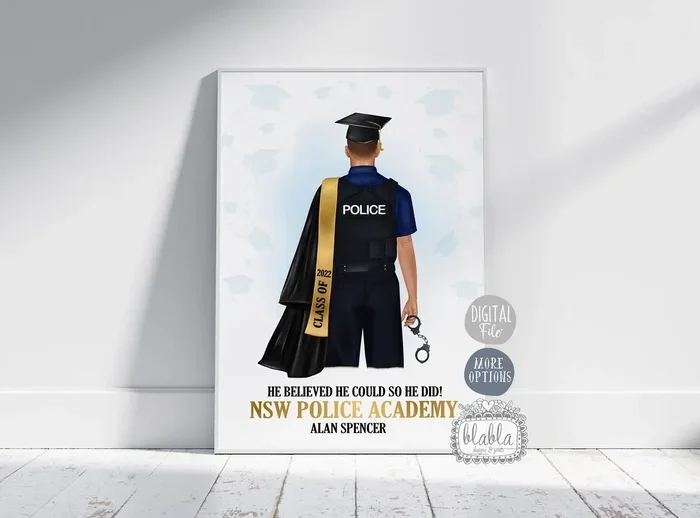
The education requirements for a police officer vary by agency and state, but most departments expect at least a high school diploma or GED. Many departments now prefer or require college-level coursework in criminal justice or a related field. Higher education can open doors to better pay, faster promotion, and specialized roles within law enforcement.
Key Takeaways
- Minimum education: Most agencies require a high school diploma or GED as the baseline.
- College degrees help: An associate or bachelor degree can make you a stronger candidate and boost your career.
- State differences matter: Education requirements vary widely from one state to another.
- Police academy training: Even with the right education, you must complete a police academy program.
- Special roles need more: Federal agencies and specialized units often require advanced degrees.
- Experience counts too: Some departments waive education requirements if you have military or relevant work experience.
📑 Table of Contents
- What Are the Education Requirements for a Police Officer?
- Minimum Education Requirements
- College Education: Associate and Bachelor Degrees
- Police Academy Training Requirements
- Education Requirements by Agency Type
- How Education Boosts Your Police Career
- Common Mistakes to Avoid
- Expert Insights on Police Education
- Key Takeaways
- Conclusion
What Are the Education Requirements for a Police Officer?
Thinking about becoming a police officer? One of the first questions you should ask is about education requirements for a police officer. The answer might surprise you. While some departments only ask for a high school diploma, others want college credits or even a full degree. The landscape of police education has changed a lot over the years.
Today, law enforcement agencies across the country set different standards. Your path depends on where you want to work, what role you want, and how far you want to go in your career. Let us break it all down for you in a simple, clear way.
Why Education Matters in Policing
Education shapes how well you handle real-world situations on the job. Officers with strong educational backgrounds tend to have better problem-solving skills. They also communicate more effectively with the public. Many departments now see education as a key part of professional policing.
Think about it this way. A police officer deals with people from all walks of life. They handle stressful situations, make quick decisions, and write detailed reports. All of that becomes easier with a solid education. Some agencies even use education level to decide pay raises and promotion chances.
Just like how similes for education help us describe learning in vivid ways, education helps officers describe and handle complex situations on the street. It gives them the tools to think critically and act wisely.
Minimum Education Requirements
Most local police departments set the bar at a high school diploma or GED. This is the absolute minimum in most states. If you have your diploma, you can apply to many entry-level positions right away.
Here is what the minimum typically looks like:
- High school diploma or GED: Required by most city and county departments.
- Minimum age: Usually 18 or 21, depending on the state.
- Clean background check: No serious criminal record or misconduct.
- Physical fitness test: You must meet strength and endurance standards.
- U.S. citizenship or permanent residency: Required in most cases.
Even though a diploma is the floor, do not stop there if you can help it. The more education you have, the better your options become. Think of it like idioms for education — there are many ways to express the value of learning, and each one adds depth to your skill set.
College Education: Associate and Bachelor Degrees
A growing number of police departments now prefer or require some college education. An associate degree in criminal justice, law enforcement, or a related field takes about two years to earn. A bachelor degree takes four years and opens even more doors.
Here are the most popular degrees for aspiring officers:
- Criminal Justice: Covers the legal system, criminology, and policing ethics.
- Law Enforcement Administration: Focuses on managing police operations and leadership.
- Criminal Psychology: Helps you understand criminal behavior and mental health.
- Public Safety: A broad degree covering fire, EMS, and police services.
- Sociology or Criminology: Great for understanding crime patterns and communities.
Some officers earn their degree while working. Many departments offer tuition reimbursement programs. This means your employer pays for your classes. It is a win-win. You get smarter on the job, and your department gets a more skilled officer.
Having a degree also connects you to concepts like metaphors for education — powerful comparisons that show how learning transforms the mind. In policing, that transformation shows up in better judgment, stronger leadership, and smarter decision-making under pressure.
Do You Need a Degree to Get Hired?
The short answer is no, not always. But a degree can give you a serious edge. Here is the deal:
- Small town departments: Often only need a diploma.
- Medium-sized cities: May prefer or require 60 college credits.
- Large city departments: Frequently prefer or require a bachelor degree.
- Federal agencies: Almost always require a bachelor degree or higher.
Police Academy Training Requirements
Education does not stop at the classroom door. Every police officer must complete a police academy training program. This is hands-on training that teaches you how to do the job safely and effectively.
Police academy programs typically last 12 to 24 weeks. During that time, you will learn:
- Law enforcement tactics: How to approach dangerous situations.
- Firearms training: Safe handling and use of weapons.
- Defensive tactics: Arrest techniques and self-defense.
- Criminal law: Statutes, codes, and legal procedures.
- Traffic control and investigation: Basic patrol skills.
- Report writing: Clear, accurate documentation.
Academy training is intense. You will face physical challenges, written exams, and practical scenarios. Think of the academy as the bridge between education requirements for a police officer and real-world policing. It takes everything you learn in the classroom and puts it to the test.
Not all academies are the same. Some are run by the state, while others are run by individual departments. The requirements and quality can vary. Always check that the academy you attend is accredited and recognized by your state.
Education Requirements by Agency Type
Not all police jobs are the same. The education you need depends on the type of agency you want to join. Here is a closer look at different levels of law enforcement.
Local Police Departments
City and county police departments are the most common employers. They usually require the least education. A high school diploma or GED is often enough to apply. However, officers with college credits tend to get hired faster and earn higher starting pay.
Some progressive departments have raised their standards. They now expect at least 60 college credits or an associate degree. This trend is growing, especially in larger cities where the job demands more complex skills.
State Police and Highway Patrol
State police agencies often set higher standards than local departments. Many require at least some college education. A few states now prefer or require a bachelor degree for state trooper positions.
State police officers handle a wider range of duties. They patrol highways, investigate crimes statewide, and assist local departments. The broader scope of work often justifies the higher education bar.
Federal Agencies
If you dream of working for a federal agency, expect strong education requirements. Agencies like the FBI, DEA, and U.S. Marshals Service typically require a bachelor degree. Some specialized roles may even ask for a master degree or relevant work experience.
Federal positions also require U.S. citizenship, a clean background, and passing rigorous physical and psychological tests. The competition is fierce. A strong educational background helps you stand out from the crowd.
How Education Boosts Your Police Career
Education does more than just help you get hired. It can shape your entire career path. Here are some real benefits of pursuing higher education in law enforcement.
Higher Pay and Better Benefits
Many departments offer pay incentives for officers with college degrees. An officer with a bachelor degree might start at a higher salary step than one with only a diploma. Over a 20 or 30 year career, that difference adds up to a lot of money.
Faster Promotion
When promotion time comes, education counts. Sergeants, lieutenants, and captains often need college credits or degrees to advance. The more you learn, the higher you can climb.
Specialized Roles and Assignments
Some of the best police jobs go to officers with extra education. Think about roles like detective, K-9 handler, SWAT member, or community liaison. These positions often prefer or require additional training or degrees.
Better Community Relations
Officers with strong communication and critical thinking skills build better relationships with the communities they serve. Education helps you understand diverse perspectives and handle conflicts with empathy and professionalism.
Common Mistakes to Avoid
Here are some pitfalls that aspiring officers should watch out for:
- Assuming a diploma is enough everywhere: Always check the specific requirements for your target agency.
- Ignoring physical fitness: Education matters, but you must also pass the physical tests.
- Waiting too long to apply: Some departments have age limits. Do not delay your application.
- Choosing the wrong degree: Stick to relevant fields like criminal justice or law enforcement.
- Skipping the police academy: A degree alone does not make you an officer. You must complete academy training.
Avoiding these mistakes keeps you on the right track. Focus on both your education and your physical preparation. That combination gives you the best chance of success.
Expert Insights on Police Education
Many law enforcement leaders agree that education is the future of policing. Chiefs and sheriffs across the country are raising their education standards. They see the value in officers who can think critically, write clearly, and understand complex social issues.
Some experts compare the shift to how we use similes for education to describe growth — just as a simile draws a vivid comparison, education draws out the best in officers by comparing their skills to higher standards. The result is a more professional, capable police force.
Training programs are also evolving. Many now include courses on de-escalation, mental health crisis response, and cultural competency. These topics require a level of education that goes beyond simple rule memorization. They demand understanding, empathy, and critical thought.
Key Takeaways
- Minimum education: Most agencies require a high school diploma or GED as the baseline.
- College degrees help: An associate or bachelor degree can make you a stronger candidate and boost your career.
- State differences matter: Education requirements vary widely from one state to another.
- Police academy training: Even with the right education, you must complete a police academy program.
- Special roles need more: Federal agencies and specialized units often require advanced degrees.
- Experience counts too: Some departments waive education requirements if you have military or relevant work experience.
Conclusion
The education requirements for a police officer are not one-size-fits-all. They depend on the agency, the state, and the specific role you want. At the very least, plan to earn your high school diploma or GED. But if you want to go further, pursue an associate or bachelor degree in a relevant field.
Education gives you an edge at every stage. It helps you get hired, earn more, and advance faster. It also prepares you to serve your community with greater skill and confidence. Whether you start with a diploma or aim for a degree, every step forward counts.
Start today. Look up the requirements for your target department. Talk to a recruiter. Explore degree programs near you. The path to becoming a police officer starts with the right education. And the journey is worth every bit of effort you put into it.
Just as metaphors for education paint powerful pictures of learning and growth, your educational journey paints the picture of the officer you will become. Invest in yourself. The badge awaits.
Frequently Asked Questions
What is the minimum education needed to become a police officer?
Most police departments require at least a high school diploma or GED. This is the basic education requirement for a police officer at the entry level. However, having college credits or a degree can make you a much stronger candidate.
Do all police departments require a college degree?
No, not all departments require a degree. Many local departments only ask for a diploma. But larger cities, state agencies, and federal offices often prefer or require college education. Always check the specific requirements for the agency you want to join.
Can I become a police officer with just a GED?
Yes, a GED is generally accepted as equivalent to a high school diploma. You can apply to many departments with a GED. Just keep in mind that some agencies may prefer candidates with additional college coursework or a degree.
How does education affect police officer pay?
Many departments offer higher starting pay and pay bonuses for officers with college degrees. Over a full career, the pay difference can be significant. Education also opens doors to promotions and specialized assignments that pay more.
What degree is best for a career in law enforcement?
The most common and useful degrees include criminal justice, law enforcement administration, criminology, and public safety. These programs teach you the skills and knowledge that directly apply to police work. Choose a degree that aligns with your career goals.
Is police academy training part of the education requirements?
Yes, absolutely. Even if you meet all the education requirements, you must complete a police academy program. The academy provides hands-on training in tactics, firearms, law, and report writing. It is a mandatory step for every aspiring officer.


