
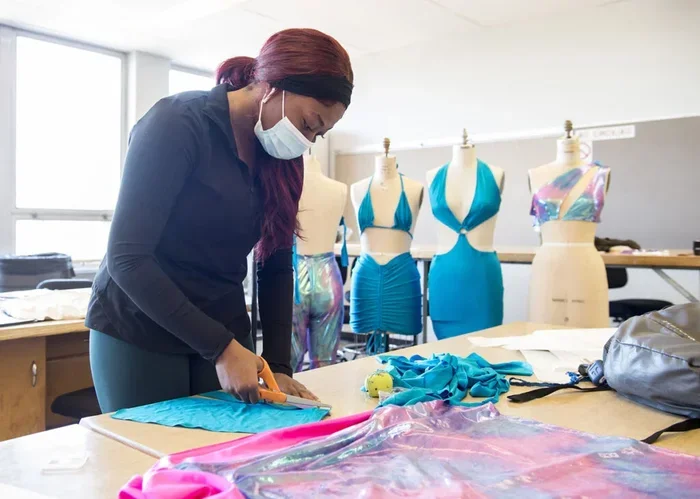
What education is needed to be a fashion designer? The answer is not a single path. Most successful designers hold a bachelor’s degree in fashion design or a related field, but many also build careers through short courses, self-study, and hands-on experience. This guide covers every education route, from formal degrees to portfolio-building tips, so you can choose the path that fits your goals.
Have you ever dreamed of seeing your designs on a runway or in a boutique? Maybe you sketch outfits in your notebook or love mixing patterns and textures. The fashion world is exciting, creative, and full of opportunity. But one question stops many aspiring designers in their tracks: what education is needed to be a fashion designer?
The truth is, there is no single answer. Some designers walk straight into the industry with a four-year degree. Others start with a six-month course and learn on the job. Like idioms for education remind us, learning can take many forms. This article breaks down every path so you can make a confident choice.
Fashion design is a blend of art, technical skill, and business sense. You need to understand fabrics, sewing, and design principles. You also need to know how the fashion industry works. Whether you are a teenager just starting to explore or an adult looking for a career change, the right education can set you up for success. Let us dive into the options.
Key Takeaways
- A formal degree is not always required: Many designers succeed with associate degrees, diplomas, or self-taught skills.
- Bachelor’s programs offer the most comprehensive training: They cover design, textiles, pattern making, and fashion business.
- A strong portfolio matters more than any diploma: Employers and clients judge you by your work, not just your degree.
- Internships and real-world experience accelerate learning: They connect you with industry professionals and build your network.
- Short courses and online programs are great starting points: They let you explore fashion design before committing to a full degree.
- Business and marketing skills are essential: Fashion design is as much about commerce as it is about creativity.
📑 Table of Contents
Understanding the Fashion Design Industry
What Does a Fashion Designer Actually Do?
A fashion designer creates clothing, accessories, and footwear. They sketch designs, choose fabrics, and oversee production. But the job goes far beyond just drawing pretty pictures. Designers must understand trends, consumer needs, and manufacturing processes. They also manage budgets, negotiate with suppliers, and market their brands.
The fashion industry is fast-paced and competitive. New collections come out every season. Designers must stay current with fashion trends and consumer preferences. They work in offices, studios, and sometimes on production floors. Some designers freelance, while others work for established brands or start their own labels.
Why Education Matters in Fashion
Education gives you a strong foundation. It teaches you the technical skills you need, like pattern making and textile science. It also exposes you to fashion history, design theory, and industry standards. Without formal training, you may struggle with the technical side of design, even if your creative vision is strong.
That said, education is not the only route. Many successful designers are self-taught or learned through apprenticeships. What matters most is your willingness to keep learning, whether in a classroom or on the job. Think of it like similes for education suggest, learning is a journey that never truly ends.
Formal Education Options for Fashion Designers
Bachelor’s Degree in Fashion Design
A bachelor’s degree is the most common path for aspiring fashion designers. Most programs take four years to complete. They cover a wide range of subjects, including design principles, sewing, textile science, fashion history, and merchandising.
Top fashion schools like Parsons, Parsons School of Design, and the Fashion Institute of Technology (FIT) offer highly respected programs. These schools provide access to industry connections, internship opportunities, and state-of-the-art facilities. A bachelor’s degree also opens doors to jobs at major fashion houses and retail brands.
Here is what a typical bachelor’s program includes:
- Design and illustration: Learning to sketch and develop concepts.
- Textile and fabric science: Understanding materials and their properties.
- Pattern making and draping: Technical skills for creating garments.
- Fashion history and theory: Context for design choices and trends.
- Business and marketing: How to sell and promote fashion products.
Associate Degree in Fashion Design
An associate degree takes about two years. It covers the basics of fashion design and is a great option if you want to enter the workforce quickly. Many community colleges and technical schools offer these programs. They focus on practical skills like sewing, pattern drafting, and garment construction.
An associate degree can lead to entry-level positions. You might start as a design assistant, pattern cutter, or textile tester. Some designers earn an associate degree first and then transfer credits toward a bachelor’s program later.
Diploma and Certificate Programs
Short-term diploma and certificate programs are another option. These programs last from a few months to one year. They focus on specific skills, such as fashion illustration, CAD (computer-aided design), or fashion marketing. They are ideal for people who want to test the waters before committing to a longer program.
Online platforms like Coursera, Skillshare, and MasterClass also offer fashion-related courses. These are flexible and affordable. They may not carry the same weight as a degree, but they can build your skills and add value to your fashion portfolio.
Skills You Need Beyond the Classroom
Technical Skills for Fashion Designers
Technical skills are the backbone of fashion design. You must know how to sew, even if you are not building every garment yourself. Understanding construction helps you communicate with manufacturers and pattern makers.
Key technical skills include:
- Sewing and garment construction: You should be comfortable with a sewing machine and hand stitching.
- Pattern making: Creating templates that form the basis of garments.
- Textile knowledge: Knowing how different fabrics drape, stretch, and wear.
- Computer-aided design (CAD): Using software like Adobe Illustrator and Photoshop for digital design.
- Fashion illustration: Drawing the human form in various poses to showcase designs.
Creative and Artistic Skills
Fashion design is an art form. You need a strong sense of color, proportion, and composition. Creativity drives innovation in fashion. The best designers push boundaries and set trends rather than follow them.
Developing your creative eye takes practice. Study the work of designers you admire. Visit museums, art galleries, and fashion shows. Pay attention to fashion trends in street style, music, and culture. Inspiration can come from anywhere, and training your eye is just as important as any classroom lesson.
Business and Communication Skills
Many aspiring designers overlook the business side. But fashion is a global industry worth billions of dollars. You need to understand branding, marketing, and retail. Even if you plan to launch your own label, you must know how to run a business.
Strong communication skills also matter. Designers work with teams of pattern makers, seamstresses, buyers, and marketers. You must be able to present your ideas clearly and collaborate effectively. Think of it this way, just as metaphors for education show, learning is a team effort, and fashion design is no different.
Building a Strong Portfolio
Why Your Portfolio Is Your Best Asset
In fashion, your portfolio speaks louder than any degree. Employers and clients want to see your best work. A strong portfolio showcases your design range, technical skills, and creative vision. It is often the deciding factor in hiring and freelance opportunities.
Your portfolio should include a mix of finished garments, sketches, and digital designs. Show variety in your work. Include both ready-to-wear pieces and more creative or avant-garde designs. Quality matters more than quantity. Ten strong pieces are better than fifty mediocre ones.
How to Start Building Your Portfolio
Start building your portfolio early, even while you are still in school. Include class projects, personal designs, and any freelance work you have done. As you gain experience, replace weaker pieces with stronger ones.
Here are some tips for a standout portfolio:
- Show your process: Include sketches, mood boards, and fabric swatches alongside finished pieces.
- Photograph your work professionally: Clean, well-lit photos make a huge difference.
- Keep it organized: Group your work by collection or theme.
- Include a personal statement: Explain your design philosophy and inspiration.
- Make it digital: Create an online portfolio website or use platforms like Behance.
Internships and Real-World Experience
The Value of Fashion Internships
Internships are one of the best ways to gain real-world experience. They let you work alongside professionals and learn the inner workings of the fashion industry. Many fashion schools have partnerships with brands and retailers that offer internship placements.
During an internship, you might assist with design development, fabric sourcing, or production. You will also build your professional network. Connections made during internships can lead to job offers and freelance opportunities after graduation.
How to Find Fashion Internships
Start by checking with your school’s career services office. Many programs have dedicated internship coordinators. You can also search on job boards like LinkedIn, Indeed, and fashion-specific sites like FashionUnited and Style Careers.
Do not overlook smaller brands and independent designers. They often offer more hands-on experience than large corporations. Even an unpaid internship at a small label can be more valuable than a passive role at a big company.
Alternative Education Paths
Self-Taught Fashion Designers
Not every successful designer has a formal degree. Some of the most creative minds in fashion are self-taught. They learned by doing, experimenting, and studying on their own time. Self-taught designers often have a unique perspective that sets them apart.
If you are self-taught, focus on building your skills and portfolio. Take free or low-cost online courses to fill in knowledge gaps. Attend workshops and fashion events to connect with the industry. Your lack of a degree matters less if your work speaks for itself.
Fashion Design Bootcamps
Bootcamps are intensive, short-term programs that teach fashion design skills quickly. They typically last from a few weeks to a few months. Bootcamps are great for people who want to pivot careers fast or need a focused skill boost.
Many bootcamps include hands-on projects and mentorship from industry professionals. They can be expensive, but the return on investment can be high if you land a job or launch a brand quickly afterward.
Online Learning and MOOCs
Massive Open Online Courses (MOOCs) have made fashion education more accessible than ever. Platforms like edX, Coursera, and Domestika offer courses from top fashion schools around the world. You can learn at your own pace and from the comfort of your home.
Online courses are not a replacement for a full degree, but they are excellent supplements. They let you explore specific topics like sustainable fashion, digital design, or fashion entrepreneurship. Many successful designers use online learning to stay updated on industry trends and techniques.
Comparing Education Paths
| Path | Duration | Cost | Best For |
|---|---|---|---|
| Bachelor’s Degree | 4 years | High | Comprehensive training and career advancement |
| Associate Degree | 2 years | Moderate | Quick entry into the workforce |
| Diploma/Certificate | 6 months to 1 year | Low to moderate | Skill building and career exploration |
| Bootcamp | 4 weeks to 3 months | Moderate to high | Fast career pivots and skill boosts |
| Self-Taught / Online | Flexible | Low | Creative freedom and budget-conscious learners |
Each path has its strengths. The best choice depends on your goals, budget, and timeline. There is no wrong answer, only the path that fits you best.
How to Choose the Right Fashion School
If you decide to pursue a formal degree, choosing the right school is critical. Look for programs accredited by recognized fashion education bodies. Consider the school’s industry connections, alumni success stories, and location. Schools in fashion hubs like New York, Paris, and Milan offer proximity to the industry.
Visit campuses if possible. Talk to current students and alumni. Ask about internship placements and job outcomes. A good school does more than teach design, it opens doors to opportunities you might not find on your own.
Conclusion
So, what education is needed to be a fashion designer? The answer is that education comes in many forms. A bachelor’s degree provides a strong foundation, but it is not the only path. Associate degrees, diplomas, bootcamps, online courses, and self-study all have value. What truly matters is your dedication to learning and growing as a designer.
Build your skills, create a powerful portfolio, and seek out real-world experience. Stay curious and keep up with fashion trends. The industry rewards those who are passionate, persistent, and willing to adapt. Your education journey is unique to you, and every step you take brings you closer to your dream.
Start where you are, use what you have, and do what you can. The world of fashion is waiting for your creativity. Embrace the journey and let your designs tell your story.
Frequently Asked Questions
Do I need a degree to become a fashion designer?
No, a degree is not strictly required. Many successful designers are self-taught or learned through internships and bootcamps. However, a degree can provide valuable technical training, industry connections, and credibility that help you stand out in a competitive field.
What is the best degree for a fashion designer?
A Bachelor of Fine Arts (BFA) in Fashion Design is widely considered the best option. It covers design, textiles, pattern making, and business skills. Some designers also study fashion merchandising, textile design, or apparel design depending on their career goals.
Can I become a fashion designer through online courses?
Yes, online courses can help you build skills and knowledge. Platforms like Coursera, Skillshare, and Domestika offer quality fashion design courses. However, online learning works best as a supplement to hands-on practice and portfolio building rather than a standalone path.
How long does it take to become a fashion designer?
It depends on your path. A bachelor’s degree takes four years, while an associate degree takes two. Bootcamps and certificate programs can be completed in weeks to months. Self-taught designers may take longer, but consistent practice and portfolio development can lead to opportunities faster than expected.
Is fashion school worth the investment?
Fashion school can be worth it if you choose a reputable program with strong industry ties. It provides structured learning, access to mentors, and internship opportunities. However, it is a significant financial investment, so weigh the costs against your career goals and alternatives before deciding.
What skills are most important for a fashion designer?
Key skills include sewing and garment construction, pattern making, textile knowledge, fashion illustration, and computer-aided design. Creativity, attention to detail, and business acumen are equally important. Strong communication and collaboration skills help designers work effectively in teams.


