
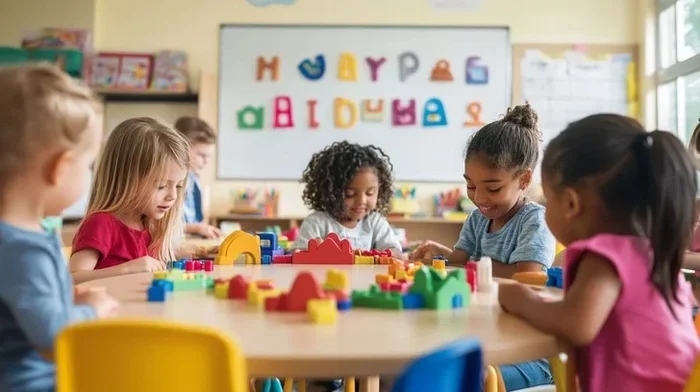
Early childhood education typically covers ages birth through eight, spanning preschool, pre-K, and kindergarten. Understanding the grade levels and learning milestones helps parents make informed choices. This guide breaks down every stage so you know exactly what to expect for your child.
Every parent wants the best start for their child. One of the biggest questions families ask is, what grades is early childhood education for? The answer might surprise you. Early childhood education covers a wide range of grade levels and learning stages that shape a young mind.
From birth to around age eight, children go through incredible growth. They learn language, build social skills, and develop cognitive abilities at a rapid pace. Early childhood education is designed to meet kids exactly where they are. It focuses on age-appropriate education that feels like play but builds real foundations.
In this article, we will walk through every educational stage in early childhood. You will learn what each grade level covers, what learning milestones to watch for, and how to choose the right path. Whether you are exploring preschool options or wondering about kindergarten readiness, this guide has you covered.
Key Takeaways
- Early childhood education spans birth to age eight: covering preschool, pre-K, and kindergarten as core stages.
- Grade levels vary by country and state: rules differ, so check your local requirements.
- Play-based learning drives development: young children learn best through hands-on activities and exploration.
- Social and emotional growth matters as much as academics: early classroom settings build essential life skills.
- School readiness starts at home: parents play a huge role in preparing children for each new educational stage.
📑 Table of Contents
What Is Early Childhood Education?
Early childhood education refers to the formal teaching and care of young children before they enter primary school. It is a broad term that covers many years of a child’s life. The goal is simple: support healthy child development during the most critical years of growth.
Experts define early childhood as the period from birth through age eight. During this time, the brain develops faster than at any other point in life. Early learning experiences shape how a child thinks, feels, and interacts with the world.
Why Early Childhood Education Matters
Research shows that high-quality early childhood education leads to better outcomes later in life. Children who participate in structured learning programs tend to score higher on reading assessments and math tests. They also show stronger problem-solving skills and better emotional regulation.
Here is why it matters so much:
- Brain development peaks during the first five years of life.
- Language skills grow rapidly between ages two and six.
- Social habits formed early often last a lifetime.
- School readiness depends heavily on early learning experiences.
- Confidence and curiosity are built during these formative years.
Think of early childhood education as the foundation of a house. Without a solid base, the walls above struggle. The same goes for a child’s future learning. Strong early years education sets the stage for everything that follows.
What Grades Does Early Childhood Education Cover?
The grade levels included in early childhood education can vary depending on where you live. However, most systems follow a similar pattern. Let us break down each educational stage so you know exactly what to expect.
Infant and Toddler Care (Birth to Age 3)
Many people do not think of infant care as early childhood education. But it absolutely is. From birth, babies are learning every single day. They absorb language, recognize faces, and start building cognitive development through simple interactions.
Quality infant and toddler programs focus on:
- Sensory exploration through touch, sound, and sight.
- Language exposure through songs, stories, and conversation.
- Motor skill development like crawling, walking, and grasping.
- Secure attachment with caring adults.
- Routine building that creates a sense of safety.
This stage is all about developmental readiness. There are no formal grades or report cards. But the learning milestones happening during these years are profound. A nurturing classroom setting at this age makes a huge difference.
Preschool (Ages 3 to 4)
Preschool is often the first formal educational stage many children experience. It typically serves children ages three through four. Preschool is where early learning really starts to take shape in a structured way.
In a quality preschool program, children work on:
- Letter recognition and basic literacy skills.
- Number awareness and simple numeracy concepts.
- Color and shape identification through hands-on activities.
- Sharing and cooperation with peers.
- Fine motor skills like cutting, drawing, and painting.
Most preschool programs use play-based learning as their core approach. Children learn by doing, not by sitting still. A good preschool teacher knows how to turn a simple activity into a rich learning experience. This is where many kids first discover the joy of early childhood education.
Pre-Kindergarten (Ages 4 to 5)
Pre-K bridges the gap between preschool and kindergarten. It is designed for children ages four to five who are getting ready for the next big step. Pre-K programs are more structured than preschool and focus heavily on school readiness.
Key areas of focus in pre-K include:
- Phonemic awareness — hearing and playing with sounds in words.
- Early writing skills — tracing letters and drawing shapes.
- Counting and sorting — building foundational math skills.
- Following multi-step directions — a key classroom skill.
- Emotional regulation — learning to manage feelings in a group.
Some states offer free pre-K programs, while others are part of private schools or community centers. The curriculum in pre-K is designed to align with kindergarten learning standards. This ensures children enter kindergarten with the skills they need to thrive.
Kindergarten (Ages 5 to 6)
Kindergarten is often the first official grade level in a child’s school journey. In many places, kindergarten is part of elementary school. Children typically enter kindergarten at age five and complete it by age six.
Kindergarten blends play with more formal instruction. A typical kindergarten day includes:
- Reading time with picture books and guided literacy activities.
- Math lessons using manipulatives like blocks and counters.
- Science exploration through simple experiments and nature walks.
- Art and music to encourage creativity and self-expression.
- Group activities that build social skills and teamwork.
Kindergarten learning milestones include knowing the alphabet, counting to twenty, and recognizing basic sight words. Teachers assess each child’s developmental readiness and tailor instruction accordingly. This is a pivotal year in early childhood education.
How Grade Levels Differ by Region
Early childhood education looks different depending on where you live. In the United States, grade levels can vary from state to state. Some states start formal schooling at age five, while others begin at age four. Let us look at a quick comparison.
| Stage | Typical Age Range | Common Name | Focus Area |
|---|---|---|---|
| Infant Care | Birth to 12 months | Daycare or Nursery | Attachment and sensory growth |
| Toddler Program | 1 to 3 years | Toddler Care | Motor skills and language |
| Preschool | 3 to 4 years | Pre-School | Play-based learning basics |
| Pre-Kindergarten | 4 to 5 years | Pre-K | School readiness skills |
| Kindergarten | 5 to 6 years | K or Grade K | Foundational academics |
In countries like the UK, early years education starts with the Reception year at age four to five. In Australia, it is called preschool or kindergarten depending on the state. No matter the label, the core idea remains the same. Young children learn best through play-based learning and hands-on exploration.
It is worth noting that some regions use the term elementary school to include kindergarten through fifth or sixth grade. In those systems, early childhood education covers the earliest years within the elementary framework. Always check your local educational stage guidelines to understand what applies in your area.
Choosing the Right Early Childhood Program
Not all early childhood education programs are created equal. Choosing the right one for your child can feel overwhelming. But a few key factors can help you make a confident decision.
What to Look For in a Program
When evaluating preschool or kindergarten options, keep these factors in mind:
- Teacher qualifications: Are the teachers trained in child development and early learning methods?
- Class size: Smaller groups allow for more individual attention and better learning outcomes.
- Curriculum approach: Does the program use play-based learning or a more academic model?
- Safety and environment: Is the classroom setting clean, safe, and welcoming?
- Parent communication: Do teachers share regular updates on learning milestones?
Visit the program in person if you can. Watch how children interact with each other and their teachers. A good early childhood education program feels warm, engaging, and purposeful. The children should look curious and happy.
Quick Tips for Parents
Here are some practical tips to help you navigate the world of early childhood education:
- Start early. Even infant programs can provide valuable learning experiences and social exposure.
- Ask questions. Do not be afraid to ask about the curriculum and daily routines.
- Trust your instincts. You know your child best. If a program feels right, it probably is.
- Visit multiple options. Comparing programs side by side helps you see what fits your family.
- Support learning at home. Reading together, counting objects, and playing make-believe all reinforce early learning.
Remember, the best educational stage for your child is one that matches their personality and needs. Some kids thrive in structured classroom settings. Others do better with more free play and exploration. Both approaches have value in early childhood education.
The Role of Parents in Early Learning
Parents are a child’s first and most important teachers. Early childhood education works best when it extends beyond the classroom setting and into the home. Simple daily activities can boost child development in powerful ways.
You do not need a teaching degree to support your child’s learning milestones. Reading bedtime stories builds literacy skills. Cooking together introduces numeracy concepts like counting and measuring. Even a walk in the park can spark curiosity about nature and science.
Research in child development consistently shows that parental involvement leads to stronger academic performance. Children whose parents engage in early learning activities at home enter school with a clear advantage. This advantage compounds over time, making school readiness feel natural and exciting rather than stressful.
Also, using rich language at home helps children build social skills and vocabulary. When you describe what you are doing, name emotions, and ask open-ended questions, you are giving your child the tools they need to succeed in any educational stage. Early childhood education is a partnership between home and school.
Common Mistakes Parents Make
Even the most loving parents can stumble when it comes to early childhood education. Here are some common mistakes to avoid:
- Waiting too long to start. Early learning begins at birth. Delaying educational opportunities can miss critical windows of brain development.
- Overemphasizing academics. Young children learn best through play. Pushing too much formal instruction too early can backfire.
- Ignoring social-emotional needs. School readiness is not just about ABCs and 123s. Emotional intelligence matters just as much.
- Choosing a program based on convenience alone. Location matters, but the quality of early childhood education matters more.
- Not staying involved. Your role does not end when you drop your child off. Stay engaged with their learning journey.
Avoiding these pitfalls can help your child get the most out of every educational stage. Small changes in how you approach early learning can lead to big results over time.
The Big Picture: Why Early Childhood Education Sets the Stage for Life
Early childhood education is so much more than ABCs and counting. It is about building a whole child. When we invest in quality early years education, we invest in stronger communities and brighter futures. Children who receive strong early learning experiences are more likely to graduate high school, earn higher incomes, and build healthier relationships.
The grade levels within early childhood education — from infant care through kindergarten — each play a unique and vital role. No single stage is more important than another. Together, they form a complete educational journey that prepares children for the elementary school years and beyond.
Understanding what grades is early childhood education for helps parents make empowered choices. It removes the mystery and replaces it with clarity. You can walk into any preschool or kindergarten program with confidence, knowing exactly what your child needs and when they need it.
So take the time to explore your options. Ask questions. Visit programs. Trust your knowledge of your own child. Early childhood education is one of the greatest gifts you can give. And the right grade level at the right time can set your child on a path of lifelong learning and discovery.
Like building blocks of learning, each early learning experience adds another layer of strength. Much like planting seeds in fertile soil, the care and attention you give during these years will grow into something remarkable. And just as education is the key to the world, early childhood education is the first key your child will ever hold.
Frequently Asked Questions
What ages does early childhood education cover?
Early childhood education typically covers birth through age eight. This includes infant care, toddler programs, preschool, pre-K, and kindergarten. Each educational stage focuses on different developmental milestones appropriate for the child’s age.
Is preschool the same as pre-kindergarten?
No, they are not the same. Preschool usually serves children ages three to four, while pre-K is for children ages four to five. Pre-K is more structured and focuses on school readiness skills that prepare children for kindergarten.
Do all states require kindergarten?
Kindergarten requirements vary by state. Some states require children to attend kindergarten, while others make it optional. Regardless, most elementary school systems expect children to have basic literacy skills and numeracy foundations before entering first grade.
What is the difference between early childhood education and elementary school?
Early childhood education covers the years from birth to about age eight, including preschool and kindergarten. Elementary school typically starts with first grade and goes through fifth or sixth grade. The grade levels in early childhood focus on foundational child development rather than formal academics.
How can I tell if my child is ready for preschool?
Look for signs like basic language skills, the ability to follow simple directions, and some comfort with separation from parents. Most children are ready for preschool by age three. However, every child develops at their own pace, so trust your instincts and consult with educators.
Why is play-based learning important in early childhood education?
Play-based learning allows children to explore, create, and problem-solve in a natural way. It supports cognitive development, social skills, and emotional growth. Young children retain more information when they are actively engaged and having fun.
=== CONCLUSION ===
Early childhood education covers a remarkable range of grade levels and learning stages that shape your child’s future. From infant care through kindergarten, each educational stage builds on the last. Understanding these grade levels empowers you to make the best choices for your family.
Remember that play-based learning, social development, and cognitive growth all matter equally during these early years. Choose programs that align with your child’s personality and needs. Stay involved at home, and celebrate every learning milestone along the way.
Your child’s early years are precious. Investing in quality early childhood education is one of the most powerful things you can do as a parent. Start today, and watch your child thrive tomorrow.


