
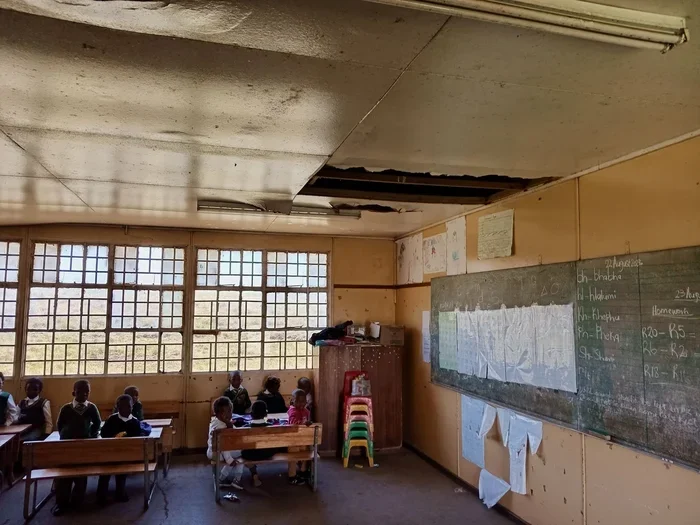
Many countries struggle with education, but a few stand out as having the weakest systems in the world. Factors like low literacy rates, poor funding, and lack of trained teachers contribute to the worst education system rankings. Understanding these challenges helps us appreciate the global education inequality that affects millions of children every day.
When we talk about education systems around the world, some countries shine while others struggle badly. The question of what country has the worst education doesn’t have a single simple answer. Many factors come into play, from funding and teacher training to school infrastructure and access to learning materials.
Globally, millions of children face barriers to quality learning every single day. Some nations simply don’t have the resources to provide basic education to their citizens. In this article, we’ll dive deep into the countries with the weakest education systems, explore why they struggle, and look at what the world is doing to help.
The global education quality conversation matters because every child deserves a chance to learn. Whether it’s through international aid, education reform, or grassroots efforts, understanding the problem is the first step toward fixing it. Let’s break it all down.
Key Takeaways
- Low Rankings: Countries like South Sudan, Somalia, and Eritrea consistently rank among the worst education systems globally.
- Funding Matters: Underfunded schools and low education spending per student directly impact learning outcomes.
- Teacher Shortages: Many nations with poor education systems lack properly trained and qualified teachers.
- Literacy Rates: Countries with the worst systems often have extremely low adult and youth literacy rates.
- Infrastructure Gaps: Poor school infrastructure, including lack of classrooms and learning materials, worsens education quality.
- Global Awareness: Understanding these rankings helps drive education reform and international support.
📑 Table of Contents
- How Countries Are Ranked for Education Quality
- Countries With the Worst Education Systems
- Why Do Some Countries Have the Worst Education Systems?
- What Is Being Done to Improve Global Education?
- How We Can Compare Education Systems
- Common Mistakes People Make When Discussing Education Rankings
- Key Takeaways
- Conclusion
How Countries Are Ranked for Education Quality
Understanding Education System Rankings
Several organizations rank countries based on their education system ranking. Groups like the UNESCO Institute for Statistics, the World Economic Forum, and the OECD publish reports every year. They look at things like literacy rates by country, school enrollment, and student performance metrics.
These rankings use different methods, but most focus on a few key areas:
- Literacy and numeracy rates among children and adults
- School enrollment at primary, secondary, and tertiary levels
- Teacher-to-student ratios and teacher qualifications
- Public education funding per student
- Learning outcomes and standardized test scores
- School infrastructure and access to resources
No single ranking is perfect. Each one has its own strengths and weaknesses. But when multiple rankings agree, we can see clear patterns emerge about which nations have the weakest education systems worldwide.
Why Rankings Matter
Rankings aren’t just numbers on a page. They reflect real lives. A low ranking often means children in that country have fewer opportunities. It can affect everything from future job prospects to overall health and well-being. That’s why tracking education quality worldwide is so important for global development.
Countries With the Worst Education Systems
South Sudan
South Sudan often tops the list of countries with the worst education system. The nation has faced decades of conflict, which destroyed much of its infrastructure. Schools are scarce, especially in rural areas. Many children have never set foot in a classroom.
Here are some stark facts about education in South Sudan:
- Adult literacy rates hover around 27%, one of the lowest in the world
- Over half of children aged 6 to 15 are out of school
- There is a severe shortage of trained teachers
- Many schools lack basic supplies like books and desks
- Girls face especially high barriers to education
The education crisis in South Sudan is deeply tied to the ongoing conflict. When families are displaced, schooling becomes a luxury rather than a right. Education inequality runs deep, with rural communities suffering the most.
Somalia
Somalia has also struggled with its education system for decades. Years of civil war and political instability have made it nearly impossible to build a consistent, quality education framework. Many schools operate informally or under the guidance of religious organizations.
Key challenges in Somalia include:
- Low school enrollment rates, especially for girls
- Few qualified teachers, with many having only basic training
- Limited public education funding from the government
- Frequent school closures due to conflict or natural disasters
- A curriculum that varies widely between regions
Despite these challenges, there are organizations working hard to improve education access in Somalia. NGOs and international aid groups have built schools and trained teachers in some areas. Progress is slow, but it’s happening.
Eritrea
Eritrea is another nation that ranks very low in global education quality assessments. The government controls the education system tightly, and there is limited freedom for independent schools or educational programs. Many children leave school early to work or help support their families.
Some of Eritrea’s biggest education hurdles include:
- Mandatory military service that pulls teens out of school
- A lack of secondary school infrastructure in rural areas
- Very low dropout rates at higher education levels
- Limited curriculum that doesn’t always meet international standards
- Insufficient investment in teacher training programs
The combination of political control and economic hardship creates a tough environment for learning. Education reform in Eritrea faces significant obstacles, but awareness is growing.
Other Nations Struggling With Education
South Sudan, Somalia, and Eritrea aren’t the only countries facing challenges. Several other nations also rank poorly in education system ranking reports:
- Central African Republic: Decades of instability have left schools damaged and understaffed.
- Niger: Extreme poverty and cultural barriers limit education access for many children.
- Chad: Low spending on schools and a high teacher-to-student ratio hurt learning outcomes.
- Afghanistan: Political changes have dramatically affected who can attend school, especially girls.
- Myanmar: Conflict and displacement have disrupted education for millions of children.
Each of these countries has its own unique set of challenges. But they share common themes: poverty, conflict, and a lack of investment in school infrastructure.
Why Do Some Countries Have the Worst Education Systems?
Poverty and Economic Challenges
Money matters when it comes to education. Countries with low GDP often can’t afford to build schools, pay teachers fairly, or buy learning materials. Public education funding is the lifeblood of any education system, and when it’s lacking, the whole system suffers.
In wealthy nations, governments invest heavily in education spending per student. In poorer nations, families often have to cover costs that should be handled by the government. This creates a cycle where poverty limits education, and limited education perpetuates poverty.
Conflict and Political Instability
War and political unrest destroy schools and displace families. When children are fleeing violence or living in refugee camps, attending school becomes nearly impossible. Education inequality worsens during conflicts because the most vulnerable children are the ones who fall through the cracks.
Think about it this way. You can’t learn if you’re hungry, scared, or displaced. Learning outcomes depend on stability, and stability depends on peace.
Lack of Trained Teachers
Teachers are the backbone of any education system. But in countries with the worst systems, there simply aren’t enough qualified teachers. Many teachers have only a basic education themselves. Teacher training programs are either underfunded or nonexistent.
Without well-trained teachers, students can’t learn effectively. It doesn’t matter how many schools are built if there’s no one qualified to teach inside them. This is one of the most critical education reform priorities for struggling nations.
Cultural and Gender Barriers
In some countries, cultural norms prevent certain groups from attending school. Girls, in particular, face barriers to education in many parts of Africa and Asia. Early marriage, household responsibilities, and safety concerns all contribute to lower school enrollment rates for girls.
Breaking these barriers requires community-level change alongside government action. When girls are educated, entire communities benefit. The ripple effects of education access for girls extend far beyond the classroom.
What Is Being Done to Improve Global Education?
International Aid and Organizations
Organizations like UNESCO, UNICEF, and the World Bank work tirelessly to improve education systems worldwide. They fund school construction, train teachers, and provide learning materials to communities in need. The Global Partnership for Education is one of the biggest efforts to bring quality schooling to the world’s poorest nations.
These organizations also track education quality worldwide through data collection and reporting. Their work helps identify which countries need the most support and where resources should be directed.
Grassroots and Local Efforts
While international aid is important, local efforts often make the biggest difference. Community-led schools, parent associations, and local NGOs understand the unique challenges their areas face. They can tailor solutions in ways that global organizations sometimes can’t.
For example, in some regions, community members have built their own schools using local materials. Teachers have been trained through peer-to-peer programs when formal teacher training programs weren’t available. These grassroots solutions are creative, cost-effective, and deeply impactful.
The Role of Technology
Technology is opening new doors for education in underserved areas. Mobile learning platforms, solar-powered tablets, and radio-based lessons are reaching children who would otherwise have no access to schooling. While technology alone can’t fix a broken system, it’s a powerful tool for expanding education access.
Imagine a child in a remote village with no school nearby. A simple tablet loaded with lessons can change everything. That’s the promise of educational technology in the developing world.
How We Can Compare Education Systems
Key Metrics for Comparison
Comparing education systems worldwide isn’t always straightforward. Different countries have different needs, resources, and cultural contexts. But here are some of the most useful metrics for comparison:
- Adult literacy rate as a percentage of the population
- Net enrollment ratio for primary and secondary school
- Completion rate for each level of education
- Government spending on education as a percentage of GDP
- Student-teacher ratio in public schools
- Standardized test scores in reading and math
A Quick Look at the Numbers
The table below shows a simplified comparison of education metrics for some of the countries often cited as having the weakest systems:
- South Sudan: Adult literacy around 27%, over 50% of children out of school, extremely low government spending on education.
- Somalia: Adult literacy around 38%, low enrollment especially for girls, heavy reliance on informal and religious schools.
- Eritrea: Adult literacy around 43%, high dropout rates due to mandatory military service, limited secondary school access.
- Central African Republic: Adult literacy around 37%, many schools damaged or destroyed by conflict, severe teacher shortages.
- Niger: Adult literacy around 35%, one of the lowest enrollment rates globally, cultural barriers especially for girls.
These numbers tell a sobering story. But they also highlight where the world needs to focus its efforts. Every percentage point increase in literacy rates by country represents thousands of lives changed for the better.
Common Mistakes People Make When Discussing Education Rankings
It’s easy to oversimplify the conversation about the worst education system. Here are a few common mistakes to avoid:
- Assuming one ranking tells the whole story: Different organizations use different criteria. Always look at multiple sources before drawing conclusions.
- Ignoring progress: Some countries that rank low today were in even worse positions a decade ago. Change takes time, and progress should be acknowledged.
- Blaming only the government: Education challenges are complex. Poverty, culture, conflict, and geography all play a role.
- Overlooking success stories: Even in the weakest systems, there are often pockets of excellence. Some schools and communities are beating the odds.
- Forgetting the human element: Behind every statistic is a child with hopes and dreams. Education rankings should never lose sight of the people they represent.
When we discuss education inequality and global rankings, we need to keep a balanced perspective. The goal isn’t to shame countries but to understand challenges and support solutions.
Key Takeaways
- Global rankings vary: South Sudan, Somalia, Eritrea, and the Central African Republic consistently appear among the countries with the weakest education systems.
- Multiple factors drive poor outcomes: Poverty, conflict, lack of trained teachers, and low funding all contribute to weak education systems worldwide.
- Progress is possible: International aid, grassroots efforts, and technology are helping to improve education access in the hardest-hit regions.
- Teacher quality is critical: Investing in teacher training programs is one of the most effective ways to boost learning outcomes.
- Gender equality matters: Removing barriers to girls’ education has a multiplier effect on entire communities and economies.
- Infrastructure and funding go hand in hand: Without adequate public education funding, even the best-intentioned reforms fall short.
- Every child deserves a chance: Understanding the worst education system challenges is the first step toward meaningful education reform and a more equitable world.
Conclusion
The question of what country has the worst education doesn’t have a single answer, because education challenges are deeply complex and interconnected. Countries like South Sudan, Somalia, Eritrea, and the Central African Republic face enormous obstacles, but they are not defined by their struggles. Every nation has the potential to improve its education system with the right support, investment, and commitment.
Understanding global education quality helps us all become more informed global citizens. When we learn about the challenges facing the world’s most vulnerable learners, we can better advocate for change. Whether through supporting international organizations, volunteering, or simply staying informed, everyone has a role to play.
The road to better education systems worldwide is long, but it’s not hopeless. With continued focus on education reform, increased public education funding, and a commitment to education equality, we can make sure more children everywhere get the chance to learn, grow, and thrive. The future of global education starts with understanding where we are today and working together to build a better tomorrow.
If you’re interested in how language shapes our understanding of learning, check out our collection of similes for education, metaphors for education, and idioms for education. These literary tools help us express the power and importance of learning in vivid, memorable ways.
Frequently Asked Questions
What country is considered to have the worst education system in the world?
South Sudan is frequently cited as having the worst education system globally. Factors like decades of conflict, extremely low literacy rates, and a severe shortage of schools and trained teachers contribute to this ranking. Somalia and Eritrea are also consistently near the bottom of education system ranking reports.
Why do some countries have such poor education systems?
Poverty, political instability, and conflict are the biggest drivers of weak education systems. When governments can’t fund schools or when families are displaced by war, children lose access to learning. A lack of trained teachers and poor school infrastructure also play major roles in the education crisis facing many developing nations.
How are education systems ranked internationally?
Organizations like UNESCO, the World Economic Forum, and the OECD use various metrics to rank education systems worldwide. They look at literacy rates, enrollment numbers, teacher qualifications, government spending on education, and student performance metrics. No single ranking is definitive, so experts recommend looking at multiple sources.
Can countries with the worst education systems improve?
Absolutely. Many nations have made significant progress despite starting from a very low baseline. International aid, education reform, community-led initiatives, and investment in teacher training programs have all helped improve outcomes. The key is sustained commitment and funding over time.
Does gender play a role in education access in struggling countries?
Yes, gender is a major factor. In many countries with weak education systems, girls face cultural and economic barriers to attending school. Early marriage, safety concerns, and household responsibilities often prevent girls from enrolling or completing their education. Improving education access for girls has been shown to transform entire communities.
What can individuals do to help improve global education?
There are many ways to get involved. Supporting organizations like UNESCO, UNICEF, or the Global Partnership for Education makes a direct impact. Volunteering with local or international education programs helps too. Even spreading awareness about education inequality and education reform can inspire others to take action.
=== END ===


