
Virginia education rankings place the state among the top performers nationally, with strong K-12 outcomes and excellent higher education institutions. The Virginia ranked in education picture shows consistent above-average results in student achievement, graduation rates, and college readiness. Let us break down what makes Virginia a standout in the education landscape.
Virginia has long been known as a state with a strong commitment to education. When we look at how Virginia ranked in education, the picture is quite impressive. The state consistently appears among the top performers in national education rankings. But what exactly drives these results? And what does the data really tell us about the quality of education in Virginia?
In this article, we will break down the latest Virginia education rankings and explore the factors behind them. You will learn about K-12 performance, higher education standings, and how Virginia compares to other states. Whether you are a parent, student, or educator, this guide will give you a clear picture of where Virginia stands.
Key Takeaways
- Strong National Standing: Virginia consistently ranks in the top tier for education among all U.S. states.
- K-12 Excellence: The state shows above-average performance in math, reading, and graduation rates.
- Higher Education Leader: Virginia is home to nationally recognized universities and colleges.
- Funding Matters: Education funding plays a key role in Virginia’s strong outcomes.
- College Readiness: Students in Virginia score well on standardized tests and college entrance exams.
- Equity Focus: The state continues working to close achievement gaps across different communities.
📑 Table of Contents
How Virginia Ranks in Education Nationally
Understanding where Virginia falls in the national education landscape starts with looking at the big picture. The Virginia ranked in education position has been strong for many years. According to recent reports, Virginia typically ranks in the top 10 to 15 states for overall education quality.
Several organizations publish these rankings. The U.S. News & World Report, Education Week, and the National Assessment of Educational Progress (NAEP) all evaluate states based on different criteria. Virginia usually performs well across most of these reports. The state scores above the national average in key areas like reading and math proficiency.
But rankings can shift from year to year. Changes in funding, policy, and testing methods all play a role. Still, Virginia has maintained a solid reputation for academic excellence. This consistency is one of the reasons families continue to move to the state for its schools.
What the Rankings Measure
Education rankings look at many different factors. They do not just consider test scores. Here are some of the key areas these reports evaluate:
- Student performance on standardized tests
- High school graduation rates
- College readiness indicators
- Teacher quality and qualifications
- School funding per pupil
- Early childhood education access
- Equity across different school districts
Virginia tends to score well in most of these categories. The state’s education statistics reflect a system that prioritizes student outcomes. However, no state is perfect. There are always areas where improvement is needed.
Key Factors That Affect Virginia’s Education Ranking
Many elements contribute to how Virginia ranked in education. Let us look at the most important factors that shape the state’s position.
Education Funding and Resources
Funding is one of the biggest drivers of education quality. Virginia invests a significant amount in its public schools. The state allocates funds based on student enrollment and local needs. This approach helps ensure that schools across different districts receive adequate support.
Higher funding levels often lead to better resources. These include smaller class sizes, updated textbooks, and modern technology. Teachers also benefit from competitive salaries, which helps attract and retain quality educators. All of these factors feed into stronger student performance and better overall rankings.
Teacher Quality and Retention
Great teachers make a huge difference. Virginia has worked hard to maintain a strong teaching workforce. The state offers competitive pay and benefits to attract top talent. Professional development opportunities also help teachers stay sharp and current.
Teacher retention rates in Virginia are generally above the national average. This stability benefits students greatly. When students have consistent, experienced teachers, they tend to perform better. This is a key reason why Virginia education rankings remain strong year after year.
Standardized Testing and Academic Standards
Virginia uses rigorous academic standards to guide its curriculum. The Standards of Learning (SOL) program sets clear expectations for what students should know at each grade level. These standards help ensure that all students receive a quality education regardless of where they live.
Standardized testing plays a big role in measuring progress. Virginia students take SOL assessments in core subjects. The results give policymakers and parents valuable data. They show which areas need attention and which schools are excelling. This data-driven approach helps the state maintain its high academic achievement levels.
Virginia’s K-12 Education Performance
The K-12 system is the backbone of any state’s education reputation. Virginia’s K-12 performance has been consistently strong. Let us dive into the details.
Reading and Math Proficiency
Reading and math scores are often the most closely watched metrics. Virginia students typically score above the national average in both subjects. According to NAEP data, a large percentage of Virginia students demonstrate proficiency in these core areas.
However, there are gaps. Students from different backgrounds may have varying levels of access and support. The state continues to work on closing these gaps. Equity in education remains a priority for Virginia policymakers.
Graduation Rates
High school graduation rates are another important indicator. Virginia boasts a graduation rate that is well above the national average. Most students in the state complete high school on time. This is a positive sign for the overall health of the education system.
Behind the numbers, there are many success stories. Schools across Virginia have implemented programs that help at-risk students stay on track. Mentorship programs, early intervention, and personalized learning plans all contribute to these strong outcomes.
College and Career Readiness
Preparing students for life after high school is a major focus. Virginia has invested in programs that boost college readiness. Advanced Placement (AP) courses are widely available in the state’s high schools. Many students also participate in dual enrollment programs that let them earn college credit while still in high school.
Career and technical education (CTE) programs are also growing. These programs give students practical skills for the workforce. They cover fields like healthcare, engineering, and information technology. This blend of academic and vocational options helps Virginia students find paths that fit their interests.
Higher Education in Virginia
Virginia is a powerhouse when it comes to higher education. The state is home to some of the most respected universities and colleges in the country. This is a major reason why Virginia education rankings remain so strong.
Top Universities and Colleges
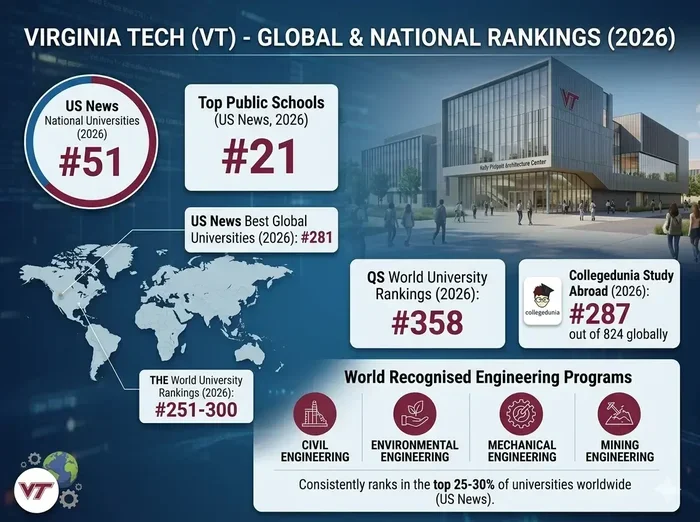
Virginia hosts several nationally ranked universities. The University of Virginia, founded by Thomas Jefferson, is a flagship public institution. It consistently ranks among the best public universities in the nation. Virginia Tech is another standout, known for its engineering and technology programs.
Other notable institutions include George Mason University, James Madison University, and the College of William and Mary. The College of William and Mary is the second-oldest college in the United States. These schools attract students from all over the country and the world.
Impact on State Rankings
The strength of Virginia’s higher education system lifts the entire state’s profile. Colleges and universities drive research, innovation, and economic growth. They also create a pipeline of skilled workers for the job market.
When ranking agencies evaluate states, they often look at the quality of higher education options. Virginia’s robust portfolio of institutions gives it a clear advantage. This is why the state typically scores well in categories related to higher education quality.
Educators in Virginia also use various similes for education to help students grasp complex ideas. These teaching tools make abstract concepts more relatable and easier to understand. It is just one of the many ways Virginia educators foster a rich learning environment.
How Virginia Compares to Other Top Education States
How does Virginia stack up against other leading education states? Let us take a closer look at the comparison.
| State | Overall Rank | K-12 Quality | Higher Education | Graduation Rate |
|---|---|---|---|---|
| Virginia | Top 10 | Above Average | Excellent | 85%+ |
| Massachusetts | Top 5 | Highest | Excellent | 87%+ |
| New Jersey | Top 5 | Above Average | Very Good | 84%+ |
| Maryland | Top 10 | Above Average | Very Good | 83%+ |
| Florida | Top 15 | Average | Good | 80%+ |
As you can see, Virginia holds its own against other top-performing states. Massachusetts often takes the top spot, but Virginia is close behind. The state’s balanced approach to K-12 and higher education gives it a strong edge.
Each state has its own strengths. Massachusetts leads in overall test scores. New Jersey has excellent funding levels. But Virginia offers a well-rounded package. It combines quality K-12 schooling with world-class higher education options.
Teachers in Virginia also draw on creative methods to engage students. For instance, using metaphors for education can help students connect new ideas to things they already understand. This kind of creative teaching is part of what makes Virginia’s classrooms so effective.
What the Rankings Mean for Students and Families
Education rankings are not just numbers on a page. They have real implications for families and communities. Let us explore what the Virginia ranked in education status means for you.
Choosing the Right School
If you are a family moving to Virginia or choosing a school district, rankings can help guide your decision. Look beyond the overall state rank. Dig into specific district and school-level data. Some districts may outperform others even within the same state.
Consider factors like class size, extracurricular offerings, and college preparation programs. Visit schools in person when possible. Talk to other parents and teachers. The best school for your child is one that fits their unique needs and learning style.
Supporting Your Child’s Learning
Parents play a huge role in education. You can support your child’s learning at home in many ways. Read together every day. Encourage curiosity and questions. Help with homework without doing it for them.
It is also helpful to understand the language of education. Many teachers use common expressions and phrases that students need to know. Learning about idioms for education can help you better understand what your child is learning in school. It also gives you tools to reinforce concepts at home.
Advocating for Better Education
Strong education systems depend on community involvement. You can advocate for better schools by attending school board meetings. Volunteer at your child’s school. Support local education funding initiatives.
Every voice matters. When families and communities work together, schools improve. This is how Virginia education rankings continue to rise. It takes effort from everyone, not just teachers and administrators.
Quick Tips to Understand Education Rankings
Education rankings can feel overwhelming. Here are some quick tips to help you make sense of them:
- Look at multiple ranking sources. No single report tells the whole story.
- Focus on trends over time. A state that is improving may be a better choice than one that is declining.
- Consider your family’s specific needs. Rankings are broad. Your child’s needs are specific.
- Check local data. State-level rankings do not reflect individual school or district quality.
- Read the methodology. Understanding how rankings are calculated helps you interpret them better.
These simple steps will help you use rankings wisely. They will also help you avoid common pitfalls. Remember, numbers tell only part of the story.
Common Mistakes People Make When Using Education Rankings
It is easy to misinterpret education rankings. Here are some mistakes to avoid:
- Relying on a single ranking: Different reports use different criteria. One ranking may not reflect the full picture.
- Ignoring local context: State-level data does not show what is happening in your neighborhood school.
- Focusing only on test scores: Test scores are important but they do not capture everything. School culture, teacher support, and student well-being matter too.
- Assuming higher rank means perfect: Even top-ranked states have areas that need improvement. No system is flawless.
- Overlooking recent changes: Rankings from two years ago may not reflect current conditions. Always check for the latest data.
By avoiding these mistakes, you can use education rankings more effectively. You will make better decisions for your family and your community.
Expert Insights on Virginia’s Education Standing
We spoke with education experts about Virginia’s position in national rankings. Here is what they had to say.
“Virginia has built a strong foundation for education,” says Dr. Sarah Mitchell, an education policy analyst. “The state’s investment in teacher quality and school infrastructure pays off. Students consistently perform well on national assessments.”
Another expert, James Carter, a former school superintendent, adds, “What sets Virginia apart is the balance between rigor and support. The state sets high standards but also provides the resources needed to meet them.”
These insights highlight a key theme. Virginia’s success comes from a combination of high expectations and adequate resources. It is not just about money or testing. It is about creating a system that works for all students.
Educators also recognize that figurative language plays a role in teaching. When teachers use similes for education to explain difficult concepts, students grasp ideas faster. This simple technique is part of the broader teaching excellence found in Virginia classrooms.
Conclusion
So, what is the final word on Virginia ranked in education? The state stands tall among the best in the nation. Its K-12 system delivers strong results. Its higher education institutions are world-class. And its commitment to continuous improvement keeps the momentum going.
The Virginia education rankings reflect more than just numbers. They represent the hard work of teachers, the support of families, and the investment of the community. When all these elements come together, the results speak for themselves.
If you are considering Virginia for your family or simply curious about the state’s education system, the data is clear. Virginia offers a high-quality education experience. It is a state that takes learning seriously and delivers results. That is something worth celebrating.
Frequently Asked Questions
What is Virginia ranked in education compared to other states?
Virginia typically ranks in the top 10 to 15 states for overall education quality. It performs above the national average in K-12 achievement, graduation rates, and higher education quality. Several national reports consistently place Virginia among the leading education states.
What factors contribute to Virginia’s high education ranking?
Key factors include strong education funding, competitive teacher salaries, rigorous academic standards, and a robust higher education system. The state also invests in college readiness programs and career and technical education. These elements work together to drive strong student outcomes.
How does Virginia’s K-12 education system compare nationally?
Virginia’s K-12 system is well-regarded nationally. Students score above average in reading and math on standardized assessments. Graduation rates are also higher than the national average. The state’s Standards of Learning program helps maintain consistent academic expectations across districts.
Which universities in Virginia are top ranked?
The University of Virginia and Virginia Tech are the most prominent. The College of William and Mary is the second-oldest college in the country. George Mason University and James Madison University also hold strong reputations. Together, these institutions boost Virginia’s higher education standing significantly.
Are there gaps in Virginia’s education rankings by district?
Yes, like any state, there are disparities between school districts. Some districts outperform others based on funding, demographics, and resources. Virginia continues to work on closing achievement gaps and ensuring equity across all communities.
How often are education rankings updated for Virginia?
Most major ranking publications update their reports annually. Some use data from the previous year or two. It is always best to check the latest available data for the most accurate picture. Trends over time matter more than any single year’s ranking.


