
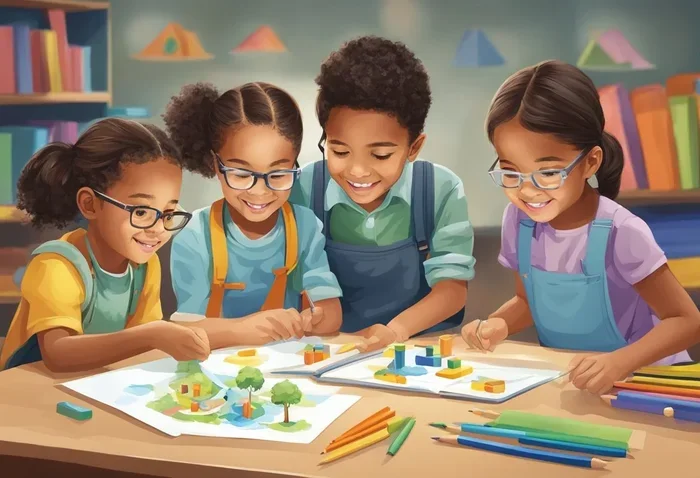
Gifted education is a specialized approach to teaching students who show exceptional intellectual, creative, or academic abilities. It goes far beyond regular classrooms to offer tailored learning experiences that challenge and inspire advanced learners. In this guide, we will break down what gifted education really means, how it works, and why it plays such a vital role in a child’s future success.
Gifted education is a topic that sparks big conversations among parents, teachers, and policymakers. But what does it really mean? Simply put, gifted education refers to learning programs designed for students who perform or show potential to perform at remarkably high levels compared to their peers. These students need more than a standard classroom can offer. They need challenges, depth, and pace that match their unique abilities.
Why does this matter so much? Because without the right support, gifted students can become disengaged, bored, or even anxious. Studies show that many gifted learners struggle when their needs are not met in school. Gifted education fills that gap. It provides structures, resources, and teaching methods that help these students thrive. In this article, we will explore every angle of this important topic.
Whether you are a parent wondering if your child might be gifted, a teacher looking for better strategies, or simply someone curious about how advanced learning works, this guide has you covered. Let us dive in.
Key Takeaways
- Gifted education serves students with exceptional abilities through tailored learning plans and specialized programs.
- Identification involves multiple assessment methods, not just test scores, to find truly gifted learners.
- Gifted programs reduce boredom and underachievement by keeping advanced students engaged and challenged.
- Social-emotional support is just as important as academics for gifted students’ overall well-being.
- Parents play a critical role in recognizing signs of giftedness and advocating for their children.
- Twice-exceptional students need unique approaches that address both gifts and learning challenges.
📑 Table of Contents
What Is Gifted Education?
Gifted education is a branch of special education that focuses on students with outstanding intellectual, creative, or academic talents. These learners often grasp concepts faster, think more deeply, and show intense curiosity about the world around them. Gifted education aims to nurture these strengths through customized instruction and enriched learning opportunities.
The term “gifted” does not mean a student is perfect or has no weaknesses. Many gifted students also face challenges like learning disabilities or social difficulties. This is why modern gifted education looks at the whole child, not just test scores or IQ numbers.
Who Qualifies as Gifted?
Giftedness shows up in many forms. Some students excel in math or reading. Others shine in art, music, or leadership. The gifted and talented label covers a wide range of abilities. Here are common traits found in gifted learners:
- Rapid learning: They pick up new concepts quickly and with little repetition.
- Deep curiosity: They ask complex questions and want to understand the “why” behind things.
- Strong memory: They retain information easily and recall it with precision.
- Intense focus: They can concentrate deeply on topics that interest them for long periods.
- Creative thinking: They come up with original ideas and unusual solutions to problems.
It is important to note that giftedness is not the same as being a “good student.” A student can get straight A’s through hard work without being intellectually gifted. True gifted identification requires looking beyond grades and observing how a child thinks, creates, and solves problems.
How Are Gifted Students Identified?
Finding gifted students is not as simple as giving one test. Schools use a multi-step identification process that considers many factors. The goal is to be fair and accurate, because missing a gifted child can have lasting effects on their love of learning.
Common Assessment Methods
Most school districts use a combination of these tools to identify gifted learners:
- Standardized tests: IQ tests, achievement tests, and ability assessments help measure cognitive potential.
- Teacher recommendations: Educators who spend hours with students every day can spot signs of giftedness that tests might miss.
- Parent input: Families know their children best. Observations from home matter a great deal.
- Portfolio reviews: Collections of a student’s work over time reveal patterns of advanced thinking and creativity.
- Performance tasks: Hands-on activities and projects let students show what they can do in real time.
The best gifted programs use multiple measures instead of relying on just one. This approach reduces bias and helps find students from all backgrounds. After all, giftedness does not pick and choose based on income, race, or zip code.
The Role of Cognitive Development
Cognitive development plays a big part in how gifted students learn. These children often think in abstract ways at a young age. They might understand complex ideas about justice, time, or science long before their classmates. Gifted education programs are designed to match this level of thinking with appropriate content and depth.
When teachers understand cognitive development, they can use differentiated instruction to meet each student where they are. This means adjusting the content, process, and product of learning to fit individual needs. It is one of the most powerful tools in any gifted classroom.
Why Gifted Education Matters So Much
You might wonder why we need special programs for “smart kids.” The truth is that gifted students face unique challenges that regular classrooms often cannot address. Without proper support, these challenges can turn into serious problems.
Preventing Underachievement
One of the biggest risks for gifted students is underachievement. When a child already knows the material being taught, school becomes pointless. They stop trying. They check out. This is not laziness, it is a mismatch between the student’s abilities and the curriculum. Gifted education solves this by providing work that is worthy of their talents.
Research shows that without appropriate challenges, many gifted students eventually lose motivation. Some even develop a negative attitude toward school that lasts into adulthood. Early intervention through advanced learning programs can prevent this downward spiral.
Supporting Social-Emotional Needs
Gifted students are not just academically different. They often feel emotions more intensely and process the world differently. This can lead to feelings of isolation, perfectionism, or anxiety. Gifted education programs that include social-emotional support help students navigate these feelings in healthy ways.
When gifted kids find peers who share their intensity and interests, something magical happens. They feel understood. They feel less alone. This sense of belonging is just as important as any lesson plan.
Building a Foundation for Future Success
The world needs people who can think deeply, solve complex problems, and innovate. Gifted education builds those skills from an early age. Students who receive appropriate challenges develop confidence, resilience, and a lifelong love of learning. These qualities serve them well in college, careers, and beyond.
Think of gifted education as an investment in human potential. When we nurture exceptional minds, everyone benefits. New discoveries, creative solutions, and fresh perspectives all start with the right support at the right time.
Types of Gifted Programs and Services
Gifted education looks different from school to school. Some districts offer robust programs, while others provide minimal support. Understanding the options can help parents and advocates find the best fit for a child’s needs.
Enrichment Programs
Enrichment programs add depth and breadth to the regular curriculum. Instead of simply doing more work, gifted students explore topics in greater detail. For example, while a regular class might study basic ecosystems, an enriched class might investigate local biodiversity and design conservation projects.
These programs often use creative teaching methods. Teachers might introduce similes for education to help students connect ideas in vivid ways. They might also explore metaphors for education to make abstract concepts feel tangible and real. Using idioms for education in lessons can also make learning more engaging and memorable for advanced thinkers who enjoy playing with language.
Academic Acceleration
Academic acceleration means letting gifted students move ahead faster than their age peers. This can take many forms:
- Grade skipping: Moving a student up one or more grades in specific subjects.
- Subject-based advancement: Placing a student in a higher-level math or reading class while keeping them with peers in other subjects.
- Early entrance to school: Starting kindergarten or first grade before the typical age.
- Dual enrollment: Taking college courses while still in high school.
Acceleration works well for many gifted students because it matches their pace. But it must be done thoughtfully. Social and emotional readiness matters just as much as academic readiness.
Pull-Out and Push-In Services
Pull-out programs take gifted students out of the regular classroom for specialized instruction. A gifted specialist might work with them on critical thinking, research skills, or creative projects. Push-in services bring the specialist into the regular classroom to co-teach with the teacher and challenge advanced learners in real time.
Both approaches have strengths. The best choice depends on the school’s resources, the student’s personality, and the goals of the program.
Gifted Classrooms and Schools
Some districts offer full-time gifted classrooms or even entire schools dedicated to advanced learners. These environments allow students to be with intellectual peers. The curriculum moves faster, goes deeper, and encourages exploration. For many gifted children, this setting feels like finally finding their tribe.
Challenges in Gifted Education
Gifted education is not without its problems. Many schools struggle to provide adequate services due to limited funding, lack of training, or competing priorities. Understanding these challenges is the first step toward solving them.
The Funding Gap
Unlike special education, which has legal protections and dedicated funding in many places, gifted education often falls through the cracks. There is no federal mandate in the United States requiring schools to serve gifted students. This means funding depends entirely on state and local budgets, which vary widely.
Many districts simply do not have the money to hire gifted specialists, create advanced curricula, or run specialized programs. This inequity affects low-income communities the most, where gifted students are least likely to receive services.
Misconceptions and Stigma
Some people believe that gifted students “do not need help” because they are already smart. This is a harmful myth. Gifted students absolutely need guidance, challenge, and support. Without it, they can fall behind emotionally and socially, even if their grades stay high.
There is also stigma around the word “gifted.” Some parents worry their child will be labeled or isolated. Others fear that gifted programs create unfair advantages. These concerns are valid and worth discussing openly. Good gifted education programs address these issues by emphasizing inclusion and growth for all students.
Meeting Diverse Needs
Gifted students are not a monolith. They come from different backgrounds, have different interests, and learn in different ways. Twice-exceptional students, for example, are both gifted and have a disability like ADHD or dyslexia. Serving these learners requires creativity and flexibility that many programs struggle to provide.
Cultural and linguistic diversity also plays a role. Giftedness can look different across cultures, and traditional identification methods often miss students from underrepresented groups. The field of gifted education is working hard to become more equitable and inclusive, but there is still a long way to go.
How Parents Can Support Gifted Learners
Parents are often the first to notice that their child thinks differently. Your role in supporting a gifted learner is powerful and important. Here are some practical steps you can take.
Observe and Document
Pay attention to your child’s behavior at home. Do they show intense interest in certain topics? Do they ask questions that surprise you? Keep notes on these observations. They can be valuable when talking with teachers or requesting an evaluation for gifted programs.
Advocate Effectively
If your child’s school does not offer gifted education services, do not give up. Learn about your rights and the options available in your district. Attend school board meetings. Connect with other parents who share your concerns. Advocacy works, but it takes persistence.
Provide Enrichment at Home
You do not need a fancy program to challenge a gifted child at home. Simple activities can make a big difference:
- Visit museums, science centers, and libraries regularly.
- Provide books that go beyond your child’s grade level.
- Encourage questions and explore answers together.
- Use real-world problems to spark critical thinking.
- Support hobbies and passions, even if they seem unusual.
Watch for Signs of Struggle
Gifted children can experience anxiety, perfectionism, and social difficulties. Stay tuned in to their emotional world. Let them know that it is okay to struggle and that their feelings matter. Sometimes the most important thing you can offer is simply listening.
Conclusion
Gifted education is not a luxury or an afterthought. It is a vital part of ensuring that every child reaches their full potential. Gifted students have extraordinary abilities, but they also have unique needs that require thoughtful, dedicated support. From identification and assessment to program design and parent advocacy, every piece of the puzzle matters.
When schools invest in gifted education, they invest in the future. They give bright, curious, creative young people the tools they need to make a difference in the world. Whether your child is already in a gifted program or you are just starting to explore the possibility, know that your attention and effort matter deeply. The right support can change a life.
Take what you have learned here and use it. Ask questions. Seek resources. Stay involved. Your child’s potential is worth fighting for, and gifted education is one of the best ways to make sure that potential does not go untapped.
Frequently Asked Questions
Is gifted education only for kids with high IQ scores?
No. While IQ tests are one tool used in gifted identification, they are not the only measure. Schools look at a range of factors including creativity, leadership, artistic talent, and academic performance. Many gifted students show their abilities in ways that standard tests do not capture.
Can a child be gifted and have a learning disability at the same time?
Yes. This is known as being twice-exceptional. These students have both exceptional abilities and challenges like ADHD, dyslexia, or autism. Gifted education programs that understand this dual nature can provide the right balance of support and challenge.
Do all schools offer gifted programs?
No. Gifted education services vary widely by district, state, and country. Some schools have robust gifted programs with dedicated staff and resources, while others offer little to nothing. This is one of the biggest equity issues in education today.
How can I tell if my child might be gifted?
Look for signs like early reading, intense curiosity, advanced vocabulary, deep emotional sensitivity, and a strong desire to understand how things work. If you notice these traits consistently, consider discussing gifted testing with your child’s teacher or school counselor.
What is the difference between gifted education and regular enrichment?
Regular enrichment adds extra activities to the standard curriculum. Gifted education fundamentally changes how a student learns. It adjusts the content, pace, and complexity of instruction to match the student’s advanced cognitive development and unique learning needs.
Are gifted programs only for academic subjects?
Not at all. While many programs focus on academics, gifted education also addresses creative arts, leadership, and other areas of talent. The goal is to nurture the whole child and provide growth opportunities across all domains of ability.


