
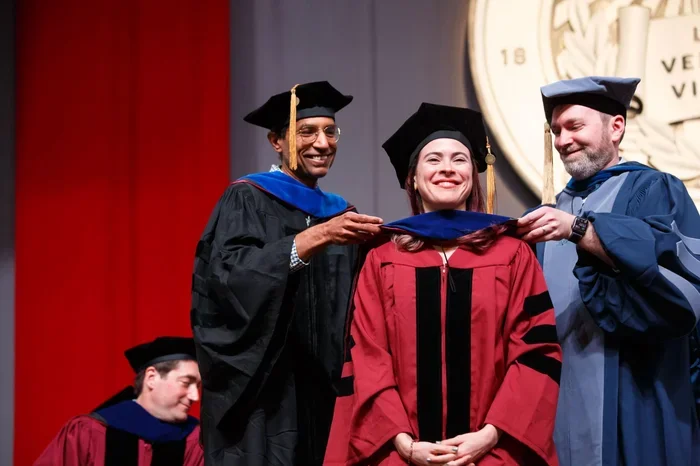
A doctor of education degree is a powerful advanced credential designed for educators who want to lead, innovate, and shape the future of learning. Unlike a PhD in education, the EdD degree focuses on practical application and real-world impact in schools, universities, and organizations. Earning this degree opens doors to higher salaries, leadership roles, and the ability to drive meaningful educational change. Whether you want to become a school administrator, policy maker, or curriculum expert, this guide covers everything you need to know about the doctor of education degree.
Key Takeaways
- What It Is: A doctor of education degree is a professional doctoral degree focused on practical leadership and problem-solving in education.
- Career Boost: It qualifies graduates for high-level roles like school superintendent, dean, and education policy analyst.
- EdD vs PhD: The EdD degree is practice-oriented, while a PhD is research-focused.
- Duration: Most programs take 3 to 5 years to complete, depending on full-time or part-time enrollment.
- Admission Requirements: Typically requires a master’s degree, professional experience, and a strong academic record.
- Specializations: Many programs offer tracks in curriculum design, educational leadership, and policy analysis.
📑 Table of Contents
- What Is a Doctor of Education Degree?
- Why Does a Doctor of Education Degree Matter?
- Doctor of Education Degree vs PhD in Education
- What Can You Do With a Doctor of Education Degree?
- How Long Does It Take to Earn a Doctor of Education Degree?
- Admission Requirements for a Doctor of Education Degree
- Common Mistakes to Avoid When Pursuing a Doctor of Education Degree
- Final Thoughts
What Is a Doctor of Education Degree?
A doctor of education degree is a terminal professional degree built for educators who want to make a bigger impact. It goes way beyond a bachelor’s or master’s degree. Think of it as the highest level of learning you can achieve in the education field. People often call it the EdD degree for short.
This degree is all about solving real problems in classrooms, schools, and entire school systems. You learn how to lead teams, design better curriculum development strategies, and shape education policy that actually works. It is not just theory. It is hands-on, practical, and built for people who are already working in education.
If you have ever thought about climbing the career ladder in education, this degree is one of the most powerful tools you can have. It gives you the knowledge, credentials, and confidence to take on roles that shape how millions of students learn.
Who Should Earn a Doctor of Education Degree?
The doctor of education degree is perfect for working professionals in education. This includes teachers, school counselors, instructional coaches, and anyone passionate about teaching excellence. If you already have a few years of experience and want to move into education leadership, the EdD is designed with you in mind.
It also suits people who work in higher education, nonprofit organizations, or government agencies that deal with learning and development. Basically, if your work touches education in any meaningful way, this degree can help you grow.
Why Does a Doctor of Education Degree Matter?
Education shapes everything. It shapes economies, communities, and individual lives. The people who lead educational institutions carry a huge responsibility. That is exactly why earning a doctor of education degree matters so much.
With an advanced education degree, you gain the skills to drive real change. You are not just following rules. You are creating them. You are the one who decides how learning outcomes improve, how teachers are trained, and how schools serve their communities better.
In today’s fast-changing world, education systems need bold thinkers. They need people who understand educational research and can turn it into action. A doctor of education degree gives you exactly that power.
The Growing Demand for Education Leaders
Schools and universities are growing more complex every year. They deal with new technologies, diverse student populations, and shifting education policy landscapes. This creates a strong demand for leaders who understand both the science and the art of teaching.
A professional doctorate in education prepares you for this complexity. You learn to analyze data, manage teams, and design programs that actually produce results. These are skills that every modern academic leadership role demands.
Doctor of Education Degree vs PhD in Education
One of the most common questions people ask is how the EdD degree differs from a PhD in education. They are both doctoral-level programs, but they serve very different purposes.
The doctor of education degree focuses on practice. You learn to solve problems, lead organizations, and improve systems from the inside. A PhD in education, on the other hand, focuses on research and theory. PhD graduates often pursue careers in academia, publishing, and deep scholarly research.
Here is a simple way to think about it. The EdD is for the builder. The PhD is for the researcher. Both are valuable, but they lead down different paths.
Side-by-Side Comparison
- Focus: The EdD degree is practice-based, while the PhD is research-based.
- Career Paths: EdD graduates often become administrators, policymakers, or corporate trainers. PhD graduates typically become professors or researchers.
- Duration: Both programs usually take 3 to 5 years, but the EdD often includes more fieldwork.
- Capstone Project: EdD programs usually require a dissertation or a practicum project that solves a real problem. PhD programs focus on original scholarly research.
- Best For: Choose the doctor of education degree if you want to lead. Choose the PhD if you want to discover.
Think about similes for education when comparing these two paths. The EdD is like a bridge connecting theory to practice, while the PhD is like a telescope that explores the far reaches of knowledge. Each serves a unique purpose in the world of learning.
What Can You Do With a Doctor of Education Degree?
The career options with a doctor of education degree are wide and exciting. This qualification opens doors that a master’s degree simply cannot. Let us explore some of the most rewarding paths.
School and District Leadership
Many EdD graduates become principals, superintendents, or district-level administrators. These roles let you shape the direction of entire school systems. You set the vision, manage budgets, and make decisions that affect thousands of students every day.
With strong educational administration skills, you can also lead teacher training programs and help schools improve their learning outcomes. This is where your professional development expertise really shines.
Higher Education Administration
Universities and colleges need leaders too. With a doctor of education degree, you can work as a dean, department chair, or academic director. You help shape the higher education experience for thousands of students.
These roles often come with strong salary expectations. University administrators with doctoral credentials are among the highest-paid professionals in the education sector.
Education Policy and Advocacy
Do you care about the big picture? Education policy roles let you influence laws and programs that affect entire states or even countries. You might work for a government agency, a think tank, or a nonprofit organization.
Your deep understanding of educational research and academic leadership makes you a powerful voice in these settings. You can advocate for changes that make education fairer and more effective for everyone.
Corporate Training and Human Resources
Here is a path many people overlook. Companies need training leaders too. Organizations across every industry invest heavily in employee development. A doctor of education degree qualifies you to design and lead corporate training programs.
You bring the same teaching excellence principles into a business environment. This cross-sector value makes the EdD incredibly versatile.
Curriculum Design and Instructional Technology
If you love working directly with content, the doctor of education degree can lead you into curriculum development or instructional design. You create the materials and programs that teachers use in their classrooms every day.
With the rise of online learning and educational technology, this area is growing fast. Experts who understand both pedagogy and technology are in high demand.
How Long Does It Take to Earn a Doctor of Education Degree?
The timeline depends on several factors, including whether you study full-time or part-time. Most full-time programs take about 3 to 4 years to complete. Part-time programs can stretch to 5 or even 6 years, especially if you are working while studying.
Here is a general breakdown:
- Coursework Phase: This usually takes 1 to 2 years. You complete core classes in educational leadership, research methods, and your chosen specialization.
- Comprehensive Exams: Most programs require you to pass exams that test your knowledge across key areas of education.
- Dissertation or Capstone: This final phase takes 1 to 2 years. You complete a major project that demonstrates your ability to solve a real-world education problem.
Keep in mind that the doctor of education degree is rigorous. It demands time, effort, and dedication. But the payoff in career growth and personal satisfaction is well worth it.
Tips for Completing Your Degree on Time
Stay organized from day one. Create a study schedule and stick to it. Communicate regularly with your advisor. And do not be afraid to lean on your cohort classmates. Many EdD students form lasting professional relationships during their studies. Think of it like building a network of similes for education partners, each bringing a unique perspective to your learning journey.
Admission Requirements for a Doctor of Education Degree
Every program is different, but most share common requirements. Understanding these ahead of time helps you prepare a strong application.
- Master’s Degree: You typically need a master’s in education or a related field. Some programs accept other master’s degrees if you have relevant experience.
- Professional Experience: Most programs want at least 2 to 3 years of work in an educational setting. This ensures you bring real-world insight to your studies.
- GPA Requirements: A minimum GPA of 3.0 is common, though competitive programs may expect higher.
- Letters of Recommendation: You will need 2 to 3 letters from professionals who can speak to your abilities.
- Statement of Purpose: This is your chance to explain why you want the doctor of education degree and what you plan to do with it.
- Standardized Tests: Some programs require GRE scores, but many have dropped this requirement in recent years.
Think of the application process as your first leadership challenge. Just like metaphors for education paint vivid pictures of learning, your application should paint a clear picture of your vision and goals.
Common Mistakes to Avoid When Pursuing a Doctor of Education Degree
Even the best-prepared students can stumble. Here are a few pitfalls to watch out for.
- Choosing the Wrong Program: Not all EdD programs are the same. Some focus on leadership, others on curriculum, and others on policy. Make sure the program aligns with your career goals.
- Ignoring Accreditation: Always choose an accredited institution. Accreditation ensures your degree is recognized and respected by employers.
- Underestimating the Workload: A doctor of education degree is demanding. Balance your studies with work and personal life from the start.
- Waiting Too Long to Start Your Dissertation: Many students delay this critical step. Start planning early so you finish on time.
- Not Networking: Your classmates, professors, and alumni are valuable connections. Neglecting networking means missing out on opportunities.
Final Thoughts
The doctor of education degree is more than a piece of paper. It is a commitment to excellence in education. It is a statement that you are serious about making a difference in the lives of learners everywhere.
Whether you dream of leading a school district, shaping education policy, or designing innovative curriculum development programs, the EdD gives you the foundation you need. It combines deep knowledge with practical skills that you can use immediately.
If you are an educator who wants to grow, lead, and inspire, this is the degree for you. Take the next step. Explore programs, talk to advisors, and start your journey toward becoming the education leader you were meant to be.
And remember, the world of education is always evolving. Just as idioms for education carry deep meaning in everyday language, the doctor of education degree carries deep value in the professional world. It is an investment that pays dividends for your entire career.
Frequently Asked Questions
What is the difference between a doctor of education degree and a PhD in education?
The doctor of education degree focuses on practical application and leadership in real-world educational settings. A PhD in education emphasizes research, theory, and academic scholarship. The EdD is ideal for practitioners, while the PhD is better suited for those pursuing academic or research careers.
How long does it take to earn a doctor of education degree?
Most full-time programs take 3 to 4 years to complete. Part-time programs can take 5 to 6 years. The timeline depends on your enrollment status, the program structure, and how quickly you complete your dissertation or capstone project.
Can you get a doctor of education degree online?
Yes, many accredited universities now offer online EdD programs. These programs provide the same rigorous curriculum as on-campus options, with added flexibility for working professionals. Make sure any online program you choose is properly accredited.
What careers can you pursue with a doctor of education degree?
Graduates can become school superintendents, university deans, education policy analysts, corporate training directors, curriculum specialists, and academic leaders. The doctor of education degree opens doors across schools, universities, government agencies, and private organizations.
Is a doctor of education degree worth it?
For educators who want to advance into leadership roles, the EdD is absolutely worth it. It leads to higher salaries, greater career mobility, and the skills to drive meaningful change in educational systems. The value depends on your personal career goals and how you apply the knowledge you gain.
What are the admission requirements for a doctor of education degree program?
Most programs require a master’s degree, at least 2 to 3 years of professional experience in education, a strong academic record, letters of recommendation, and a statement of purpose. Some programs may also require standardized test scores, though many have made these optional in recent years.


