
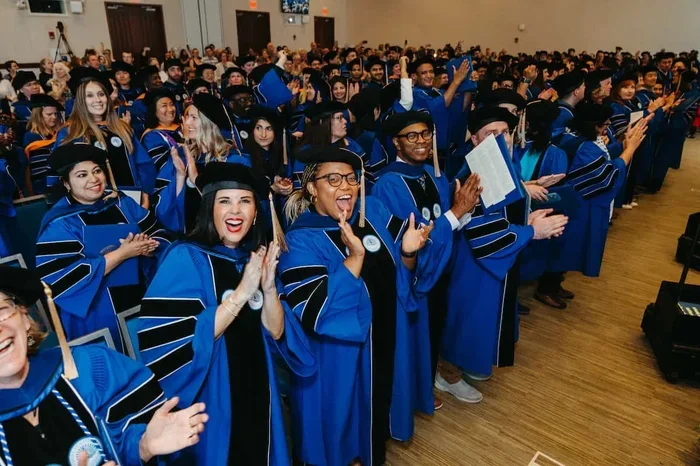
A doctorate degree in education typically takes between three and seven years to complete, depending on the program type and your enrollment status. The EdD (Doctor of Education) and PhD in education are the two main paths, each with different timelines and focus areas. Understanding the doctorate education timeline helps you plan your academic journey with confidence and set realistic goals.
Planning to earn a doctorate degree in education? One of the first questions that comes to mind is, “How long will this take?” The answer depends on several factors, including the type of doctorate you pursue, your enrollment status, and the program structure. On average, most students spend between three and seven years completing their education doctorate. This guide breaks down everything you need to know about the doctorate degree timeline, from program options to practical tips for finishing faster.
A doctorate in education is the highest academic credential you can earn in the field. It signals deep expertise in teaching, leadership, or research. Whether you want to lead a school district, shape education policy, or teach at the university level, this degree opens doors. But the journey is not short. Understanding what lies ahead helps you set realistic goals and stay motivated. Let us walk through the details together.
Key Takeaways
- Timeline: A doctorate in education usually takes 3 to 7 years, varying by program type and enrollment pace.
- EdD vs PhD: The EdD focuses on practical leadership, while the PhD emphasizes research and academia.
- Credit Hours: Most programs require 60 to 120 post-master’s credits, including coursework and dissertation.
- Speed Factors: Full-time enrollment, transfer credits, and accelerated formats can shorten the timeline.
- Career Value: A doctorate opens doors to leadership, policy, and academic roles in education.
- Flexibility: Online and part-time options make it possible to earn your degree while working.
📑 Table of Contents
What Is a Doctorate Degree in Education?
A doctorate degree in education is an advanced academic or professional degree that prepares you for top-level roles in the education sector. It goes far beyond a master’s degree. You dive deep into education theory, research methods, and practical leadership. There are two main types of doctorates in this field, and each serves a different career path.
Doctor of Education (EdD)
The EdD is a professional doctorate. It focuses on solving real-world problems in education. You learn to lead schools, districts, and organizations. This degree is ideal for working professionals who want to move into education leadership roles. Many superintendents, school principals, and education consultants hold an EdD. The program blends coursework with practical application, so you can use what you learn right away.
PhD in Education
The PhD in education is a research doctorate. It prepares you for careers in academia and scholarly research. You spend significant time conducting original research and writing a dissertation. This degree is best suited for those who want to teach at universities or work in education research organizations. A PhD in education opens the door to the academic tenure track, where you can publish papers and shape the future of education through research.
How Many Years Does a Doctorate Degree in Education Take?
The doctorate education timeline varies widely. Most full-time students complete their degree in four to six years. Part-time students may take five to seven years or longer. The exact doctorate completion time depends on several key factors.
Full-Time vs Part-Time Enrollment
Full-time enrollment is the fastest route. You take a full course load each semester and focus entirely on your studies. Most full-time students finish in three to five years. Part-time enrollment lets you work while you study. You take fewer courses per term, which stretches the timeline. Part-time students often need five to seven years to complete all requirements.
Online vs On-Campus Programs
Online doctorate programs offer flexibility that can speed up your progress. You set your own schedule and study at your own pace. Many online programs also allow you to transfer credits from previous coursework. This can shave months or even a year off your timeline. On-campus programs follow a more rigid schedule, but they offer face-to-face interaction with professors and peers.
Some educators find that similes for education help them explain complex concepts to students, and they often draw on their doctoral training to craft these comparisons effectively. Similarly, understanding metaphors for education can deepen your ability to communicate ideas in the classroom. These language skills are often honed during doctoral coursework that emphasizes pedagogy and communication.
Dissertation and Research Requirements
The dissertation is the biggest time commitment in any doctoral program. It requires original research, data collection, analysis, and writing. Most students spend one to two years on their dissertation alone. Some programs allow you to complete a capstone project instead, which may take less time. The dissertation requirements vary by school and program type, so ask your advisor about options early on.
Quick Tips
- Start thinking about your dissertation topic early, even in your first year.
- Choose a research area that genuinely interests you. Passion keeps you going.
- Set a realistic writing schedule and stick to it every week.
- Join a writing group with fellow doctoral students for accountability.
EdD vs PhD in Education: Key Differences
Choosing between an EdD and PhD in education is a big decision. Both are respected doctorates, but they serve different purposes. Here is a side-by-side look at the key differences.
| Feature | EdD | PhD in Education |
|---|---|---|
| Focus | Practical leadership and application | Research and academic theory |
| Typical Duration | 3 to 5 years | 4 to 7 years |
| Career Path | School leadership, policy, administration | University teaching, research |
| Dissertation | Applied project or dissertation | Original research dissertation |
| Best For | Working professionals | Aspiring researchers and professors |
The EdD vs PhD debate is common among educators. If you want to lead schools or districts, the EdD is your best bet. If you dream of publishing research and teaching at the university level, the PhD is the way to go. Both paths require strong doctoral coursework and a serious commitment of time and energy.
Many education professionals also explore how language shapes learning. For instance, idioms for education are often used in classrooms to make lessons more relatable and memorable. Understanding these figurative expressions can be valuable for anyone pursuing advanced education studies, especially in a doctoral program that touches on curriculum design and pedagogy.
Common Mistakes to Avoid
- Choosing a program based on prestige alone. Fit matters more than ranking. Pick a program that aligns with your career goals.
- Underestimating the dissertation. Many students lose months because they delay starting their research. Begin early.
- Ignoring residency requirements. Some programs require on-campus time. Make sure you can commit to that schedule.
- Not communicating with your advisor. Regular check-ins prevent surprises and keep you on track.
What Are the Doctoral Program Requirements?
Every doctoral program has specific requirements you must meet. Knowing these ahead of time helps you plan and avoid surprises. Here are the most common requirements across programs.
Coursework and Credits
Most doctoral programs require 60 to 120 post-master’s credit hours. You take courses in education theory, research methods, statistics, and leadership. Core courses build your foundational knowledge. Electives let you specialize in areas like curriculum design, higher education, or education policy. Doctoral coursework is rigorous and demands strong time management skills.
Comprehensive Exams
Many programs require comprehensive exams before you can move on to the dissertation phase. These tests cover your core coursework and ensure you have a deep understanding of the field. Some programs split these into written and oral components. Passing them is a major milestone, and it signals that you are ready to conduct independent research.
Residency Requirements
Some doctoral programs require a residency period. This means you spend a set number of weeks on campus or at an approved site. Residencies allow you to work closely with faculty and collaborate with peers. Not all programs have this requirement, so check with your school before applying.
As you progress through your studies, you may find that education concepts come alive through creative expression. Educators often use similes for a person to describe students or colleagues in ways that highlight strengths and growth. This kind of figurative thinking is a skill that doctoral training in education helps you develop and refine.
Expert Insight
Dr. Sarah Mitchell, a professor of education with over 15 years of experience, says, “The biggest mistake doctoral students make is treating the program like a marathon sprint. It is a long-distance race. Pace yourself, build a support network, and celebrate small wins along the way.” Her advice reflects what many education leaders have learned through years of guiding students through the doctoral journey.
How to Complete Your Doctorate Faster
Want to finish your doctorate in education sooner? There are practical strategies that can help you accelerate your timeline without sacrificing quality.
Enroll Full-Time
Full-time enrollment is the single biggest factor in reducing your completion time. When you take a full course load, you earn more credits per semester. This means you reach the dissertation phase faster and can start your research sooner. If your finances allow it, full-time study is the fastest path to earning your education doctorate.
Transfer Credits
If you have completed graduate-level coursework in the past, ask about transfer credits. Many programs accept credits from accredited institutions. This can reduce the total number of courses you need to take and shorten your timeline by several months. Keep your transcripts and syllabi organized so you can submit them quickly when applying.
Choose an Accelerated Program
Accelerated doctorate programs are designed to compress the timeline. They use intensive course schedules and shorter terms. Some accelerated programs can be completed in as few as three years. However, these programs demand a heavy workload, so make sure you are ready for the challenge. Research the program thoroughly before committing.
Stay on Track with Your Advisor
Regular communication with your academic advisor keeps you accountable. Set milestones for each semester and check in frequently. An advisor can help you avoid delays and stay focused on your goals. They can also connect you with research opportunities that speed up your progress.
Is a Doctorate in Education Worth It?
The short answer is yes, for many educators. A doctorate in education can transform your career and open doors that a master’s degree cannot. But it is a significant investment of time and money. Let us look at the pros and cons.
Career Opportunities
With a doctorate in education, you qualify for roles like school superintendent, university professor, education policy analyst, and research director. These positions often come with higher salaries and greater influence. The education leadership doctorate is especially valuable for those who want to shape the future of schools and districts. According to recent data, education professionals with a doctorate earn significantly more than those with only a master’s degree.
Personal Growth
Beyond career benefits, earning a doctorate builds your confidence and deepens your expertise. You become a thought leader in your field. You contribute new knowledge that can improve how schools operate and how students learn. The doctoral journey is challenging, but it is also deeply rewarding. You grow not just as a professional but as a thinker and problem-solver.
The Commitment
Let us be honest. A doctorate degree is not easy. It requires years of dedication, hard work, and sacrifice. You may need to pause your career or reduce your work hours. You will face moments of doubt and frustration. But if you are passionate about education and committed to your goals, the payoff is well worth the effort.
As you near the end of your doctoral journey, you may find yourself reflecting on the language of learning itself. Educators often use metaphors for a person to describe the transformation students undergo during their academic careers. These figurative tools are powerful, and they remind us that education is about more than facts and figures. It is about growth, change, and human potential.
Conclusion
So, how many years does a doctorate degree in education take? The answer is typically three to seven years, depending on your program, enrollment status, and personal circumstances. The EdD and PhD in education each have their own timelines and requirements, but both lead to meaningful career outcomes. Whether you choose to study full-time or part-time, on campus or online, the key is to stay committed and plan ahead. Use the tips in this article to set realistic expectations and keep your doctorate education timeline on track. Your hard work will pay off, and the opportunities that await you with a doctorate in education are well worth the journey.
Frequently Asked Questions
Can I complete a doctorate in education in less than three years?
It is possible but rare. Some accelerated programs claim to finish in three years, but these require full-time enrollment and heavy coursework. Most students need at least four years to complete all requirements, including the dissertation. Be cautious of programs that promise extremely fast completion, as they may sacrifice quality.
What is the fastest way to earn a doctorate in education?
The fastest way is to enroll full-time in an accelerated program and transfer any eligible credits from previous graduate work. Online doctorate in education programs also offer flexibility that can help you progress faster. Staying on track with your advisor and avoiding delays are key factors in finishing sooner.
Does part-time study affect the quality of my doctorate?
No. Part-time study does not lower the quality of your degree. You complete the same coursework and meet the same doctoral degree requirements as full-time students. The only difference is the timeline. Many working professionals choose part-time study because it allows them to balance work, life, and academics.
How many credit hours do I need for a doctorate in education?
Most programs require between 60 and 120 post-master’s doctoral program credits. The exact number depends on your program type, school, and whether you enter with a master’s degree. Always check with your specific program for the most accurate credit requirements.
Can I work while pursuing a doctorate in education?
Yes, many students work while earning their doctorate. Part-time enrollment and online programs make this easier. However, balancing work and doctoral studies is demanding. You will need strong time management skills and support from your employer, family, and academic advisor.
What jobs can I get with a doctorate in education?
A doctorate in education qualifies you for roles such as school superintendent, university professor, education policy analyst, curriculum director, and research scientist. You can also work in education consulting, nonprofit leadership, or government agencies focused on education reform. The career options are diverse and rewarding.


