
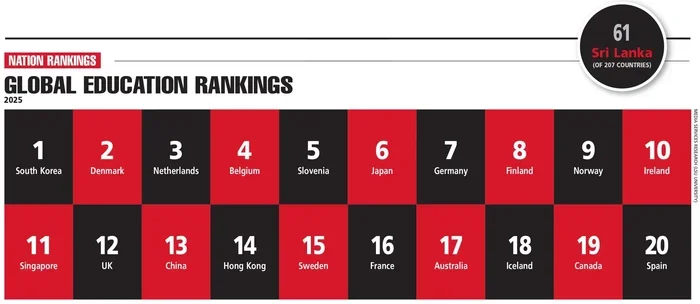
Where is America ranked in education compared to other nations? The U.S. sits in the middle of the pack among OECD countries, with strong higher education but middling K-12 results. PISA scores, graduation rates, and literacy levels show both strengths and clear areas for improvement. Understanding these rankings helps parents, educators, and policymakers make informed decisions.
So, where is America ranked in education compared to the rest of the world? It is a question many parents, teachers, and policymakers ask. The answer is not simple. The U.S. has some of the best universities on the planet. But when it comes to K-12 education, the picture gets more complicated. Global rankings show the U.S. performing solidly in the middle. Some areas shine. Others need serious work.
In this article, we will break down the numbers. We will look at PISA scores, spending, and outcomes. We will compare the American system to top-performing countries. And we will explore what the U.S. can learn from the best. Whether you are a curious reader or an education advocate, this guide covers it all.
Key Takeaways
- Mid-Tier Global Ranking: The U.S. ranks around 15th to 20th in global education comparisons, depending on the metric used.
- Strong Higher Education: American universities dominate global rankings, but K-12 performance lags behind many developed nations.
- PISA Scores Tell the Story: U.S. students perform near average in math and science but above average in reading on international assessments.
- Spending Is High, Results Vary: The U.S. spends more per student than most countries, yet outcomes do not always match the investment.
- Other Countries Lead in Specific Areas: Nations like Finland, Singapore, and Japan outperform the U.S. in several key education benchmarks.
- Improvement Is Possible: Learning from top-performing countries can help raise American education standards.
📑 Table of Contents
How America Stacks Up in Global Education Rankings
When people ask where is America ranked in education, they usually want a single number. But rankings depend on what you measure. Different reports use different methods. Some focus on test scores. Others look at graduation rates or literacy levels. Let us look at the big picture first.
The Organisation for Economic Co-operation and Development (OECD) publishes the most widely cited education reports. In their latest findings, the U.S. typically lands between 15th and 20th among developed nations. This places it in the middle of the pack. It is not at the bottom. But it is not leading the way either.
Key International Benchmarks
Several reports shape how we view American education on the world stage:
- PISA Rankings: The Programme for International Student Assessment tests 15-year-olds in reading, math, and science every three years.
- TIMSS: The Trends in International Mathematics and Science Study focuses on fourth and eighth graders.
- PIRLS: The Progress in International Reading Literacy Study evaluates reading skills in fourth graders.
- QS World University Rankings: These rank higher education institutions globally.
Each of these gives a slightly different view of where is America ranked in education. Taken together, they paint a nuanced picture.
What the PISA Tests Reveal About U.S. Students
The PISA exam is the gold standard for comparing student performance worldwide. It tests around 600,000 students from 79 countries. The results reveal a lot about global education system strengths and weaknesses.
U.S. Performance by Subject
Let us break down how American students perform in each subject area:
- Reading: U.S. students score above the OECD average. Reading is a relative strength for American schools.
- Math: This is a weaker area. U.S. math scores hover around the OECD average. Countries like China, Japan, and Singapore score significantly higher.
- Science: Similar to math, U.S. science scores are average. Some states perform well, but the national average needs improvement.
These student performance numbers matter because they reflect the education quality students experience day to day. High test scores do not guarantee success. But they do signal how well systems prepare young people for real-world challenges.
Why PISA Results Matter for Policy
PISA scores influence education policy around the world. Governments use them to identify gaps. They set targets for improvement. The U.S. has used PISA data to push for curriculum standards and standardized testing reforms. Understanding these trends helps everyone make better decisions.
How U.S. Education Spending Compares
Here is a surprising fact. The United States spends more per student than almost any other country. Yet the results do not always match the investment. This gap raises important questions about educational outcomes and how money is used.
Spending vs. Results
Let us look at a quick comparison:
| Country | Spending Per Student (Annual) | PISA Math Score (Avg) |
|---|---|---|
| United States | $14,000+ | ~470 |
| Finland | $10,000 | ~500 |
| Singapore | $11,000 | ~560 |
| Japan | $12,000 | ~520 |
| OECD Average | $10,000 | ~485 |
The table shows that spending more does not automatically mean better results. Finland spends less per student but outperforms the U.S. in every PISA category. Singapore spends a bit more and achieves dramatically higher scores. The difference lies in how the money is spent.
Where Does the Money Go?
In the U.S., a large share of education funding goes to:
- Administrative costs
- Facilities and buildings
- Extracurricular programs
- Teacher salaries (which vary widely by state)
Countries like Finland and South Korea invest heavily in teacher quality and training. They pay teachers well and expect high performance. This focus on educators makes a real difference in academic achievement.
Strengths and Weaknesses of the American Education System
Every education system has its bright spots and its blind spots. The American system is no different. Let us look at both sides honestly.
Where America Excels
The U.S. has clear advantages in several areas:
- Higher Education: American universities dominate global rankings. Harvard, MIT, Stanford, and others attract talent from around the world.
- Research Output: U.S. institutions produce a huge share of the world’s research papers and innovations.
- Reading Scores: American students tend to read above the OECD average.
- Extracurricular Offerings: Schools in the U.S. often provide rich arts, sports, and club programs.
These strengths show that the American education system has real value. Many families choose the U.S. for its higher education rankings and research opportunities.
Where America Struggles
On the other hand, there are areas that need attention:
- Math Achievement: U.S. students consistently score below top-performing nations in mathematics.
- Equity Gaps: Students from low-income families and minority groups often have fewer resources.
- Graduation Rates: While improving, U.S. graduation rates still trail some OECD countries.
- Teacher Support: Many teachers leave the profession within five years due to burnout and low pay.
These educational outcomes gaps are not just numbers. They represent real students whose potential is not being fully realized.
What Other Countries Do Better
To answer where is America ranked in education, we need to look at what the top countries do differently. Several nations stand out for their effective approaches.
Finland: The Teacher-First Model
Finland has long been a gold standard in education. Finnish teachers are required to have a master’s degree. They are highly respected professionals. The country focuses on equity over competition. Students have less homework and more playtime. Yet Finland consistently outperforms the U.S. in every subject.
Finland shows that school systems worldwide do not need to spend more to perform better. They need to spend smarter.
Singapore: Rigor and Focus
Singapore is a small city-state with big education results. The country uses a rigorous curriculum and strong curriculum standards. Teachers receive extensive training and ongoing professional development. Singapore students score at the top of international international assessments year after year.
Japan: Discipline and Culture
Japanese education emphasizes discipline, respect, and hard work. Students attend school on Saturdays in many cases. The culture values education deeply. Japanese students perform well above the OECD average in math and science. Their literacy rates are among the highest in the world.
South Korea: The Power of Effort
South Korea has transformed its education system in just a few decades. The culture values academic achievement highly. Students attend after-school academies called “hagwons.” The result? Top-tier performance on global benchmarks. South Korea proves that education quality can improve rapidly with the right focus.
Comparing Approaches
Here is a quick look at how these countries differ from the U.S.:
- Teacher Status: Finland and Singapore treat teachers as professionals. The U.S. often undervalues the profession.
- Testing Culture: The U.S. relies heavily on standardized testing. Countries like Finland use far less testing.
- Equity Focus: Top-performing countries invest in struggling schools. The U.S. system often has wide resource gaps.
- Curriculum Design: Nations like Singapore and Japan have centralized, carefully designed curricula. The U.S. has a patchwork of state standards.
These comparisons help us understand where is America ranked in education and what changes could move the needle.
Creative Ways to Talk About Education
Language shapes how we think about education. Using similes for education can make conversations more vivid and engaging. For example, saying “learning is like building a house” helps students understand that strong foundations matter. Similarly, metaphors for education such as “education is a journey” encourage students to see learning as an ongoing process. Even idioms for education like “the sky is the limit” can inspire students to aim high. These creative expressions make education topics more relatable and memorable for learners of all ages.
The Future of American Education Rankings
So what comes next for the U.S. education system? The good news is that many states and districts are making real progress. But the road ahead requires focused effort and smart policy.
Trends to Watch
Several trends are shaping the future of global education rankings:
- Digital Learning: Technology is changing how students learn. Online tools and AI tutors offer new possibilities.
- Social-Emotional Learning: Schools are starting to focus on student well-being, not just test scores.
- Equity Investments: Federal and state programs are targeting underfunded schools.
- Teacher Development: Programs that support and retain great teachers are gaining traction.
- International Collaboration: The U.S. is borrowing ideas from top-performing countries more than ever.
What Can Individuals Do?
You do not need to be a policymaker to make a difference. Here are some practical steps:
- Stay informed: Read reports from the OECD and other education organizations.
- Support teachers: Advocate for better pay and working conditions in your community.
- Engage with schools: Volunteer, attend meetings, and stay involved in your child’s learning.
- Share knowledge: Talk about education rankings with friends and family to spread awareness.
Every voice matters when it comes to improving education quality for the next generation.
Conclusion
Where is America ranked in education compared to the world? The honest answer is: in the middle. The U.S. has world-class universities and strong reading scores. But K-12 math and science performance needs work. Spending is high, but results do not always reflect the investment.
The good news is that the path forward is clear. By learning from top-performing countries, investing in teachers, and focusing on equity, the U.S. can climb the rankings. Education is not just about numbers on a report card. It is about giving every student the chance to succeed. And that is a goal worth fighting for.
Whether you are a parent, a teacher, or simply someone who cares about the future, understanding these rankings is the first step. Knowledge leads to action. And action leads to change.
Frequently Asked Questions
Why does the U.S. rank so low in math compared to other countries?
The U.S. math curriculum is often spread too thin across too many topics. Countries like Singapore and Japan focus deeply on fewer concepts, building mastery step by step. This focused approach leads to stronger math scores on international tests.
Does the U.S. spend more on education than other countries?
Yes, the U.S. is one of the highest spenders per student in the world. However, spending alone does not guarantee better results. How the money is used matters far more than the total amount spent.
Which country has the best education system in the world?
There is no single winner, but countries like Finland, Singapore, Japan, and South Korea consistently rank at the top. Each has unique strengths, from Finland’s teacher-focused model to Singapore’s rigorous curriculum.
How often are global education rankings updated?
The PISA rankings are updated every three years. TIMSS and PIRLS are also conducted on regular cycles. These international assessments provide the most reliable data for comparing education rankings across countries.
Can American schools learn from other countries?
Absolutely. The U.S. can adopt practices like stronger teacher training, less reliance on standardized testing, and greater investment in equity. Small changes in approach can lead to meaningful improvements over time.
What role do graduation rates play in education rankings?
Graduation rates are a key indicator of educational outcomes. The U.S. graduation rate has improved in recent years but still trails several OECD countries. Higher graduation rates generally signal a healthier, more effective education system.


