
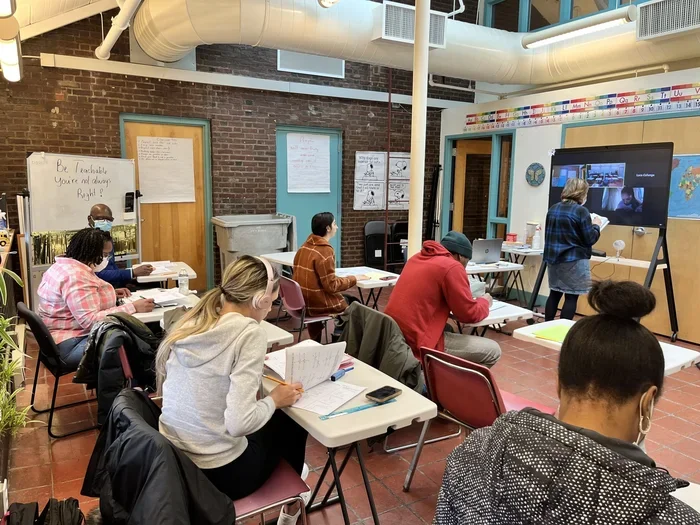
Adult basic education (ABE) is a foundational learning program designed to help adults build essential skills in reading, writing, math, and communication. It serves millions of people who missed out on formal schooling or need to upgrade their abilities for work and daily life. This guide covers everything from program types and benefits to how you can get started today.
Have you ever wondered what it means to go back to school as an adult? Maybe you left formal education early. Perhaps you want to sharpen your skills for a better career. Whatever the reason, adult basic education could be the answer you have been looking for.
Adult basic education is a broad term that covers programs helping adults learn fundamental skills. These skills include reading, writing, math, and basic communication. The goal is simple but powerful: give every adult the tools they need to thrive in everyday life and in the workplace.
Millions of adults around the world struggle with basic literacy and numeracy. Some dropped out of school as teenagers. Others came from countries where schooling was limited. Whatever the background, adult basic education meets people where they are. It does not judge. It does not rush. It simply helps adults build a stronger foundation for the future.
Key Takeaways
- Adult basic education helps adults gain foundational skills in literacy, math, and communication.
- ABE programs are flexible, affordable, and designed specifically for working adults and parents.
- These programs open doors to better jobs, higher wages, and personal confidence.
- You do not need a high school diploma to enroll in most adult basic education classes.
- Many programs also prepare learners for the GED, college, or vocational training.
- Community organizations, libraries, and online platforms offer accessible adult basic education options.
- Investing in adult basic education benefits families, communities, and the economy as a whole.
📑 Table of Contents
- What Exactly Is Adult Basic Education?
- Why Adult Basic Education Matters
- Types of Adult Basic Education Programs
- What Skills Does Adult Basic Education Cover?
- How to Find and Choose the Right Program
- Common Mistakes Adults Make When Starting Adult Basic Education
- Expert Insights on Adult Basic Education
- Conclusion
What Exactly Is Adult Basic Education?
At its core, adult basic education refers to structured learning programs for adults who need to improve basic academic skills. These programs are different from traditional K-12 schooling. They are designed with adult learners in mind. That means flexible schedules, real-world relevance, and respect for life experience.
ABE programs typically focus on several key areas:
- Reading comprehension – understanding written text at a functional level
- Writing skills – from forming sentences to writing emails and reports
- Math literacy – basic arithmetic, fractions, percentages, and practical problem-solving
- Communication skills – speaking clearly, listening actively, and interacting confidently
- Digital literacy – using computers, smartphones, and common software
The beauty of adult basic education is its flexibility. Some learners need help with just one area. Others want to work across all of them. Good programs assess each learner individually and build a personalized path forward.
Who Can Benefit from Adult Basic Education?
Anyone can benefit from adult basic education, but certain groups find it especially valuable:
- Adults who did not complete high school
- Immigrants and refugees learning English alongside basic academics
- Workers seeking promotions or career changes
- Parents who want to help their children with homework
- Individuals rebuilding skills after long periods away from school
One of the most common pathways in adult basic education is GED preparation. The GED credential opens doors to college and better jobs. But ABE goes beyond the GED. It builds the real-world skills that make daily life easier and more confident.
Why Adult Basic Education Matters
You might be thinking, “Why does this matter so much?” The answer lies in the ripple effect. When one adult gains basic skills, the entire family benefits. Children do better in school. Household finances become more stable. Confidence grows. Communities become stronger.
Here are some powerful reasons why adult basic education matters:
- Better employment opportunities – Many jobs require at least basic literacy and math skills. ABE helps adults qualify for roles that pay more and offer better benefits.
- Improved health outcomes – Adults with stronger reading skills can understand medical instructions, fill out insurance forms, and make informed health decisions.
- Greater civic participation – Basic education helps adults understand voting information, community resources, and their rights as citizens.
- Stronger family dynamics – Parents who can read and help with homework create a learning-rich home environment for their children.
- Reduced poverty cycles – Education is one of the most powerful tools for breaking the cycle of poverty across generations.
Studies show that adults who participate in adult basic education programs earn higher wages over their lifetimes. They also report better mental health and a stronger sense of purpose. The investment in basic education pays dividends for decades.
The Connection Between ABE and Workforce Development
Many employers today struggle to find workers with basic skills. That is where adult basic education becomes a workforce development tool. Companies partner with ABE programs to upskill their current employees or train new hires who need a foundation before technical training begins.
For example, a factory worker might join an adult basic education class to improve their reading of safety manuals. An office worker might take a math course to handle spreadsheets more confidently. These are real-world applications that make learning immediately relevant.
Types of Adult Basic Education Programs
Not all adult basic education programs look the same. Different learners need different approaches. Here is a closer look at the most common types:
Community-Based Programs
Community organizations, nonprofits, and local charities often run adult basic education classes. These programs are usually free or very low-cost. They are hosted in familiar settings like churches, community centers, and neighborhood libraries. The atmosphere is welcoming and supportive, which helps adults feel comfortable learning.
Library Literacy Programs
Public libraries have become hubs for adult basic education. Many libraries offer free tutoring, small group classes, and self-paced learning materials. Library programs are especially great because they are already a familiar and non-intimidating space for many adults.
Online and Distance Learning
Technology has opened up new possibilities for adult basic education. Online programs allow learners to study from home, on their own schedule. This is ideal for adults who work full-time, care for children, or live in rural areas without nearby programs. Many online platforms use interactive tools, videos, and games to make learning engaging.
Workplace Education Programs
Some employers offer adult basic education directly at the workplace. These programs are designed around the skills most needed on the job. They are convenient because they happen during work hours or right after shifts. Workplace ABE also builds team morale and loyalty.
GED and High School Equivalency Programs
For adults who did not finish high school, GED preparation is a major component of adult basic education. These programs teach the academic content tested on the GED exam and also build test-taking confidence. Passing the GED can be a life-changing milestone for many adult learners.
What Skills Does Adult Basic Education Cover?
Adult basic education covers a wide range of foundational skills. Let us break them down so you can see exactly what to expect.
Reading and Language Arts
Reading is at the heart of most adult basic education programs. Learners start where they are comfortable and gradually build up. This might mean going from recognizing individual words to reading full paragraphs. The focus is always on practical, everyday reading like signs, forms, letters, and instructions.
Writing skills are taught alongside reading. Adults learn to write simple sentences, fill out forms, compose emails, and eventually write longer documents. The goal is functional literacy, not literary perfection.
Mathematics
Math in adult basic education focuses on real-life applications. Learners work with money, measurements, fractions, and percentages. They practice budgeting, calculating tips, reading a pay stub, and understanding basic statistics. These are skills that make daily life smoother and more independent.
Digital Skills
In today’s world, basic computer skills are essential. Adult basic education programs increasingly include lessons on using email, navigating websites, searching for information online, and using common software like Word or Google Docs. Digital literacy is now a core part of functional education.
How to Find and Choose the Right Program
Finding the right adult basic education program does not have to be overwhelming. Here are some practical steps to help you get started.
- Identify your goals. Do you want to pass the GED? Improve your reading for work? Help your child with school? Knowing your goal helps you choose the right program.
- Check local resources. Visit your public library, community center, or adult education office. Ask about free or low-cost adult basic education options in your area.
- Consider online options. If travel or scheduling is a challenge, explore reputable online platforms that offer adult basic education courses.
- Ask about support services. Good programs offer childcare, transportation assistance, or flexible scheduling. Do not be afraid to ask what is available.
- Start small. You do not need to commit to a full course right away. Many programs let you attend a trial session or orientation first.
Quick Tips for Success in Adult Basic Education
- Set small, achievable goals for each week
- Practice skills every day, even if just for 15 minutes
- Do not be afraid to ask questions or ask for help
- Connect with other learners for motivation and support
- Celebrate your progress, no matter how small
Common Mistakes Adults Make When Starting Adult Basic Education
Starting something new can feel scary. Here are some common pitfalls to avoid when beginning adult basic education:
- Waiting too long to start. Many adults put off education for years. The best time to begin is now. Every step forward counts.
- Choosing a program that does not fit your schedule. If a class time does not work, look for alternatives. Flexibility is a strength of ABE programs.
- Comparing yourself to others. Everyone starts at a different point. Focus on your own progress and your own goals.
- Skipping practice outside of class. Learning happens faster when you practice regularly between sessions.
- Not asking for help. Instructors and tutors are there to support you. Reaching out is a sign of strength, not weakness.
Expert Insights on Adult Basic Education
Educators who specialize in adult basic education often share the same insight: adults learn differently than children, and that is a strength. Adults bring life experience, motivation, and real-world context to every lesson. Effective programs honor that experience rather than treating adults as if they are starting from zero.
Research also shows that the best adult basic education programs are those that connect learning to learners’ immediate lives. When a lesson on fractions connects to splitting a grocery bill, the learning sticks. When a reading exercise uses a real job application form, the skill becomes immediately useful.
Many educators also emphasize the importance of building trust and rapport. Adults who struggled in school may carry emotional baggage around learning. A supportive, respectful environment makes all the difference. This is why community-based adult basic education programs often produce such strong results.
Conclusion
Adult basic education is more than just a program. It is a gateway to better opportunities, stronger families, and more confident lives. Whether you want to earn your GED, improve your reading for work, or simply feel more capable in daily life, adult basic education offers a path forward.
The programs are accessible, flexible, and designed for real adults with real lives. You do not need perfect skills to start. You just need the willingness to begin. Every adult who takes that step invests in a brighter future for themselves and everyone around them.
If you have been thinking about going back to learning, now is the time. Look for a local program, explore online options, or simply visit your library. Adult basic education is waiting for you, and the journey starts with a single step.
As you explore further, you might also enjoy learning about similes for education to make your learning more colorful and memorable. Many educators use figures of speech like similes and metaphors to make lessons stick. You can also explore metaphors for education which help learners grasp complex ideas through vivid comparisons. For a broader look at how language shapes learning, check out our guide on idioms for education to see how everyday expressions can enrich your educational journey.
Frequently Asked Questions
What is adult basic education and who qualifies?
Adult basic education refers to programs that teach foundational skills like reading, writing, and math to adults. Anyone over 16 who is not enrolled in traditional school can typically qualify. There are no strict requirements, and many programs welcome learners at any skill level.
Is adult basic education free?
Many adult basic education programs are free, especially those run by community organizations, public libraries, and government-funded initiatives. Some online programs may charge a small fee, but affordable and free options are widely available across most regions.
How long does it take to complete an adult basic education program?
The timeline varies widely depending on your starting level, your goals, and how often you attend classes. Some learners see improvement in just a few months. Others work through a program for a year or more. The flexible nature of adult basic education means you set your own pace.
Can adult basic education help me get a GED?
Yes, absolutely. Many adult basic education programs include GED preparation as a core component. They teach the academic content needed for the GED exam and also build the confidence and test-taking skills that help learners succeed.
What is the difference between adult basic education and adult secondary education?
Adult basic education focuses on foundational skills like literacy and basic math. Adult secondary education typically refers to programs that lead to a high school diploma or equivalency credential like the GED. In practice, many programs blend both levels to serve learners comprehensively.
Are online adult basic education programs effective?
Yes, online adult basic education programs can be very effective, especially for self-motivated learners. They offer flexibility, self-paced learning, and access to a wide range of resources. However, in-person programs may be better for learners who need more direct support and interaction with instructors and peers.
=== CONCLUSION ===
Adult basic education is a powerful tool that changes lives every single day. It gives adults the skills they need to succeed at work, at home, and in their communities. Whether you are taking your first steps into learning or looking to strengthen abilities you already have, adult basic education offers something for everyone.
The path to better skills starts with a single decision. Choose a program that fits your life, show up consistently, and believe in your ability to grow. You have already taken the hardest step by being curious enough to ask, “What is adult basic education?” Now take the next step and explore what is available to you.


