
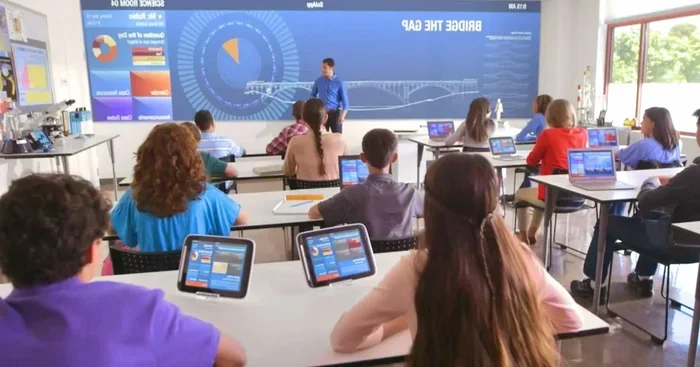
Technology is good for education because it makes learning more engaging, accessible, and effective for students of all ages. Digital tools like interactive apps, virtual classrooms, and online resources help teachers deliver personalized lessons that meet every learner where they are. From boosting collaboration to preparing students for future careers, technology in education is reshaping how we teach and learn every single day.
Key Takeaways
- Technology boosts student engagement through interactive lessons and multimedia content that keeps learners motivated.
- Digital tools enable personalized learning, allowing each student to progress at their own pace and style.
- Online resources make education more accessible, breaking down geographic and financial barriers to quality learning.
- Technology prepares students for future careers by building essential digital literacy and problem-solving skills.
- Collaborative tools improve teamwork and communication among students, even across different locations.
- Edtech saves teachers time on administrative tasks, freeing them up for meaningful instruction and student support.
- Technology in education supports inclusion, helping students with diverse needs access the same quality of learning.
📑 Table of Contents
- Why Technology Is Good for Education: 10 Reasons That Matter
- 1. Technology Boosts Student Engagement
- 2. Personalized Learning Becomes Possible
- 3. Access to a World of Resources
- 4. Collaboration Becomes Seamless
- 5. Technology Prepares Students for Future Careers
- 6. Teachers Save Time on Administrative Tasks
- 7. Inclusion and Accessibility Improve
- 8. Data-Driven Decision Making
- 9. Cost-Effective Learning Solutions
- 10. Technology Encourages Lifelong Learning
- Conclusion
Why Technology Is Good for Education: 10 Reasons That Matter
Let’s face it. The way we learn has changed a lot over the past decade. Chalkboards have given way to smart boards. Textbooks now come with QR codes. And students carry entire libraries in their pockets. Technology is good for education in ways we could never have imagined just a generation ago. It has opened doors that were once closed, and it continues to reshape the classroom experience for both teachers and learners.
But what exactly makes technology in education so powerful? Is it just about using gadgets, or is there something deeper going on? The truth is, digital tools do much more than make lessons look fancy. They transform how students absorb information, how teachers deliver instruction, and how schools operate on a daily basis. In this article, we will explore 10 compelling reasons why technology is good for education today. Whether you are a teacher, a student, a parent, or just curious about edtech, you will find plenty of insights here.
1. Technology Boosts Student Engagement
Let us start with the most obvious benefit. Technology in education captures attention. When a teacher uses a smart board to show a 3D model of the solar system, students sit up and pay attention. When a lesson includes a short video or an interactive quiz, learners stay focused longer. This is not magic. It is science. Research shows that student engagement rises significantly when digital tools are part of the learning process.
Think about it. Traditional lectures can feel flat. But when you add multimedia elements like animations, sound, and real-time polls, the energy in the room changes completely. Students want to participate. They want to click, swipe, and explore. And that desire to engage is the first step toward real learning outcomes.
For example, many teachers now use educational apps like Kahoot or Quizlet to turn review sessions into games. Students compete, collaborate, and remember more content in the process. This kind of interactive learning keeps the classroom dynamic and fun.
How Engagement Drives Better Results
When students are engaged, they retain more information. They ask better questions. And they develop a genuine curiosity about the subject matter. Technology is good for education because it turns passive listeners into active participants. Instead of just sitting and listening, students do things. They create. They experiment. They learn by doing, which is one of the most effective teaching methods available today.
Studies have also shown that students who use digital tools regularly score higher on assessments. The engagement factor is not just about fun. It directly impacts academic performance and long-term knowledge retention.
2. Personalized Learning Becomes Possible
Every student learns differently. Some grasp concepts quickly. Others need more time. Some are visual learners. Others prefer hands-on activities. In a traditional classroom, it is nearly impossible to tailor every lesson to each individual. But technology is good for education because it makes personalized learning a realistic goal.
Adaptive learning platforms can assess a student’s current level and adjust the difficulty of content in real time. If a student struggles with fractions, the software provides extra practice and simpler explanations. If a student excels, it moves them forward with more challenging material. This kind of customized learning path was not possible before digital tools entered the classroom.
Tools That Support Individual Growth
Many edtech platforms now offer features like:
- Learning analytics that track each student’s progress over time.
- Self-paced modules that let students move through content at their own speed.
- Feedback systems that provide instant responses to quizzes and assignments.
- Multimedia resources that cater to different learning styles.
These tools help teachers understand exactly where each student stands. And they empower students to take ownership of their own educational journey. When learners feel supported at their level, confidence grows and so does student success.
3. Access to a World of Resources
One of the biggest advantages of technology in education is access. Students in a small town can now learn from top universities around the world. They can watch lectures from Harvard, explore museums in Paris, or read research papers from Oxford. The internet has leveled the playing field in a way that was unimaginable just 20 years ago.
Open educational resources, or OER, have made quality learning materials available to anyone with an internet connection. Platforms like Khan Academy, Coursera, and MIT OpenCourseWare offer free courses on virtually every subject imaginable. This means that online education is no longer a luxury. It is a right that more and more people can access.
Breaking Down Barriers
For students who cannot afford expensive textbooks or who live in areas with limited educational options, digital resources are a lifeline. Technology is good for education because it removes financial and geographic obstacles. A student in a rural area can have the same educational opportunities as a student in a major city, provided they have internet access.
Teachers also benefit from this wealth of resources. They can find lesson plans, worksheets, and multimedia content that enrich their instruction. Instead of spending hours creating materials from scratch, educators can focus on what matters most: teaching and connecting with their students.
4. Collaboration Becomes Seamless
Learning is not always a solo activity. Group projects, peer reviews, and team discussions are essential parts of the educational experience. And technology is good for education because it makes collaboration easier than ever before.
Tools like Google Docs, Microsoft Teams, and Slack allow students to work together in real time, even if they are not in the same room. A group project can move forward after school hours, on weekends, or across different time zones. The collaborative tools available today make teamwork more efficient and more inclusive.
Building Communication Skills
When students collaborate digitally, they also develop important communication skills. They learn how to share ideas clearly, give constructive feedback, and work toward a common goal. These are skills that matter far beyond the classroom. In the workplace and in everyday life, the ability to collaborate effectively is one of the most valued competencies.
Many teachers now use idioms for teaching and idioms for education to help students build vocabulary and express themselves more clearly in group settings. Similarly, similes for education and metaphors for education are great tools for making lessons more memorable and relatable. These language resources pair perfectly with digital collaboration, adding depth to the learning experience.
5. Technology Prepares Students for Future Careers
Let us talk about the real world. The job market today demands digital literacy. Almost every profession now requires some level of comfort with technology. From healthcare to finance, from agriculture to the arts, tech skills are no longer optional. They are essential.
When students use technology in education, they are not just learning academic content. They are also building practical skills that employers value. They learn how to navigate digital platforms, manage online projects, and solve problems using software tools. These experiences prepare them for future careers in a meaningful way.
What Skills Do Students Gain?
Here are some of the key competencies that technology in education helps develop:
- Digital literacy and comfort with various software platforms.
- Critical thinking through online research and data analysis.
- Creativity using design tools, video editing, and coding platforms.
- Problem-solving by troubleshooting technical issues independently.
- Adaptability as they learn to navigate new tools and updates.
The more exposure students have to educational technology, the better prepared they will be when they enter the workforce. Schools that invest in tech integration are investing in their students’ futures.
6. Teachers Save Time on Administrative Tasks
Teaching is a demanding job. Educators spend countless hours grading papers, tracking attendance, and managing paperwork. Technology is good for education because it automates many of these tedious tasks, giving teachers more time to focus on what they do best: teaching.
Learning management systems like Canvas and Google Classroom make it easy to distribute assignments, collect submissions, and provide feedback. Automated grading tools can handle multiple-choice quizzes and even some written responses. This means teachers can spend less time on admin work and more time helping students understand difficult concepts.
More Time for Meaningful Interaction
When teachers have extra time, they can invest it in building stronger relationships with their students. They can offer one-on-one support, design creative lessons, and attend professional development opportunities. Technology in education does not replace teachers. It empowers them to do their jobs more effectively and with greater satisfaction.
Many educators also use idioms for teachers resources to enhance their classroom communication and build rapport with students. These small touches make a big difference in creating a positive and productive learning environment.
7. Inclusion and Accessibility Improve
Every student deserves a fair chance to learn. But traditional classrooms can present barriers for students with disabilities, language challenges, or different learning needs. Technology is good for education because it opens the door to greater inclusion and accessibility.
Screen readers, text-to-speech tools, and captioning features help students with visual or hearing impairments access the same content as their peers. Translation tools support English language learners in understanding lessons. Adjustable font sizes, color contrasts, and audio descriptions make digital content usable for almost everyone.
Meeting Diverse Needs
Assistive technology has come a long way in recent years. Tools like speech recognition software allow students who struggle with writing to express their ideas verbally. Graphic organizers and visual aids help students with attention difficulties stay on track. These educational tools ensure that no student gets left behind.
When classrooms are designed with accessibility in mind, every student benefits. And technology in education makes it easier than ever to create those inclusive environments from the start.
8. Data-Driven Decision Making
In the past, teachers had to rely on intuition and limited test scores to understand how students were performing. Today, technology in education provides real-time data that paints a much clearer picture. Learning analytics help educators identify patterns, spot struggling students early, and adjust their teaching methods accordingly.
For example, if a teacher notices that 70% of the class missed a particular question on an online quiz, they can revisit that topic the next day. If a student’s performance drops over several weeks, the teacher can intervene before the gap becomes too wide. This kind of data-driven approach leads to better learning outcomes for everyone.
Empowering Students with Data
It is not just teachers who benefit from data. Students can also use learning analytics to track their own progress. When students see their grades, completion rates, and time spent on tasks, they become more aware of their strengths and areas for growth. This self-awareness is a powerful driver of student success and academic motivation.
9. Cost-Effective Learning Solutions
Schools operate on tight budgets. Every dollar counts. And technology is good for education because it offers cost-effective solutions that stretch those budgets further. Digital textbooks are often cheaper than printed ones. Online courses eliminate the need for physical classroom space. Open educational resources provide free, high-quality content that schools can use without licensing fees.
Over time, the initial investment in edtech pays for itself. Schools save money on printing, shipping, and physical materials. And students save money on expensive textbooks and tutoring services. Technology in education makes quality learning more affordable for everyone involved.
Scaling Without Breaking the Bank
Another advantage of digital solutions is scalability. A lesson plan created once can be shared with hundreds or thousands of students at no additional cost. A video lecture can be watched by anyone, anywhere, at any time. This scalability makes online education one of the most efficient ways to deliver knowledge to large audiences without sacrificing quality.
10. Technology Encourages Lifelong Learning
The most important reason technology is good for education might be the simplest one. It teaches students how to keep learning long after they leave school. In a world that changes rapidly, the ability to learn new skills and adapt to new information is more valuable than any single piece of knowledge.
When students use digital tools for learning, they develop habits of curiosity and self-direction. They learn how to find reliable sources, evaluate information, and apply what they discover. These are the foundations of lifelong learning, and they start forming the moment a student begins using technology for educational purposes.
A Mindset Shift
Traditional education often focuses on memorization and standardized testing. Technology in education shifts the focus toward exploration, creativity, and critical thinking. Students learn that learning is not something that ends at graduation. It is a continuous process that lasts a lifetime.
And with so many free and affordable resources available online, there has never been a better time to keep growing. Whether someone wants to learn a new language, pick up coding skills, or explore a new hobby, technology makes it all possible.
Conclusion
There you have it. 10 powerful reasons why technology is good for education today. From boosting student engagement to encouraging lifelong learning, digital tools have transformed the classroom in ways that benefit everyone. Technology in education is not about replacing teachers or eliminating traditional methods. It is about enhancing what already works and opening up new possibilities that were never before available.
If you are a teacher looking to integrate more edtech into your classroom, start small. Pick one tool that solves a real problem you face. If you are a student, take advantage of the online resources available to you. And if you are a parent, encourage your children to explore digital learning platforms that make education fun and accessible.
The future of education is digital. And the best time to embrace it is now.
Frequently Asked Questions
How does technology improve student engagement in the classroom?
Technology in education boosts engagement through interactive content like videos, quizzes, and games. These tools make lessons more dynamic and help students stay focused and motivated throughout the learning process.
Can technology really personalize learning for every student?
Yes. Adaptive learning platforms analyze each student’s performance and adjust content difficulty accordingly. This personalized learning approach ensures that every student receives instruction tailored to their current level and learning style.
Is technology in education expensive for schools to implement?
While there are upfront costs, technology in education often proves cost-effective over time. Digital textbooks, open resources, and online courses reduce expenses on physical materials and classroom infrastructure.
How does technology help students with disabilities access education?
Assistive technologies like screen readers, text-to-speech tools, and captioning features make learning materials accessible to students with various disabilities. This inclusion ensures that all students can participate equally in the educational experience.
What digital skills do students gain from using technology in education?
Students develop digital literacy, critical thinking, problem-solving, and collaboration skills. These competencies prepare them for future careers in a technology-driven job market.
How can teachers benefit from using technology in their classrooms?
Teachers save time on grading and administrative tasks, gain access to real-time learning analytics, and can focus more on meaningful student interaction. Technology is good for education because it empowers educators to teach more effectively.


