
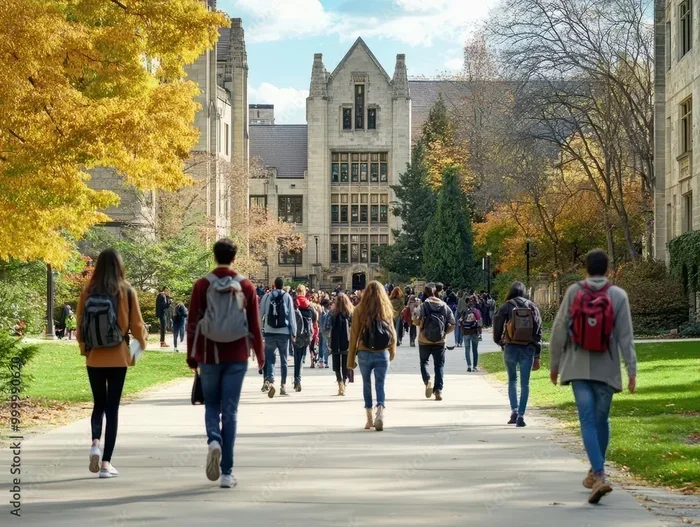
Post-secondary education is any learning that happens after high school. It includes colleges, universities, trade schools, and certification programs. This guide covers the types, benefits, costs, and career impact of pursuing education beyond secondary school.
Key Takeaways
- Wide Range of Options: Post-secondary education includes universities, community colleges, trade schools, and certification programs.
- Career Boost: Higher education leads to better job prospects and higher earning potential.
- Flexible Pathways: You can choose full-time, part-time, online, or hybrid programs.
- Financial Support Available: Grants, loans, scholarships, and work-study programs help cover costs.
- Lifelong Value: The skills and knowledge gained extend far beyond the classroom.
📑 Table of Contents
- What Is Post-Secondary Education?
- Types of Post-Secondary Institutions
- Why Post-Secondary Education Matters
- Common Post-Secondary Degrees and Programs
- The Cost of Post-Secondary Education
- Online vs. Traditional Post-Secondary Education
- How to Choose the Right Post-Secondary Path
- The Role of Post-Secondary Education in Society
- Key Takeaways
- Conclusion
- FAQs
What Is Post-Secondary Education?
Post-secondary education is any form of learning you pursue after finishing high school. It is also called higher education or tertiary education. This stage of learning opens doors to new careers, deeper knowledge, and personal growth.
When people say “education after high school,” they mean post-secondary education. It covers a broad range of programs and institutions. Whether you want a degree, a diploma, or a professional certification, this is where you find it.
Think of post-secondary education as the bridge between school and your career. It gives you the tools and credentials employers look for. It also helps you think critically, solve problems, and communicate better.
Many students wonder if this path is right for them. The answer depends on your goals, interests, and circumstances. But one thing is clear: post-secondary education is one of the most valuable investments you can make in yourself.
Types of Post-Secondary Institutions
Not all post-secondary schools are the same. There are many options, and each one serves different needs and goals. Let us explore the main types.
Universities
Universities offer undergraduate and graduate degrees. They tend to be larger institutions with a wide range of programs. You can earn a bachelor’s degree, a master’s degree, or even a doctorate.
Universities often focus on both academic research and teaching. They provide a well-rounded education that blends theory with practice. Many students choose universities because of the campus experience and networking opportunities.
Community Colleges
Community colleges offer affordable two-year programs. You can earn an associate degree or a certificate. Many students start at a community college and then transfer to a four-year university.
These schools are great for people who want to save money or explore their options. The class sizes are usually smaller, and the teachers focus on teaching rather than research. Community colleges also offer vocational training for quick entry into the workforce.
Trade and Vocational Schools
Trade schools focus on hands-on skills. They train you for specific careers like plumbing, electrical work, cosmetology, or medical assisting. Programs are usually shorter than traditional degrees.
Vocational training is perfect if you want to start working quickly. These schools partner with industries to make sure their programs meet real-world needs. Graduates often find jobs fast because employers value practical skills.
Professional and Certification Programs
Some careers require specialized certifications. These programs teach you the exact skills needed for a specific job. Examples include coding bootcamps, nursing programs, and real estate licensing courses.
Certification programs are usually shorter and more focused than traditional degrees. They are ideal for career changers or people looking to upgrade their skills. Many of these programs offer flexible schedules for working adults.
Why Post-Secondary Education Matters
You might ask yourself, “Is post-secondary education really worth it?” The short answer is yes. Here is why.
Better Career Opportunities
Many jobs today require education beyond high school. Employers prefer candidates with degrees or certifications. Post-secondary education gives you a competitive edge in the job market.
Studies show that people with higher education earn more over their lifetimes. They also tend to have lower unemployment rates. The skills you gain make you more adaptable in a changing economy.
Higher Earning Potential
Money matters, and post-secondary education can boost your income. On average, bachelor’s degree holders earn significantly more than those with only a high school diploma. Advanced degrees can increase your earning power even further.
Of course, the return on investment depends on your field and program. Some careers pay well even without a degree. But overall, higher education opens doors to better-paying positions.
Personal Growth and Confidence
Education is not just about jobs. It shapes who you are as a person. You learn to think independently, challenge ideas, and see the world from different perspectives.
Post-secondary education builds confidence. You tackle difficult projects, work with diverse people, and develop resilience. These qualities help you in every area of life.
Building a Professional Network
One of the hidden benefits of post-secondary education is networking. You meet classmates, professors, and industry professionals who can support your career later.
These connections can lead to job referrals, mentorships, and collaborations. Many people find that their college network is one of their greatest career assets. Building relationships in school pays off for years to come.
Common Post-Secondary Degrees and Programs
The world of post-secondary education offers many pathways. Here are the most common ones you will encounter.
Associate Degree
An associate degree typically takes two years to complete. It is offered by community colleges and some universities. Common fields include business, healthcare, and technology.
Many students use an associate degree as a stepping stone. You can enter the workforce quickly or transfer credits toward a bachelor’s degree. Either way, it is a smart start.
Bachelor’s Degree
A bachelor’s degree is the most common post-secondary credential. It usually takes four years of full-time study. You choose a major and complete general education courses alongside it.
Bachelor’s degrees are required for many professional careers. They also serve as a foundation for graduate studies. Employers across industries value this degree highly.
Master’s Degree and Beyond
Graduate degrees go deeper into a specific field. A master’s degree usually takes one to two years after a bachelor’s. Doctoral programs, like a PhD, take even longer.
Advanced degrees are ideal for leadership roles or specialized careers. They show employers a high level of expertise. If you want to stand out, graduate education can help you get there.
The Cost of Post-Secondary Education
Let us talk about the elephant in the room: cost. Post-secondary education can be expensive. But understanding the costs helps you plan better.
Tuition and Fees
Tuition is the main cost of attending school. It varies widely depending on the institution and program. Public universities usually cost less than private ones. In-state tuition is also cheaper than out-of-state rates.
Beyond tuition, there are fees for things like housing, meals, and textbooks. These expenses add up quickly. It is important to budget for all of them when planning your education.
Financial Aid and Scholarships
Do not let the price scare you away. There is a lot of financial aid available. Grants, scholarships, and work-study programs can reduce your costs significantly.
Many students also rely on student loans. While loans can help, it is wise to borrow only what you need. Always fill out the Free Application for Federal Student Aid (FAFSA) first. It opens doors to the most generous aid options.
Is It Worth the Debt?
This is a question many students and families ask. The answer depends on your program, career goals, and how you manage your finances. Generally, degrees in high-demand fields offer a strong return on investment.
On the other hand, some programs may not lead to jobs that justify the cost. Do your research before committing. Look at job placement rates, average salaries, and alumni outcomes.
Remember, there are also low-cost options. Community colleges and online programs can save you thousands of dollars. The key is to find the right fit for your goals and budget.
Online vs. Traditional Post-Secondary Education
The way we learn has changed a lot. Today, you can earn a degree online or attend classes on campus. Both have their strengths.
Benefits of Online Learning
Online programs offer flexibility. You can study from anywhere and often set your own schedule. This is great for working adults or parents who need to balance school with other responsibilities.
Online courses also tend to be more affordable. You save money on commuting, housing, and campus fees. Many reputable universities now offer fully online degrees that carry the same weight as on-campus programs.
Benefits of Traditional On-Campus Learning
On-campus education provides a rich social experience. You interact with classmates face to face and build relationships that last a lifetime. Campus resources like libraries, labs, and student services are also more accessible.
Some fields require hands-on training that is hard to replicate online. Healthcare, engineering, and the arts often benefit from in-person instruction. Choose the format that best suits your learning style and career needs.
How to Choose the Right Post-Secondary Path
With so many options, choosing the right path can feel overwhelming. Here are some tips to help you decide.
Define Your Goals
Start by asking yourself what you want to achieve. Do you want a specific career? Are you looking to change fields? Do you want to earn more money?
Clear goals make it easier to pick the right program. Write down your priorities and refer back to them when you compare options.
Research Programs and Schools
Look at multiple schools before making a decision. Check their accreditation, graduation rates, and job placement records. Read reviews and talk to alumni if you can.
Visit campuses or attend virtual info sessions. Getting a feel for the school environment matters. You want a place where you will thrive and feel supported.
Consider Your Learning Style
Think about how you learn best. Do you prefer hands-on training or classroom lectures? Are you self-disciplined enough for online study? Your learning style should guide your choice.
Some people excel in structured environments. Others prefer the freedom of flexible schedules. There is no wrong answer. The best program is the one that works for you.
The Role of Post-Secondary Education in Society
Post-secondary education is not just a personal choice. It shapes communities and economies. Educated populations tend to be more innovative, healthier, and more engaged.
When more people pursue higher education, entire regions benefit. Businesses grow, wages rise, and tax revenues increase. Governments invest in education because it drives long-term prosperity.
We often use figurative language to describe the power of education. People say knowledge is a key that unlocks opportunity. They call education a ladder to success. And they compare learning to a light that shines brighter with use. These expressions capture something true about post-secondary education. It transforms lives and opens paths that might otherwise remain closed.
Investing in education is investing in the future. Whether you are a recent high school graduate or a working adult looking to upskill, post-secondary education gives you a foundation to build on.
Key Takeaways
- Wide Range of Options: Post-secondary education includes universities, community colleges, trade schools, and certification programs.
- Career Boost: Higher education leads to better job prospects and higher earning potential.
- Flexible Pathways: You can choose full-time, part-time, online, or hybrid programs.
- Financial Support Available: Grants, loans, scholarships, and work-study programs help cover costs.
- Lifelong Value: The skills and knowledge gained extend far beyond the classroom.
Conclusion
Post-secondary education is more than just a degree on paper. It is a gateway to better careers, higher earnings, and personal growth. Whether you choose a university, community college, trade school, or certification program, the investment pays off.
The world of higher education has never been more accessible. Online programs, flexible schedules, and financial aid make it easier than ever to pursue your goals. The most important step is the first one: deciding that your future matters enough to invest in it.
Take time to explore your options. Research programs, compare costs, and talk to advisors. Post-secondary education belongs to you. It is a journey that starts with a single decision, and it can change your life in ways you never imagined.
FAQs
What counts as post-secondary education?
Post-secondary education includes any learning after high school. This covers universities, community colleges, trade schools, vocational programs, and certification courses. Any program that leads to a degree, diploma, or credential qualifies.
How long does post-secondary education take?
The duration depends on the type of program. Certificate programs can take a few months. Associate degrees usually take two years. Bachelor’s degrees take four years. Graduate programs can add one to six or more years on top of that.
Is post-secondary education the same as higher education?
Yes, the terms are used interchangeably. Both refer to any education beyond secondary school. This includes all colleges, universities, and training programs that require a high school diploma or equivalent for entry.
Can I get post-secondary education without a degree?
Absolutely. Many people pursue certifications, diplomas, or vocational training instead of traditional degrees. These programs focus on specific skills and can lead directly to careers in fields like healthcare, technology, and skilled trades.
How much does post-secondary education cost?
Costs vary widely. Community colleges and public universities are more affordable. Private institutions and specialized programs can be expensive. Financial aid, scholarships, and grants can significantly reduce the out-of-pocket cost for most students.
Can I work while attending post-secondary school?
Yes, many students work while studying. Part-time and online programs are designed for working adults. Balancing work and school is challenging but manageable with good time management and the right support system in place.


