
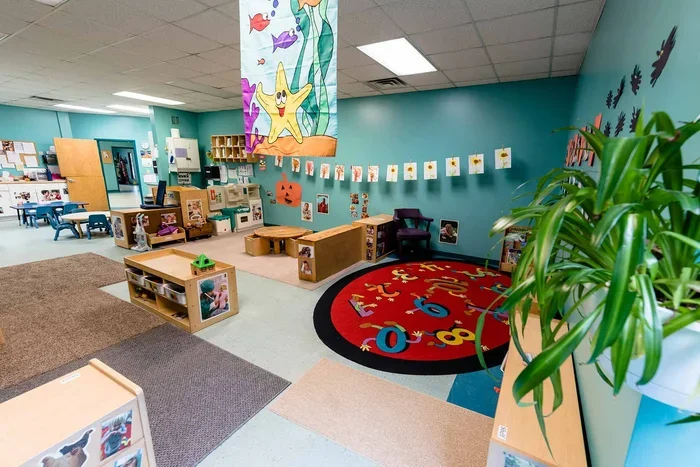
Early childhood education covers grades and age groups from birth through around age 8, typically including preschool, pre-K, and kindergarten. These early learning years build the foundation for all future schooling and childhood development. Understanding the early childhood education grades helps parents and educators support young learners at every stage.
Key Takeaways
- Early childhood education spans birth to age 8: It includes preschool, pre-K, and kindergarten as the core grade levels.
- Preschool starts as early as age 3: Children explore foundational skills through play-based learning and social interaction.
- Pre-K prepares kids for kindergarten: This year focuses on literacy, numeracy, and emotional readiness for formal schooling.
- Kindergarten marks the start of formal education: Most states require children to attend kindergarten by age 5 or 6.
- Developmental milestones guide learning: Teachers use age-appropriate goals to track growth in cognitive, social, and physical areas.
- Early literacy and numeracy are key focuses: These skills set the stage for success in later grades.
- Parents play a vital role: Support at home reinforces what children learn in the classroom.
📑 Table of Contents
- What Grades Are Considered Early Childhood Education
- Understanding the Grade Levels in Early Childhood Education
- How Early Childhood Education Fits Into the Bigger Picture
- Key Skills Developed in Early Childhood Education Grades
- How Parents Can Support Early Childhood Learning
- Common Misconceptions About Early Childhood Education Grades
- Expert Insights on Early Childhood Education
- Final Thoughts
What Grades Are Considered Early Childhood Education
If you have ever wondered what grades are considered early childhood education, you are not alone. Many parents and new educators ask this question. The answer is simpler than you might think. Early childhood education covers a specific range of grades and age groups. These years lay the groundwork for everything a child learns later in school. Let us break it all down in a clear and easy way.
The early childhood education grades typically include preschool, pre-kindergarten (pre-K), and kindergarten. Some definitions also extend to the early elementary years, up through second grade. The exact range depends on the country, state, or educational framework you follow. In the United States, most experts agree that early childhood spans from birth to around age 8. This is a critical period for childhood development and foundational learning years.
During these years, children develop cognitive, social, emotional, and physical skills at a remarkable pace. The early learning years are when the brain forms the most connections. This makes quality education during this time incredibly valuable. Whether you are a parent choosing a program or an educator planning lessons, knowing the grade levels matters. It helps you set the right expectations and create the best learning environment.
Why These Grades Matter So Much
The grades in the early childhood range are not just about ABCs and 123s. They are about building a love for learning. Children who have positive experiences in these years tend to do better in school later on. They also develop stronger social-emotional learning skills. Research shows that kids who attend quality programs in these grades score higher on reading readiness and math assessments. They also show better behavior and stronger problem-solving abilities.
The K-12 education system starts with kindergarten, but the years before kindergarten are just as important. Preschool and pre-K fill a unique role. They bridge the gap between home life and formal schooling. These programs help children adjust to structured settings. They also teach kids how to share, take turns, and follow instructions. All of these skills make the transition to kindergarten smoother.
Understanding the Grade Levels in Early Childhood Education
Now let us look at each grade level in detail. Each stage has its own focus, goals, and age range. Understanding them helps you know what to expect at every step.
Preschool (Ages 3 to 4)
Preschool is often the first formal learning experience for many children. It typically serves kids ages 3 to 4. The main goal is not strict academics. Instead, preschool focuses on play-based learning and exploration. Children learn through hands-on activities, songs, games, and stories.
In a preschool classroom, you will see kids working on:
- Early literacy skills like recognizing letters and sounds
- Numeracy development through counting games and sorting
- Fine motor skills by drawing, cutting, and building
- Social skills like sharing and taking turns
- Language development through conversations and storytelling
Preschool is all about curiosity. Teachers create environments where children can ask questions and explore safely. The early childhood curriculum at this stage is flexible and fun. It adapts to each child’s interests and pace of growth.
Pre-Kindergarten (Ages 4 to 5)
Pre-K is the bridge between preschool and kindergarten. It usually serves children ages 4 to 5. This grade level has a slightly more structured approach. Teachers start introducing skills that prepare kids for formal schooling.
In pre-K, children work on:
- Letter recognition and phonics basics
- Counting and number sense up to 20 or beyond
- Shape and color recognition through hands-on activities
- Following multi-step directions
- Cooperative play and group activities
- Early writing skills, like tracing letters and names
Pre-K also places a big emphasis on kindergarten readiness. Teachers assess each child’s progress to make sure they are prepared for the next step. This is a year of big growth. Children go from playful exploration to more focused learning. It is an exciting and important transition.
Kindergarten (Ages 5 to 6)
Kindergarten is often seen as the first official grade in the K-12 education system. Most children enter kindergarten at age 5 or 6. In many states, kindergarten is now mandatory. This grade level combines learning with play, but it has clearer academic goals.
Kindergarteners work on:
- Reading readiness and beginning to decode simple words
- Basic math concepts like addition and subtraction
- Writing full sentences and expressing ideas on paper
- Scientific thinking through observation and simple experiments
- Social studies concepts like community and culture
- Physical education and gross motor skill development
Kindergarten teachers use a mix of whole-group lessons, small-group activities, and center-based learning. The classroom environment is designed to be engaging and supportive. It balances structure with enough freedom for kids to explore and grow.
How Early Childhood Education Fits Into the Bigger Picture
To truly understand what grades are considered early childhood education, it helps to see where these grades fit in the larger education system. The K-12 education system spans from kindergarten through 12th grade. Early childhood education covers the very beginning of that journey.
Here is a simple breakdown of how the grades line up:
- Infant and toddler programs: Birth to age 3 (not always considered formal grades)
- Preschool: Ages 3 to 4
- Pre-K: Ages 4 to 5
- Kindergarten: Ages 5 to 6
- Early elementary (Grades 1-2): Sometimes included in the early childhood umbrella
Some educational frameworks use the term “early childhood” broadly. It can include everything from infancy through age 8. Others use it more narrowly to refer only to preschool through kindergarten. The key is to know your local standards. Different states and countries define these grade levels for young learners in slightly different ways.
The Role of Developmental Milestones
Teachers and parents use developmental milestones to track a child’s progress. These milestones cover four main areas:
- Cognitive development: Thinking, problem-solving, and learning skills
- Social-emotional development: Building relationships and managing emotions
- Physical development: Gross and fine motor skills
- Language development: Speaking, listening, reading, and writing
Each grade level in early childhood education has age-appropriate milestones. For example, a 3-year-old in preschool is expected to do different things than a 5-year-old in kindergarten. Teachers use these milestones to plan activities and identify children who might need extra support. This approach ensures every child gets the right level of challenge and care.
Key Skills Developed in Early Childhood Education Grades
The early childhood education grades focus on building a wide range of skills. These skills go far beyond just academics. Let us look at the most important areas of growth.
Early Literacy Skills
Literacy is one of the biggest priorities in early childhood. Children start by listening to stories and recognizing sounds. They gradually move to letter recognition and phonics. By kindergarten, many kids can read simple words and sentences. This early literacy foundation is critical. It sets the stage for all future reading and writing success.
Numeracy and Math Readiness
Math in early childhood is not about worksheets and drills. It is about exploring numbers through real-world experiences. Children count blocks, sort shapes, and compare sizes. These activities build numeracy development in a natural and fun way. By the end of kindergarten, most children can count to 100 and understand basic addition and subtraction.
Social-Emotional Learning
Social-emotional learning (SEL) is a huge part of early childhood education. Children learn how to manage their feelings, resolve conflicts, and work with others. These skills are just as important as reading and math. In fact, research shows that strong SEL skills predict better academic performance later on. Kids who feel safe and supported in the classroom are more likely to take risks and try new things.
Creative and Critical Thinking
Early childhood is also about fostering creativity. Children engage in art, music, and imaginative play. They also begin to think critically by asking questions and solving problems. This kind of foundational learning encourages curiosity and independence. It helps children become active learners who are not afraid to explore.
How Parents Can Support Early Childhood Learning
Parents are a child’s first and most important teacher. The learning does not stop when the school day ends. There are many simple ways to support early childhood education at home.
Read Together Every Day
Reading with your child is one of the most powerful things you can do. It builds vocabulary, comprehension, and a love for stories. Make it a daily habit, even if it is just for 10 minutes. Let your child pick the books. Ask questions about the pictures and the story. This simple routine makes a huge difference.
Play Counting and Sorting Games
Math is everywhere in daily life. You can practice counting during snack time or sorting socks after laundry. These small moments add up. They help children see that math is useful and fun. Play-based learning at home reinforces what kids experience in the classroom.
Encourage Questions and Curiosity
When your child asks “why” or “how,” take it seriously. Encourage them to explore and find answers. Visit the library, go on nature walks, or try simple experiments at home. This nurtures the critical thinking skills that are so important in the early years.
Build a Routine
Children thrive on consistency. A predictable daily routine helps them feel safe and secure. Include time for play, reading, outdoor activities, and rest. A structured day at home mirrors the structure of a good early childhood classroom and supports overall development.
Common Misconceptions About Early Childhood Education Grades
There are several myths about what grades fall into early childhood education. Let us clear up some of the most common ones.
Misconception 1: Early Childhood Education Is Just Babysitting
Some people think preschool and pre-K are just places to watch kids. This is far from the truth. These programs are carefully designed to support childhood development. Trained teachers use research-based methods to promote learning through play and exploration.
Misconception 2: Kindergarten Is the Same as First Grade
Kindergarten is its own unique grade level. It focuses on transition and readiness, not just academics. The expectations for kindergarteners have changed a lot over the years. Today’s kindergarten classrooms balance learning with play in ways that were very different from first grade even 20 years ago.
Misconception 3: Only Academic Skills Matter
While literacy and numeracy are important, they are not the only focus. Social-emotional development, creativity, and physical growth are equally valuable. A well-rounded early childhood program addresses all areas of a child’s development.
Expert Insights on Early Childhood Education
Educators and child development experts agree on one thing: the early years are the most impactful years. According to the National Association for the Education of Young Children, quality early childhood programs lead to better long-term outcomes. Children who participate in these programs are more likely to graduate high school and less likely to need remedial support later.
Experts also emphasize that every child develops at their own pace. There is no one-size-fits-all timeline. Some kids walk earlier, some talk earlier, and some read earlier. The role of early childhood educators is to meet each child where they are and provide the right support. This individualized approach is what makes early childhood education so powerful.
As one veteran kindergarten teacher shared, “The grades in early childhood are where we plant the seeds. Everything that comes later grows from what children experience in these first years.” This idea captures the essence of why these grades matter so much.
When we compare the approach in early grades to later grades, the difference is clear. In higher grades, the focus shifts to mastering specific subjects. In early childhood, the focus is on building the whole child. This holistic approach is what sets the foundation for lifelong learning.
Final Thoughts
What grades are considered early childhood education? The answer covers preschool, pre-K, and kindergarten, and sometimes extends into early elementary grades. These years from birth through age 8 are the most formative in a child’s life. They build the academic, social, and emotional foundation for everything that follows.
Whether you are a parent choosing a program or an educator shaping young minds, understanding these grade levels is the first step. Every child deserves a strong start. And the early childhood education grades are where that strong start begins. Invest in these years, and you invest in a brighter future for every child.
Remember, the early learning years are not just about preparing kids for the next grade. They are about preparing them for life. When we get these years right, the benefits last a lifetime.
Frequently Asked Questions
What ages are considered early childhood education?
Early childhood education typically covers ages birth through 8 years old. The core grade levels within this range are preschool (ages 3-4), pre-K (ages 4-5), and kindergarten (ages 5-6). Some frameworks also include early elementary grades up to second grade.
Is kindergarten part of early childhood education?
Yes, kindergarten is a key part of early childhood education. It is often considered the first formal grade in the K-12 system. Kindergarten focuses on building foundational skills in literacy, math, and social-emotional development.
What is the difference between preschool and pre-K?
Preschool typically serves children ages 3 to 4 and focuses on play-based learning and exploration. Pre-K serves children ages 4 to 5 and has a more structured approach that prepares kids for kindergarten. Both are important parts of the early childhood education grades.
Do all states define early childhood education grades the same way?
No, definitions can vary by state and country. Most agree that early childhood spans from birth to age 8, but the specific grade levels included may differ. It is always a good idea to check your local education standards for the most accurate information.
Why are the early childhood years so important for development?
The early childhood years are when the brain develops most rapidly. Children form the neural connections that support learning, behavior, and health for the rest of their lives. Quality experiences during this time have a lasting impact on academic success and well-being.
Can parents help with early childhood education at home?
Absolutely. Parents are a child’s first teacher. Simple activities like reading together, playing counting games, encouraging questions, and building a daily routine all support the skills children develop in their early childhood education grades.
=== CONCLUSION ===
What grades are considered early childhood education is a question with a clear and important answer. Preschool, pre-K, and kindergarten form the core of these foundational years. They cover the ages when children develop the skills they need for a lifetime of learning. Understanding these early childhood education grades empowers parents and educators to make the best choices for young learners.
The early learning years are filled with growth, discovery, and joy. Every child develops at their own pace, and every stage matters. By focusing on the whole child, we can create learning experiences that truly make a difference. Take what you have learned here and use it to support the young learners in your life. The foundation you help build today will shape their tomorrow.


