
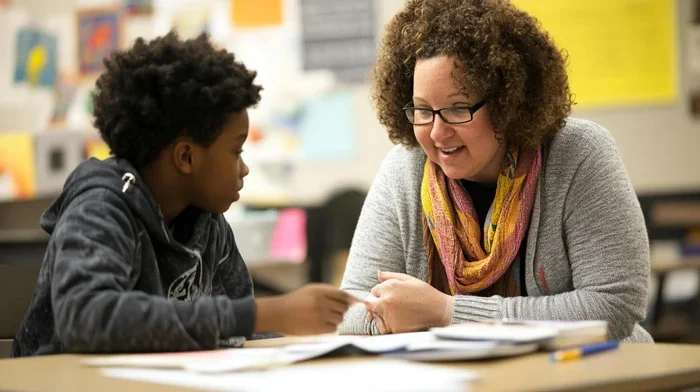
Remediation in education is a targeted approach that helps students catch up on skills they have not yet mastered. It focuses on identifying learning gaps and providing personalized support to close them. This article covers everything from core strategies and real-world examples to practical tips for teachers and parents. You will learn why remediation matters and how it transforms student outcomes.
Every student learns at their own pace. Some grasp new concepts quickly, while others need more time and support. That is where remediation in education comes in. It is a focused teaching approach designed to help students who are struggling to keep up with their peers.
At its core, remediation means filling in the gaps. When a student falls behind in reading, math, or any other subject, remediation steps in to rebuild those foundational skills. Think of it as a bridge between where a student is now and where they need to be.
In this article, we will break down exactly what remediation means, why it matters so much, and how educators and parents can use it effectively. Whether you are a teacher looking for new strategies or a parent wanting to support your child, this guide has you covered. Let us dive in.
Key Takeaways
- Remediation in education is a structured process to help students who are behind in specific skills or subjects.
- It uses diagnostic assessments to pinpoint exact learning gaps and then applies targeted interventions.
- Effective remediation relies on differentiated instruction, progress monitoring, and formative assessment.
- Both teachers and parents play a vital role in supporting students through remediation programs.
- Early intervention leads to better long-term academic outcomes and stronger student confidence.
- Remediation is not about labeling students — it is about giving every learner a fair chance to succeed.
📑 Table of Contents
- What Is Remediation in Education?
- Why Remediation Matters for Student Success
- Key Strategies for Effective Remediation
- The Role of Teachers and Parents in Remediation
- Common Challenges in Remediation and How to Overcome Them
- Real-World Examples of Remediation in Action
- Measuring the Success of Remediation Programs
- How to Get Started with Remediation
- Conclusion
What Is Remediation in Education?
Remediation in education refers to targeted teaching methods that help students recover lost ground. It is not about repeating an entire grade or giving more homework. Instead, it focuses on specific skills that a student has not yet mastered.
When a student struggles with fractions, for example, remediation does not mean redoing the whole math unit. It means zeroing in on fractions and working through them until the student feels confident. This approach saves time and makes learning more efficient.
Remediation can happen in many settings. It might take place in a small group, one-on-one with a tutor, or even through digital learning tools. The key is that the instruction is tailored to the student’s unique needs.
How Remediation Differs from Regular Teaching
Regular classroom instruction is designed for the average learner. Teachers cover curriculum at a steady pace. But not every student keeps up with that pace. Remediation adjusts the approach to meet students where they are.
Here is a simple way to think about it:
- Regular teaching moves forward with the class.
- Remediation goes back to fill in missing pieces.
Both are important. But remediation gives extra attention to students who need it most.
Why Remediation Matters for Student Success
Learning gaps can snowball quickly. If a student does not understand basic addition, they will struggle with multiplication later. Remediation stops this cycle before it gets worse. It addresses problems early, when they are still manageable.
Research shows that students who receive timely remediation perform better in the long run. They are less likely to fall further behind and more likely to stay engaged in school. Early intervention truly changes outcomes.
Building Confidence and Reducing Frustration
When students fall behind, it can hurt their confidence. They may start to feel like they are not smart enough. Remediation helps flip that narrative. As students master skills they once found difficult, their confidence grows.
This emotional boost matters just as much as the academic gains. A student who believes they can succeed is more likely to keep trying. Remediation builds both skills and self-esteem at the same time.
Closing Achievement Gaps
Not all students start from the same place. Some come from backgrounds with fewer educational resources. Remediation in education helps level the playing field. It gives every student access to the support they need, regardless of their starting point.
When schools invest in remediation, they invest in equity. Every child deserves the chance to reach their full potential.
Key Strategies for Effective Remediation
Not all remediation approaches work the same way. The best programs use proven strategies backed by research. Here are some of the most effective methods educators use today.
Diagnostic Assessment
You cannot fix what you do not understand. That is why diagnostic assessment comes first. Teachers use tests and observations to identify exactly where a student is struggling.
For example, a reading assessment might reveal that a student can decode words but struggles with comprehension. That specific insight guides the remediation plan. Without it, teachers would be guessing instead of targeting the real problem.
Differentiated Instruction
Differentiated instruction means tailoring lessons to individual learners. In a remediation setting, this is essential. Each student has different gaps, so each needs a different path forward.
Some students benefit from visual aids. Others learn better through hands-on activities. A good remediation plan considers these differences and adapts accordingly.
Think of it like a recipe. The base ingredients are the same, but the spices change depending on who is eating. Differentiation makes learning personal and effective.
Progress Monitoring
Once a remediation plan is in place, teachers need to track progress. This is called progress monitoring. It involves regular check-ins to see if the student is improving.
If a strategy is not working, teachers can adjust quickly. This keeps remediation flexible and responsive. Students do not waste time on methods that are not helping them.
Small Group and One-on-One Sessions
Large class sizes make it hard to give individual attention. Remediation often uses small groups or one-on-one sessions to fill that gap. In a smaller setting, students feel more comfortable asking questions and making mistakes.
These intimate learning environments allow teachers to focus on exactly what each student needs. The results are often faster and more noticeable.
Using Technology and Digital Tools
Technology has opened up new possibilities for remediation. Adaptive learning platforms can adjust difficulty levels in real time based on how a student performs. This creates a personalized experience without extra work for the teacher.
Digital tools also make practice more engaging. Games, interactive exercises, and multimedia content can motivate students who might otherwise tune out. Technology is not a replacement for good teaching, but it is a powerful supplement.
The Role of Teachers and Parents in Remediation
Remediation is not just a school initiative. It works best when teachers and parents work together. Both sides bring something valuable to the table.
What Teachers Can Do
Teachers are on the front lines. They identify struggling students, design intervention plans, and deliver targeted instruction. But they also need support. Schools should provide teachers with training and resources for effective remediation.
Professional development plays a big role here. When teachers understand the latest instructional strategies and assessment tools, they can do their jobs even better. Ongoing learning benefits both educators and students.
What Parents Can Do
Parents are a child’s first and most important teachers. They can reinforce remediation at home in simple but powerful ways. Reading together every night, practicing math facts during car rides, or just asking about school — all of these small actions add up.
Communication is key. When parents stay in touch with teachers, they can track progress and celebrate wins. A strong home-school partnership makes remediation far more effective.
Common Challenges in Remediation and How to Overcome Them
Remediation is not without its hurdles. Schools and families face real obstacles. Understanding these challenges is the first step toward solving them.
Time and Resource Constraints
Many schools simply do not have enough time or funding for remediation. Teachers are already stretched thin. Adding another program can feel overwhelming.
The solution is to integrate remediation into existing routines. Short daily sessions can be more effective than long weekly ones. Even 15 minutes of targeted practice each day adds up over time.
Student Resistance and Stigma
Some students feel embarrassed about receiving extra help. They may see remediation as a label or a punishment. This mindset can block progress.
Framing matters. Teachers and parents should present remediation as a positive step, not a negative one. When students understand that everyone has areas to grow, the stigma fades. It is not about being behind — it is about moving forward.
Keeping Students Engaged
Let us face it. Extra practice can feel boring. Students are more likely to resist remediation if it feels like more of the same old worksheets.
Variety is the antidote. Incorporating games, group activities, real-world problems, and creative projects keeps students interested. Engaging content turns remediation from a chore into something students actually enjoy.
Real-World Examples of Remediation in Action
Theory is helpful, but examples bring ideas to life. Here are a few real-world scenarios that show how remediation works in practice.
Example 1: Reading Intervention in Elementary School
A third-grade teacher notices that several students are struggling with reading comprehension. She starts by giving a short diagnostic test. The results show that most of these students can read words aloud but do not understand what they read.
She creates a small group that meets three times a week. Together, they practice summarizing stories, asking questions about the text, and visualizing scenes. Within a few weeks, comprehension scores start to climb. The students also become more confident readers.
Example 2: Math Remediation for Middle Schoolers
A middle school math teacher sees that a group of sixth graders has gaps in fractions. These gaps are making decimals and percentages confusing. She uses a digital platform that adapts to each student’s level. Students work through fraction problems at their own pace.
She also holds brief one-on-one check-ins every Friday. By the end of the semester, most students have closed their fraction gaps and are ready to move forward with the class.
Example 3: Parent-Led Remediation at Home
A parent notices their child is anxious about math homework. They start spending 10 minutes each evening playing math games together. They use real-life situations like counting groceries or splitting a pizza into equal slices. Over time, the child’s confidence grows and grades improve. This simple home-based approach shows that remediation does not always require a formal program.
Just like similes for education help students grasp abstract ideas through comparison, metaphors for education can also be powerful tools in making remediation concepts more relatable and memorable for learners of all ages.
Measuring the Success of Remediation Programs
How do you know if remediation is working? You measure it. Schools use several methods to evaluate the effectiveness of their programs.
Formative assessment is one of the most reliable tools. It gives teachers ongoing feedback about student progress. Unlike end-of-year tests, formative assessments happen throughout the learning process. They help teachers adjust their approach in real time.
Another useful metric is student growth data. This tracks how much a student has improved over time, not just where they stand at a single moment. Growth data tells a more complete story than a single test score ever could.
Schools should also gather qualitative feedback. Ask students how they feel about their progress. Do they feel more confident? Are they more willing to participate? These insights matter just as much as numbers on a chart.
Key Metrics to Track
- Assessment scores before and after remediation
- Grades in the affected subject
- Attendance rates and participation levels
- Student self-reports on confidence and engagement
- Teacher observations about skill improvement
Tracking these metrics helps schools refine their programs. It also builds accountability and ensures that resources are used wisely.
How to Get Started with Remediation
If you are a teacher or parent ready to start, here is a simple roadmap. You do not need a perfect plan. You just need to begin.
- Identify the gaps. Use assessments to find out exactly where the student is struggling.
- Set clear goals. Define what success looks like for this student.
- Choose the right strategies. Pick methods that match the student’s learning style and needs.
- Start small. Even 10 to 15 minutes of targeted practice can make a difference.
- Monitor and adjust. Check progress regularly and change your approach if something is not working.
- Celebrate wins. Acknowledge every improvement, no matter how small. Positive reinforcement goes a long way.
The most important step is the first one. You do not need to have everything figured out. Just start where you are and build from there.
Much like how idioms for education help students understand language in creative ways, effective remediation helps students understand concepts in ways that work specifically for them.
It is also worth noting that change takes time. Students did not fall behind overnight, and they will not catch up overnight either. Patience and consistency are the foundations of any successful remediation effort.
When schools and families commit to this process, the results speak for themselves. Students catch up. They grow. They believe in themselves again. That is the true power of remediation in education.
Conclusion
Remediation in education is one of the most impactful tools we have for supporting struggling learners. It targets specific gaps, builds confidence, and sets students on a path toward lasting success. Whether you are a teacher, a parent, or an education advocate, understanding how remediation works puts you in a position to make a real difference.
The strategies in this article are not just theory. They are practical, proven, and ready to use. Start small, stay consistent, and watch what happens. Every student deserves the chance to thrive, and remediation makes that chance real.
Take what you have learned here and put it into action today. The students you support will thank you for it.
Frequently Asked Questions
What does remediation mean in education?
Remediation in education means providing targeted support to help students catch up on skills they have not yet mastered. It focuses on specific learning gaps rather than repeating entire courses or grades.
Who can benefit from remediation programs?
Any student who is struggling with a particular subject or skill can benefit. This includes students with learning disabilities, those who missed key concepts earlier, and even high achievers who need extra challenge in certain areas.
Is remediation the same as special education?
No, they are not the same. Remediation is a broader approach that helps any student who is behind. Special education is a specific service for students with diagnosed disabilities that require an individualized education plan.
How long does a remediation program last?
The duration varies depending on the student and the severity of the learning gap. Some students need just a few weeks of targeted help, while others may benefit from ongoing support throughout the school year.
Can parents do remediation at home?
Absolutely. Parents can use simple strategies like reading together, practicing math through games, and maintaining open communication with teachers. Home-based reinforcement strengthens what students learn in school.
What is the difference between remediation and enrichment?
Remediation focuses on closing learning gaps and building foundational skills. Enrichment, on the other hand, goes beyond the standard curriculum to challenge advanced learners. Both serve important but different purposes in education.


