
The department of education was established in 1979 under President Jimmy Carter. This federal agency manages education policy, federal funding, and civil rights protections in schools across the United States. Understanding its origins helps us appreciate how education governance evolved and why it still matters for students, teachers, and families today.
Have you ever wondered who started the department of education? It is a question that matters more than most people realize. The federal education department touches almost every classroom in America. It shapes how schools get money, how teachers are trained, and how students learn. Without it, the American education system would look completely different today.
The story of how this agency came to be is fascinating. It involves presidents, lawmakers, activists, and everyday citizens who believed education deserved its own spotlight. Let us walk through the full history, the reasons behind it, and why it still plays a huge role in our lives.
Key Takeaways
- Jimmy Carter championed the creation: President Carter made the department of education a standalone agency after years of advocacy.
- It separated from a larger department: Before 1979, education fell under the Department of Health, Education, and Welfare.
- Federal funding depends on it: The department oversees billions in education funding for schools nationwide.
- Civil rights enforcement is a core role: It ensures equal access to education for all students regardless of background.
- It shapes national learning standards: The department influences curriculum guidelines and educational policy across states.
- Debate continues today: Many still argue about the scope and power of federal involvement in schools.
- Literacy and language matter too: The department supports broader learning tools, including resources like educational idioms that help students build strong language skills.
📑 Table of Contents
The Roots of Federal Education Involvement
Before the department of education existed, education was not a federal priority. In the early days of the United States, schools were a local matter. Towns and cities handled them. States set their own rules. There was no big federal agency telling anyone how to teach kids.
But as the country grew, things changed. More children needed schooling. Immigration brought diverse learners into classrooms. The industrial revolution demanded a more educated workforce. Slowly, the federal government began to take a bigger interest in education policy.
Early Education Laws and Programs
The federal government started small. In 1867, Congress created the first federal education agency. It was called the Office of Education. Back then, it was tiny. Its job was mainly to collect data about schools across the country. It did not set rules or hand out money.
Over the decades, that office grew in influence. Key moments paved the way for bigger federal action:
- 1944 GI Bill: This law gave veterans access to college, showing the federal government could shape higher education access.
- 1954 Brown v. Board of Education: The Supreme Court ruled that segregated schools were unequal. This pushed the federal government into civil rights enforcement in schools.
- 1965 Elementary and Secondary Education Act: President Lyndon B. Johnson signed this landmark law. It directed federal funding education to schools serving low-income families. This was a turning point.
By the 1970s, many people felt that education had grown too important to stay buried inside a larger department. Something bigger was needed.
Who Actually Started the Department of Education
The answer to who started the department of education comes down to one name: Jimmy Carter. But like most big changes, it was not just one person. It was a movement.
Jimmy Carter campaigned for president in 1976 with a clear promise. He wanted to create a separate federal education department. He believed education deserved its own focused attention. At the time, education was part of the Department of Health, Education, and Welfare, or HEW. Carter thought that was too crowded and unfocused.
Carter’s Vision for Education Reform
Carter saw that kids across America were not getting equal opportunities. Rural schools lacked resources. Urban schools struggled. Minority students faced discrimination. He believed a standalone department could address these problems more effectively.
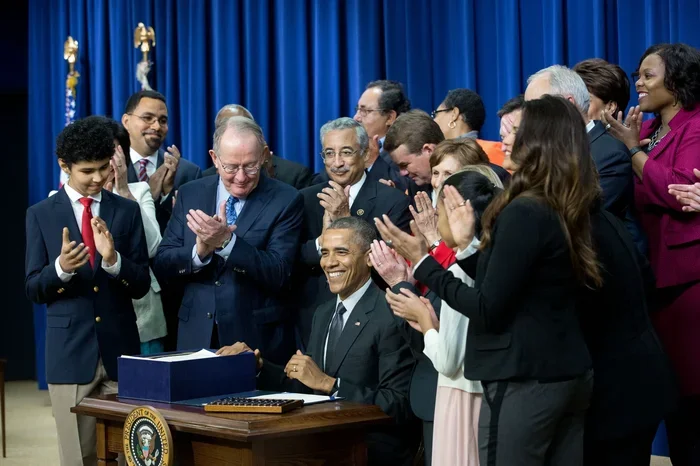
In 1979, Congress passed the Department of Education Organization Act. President Carter signed it into law on October 17, 1979. The new department officially opened its doors on May 4, 1980. Shirley Mount Hufstedler became the first education secretary to lead it.
This was a big deal. For the first time, the federal government had a dedicated agency focused entirely on educational reform and national education policy. It sent a clear message: education matters at the highest level of government.
Why Was the Department Created
Creating a new federal agency is never simple. Lawmakers debated the idea for years. Some people worried about giving the federal government too much power over schools. Others felt it was long overdue. So why did it actually happen?
Centralizing Education Functions
Before 1979, education programs were scattered across many agencies. Some handled student loans. Others managed education funding. Still others worked on civil rights in schools. This fragmentation made things confusing and inefficient.
A standalone department of education would bring all these functions together under one roof. That way, policymakers could coordinate efforts more clearly. It also made it easier to hold one agency accountable for results.
Expanding Federal Oversight and Support
Another big reason was to strengthen federal support for public schools. By the late 1970s, the federal government was already spending significant money on education. But that money was spread thin. A dedicated department could focus resources where they were needed most.
The department also took on a critical civil rights role. It was tasked with enforcing laws that protect students from discrimination. This included ensuring equal access for students with disabilities and those from minority backgrounds. The department of education purpose was clear: serve every learner in America.
Addressing Growing Educational Demands
The 1970s brought new challenges. The population of school-age children was growing. Standards were rising. The economy demanded more skilled workers. The existing setup simply could not keep up with these demands.
A focused agency could respond faster. It could develop educational standards and share best practices across states. It could also coordinate with colleges and universities on education access and affordability.
What the Department of Education Does Today
Today, the federal education department has a wide range of responsibilities. It is not just about paperwork and regulations. It plays a direct role in the daily lives of millions of students and teachers.
Managing Federal Funding and Student Aid
One of the department’s biggest jobs is managing federal funding education programs. It distributes billions of dollars to schools each year. This money supports everything from teacher training to school lunches.
The department also oversees federal student financial aid. If you or someone you know has ever filled out the FAFSA, you have interacted with this agency. It manages Pell Grants, student loans, and work-study programs. These tools help millions of families afford college every year.
Enforcing Civil Rights in Schools
The department plays a vital role in protecting students’ rights. Its Office for Civil Rights investigates complaints of discrimination. It ensures schools follow laws like Title IX and the Americans with Disabilities Act. This work keeps education for all students fair and accessible.
Without this enforcement, many schools might not provide equal opportunities. The department serves as a watchdog for justice in classrooms across the nation.
Setting Guidelines and Collecting Data
The department does not tell teachers what to teach in every classroom. That remains a state and local decision. But it does set broad guidelines. It collects data on school performance. It publishes reports that help parents, educators, and lawmakers make informed decisions.
It also supports education research. Studies funded by the department help us understand what works in schools. This evidence shapes educational policy for the better.
The Debate Around the Department of Education
The department of education has always been controversial. Some people love it. Others want to abolish it. Understanding both sides helps us see the full picture.
Arguments For a Federal Education Agency
Supporters point to several key benefits:
- Equal opportunity: Federal oversight helps ensure that all students, regardless of zip code, have access to quality learning.
- Accountability: A central agency can track outcomes and hold schools accountable for results.
- Resource distribution: It helps direct money to schools and communities that need it most.
- Civil rights protection: It enforces laws that prevent discrimination and promote fairness.
- Data and research: It provides valuable information that improves education policy nationwide.
Arguments Against Federal Involvement
Critics raise valid concerns too:
- Overreach: Some argue that federal control takes power away from local communities and parents.
- Bureaucracy: A large agency can be slow and inefficient.
- One-size-fits-all: What works in one state may not work in another. Federal mandates can ignore local needs.
- Cost: Running the department costs taxpayer money. Some believe those funds could be better spent elsewhere.
This debate is not going away anytime soon. It shapes education reform discussions every election cycle. The tension between local control and federal support is at the heart of American education governance.
How the Department Connects to Broader Learning
Beyond policy and funding, the department of education supports learning in many forms. It promotes literacy, language development, and creative thinking. It recognizes that education is about more than test scores.
For example, the department has supported programs that encourage students to explore language and expression. Understanding similes for education, metaphors for education, and idioms for education helps students develop richer communication skills. These language tools are not just fun. They build critical thinking and creativity.
When students learn to compare ideas using similes for the Trinity or explore metaphors for the ocean, they are practicing the kind of deep thinking that strong education programs aim to foster. The department’s broader mission includes supporting these kinds of creative learning experiences.
Teachers also benefit from resources that help them explain complex ideas in simple ways. Whether it is using similes about the past to teach history or metaphors for the beach to spark a science lesson, language devices make learning more engaging. The department’s investment in education access extends to the tools and materials that make classrooms more dynamic.
Key Takeaways
- Jimmy Carter championed the creation: President Carter made the department of education a standalone agency after years of advocacy.
- It separated from a larger department: Before 1979, education fell under the Department of Health, Education, and Welfare.
- Federal funding depends on it: The department oversees billions in education funding for schools nationwide.
- Civil rights enforcement is a core role: It ensures equal access to education for all students regardless of background.
- It shapes national learning standards: The department influences curriculum guidelines and educational policy across states.
- Debate continues today: Many still argue about the scope and power of federal involvement in schools.
- Literacy and language matter too: The department supports broader learning tools, including resources like educational idioms that help students build strong language skills.
Conclusion
So, who started the department of education? Jimmy Carter signed it into law, but the real story is bigger than one president. It is about decades of growing recognition that education needs strong, focused support at the federal level. The federal education department has shaped American schools in profound ways. It directs funding, protects civil rights, and drives educational reform across the nation.
Whether you are a parent, a teacher, or a student, the department of education affects your daily life. It decides how billions of dollars reach your local school. It enforces the laws that keep classrooms fair and safe. It collects the data that helps us understand what is working and what needs improvement.
The debates about its role will continue. That is healthy. A democracy should constantly ask hard questions about how it educates its young people. But one thing is clear: the department of education matters. It matters for the opportunities it creates and the protections it provides. Understanding its history helps us appreciate what is at stake in every conversation about education policy today.
Take a moment to think about how this agency touches your life. Maybe it helped fund a scholarship. Maybe it enforced a rule that kept your school inclusive. Maybe it simply provided the data that helped your community make better decisions. Whatever the case, the department of education is a powerful force for learning. And its story is far from over.
For those who want to explore the creative side of education, check out resources on similes for education and metaphors for education. These tools can bring lessons to life and help students connect with ideas in memorable ways.
Frequently Asked Questions
Who created the Department of Education?
President Jimmy Carter signed the Department of Education Organization Act in 1979, creating the standalone federal agency. Shirley Mount Hufstedler became the first education secretary when it officially opened in 1980.
Why was the Department of Education separated from other agencies?
Before 1979, education was part of the Department of Health, Education, and Welfare. Lawmakers felt education had grown too complex and important to remain bundled with health agencies. A dedicated department allowed for focused education policy and better coordination of federal funding education programs.
What does the Department of Education do today?
The department manages federal student aid, distributes funding to schools, enforces civil rights laws in education, collects data on school performance, and supports educational reform initiatives. It also ensures equal education access for all students.
Is the Department of Education controversial?
Yes, it has been debated since its creation. Some argue that federal involvement in education reduces local control and adds bureaucracy. Others believe it is essential for ensuring fairness, accountability, and equal opportunity in education for all students across the country.
How does the Department of Education support teachers?
The department funds teacher training programs, provides resources for professional development, and distributes grants that help schools hire and retain quality educators. It also collects data that helps districts improve educational standards and teaching practices.
Can the Department of Education be eliminated?
Some politicians have proposed abolishing the federal education department and returning all education functions to the states. While this idea has gained traction in some circles, no major legislation has successfully eliminated the agency. The debate over its role continues to shape national education policy.


