
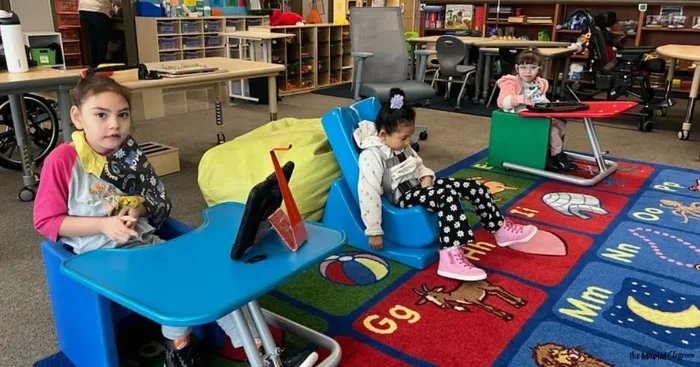
Adaptive skills in special education are the everyday abilities that help children with special needs live, learn, and thrive independently. These skills cover self-care, communication, social interaction, and functional academics. Understanding and supporting adaptive skills in special education can transform a child’s confidence, independence, and long-term quality of life.
Every child deserves the chance to grow, learn, and live as independently as possible. For children with special needs, adaptive skills in special education make that dream a reality. These skills are the building blocks of everyday life. They help kids dress themselves, communicate their needs, and navigate the world around them with confidence.
You might wonder, “What exactly are adaptive skills, and why do they matter so much?” The answer is simpler than you think. Adaptive skills are the practical, everyday abilities that allow a person to function and thrive. In special education, these skills are just as important as academic learning. They shape how a child interacts with the world, builds relationships, and grows into a capable adult. Let’s dive into what makes these skills so powerful and how you can support them every day.
Key Takeaways
- Adaptive skills are essential life abilities: They help children with special needs handle daily tasks like dressing, eating, and communicating.
- They are part of every IEP: Individualized Education Programs include specific adaptive goals tailored to each child.
- Adaptive skills cover multiple areas: Self-care, social skills, motor skills, and functional academics all fall under this umbrella.
- Early intervention matters: The sooner adaptive skill building starts, the better the long-term outcomes for children.
- Parents and teachers work as a team: Consistent support at home and school accelerates progress.
- Technology can help: Assistive tools and adaptive learning platforms make skill-building more accessible.
- Every child grows at their own pace: Celebrate small wins and focus on individual progress.
📑 Table of Contents
- What Are Adaptive Skills in Special Education?
- Why Adaptive Skills Matter So Much
- How Adaptive Skills Are Taught in Special Education
- Key Adaptive Skills Every Child Should Develop
- Common Challenges and How to Overcome Them
- The Role of Parents and Caregivers
- Expert Insights on Adaptive Skill Development
- Final Thoughts on Adaptive Skills in Special Education
What Are Adaptive Skills in Special Education?
Adaptive skills in special education refer to the practical abilities children need to handle everyday life. These skills go beyond reading and math. They include everything from brushing teeth to solving problems at school. When we talk about adaptive behavior, we mean the collection of skills that help a child function independently in their environment.
Think of adaptive skills as the toolkit for life. A child uses these tools every single day, often without even thinking about it. For children with developmental delays or special needs, these tools need to be taught directly and practiced often. That is where special education services come in.
The Three Main Categories of Adaptive Skills
Adaptive skills generally fall into three broad categories. Each one plays a vital role in a child’s daily life.
- Conceptual Skills: These include language, reading, writing, money concepts, and time awareness. Conceptual skills help children understand the world around them.
- Social Skills: This category covers interacting with others, following rules, showing empathy, and building friendships. Social skills are the heart of human connection.
- Practical Skills: Also called self-help or functional skills, these include eating, dressing, grooming, and staying safe in everyday situations.
All three areas work together. A child who struggles with one area often benefits from support in the others too. This is why a well-rounded approach to adaptive learning is so important.
Why Adaptive Skills Matter So Much
You might ask, “Why focus on adaptive skills instead of academics?” That is a great question. The truth is, academic knowledge alone does not prepare a child for real life. Adaptive skills in special education bridge the gap between what a child learns in the classroom and what they need to do every day.
Here are some key reasons why these skills are so important:
- Independence: Adaptive skills give children the ability to do things on their own. This builds self-esteem and reduces reliance on others.
- Better Quality of Life: When children can handle daily tasks, they feel more confident and less frustrated. This leads to happier, more fulfilling lives.
- Stronger Relationships: Social adaptive skills help children connect with peers, family members, and community members.
- Future Success: Functional skills like cooking, cleaning, and managing money prepare children for adult life and meaningful work.
- Reduced Behavioral Challenges: Many behavior issues stem from frustration when a child cannot communicate or meet their own needs. Adaptive skills reduce that frustration.
Research shows that children who develop strong adaptive skills early on have better outcomes in school, work, and personal life. The impact is real and lasting.
How Adaptive Skills Are Taught in Special Education
Teaching adaptive skills is not a one-size-fits-all process. Every child learns differently, and special education programs are designed to meet each child where they are. Teachers and specialists use a variety of methods to build these essential abilities.
Individualized Education Programs (IEPs)
An IEP goals plan is the backbone of special education. It outlines exactly what a child needs to work on, including adaptive skills. The IEP team, which includes parents, teachers, and specialists, sets specific, measurable goals for each child. For example, an IEP might include a goal like, “The student will independently zip up their coat within three months.”
IEPs are reviewed regularly. This ensures that goals stay relevant and that the child is making progress. Adjustments are made as needed to keep the child moving forward.
Functional Curriculum and Everyday Practice
A functional curriculum focuses on skills that children will actually use in their daily lives. Instead of only teaching abstract concepts, functional education connects lessons to real-world tasks. For instance, a math lesson might involve counting coins or measuring ingredients for a recipe.
Here are some common ways adaptive skills are practiced in the classroom:
- Role-playing social situations like ordering food at a restaurant
- Practicing handwashing and personal grooming routines
- Using visual schedules to build independence in daily tasks
- Cooking simple meals to build functional motor and following directions
- Sorting laundry or organizing a desk to practice categorization
The key is repetition and real-life context. The more a child practices a skill in a natural setting, the faster they will master it.
The Role of Assistive Technology
Technology has opened up amazing possibilities for adaptive learning. Assistive devices and software can help children with physical, cognitive, or communication challenges. Some examples include:
- Speech-to-text tools for children who struggle with writing
- Visual timers that help with transitions between activities
- Communication boards or apps for nonverbal children
- Adaptive scissors, pencil grips, and other classroom accommodations
These tools do not replace the child’s effort. Instead, they remove barriers and give children a way to show what they can do. The right technology can be a game-changer for a child’s confidence and independence.
Key Adaptive Skills Every Child Should Develop
While every child’s needs are different, there are some core adaptive skills that benefit most children in special education. Let us look at them in more detail.
Self-Care and Daily Living Skills
Self-care skills are the foundation of independence. These include tasks like brushing teeth, getting dressed, using the bathroom, and feeding oneself. For young children, these skills are still developing. For children with special needs, they may require more direct instruction and patience.
Parents can support self-care at home by breaking tasks into small steps. For example, instead of saying “Get dressed,” you might say, “First, put your shirt on. Now, pull up your pants.” Clear, simple instructions make a big difference.
Communication Skills
Being able to express needs, wants, and feelings is fundamental. Communication skills include both speaking and understanding others. Some children use words, while others rely on sign language, picture cards, or devices.
Whatever method a child uses, the goal is the same: to give them a voice. When a child can communicate, their world opens up. They can ask for help, make friends, and participate more fully in activities.
Social and Emotional Skills
Getting along with others is a skill that takes practice. Social skills include sharing, taking turns, reading facial expressions, and managing emotions. Children with special needs sometimes find these areas challenging, but they can absolutely improve with guidance.
Teachers can model social skills during the school day. Simple activities like group projects, turn-taking games, and class discussions provide natural opportunities to practice. At home, parents can role-play different social situations to help children feel more prepared.
Functional Academic Skills
Functional academics focus on practical knowledge that children will use outside of school. This includes reading signs, counting money, telling time, and understanding measurements. These skills are not just “nice to have.” They are essential for navigating daily life.
A strong functional curriculum connects academic learning to real-world use. When a child learns to read a bus schedule or count change at a store, the skill has immediate meaning and purpose.
Common Challenges and How to Overcome Them
Building adaptive skills is not always easy. Children may face frustration, resistance, or slow progress. Understanding common challenges can help you respond with patience and the right strategies.
Resistance to New Tasks
Many children with special needs prefer routine and resist changes. Introducing a new skill can feel overwhelming. The trick is to go slowly and make the experience positive. Use visual supports, break tasks into tiny steps, and celebrate every small success.
Lack of Generalization
A child might master a skill in the classroom but struggle to use it at home or in the community. This is called a generalization gap. To bridge it, practice the same skill in different settings. If a child learns to make a sandwich at school, practice making one at home too. Consistency across environments strengthens the skill.
Patience and Persistence
Progress in adaptive skill building can be slow. It is easy to feel discouraged, but every small step counts. Keep a journal of what the child has learned. Looking back at how far they have come can be incredibly motivating for both the child and the adult supporting them.
The Role of Parents and Caregivers
Parents are the most important part of a child’s adaptive skill journey. You know your child better than anyone. Your involvement at home makes a huge difference in how quickly and well they learn new skills.
Here are some practical tips for supporting adaptive skills at home:
- Create a routine: Predictable daily schedules help children know what to expect and build independence.
- Give choices: Offering simple choices, like “Do you want the red shirt or the blue shirt?” encourages decision-making.
- Practice in real settings: Go to the grocery store, the post office, or the park. Real-world practice builds real-world skills.
- Use positive reinforcement: Praise effort, not just success. A simple “Great job trying!” goes a long way.
- Communicate with the school: Stay in touch with teachers and therapists. Consistent messaging between home and school supports faster progress.
Remember, you do not have to do it all at once. Focus on one or two skills at a time. As your child grows, you can add more goals. The journey of building adaptive skills is a marathon, not a sprint.
Expert Insights on Adaptive Skill Development
Special education experts agree that adaptive skills are just as critical as academic learning. Dr. Temple Grandin, a well-known advocate for individuals with autism, has often spoken about the importance of teaching practical life skills early. She emphasizes that every child, regardless of their challenges, can learn and grow when given the right support and opportunities.
In the field of special education, the term “adaptive learning” has evolved to include not just the skills themselves but also the methods used to teach them. Modern approaches focus on the whole child, considering their strengths, challenges, interests, and goals. This holistic view leads to better outcomes and more meaningful progress.
One important insight from experts is that language matters. The way we talk about adaptive skills shapes how children see themselves. Using positive, empowering language helps children build a growth mindset. Instead of saying “She cannot do it,” try “She is learning how to do it.” Small shifts in language can lead to big shifts in confidence.
Many educators also point out the connection between adaptive skills and idioms used in education. Phrases like “learning the ropes” or “getting the hang of it” reflect the process of building practical skills. Understanding these common education idioms can help parents and teachers communicate more effectively with children about their progress and goals.
Final Thoughts on Adaptive Skills in Special Education
Adaptive skills in special education are the foundation of a meaningful, independent life. They cover everything from self-care to social interaction to functional academics. Every child, no matter their abilities, deserves the chance to build these skills and grow in their own way.
If you are a parent, teacher, or caregiver, you already have the power to make a difference. Start small. Be patient. Celebrate every win. The journey of building adaptive skills is a journey of growth, confidence, and joy. And that is something worth fighting for.
Remember, the goal is not perfection. The goal is progress. Every step forward, no matter how small, is a victory. Keep going, keep supporting, and keep believing in the potential of every child you touch.
Frequently Asked Questions
What are adaptive skills in special education?
Adaptive skills in special education are the practical, everyday abilities that help children with special needs function independently. These include self-care, communication, social skills, and functional academics. They are taught through direct instruction, practice, and support in both school and home settings.
Why are adaptive skills important for children with special needs?
Adaptive skills give children the tools they need to handle daily life with confidence. They promote independence, reduce frustration, and improve overall quality of life. Strong adaptive skills also prepare children for future success in work, relationships, and community participation.
How are adaptive skills different from academic skills?
Academic skills focus on knowledge like reading, writing, and math. Adaptive skills focus on practical, real-world abilities like dressing, communicating, and solving everyday problems. Both are important, but adaptive skills are often what help children apply what they learn to real life.
What role do IEPs play in developing adaptive skills?
An Individualized Education Program (IEP) sets specific, measurable goals for each child, including adaptive skill targets. The IEP team works together to create a plan that addresses the child’s unique needs and tracks their progress over time.
Can assistive technology help with adaptive skill building?
Yes, absolutely. Assistive technology like communication devices, visual timers, and adaptive tools can remove barriers and help children practice and master adaptive skills more effectively. Technology supports independence and gives children new ways to learn and communicate.
How can parents support adaptive skills at home?
Parents can support adaptive skills by creating routines, giving simple choices, practicing skills in real-world settings, and using positive reinforcement. Consistent communication with teachers and therapists also helps align home and school efforts for the best results.
=== INTERNAL LINKS ===


