
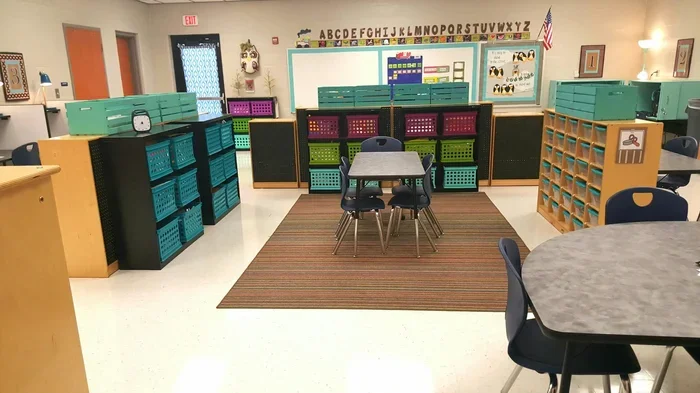
SLD stands for Specific Learning Disability, a term used in special education to describe a neurological condition that affects how a child learns, reads, writes, or does math. Understanding SLD in special education helps parents, teachers, and caregivers provide the right support early. With the right educational assessment and individualized education program, students with learning differences can thrive in school and beyond.
Every child learns differently. Some kids pick up reading quickly while others need more time. Some excel in math, and some find numbers confusing. For most children, these differences are just part of growing up. But for a certain group of students, these struggles go deeper. They may have what educators call SLD in special education. Understanding this term opens doors to better support, stronger confidence, and brighter futures for kids who learn in unique ways.
SLD stands for Specific Learning Disability. It is a official term used by schools and doctors to describe a condition that affects how a child processes information. A child with SLD is not less intelligent. In fact, many kids with learning differences have average or above-average IQs. The problem lies in how the brain receives, understands, and responds to new information. This is why special education services exist. They give these children the tools they need to succeed.
In this article, we will break down everything you need to know about SLD in special education. We will cover how it is identified, what types exist, how it differs from other challenges, and how parents and teachers can help. Whether you are a concerned parent or an educator looking for answers, this guide has you covered.
Key Takeaways
- SLD stands for Specific Learning Disability: It is a recognized category in special education that covers challenges with reading, writing, and math.
- Early identification matters: The sooner a learning disability is spotted, the better the outcomes for the child.
- Formal evaluation is required: Schools use psychoeducational evaluation and team meetings to determine eligibility.
- An IEP provides personalized support: Every student with SLD can have a tailored plan with classroom accommodations.
- SLD is not a reflection of intelligence: Children with learning difficulties are often just as smart as their peers.
- Support extends beyond the classroom: Parents, therapists, and teachers all play a role in helping these students succeed.
📑 Table of Contents
- What Does SLD Stand For in Special Education?
- How Is SLD Identified in Students?
- Common Types of SLD in Special Education
- How Is SLD Different from ADHD and Other Conditions?
- How Can Parents and Teachers Support a Child with SLD?
- Why Early Intervention for SLD Makes a Lasting Difference
- Common Mistakes People Make About SLD
- Key Takeaways
- Conclusion
What Does SLD Stand For in Special Education?
The full form of SLD is Specific Learning Disability. It is a broad term that covers a range of learning difficulties tied to specific academic skills. A child with SLD may struggle with one area or several. The key word here is specific. This is not a blanket label for all learning troubles. It points to a particular area where the brain has trouble processing information.
For example, a child might read well but cannot spell. Or they can do simple addition but freeze when faced with word problems. These patterns are what make SLD so unique. Each child’s experience is different. That is why a one-size-fits-all approach does not work. Schools must look closely at each student’s strengths and weaknesses.
The term SLD is recognized by federal law in the United States. The Individuals with Disabilities Education Act, or IDEA, lists it as a category for special education services. This means that if a child is found eligible, they have legal rights to support. These rights are protected and enforced by law. That is a big deal for families who might otherwise feel lost.
How Is SLD Different from Other Learning Challenges?
This is a common question, and it is a good one. SLD is not the same as intellectual disability. A child with an intellectual disability may have delays across many areas of learning. A child with SLD, on the other hand, typically struggles in just one or two areas. Their overall thinking and reasoning skills are usually intact.
SLD is also different from learning difficulties caused by outside factors. For instance, a child who has trouble reading because they missed too much school due to illness does not have SLD. The same goes for a child learning English as a second language. Schools must rule out these factors before labeling a child with SLD. This process ensures that every child gets the right kind of help.
Think of it this way. When parents describe their journey, they often use idioms for falling in love to express how deeply they care for their children, no matter their challenges. In the same spirit, understanding SLD means seeing the whole child, not just the label.
How Is SLD Identified in Students?
Identifying SLD is not a single test. It is a process. Schools use a combination of tools and observations to figure out if a child has a specific learning disability. The goal is to be as accurate as possible. No parent wants their child mislabeled, and no child deserves to go unsupported.
The process usually starts with a teacher or parent noticing that a child is struggling. Maybe the reading scores are low. Maybe the child cannot focus on written tasks. At this point, the school may suggest a learning support plan or a preliminary evaluation. This is the first step toward getting answers.
The Role of Psychoeducational Evaluation
A psychoeducational evaluation is the gold standard for identifying SLD. This evaluation is done by a school psychologist or a licensed professional. It includes several parts:
- Cognitive testing: This measures the child’s overall thinking and reasoning abilities.
- Achievement testing: This checks how well the child reads, writes, and does math compared to peers.
- Processing tests: These look at how the brain handles information, such as memory, attention, and language skills.
- Behavioral observations: Teachers and parents share notes on how the child behaves and learns in different settings.
The results are compared to age and grade-level expectations. If there is a big gap between a child’s thinking ability and their academic performance, that is a red flag for SLD. The IEP team then reviews all the data to decide if the child qualifies for services.
Who Is on the IEP Team?
The IEP team is a group of people who work together for the child. It usually includes:
- The parents or guardians
- The child’s teacher or teachers
- A school psychologist
- A special education coordinator
- Sometimes the child themselves
Everyone on the team has a voice. The parents are especially important. They know their child better than anyone. Together, the team decides if the child has SLD and what kind of classroom accommodations will help them most.
Common Types of SLD in Special Education
SLD is not just one thing. It covers several areas where a child might struggle. Each type affects a different academic skill. Let us look at the most common ones.
Dyslexia (Reading Disability)
Dyslexia is the most well-known type of SLD. It affects how a child reads. A child with dyslexia might mix up letters, skip words, or read very slowly. They often struggle with phonics, which is the connection between letters and sounds. But here is the important part: dyslexia has nothing to do with intelligence. Many brilliant people have dyslexia. With the right learning support, they can read and succeed just like anyone else.
Dyscalculia (Math Disability)
Dyscalculia affects a child’s ability to understand numbers and math concepts. A child with this type of SLD might have trouble counting, memorizing math facts, or understanding patterns. Simple addition might take them much longer than their classmates. They may also struggle with time, money, and measurement in daily life.
Dysgraphia (Writing Disability)
Dysgraphia makes writing extremely difficult. A child with dysgraphia might have messy handwriting, trouble spacing words, or difficulty organizing thoughts on paper. Even if they have great ideas, putting them down on a page can feel impossible. Classroom accommodations like typing tools or extra time on written tasks can make a huge difference.
Auditory and Visual Processing Disorders
Some children with SLD have trouble processing what they hear or see. An auditory processing disorder means the brain has a hard time making sense of sounds. A visual processing disorder affects how the brain interprets images and symbols. These are less obvious types of learning differences, but they can impact schoolwork just as much as reading or math struggles.
How Is SLD Different from ADHD and Other Conditions?
This is where things get tricky. SLD and ADHD often overlap. A child with ADHD might struggle to focus, sit still, or follow instructions. A child with SLD might struggle with specific academic skills. Sometimes, a child has both. This is called a dual diagnosis, and it happens more often than people think.
The key difference is this: ADHD affects attention and behavior across all settings. SLD affects specific academic skills. A child with ADHD might struggle with reading because they cannot focus. A child with SLD might struggle with reading because their brain processes language differently. The treatment and support for each are different.
When a child’s life changes because of a diagnosis, families often search for the right words to express that shift. You might find it interesting to explore similes for change in life to see how people describe big transitions. In the same way, understanding SLD helps families put a name to what their child is experiencing and find the right path forward.
How Can Parents and Teachers Support a Child with SLD?
Once a child is identified as having SLD, the real work begins. Support is not a one-time event. It is an ongoing process that involves parents, teachers, therapists, and the child themselves. The good news is that there are many effective strategies.
Create an Individualized Education Program
An IEP is a written plan that outlines the child’s unique needs and the support they will receive. It is legally binding, which means the school must follow it. A strong IEP includes:
- Specific goals for reading, writing, or math
- The type of special education services the child will receive
- Classroom accommodations like extra time or preferential seating
- How progress will be measured and reported
The IEP is reviewed at least once a year. Parents can request changes at any time. It is a living document that should grow with the child.
Use Multi-Sensory Teaching Methods
Children with SLD often learn best when they use more than one sense. This is called multi-sensory learning. For example, a child might say a word out loud, write it in the air, and trace it in sand all at the same time. This approach helps the brain build stronger connections. Many special education services use these methods because they work.
Encourage a Growth Mindset
Every child deserves to feel capable and valued. When a child has learning difficulties, it is easy to feel discouraged. Parents and teachers can help by focusing on effort, not just results. Praising hard work and progress builds resilience. It tells the child that struggling does not mean failing. It means they are learning.
Leverage Strengths to Build Confidence
Here is something people often overlook. Children with SLD usually have strengths too. Maybe they are great at art. Maybe they are incredibly kind or creative. When we lean into those strengths, we remind the child that they are more than their learning differences. This shift in perspective can be powerful. It changes the story from “I cannot do this” to “I am learning how to do this.”
When families come to terms with a child’s unique needs, they often find beautiful ways to express their love and commitment. Much like metaphors for someone special capture the depth of a bond, the journey of supporting a child with SLD is full of quiet strength and deep dedication.
Why Early Intervention for SLD Makes a Lasting Difference
Time is a critical factor when it comes to SLD. The earlier a child receives support, the better their chances of catching up. Research shows that early intervention can reduce the gap between a child with SLD and their peers. Waiting too long can lead to frustration, low self-esteem, and even behavioral problems in school.
Think of it like building a house. If the foundation has cracks, you want to fix them right away. You would not wait until the whole structure is wobbly. The same logic applies to learning support. Catching SLD early gives the child a solid base to build on. They can develop coping strategies, gain confidence, and keep up with their classmates.
Parents should trust their instincts. If something feels off, it is okay to ask for an evaluation. Teachers should pay attention to patterns. If a child consistently struggles in one area, that is worth investigating. The earlier SLD is identified, the sooner the child can receive the help they deserve.
What Happens If SLD Is Not Addressed?
Without proper support, SLD can have long-term effects. A child might fall further behind in school. They might start to dislike learning altogether. Some children develop anxiety or depression because they feel “broken” or “stupid.” These are painful outcomes that are entirely preventable with the right special education services.
On the other hand, children who receive support often go on to do amazing things. Many successful adults have SLD. They have turned their learning differences into strengths. Their unique way of thinking gives them perspectives that others might not have. This is why understanding and addressing SLD matters so much.
Life with a child who has special needs can feel like navigating uncharted territory. Families often describe the experience in vivid terms. If you are curious about how people use language to express these deep emotions, check out idioms for someone special to see how words can capture the heart of this journey.
Common Mistakes People Make About SLD
There is a lot of misinformation out there about SLD. Let us clear up some of the most common mistakes.
- Mistake 1: Thinking SLD means the child is not smart. This is flat-out wrong. SLD has nothing to do with intelligence.
- Mistake 2: Believing the child will just grow out of it. SLD is a lifelong condition. The brain does not simply “fix” itself. But with the right strategies, children can absolutely succeed.
- Mistake 3: Confusing SLD with laziness. A child with SLD is often working harder than anyone else in the room. Their struggles are real and neurological.
- Mistake 4: Skipping the evaluation process. Some parents avoid testing because they fear the label. But without an evaluation, the child cannot access the services they need.
- Mistake 5: Not following up on the IEP. An IEP is only effective if it is implemented and reviewed regularly. Parents should stay actively involved.
Avoiding these mistakes sets the stage for a much better experience for the child and the whole family. Knowledge is power, and understanding SLD is the first step toward advocacy.
Key Takeaways
- SLD stands for Specific Learning Disability: It is a recognized category in special education that covers challenges with reading, writing, and math.
- Early identification matters: The sooner a learning disability is spotted, the better the outcomes for the child.
- Formal evaluation is required: Schools use psychoeducational evaluation and team meetings to determine eligibility.
- An IEP provides personalized support: Every student with SLD can have a tailored plan with classroom accommodations.
- SLD is not a reflection of intelligence: Children with learning difficulties are often just as smart as their peers.
- Support extends beyond the classroom: Parents, therapists, and teachers all play a role in helping these students succeed.
Conclusion
SLD in special education is a term that carries real weight. It is not just a label. It is a gateway to understanding, support, and opportunity. When we take the time to learn what Specific Learning Disability means, we open doors for children who might otherwise be left behind. Every child deserves a fair shot at education, and special education services make that possible.
Parents, if you suspect your child might have SLD, do not wait. Reach out to your child’s school. Ask for an evaluation. You are your child’s best advocate. Teachers, if you notice a student struggling in a specific area, speak up. Your observations can change a child’s life. Together, we can make sure that every child with learning differences gets the support they need and the respect they deserve.
The journey of understanding SLD does not end here. Keep learning. Keep asking questions. And never underestimate the power of a supportive adult in a child’s life. That one person can make all the difference in the world.
Frequently Asked Questions
What does SLD stand for in special education?
SLD stands for Specific Learning Disability. It is a term used by schools and doctors to describe a neurological condition that affects a child’s ability to learn specific academic skills like reading, writing, or math. It is a recognized category under federal special education law.
How is SLD different from a learning difficulty?
A learning difficulty is a broader term that can include any challenge a child faces in school. SLD is a specific diagnosis that points to a neurological difference in how the brain processes certain types of information. Schools must rule out other causes before confirming a diagnosis of SLD.
Can a child with SLD succeed in school?
Absolutely. With the right special education services and a strong IEP, children with SLD can thrive academically. Many go on to succeed in college and careers. Early intervention and consistent support are the keys to long-term success.
Is SLD the same as ADHD?
No. SLD affects specific academic skills like reading or math. ADHD affects attention, focus, and behavior. A child can have both conditions at the same time. Each requires its own type of support and classroom accommodations.
What role do parents play in the SLD process?
Parents are essential members of the IEP team. They provide valuable insights about their child’s behavior, strengths, and challenges at home. Parents can request evaluations, attend meetings, and advocate for the services their child needs. Their involvement makes a real difference.
What happens after a child is diagnosed with SLD?
After a diagnosis, the school and parents work together to create an IEP. This plan outlines specific goals, services, and classroom accommodations. The IEP is reviewed regularly to make sure the child is making progress and getting the support they need to succeed.


