
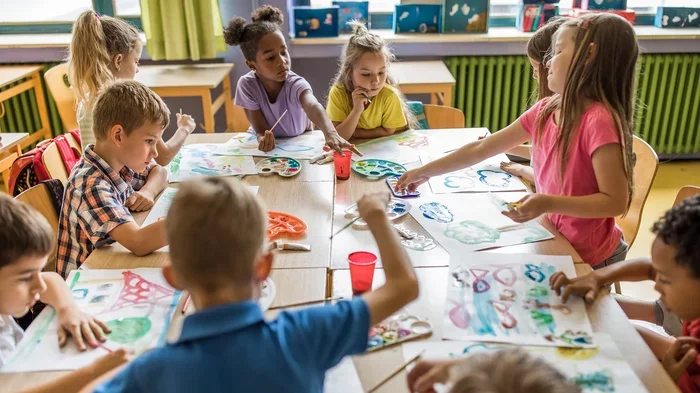
Art education is important because it fuels creativity, strengthens emotional growth, and builds critical thinking skills in children. When kids explore art education, they develop problem-solving abilities, fine motor skills, and cultural awareness that shape their overall development. This guide covers the real reasons every child deserves a strong arts program in their learning journey.
Key Takeaways
- Boosts Cognitive Development: Art education strengthens problem-solving, memory, and critical thinking skills in young learners.
- Supports Emotional Growth: Creative expression helps children process feelings and build emotional intelligence.
- Improves Academic Performance: Kids involved in arts often score higher in reading, math, and science.
- Builds Confidence and Self-Esteem: Creating art gives children a sense of pride and accomplishment.
- Encourages Cultural Awareness: Art education exposes kids to diverse perspectives and traditions.
- Develops Fine Motor Skills: Drawing, painting, and sculpting strengthen hand-eye coordination.
- Fosters Lifelong Creativity: Arts training builds skills that benefit children well into adulthood.
📑 Table of Contents
- Why Art Education Is Important for Every Child’s Growth
- How Art Education Boosts Cognitive Development
- Art Education and Emotional Growth
- How Art Education Improves Academic Performance
- Building Confidence and Self-Esteem Through Art
- Cultural Awareness and Diversity Through Art
- Art Education and Social Skills
- Common Mistakes Parents and Teachers Make with Art Education
- How to Support Art Education at Home
- Quick Tips for Maximizing the Benefits of Art Education
- Expert Insights on the Value of Art Education
- Conclusion
Why Art Education Is Important for Every Child’s Growth
Every child deserves a chance to explore their creative side. Art education does more than teach kids how to draw or paint. It shapes the way they think, feel, and interact with the world around them. When we talk about child development, art often gets overlooked. But the truth is, creative learning plays a huge role in building smarter, more confident kids.
Whether your child loves finger painting or crafting sculptures, art education opens doors they didn’t know existed. In this article, we will walk through the many reasons why art matters so much in a child’s life. You will learn how creativity connects to brain power, emotional health, and even school grades. Let us dive in and explore the real impact of arts learning.
How Art Education Boosts Cognitive Development
One of the biggest reasons art education matters is its effect on the brain. When a child creates something, their mind works in powerful ways. They make choices about colors, shapes, and textures. This process builds critical thinking skills that carry over into every subject at school.
Problem-Solving Through Creative Play
Art is not just about following instructions. It is about figuring things out. A child deciding how to mix colors or fix a broken sculpture is solving a real problem. This kind of creative problem-solving helps kids think outside the box. They learn that there is more than one way to reach a goal.
Here is how art education sharpens thinking skills:
- It teaches kids to observe details carefully.
- It encourages experimentation and curiosity.
- It builds spatial awareness and visual learning.
- It strengthens memory through pattern recognition.
- It promotes innovation and original ideas.
Kids who engage in regular art activities often show better academic performance in math and science. They learn to analyze, compare, and evaluate. These are skills every child needs to succeed.
The Connection Between Art and Brain Growth
Research shows that hands-on art activities light up multiple areas of the brain at once. A child drawing a picture uses motor skills, vision, and imagination all at the same time. This kind of multisensory learning helps build stronger neural connections. Over time, these connections make learning easier across the board.
Think about it this way. When a child draws similes about art in their journal, they are not just being creative. They are building pathways that help them understand complex ideas later in life. Visual learning is one of the most effective ways children absorb new information.
Art Education and Emotional Growth
Children experience big feelings, but they often lack the words to express them. Art education gives them a safe outlet. Through drawing, painting, or collage, kids can share what is inside them without using words. This kind of emotional expression is vital for healthy development.
Building Emotional Intelligence
When a child creates art, they explore emotions in a healthy way. A dark painting might show sadness. A bright, wild piece might show joy. Art helps children name and understand their feelings. This builds emotional intelligence, which is the ability to recognize and manage emotions.
Here are some emotional benefits of art education:
- It gives children a safe space to process tough feelings.
- It reduces stress and anxiety in young learners.
- It builds self-awareness and reflection skills.
- It teaches kids that all feelings are valid.
- It encourages empathy when viewing others’ artwork.
Many therapists use art as a tool to help children work through challenges. Schools that invest in creative expression often see better behavior and stronger peer relationships. Art teaches kids that feelings matter and that there is always a way to express them.
How Art Education Improves Academic Performance
Some people think art and academics do not mix. That is a myth. In fact, art education has been linked to better grades and higher test scores. Kids who participate in the arts tend to do better in reading, writing, and math.
Reading and Writing Skills Through Art
When children describe their artwork, they practice language skills. They learn new vocabulary and how to explain their ideas clearly. This strengthens both reading comprehension and writing ability. Art also helps kids understand story structure through visual narrative.
For example, a child who draws a scene from a storybook is practicing reading comprehension in a hands-on way. They are retelling the story through images. This is a powerful form of learning that sticks with them.
Math Skills Hidden in Art
Believe it or not, art is full of math. Children use geometry when they shape a collage. They measure when they mix the right shade of paint. They count when they plan a design. Art education quietly reinforces math concepts in a fun and engaging way.
Studies have shown that students involved in expressive arts score higher on standardized tests. The skills they build through creativity directly support learning in other subjects. This makes a strong case for keeping art programs in schools.
Building Confidence and Self-Esteem Through Art
Every child needs to feel capable and valued. Art education gives them that chance. When a child finishes a piece of art, they see something they created from nothing. That feeling of accomplishment builds real self-esteem.
The Power of “I Made This”
There is something magical about a child holding up their artwork and saying, “I made this!” That moment of pride matters. It teaches them that their ideas have value. Over time, this confidence spills over into other areas of life.
Here is how art education builds confidence in children:
- It gives them ownership of their ideas.
- It teaches them that mistakes are part of learning.
- It celebrates individuality and unique perspectives.
- It provides positive feedback from teachers and peers.
- It encourages risk-taking in a safe environment.
Kids who feel confident in their creative abilities are more likely to try new things. They are not afraid to fail. This growth mindset is one of the most valuable gifts art education can offer.
Developing a Growth Mindset
Art is forgiving in a way that few subjects are. There is no single right answer. A child can erase, redo, or start over. This teaches them that improvement is always possible. They learn that effort leads to progress. This growth mindset is a skill that serves them for life.
When children see their art get better over time, they understand that practice matters. They start applying this belief to schoolwork and other challenges. The ripple effect of art education goes far beyond the classroom.
Cultural Awareness and Diversity Through Art
Art is a universal language. Every culture in the world has its own artistic traditions. Art education introduces children to these diverse perspectives. It helps them see the beauty in different ways of expression.
Exploring World Cultures Through Creativity
When kids learn about Aboriginal dot paintings or Japanese calligraphy, they gain a window into other cultures. They begin to understand that people around the world see things differently. This builds cultural awareness and respect for diversity.
Many art education programs include lessons about famous artists from different backgrounds. Children learn about Frida Kahlo, Yayoi Kusama, and Keith Haring. These lessons show them that art has no borders. Every voice matters in the creative world.
Using metaphors about art in lessons can also help children grasp deeper meanings behind different artistic traditions. When kids learn that “a painting is a window into the soul,” they start thinking more deeply about the stories behind the art. Similarly, idioms about art can spark curiosity about how different cultures express creativity through language and imagery.
In a world that needs more understanding and empathy, art education plants the seeds early. Children who appreciate diverse art forms grow into adults who value different perspectives.
Art Education and Social Skills
Art is often seen as a solo activity, but it can be deeply social. Group art projects teach children how to collaborate, share, and communicate. These social skills are essential for success in school and beyond.
Collaboration Through Creative Projects
When children work on a mural or a group sculpture, they must listen and compromise. They learn to value other people’s ideas. They also practice giving and receiving feedback. These experiences build strong communication skills that serve them throughout life.
Teachers often use art to help shy children open up. A child who struggles to speak in class might light up when given a paintbrush. Art gives every child a voice, regardless of their comfort level with verbal expression.
Using similes for education in art discussions can also help children articulate their creative process. When a teacher asks, “Your drawing feels as light as a feather,” it encourages kids to think about their work in new, descriptive ways. This kind of language-rich art environment builds both creativity and communication skills simultaneously.
Common Mistakes Parents and Teachers Make with Art Education
Even with the best intentions, adults sometimes miss the mark when it comes to art education. Here are a few common mistakes to avoid:
- Focusing only on the final product: The process matters more than the result. A messy, imperfect project can teach more than a polished one.
- Criticizing children’s art too harshly: Kids need encouragement, not correction. Avoid saying “that does not look right.”
- Limiting art to drawing only: Sculpting, collage, digital art, and music all count as creative expression.
- Cutting art programs due to budget pressures: The long-term benefits of art education far outweigh short-term savings.
- Ignoring a child’s unique style: Every child has a creative voice. Let them explore without forcing a specific outcome.
Avoiding these mistakes ensures that children get the full benefit of their creative experiences. A supportive art environment makes all the difference.
How to Support Art Education at Home
You do not need to be an artist to support your child’s creative growth. Simple steps at home can make a big difference. Here are some practical tips:
- Keep art supplies accessible. Stock up on crayons, paper, clay, and paint. Let your child create whenever inspiration strikes.
- Display their artwork proudly. A fridge covered in drawings shows your child that their efforts matter.
- Visit museums and galleries together. Exposure to professional art sparks curiosity and inspiration.
- Ask open-ended questions. Instead of “What is that?”, try “Can you tell me about your artwork?”
- Encourage experimentation. Let your child try new materials and techniques without fear of failure.
- Connect art to other subjects. Use art to explore history, science, and literature in fun ways.
Small actions at home reinforce what children learn in school. When parents value art education, kids internalize that message and grow up seeing creativity as essential.
Quick Tips for Maximizing the Benefits of Art Education
Want to get the most out of art education for your child? Follow these quick tips:
- Set aside dedicated time for creative play every week.
- Celebrate effort, not just talent.
- Introduce a variety of art forms, from painting to music.
- Let children lead their own creative projects.
- Use open-ended prompts like “Draw how you feel today.”
- Join in and create alongside your child for bonding time.
- Rotate art supplies regularly to keep things fresh and exciting.
These simple habits turn everyday moments into powerful learning opportunities. Consistency is key when it comes to building creative confidence.
Expert Insights on the Value of Art Education
Educators and child development experts agree on one thing: art education is not a luxury. It is a necessity. Studies from the National Endowment for the Arts show that children with regular access to the arts perform better academically and socially. Experts emphasize that creative learning is not separate from core education. It is deeply connected to how children grow and learn.
Dr. Ellen Winner, a leading researcher in arts education, has found that studying art strengthens the brain’s ability to think flexibly. She notes that children who engage in regular creative expression develop stronger reasoning skills. They also show greater persistence when faced with challenges. These are exactly the skills that schools and employers value most.
The consensus among experts is clear. Every child benefits from having art as part of their education. It is one of the most effective ways to support holistic child development and prepare kids for a complex, ever-changing world.
Conclusion
Art education is important for so many reasons that go far beyond the classroom. It builds cognitive skills, emotional intelligence, and social confidence in every child. It fosters creativity, cultural awareness, and a growth mindset that lasts a lifetime. When we invest in art education, we invest in our children’s future.
Every child has a unique creative voice waiting to be heard. By supporting arts learning at home and in school, we give them the tools to express themselves, think critically, and grow into well-rounded individuals. Let us make sure every child has access to the transformative power of art. Their growth depends on it.
Frequently Asked Questions
Why is art education important for young children?
Art education helps young children develop fine motor skills, emotional expression, and cognitive abilities. It gives them a safe way to explore their feelings and build confidence through creative play.
How does art education improve academic performance?
Children who participate in the arts often perform better in reading, math, and science. Art strengthens critical thinking, visual learning, and problem-solving skills that directly support academic success.
Can art education help children with emotional challenges?
Yes, absolutely. Art provides a non-verbal outlet for children to process complex emotions. Many therapists and counselors use creative expression to help kids work through anxiety, stress, and trauma.
What age should children start art education?
Children can benefit from art as early as toddlerhood. Simple activities like finger painting and scribbling lay the foundation for creative development. Formal art education can begin in preschool and continue throughout school years.
Does art education help with social skills?
Yes. Group art projects teach children how to collaborate, share ideas, and give feedback. Art creates a space where every child feels valued, which strengthens social skills and peer relationships.
How can parents support art education at home?
Parents can keep art supplies available, display their child’s work, visit museums together, and ask open-ended questions about their creations. Simply encouraging creative play at home reinforces the benefits of art education in a meaningful way.


