
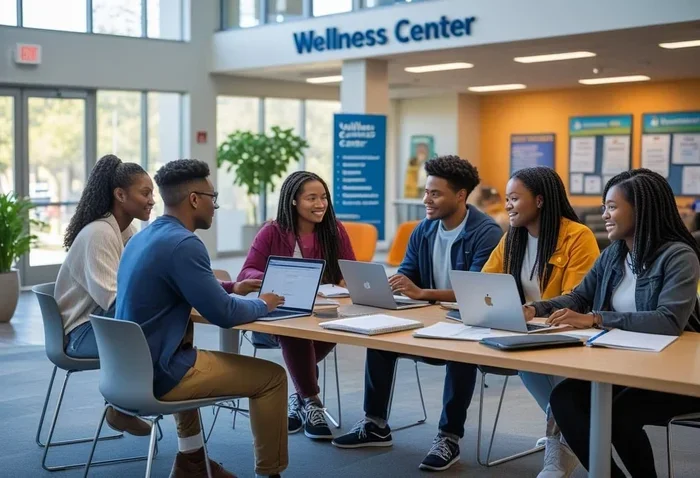
Education influence health in profound ways — from better health literacy and preventive care to improved mental wellbeing and longer life expectancy. When people gain higher educational attainment, they develop stronger health behaviors, access to healthcare resources, and greater health equity across communities. Understanding this connection helps us build healthier societies for everyone.
Key Takeaways
- Better Education Leads to Better Health: Higher learning improves health literacy, empowering people to make informed decisions about their bodies and lifestyles.
- Reduced Chronic Disease Risk: Educated individuals are more likely to engage in preventive care and avoid risky health behaviors.
- Stronger Mental Wellbeing: Education builds resilience, critical thinking, and coping strategies that support emotional health.
- Closing Health Gaps: Addressing educational inequality is one of the most powerful ways to reduce health disparities across communities.
- Longer Life Expectancy: Studies consistently show that more years of schooling correlate with longer, healthier lives.
- Holistic Wellness Starts in the Classroom: Learning shapes habits, mindsets, and social connections that ripple into every area of wellness.
📑 Table of Contents
- How Does Education Influence Health and Wellbeing?
- The Link Between Learning and Physical Health
- How Education Shapes Mental Wellbeing
- The Role of Socioeconomic Factors
- Education and Life Expectancy
- What Can We Do About It?
- Quick Tips to Boost Your Health Through Learning
- Common Mistakes People Make About Education and Health
- Expert Insights on Education and Health
- Key Takeaways
- Conclusion
How Does Education Influence Health and Wellbeing?
Most people don’t think of a classroom as a place that shapes health. But the truth is, education influence health in ways that go far beyond reading and math. When you learn to think critically, manage information, and solve problems, those skills carry directly into how you care for your body and mind.
The connection between learning and wellness is not a small thing. It shapes everything from life expectancy to daily habits. Research shows that people with more years of schooling tend to live longer, feel happier, and face fewer chronic conditions. Let’s dive into why this relationship exists and what it means for all of us.
Think about it this way. Education is like a toolkit. The more tools you have, the better equipped you are to handle life’s challenges. That toolkit includes understanding nutrition labels, navigating the healthcare system, managing stress, and building strong social connections. All of these fall under the umbrella of health literacy and wellness.
The Link Between Learning and Physical Health
Education shapes physical health in measurable ways. People who complete more years of schooling generally experience lower rates of heart disease, diabetes, and obesity. Why does this happen? It comes down to a combination of knowledge, resources, and lifestyle choices.
Health Literacy and Preventive Care
Health literacy is the ability to understand and use health information. When you have strong reading and comprehension skills, you can read medication labels, interpret doctor’s advice, and recognize warning signs of illness early. This directly leads to better health outcomes.
People with higher educational attainment are more likely to seek preventive care. They schedule regular check-ups, get recommended screenings, and stay up to date on vaccinations. This proactive approach catches problems early, when they are easier and less expensive to treat.
On the flip side, limited education often means limited access to health information. People may not understand how diet affects cholesterol or why exercise matters. This gap creates real health disparities that affect entire communities.
Health Behaviors and Daily Habits
Education shapes the daily choices that add up over a lifetime. Here are some key health behaviors linked to higher education levels:
- Smoking rates: People with more education smoke less. Understanding the long-term risks plays a big role here.
- Nutrition awareness: Educated individuals are more likely to read food labels and choose balanced meals.
- Exercise habits: Knowledge about fitness and its benefits encourages more consistent physical activity.
- Substance use: Higher education correlates with lower rates of alcohol and drug misuse.
- Sleep hygiene: Understanding the importance of rest leads to healthier sleep routines.
These habits might seem small on their own. But over decades, they compound into significant differences in physical health. A person who understands why sleep matters is far more likely to prioritize rest than someone who never learned about its impact.
How Education Shapes Mental Wellbeing
The connection between education and mental health is just as powerful as the physical side. Learning builds cognitive reserves, emotional resilience, and social skills that protect mental wellness throughout life.
Building Emotional Resilience
School teaches more than facts. It teaches perseverance, problem-solving, and how to handle failure. These are all mental wellbeing superpowers. When you have faced academic challenges and pushed through, you develop a mindset that helps you cope with life’s harder moments.
Education also gives people tools to manage stress. Critical thinking skills help you reframe negative thoughts. Learning about psychology and human behavior builds self-awareness. These are all protective factors against anxiety and depression.
Social Connections and Belonging
School is one of the first places where people build social networks. Friendships formed in classrooms provide emotional support that lasts a lifetime. Feeling connected to others is one of the strongest predictors of good mental health.
For many people, education also opens doors to communities and groups that share their interests. Whether through clubs, teams, or study groups, these social bonds fight loneliness and isolation. And loneliness is a major risk factor for both mental and physical decline.
Using metaphors for learning and growth can also deepen our understanding of this connection. If you want to explore how language shapes our view of education, check out this guide on metaphors for education that reveals how we think about learning.
Access to Mental Health Resources
People with higher education often know where to find mental health support. They understand the stigma barriers and how to overcome them. They can read about therapy options, evaluate providers, and advocate for themselves in healthcare settings. This knowledge gap is a real driver of health equity issues in our society.
The Role of Socioeconomic Factors
Education and income are deeply connected. And income directly affects health. This creates a chain where education influences earning potential, which shapes access to healthcare, housing, nutrition, and safe neighborhoods.
These are called the social determinants of health. They include factors like:
- Income level and job security
- Quality of housing and neighborhood
- Access to nutritious food
- Availability of healthcare services
- Exposure to environmental hazards
Education acts as a gateway to better jobs and higher income. And better income means better access to all of these health-building resources. It is a cycle that either lifts people up or holds them back.
Health Disparities and Educational Inequality
When certain groups have less access to quality education, they also face worse health outcomes. This is not a coincidence. It is a direct result of systemic inequality. Communities with underfunded schools often have higher rates of chronic disease, shorter life expectancy, and fewer healthcare options.
Addressing educational inequality is one of the most effective ways to improve population health. When we invest in schools, we invest in the health of entire communities. This is why education is often called a “social determinant of health” in its own right.
Understanding the language we use around education can reveal hidden biases. Similes in education, for example, shape how we talk about learning and success. Explore how these comparisons influence our thinking in this article on similes for education.
Education and Life Expectancy
The data on life expectancy and education is striking. Studies consistently show that each additional year of schooling adds months — even years — to a person’s life. This is one of the clearest demonstrations of how education influence health on a population level.
People with bachelor’s degrees or higher live, on average, several years longer than those without a high school diploma. The gap has been widening over recent decades. This trend points to the growing importance of education as a health resource.
Why does this happen? It is not just one factor. It is the combination of better health knowledge, higher income, safer working conditions, stronger social networks, and healthier behaviors. Education touches every part of the health equation.
What Can We Do About It?
The good news is that we can all take steps to strengthen the education-health connection. Whether you are a parent, a teacher, a policymaker, or an individual learner, your actions matter.
For Individuals
- Never stop learning. Health knowledge evolves, and staying curious keeps your skills sharp.
- Practice health literacy by reading credible sources and asking questions at doctor visits.
- Share what you know with family and friends. Education spreads through communities.
- Advocate for better school funding and health education programs in your area.
For Communities and Policymakers
- Invest in early childhood education. The health benefits start young.
- Integrate health education into school curriculums at every grade level.
- Address the social determinants of health by tackling educational inequality head-on.
- Support programs that connect schools with local healthcare providers.
Small actions add up. A single health class in middle school can change a student’s entire relationship with wellness. A community tutoring program can open doors that lead to better jobs and better health. Every investment in education is an investment in public health.
Idioms and expressions also shape how we think about health and learning. If you are curious about common phrases that connect these worlds, explore this collection of idioms for education that highlights the language of learning and growth.
Quick Tips to Boost Your Health Through Learning
- Read one health article a week to build your health literacy skills.
- Take a free online course on nutrition, mental health, or fitness.
- Talk to your doctor openly and ask questions until you fully understand your health.
- Share what you learn with someone you care about — teaching reinforces your own knowledge.
- Set small learning goals alongside your health goals, like reading a book on wellness each month.
Common Mistakes People Make About Education and Health
- Assuming education only matters for careers. Education shapes health just as much as it shapes job prospects.
- Overlooking health literacy. Knowing how to find and understand health information is just as important as formal schooling.
- Ignoring the social side. The connections and communities formed through education are health resources in themselves.
- Thinking it is too late to learn. It is never too late to build health knowledge. Every bit of learning counts.
- Dismissing inequality. Not everyone has the same access to education. Recognizing this gap is the first step toward health equity.
Expert Insights on Education and Health
Public health researchers have studied the education-health link for decades. Dr. David Williams, a leading social epidemiologist, has noted that education is one of the strongest predictors of health outcomes, rivaling even the effects of income and race. This is because education affects so many pathways simultaneously — knowledge, income, social status, and behavior.
Experts also emphasize that the relationship is not just about years in school. The quality of education matters enormously. A student who receives a rich, supportive learning experience gains more health benefits than someone who sits in an under-resourced classroom. This is why education reform is fundamentally a health strategy.
Mental health professionals echo this view. They point out that education builds cognitive flexibility — the ability to adapt to new information and changing circumstances. This skill is incredibly valuable for managing mental health challenges and maintaining long-term emotional balance.
Key Takeaways
- Education influence health through better health literacy, informed decision-making, and access to resources.
- Higher educational attainment is linked to lower rates of chronic disease and longer life expectancy.
- Mental wellbeing benefits from the resilience, social connections, and self-awareness that education builds.
- Health disparities shrink when communities invest in quality education for all members.
- Preventive care and healthy behaviors are more common among those with stronger educational backgrounds.
- Health equity requires addressing educational inequality as a core health strategy.
- Holistic wellbeing starts with learning — every new skill and piece of knowledge strengthens your health toolkit.
Conclusion
The evidence is clear and overwhelming. Education influence health in powerful, measurable ways. From physical wellness and mental resilience to life expectancy and community health, learning is one of the most underrated health interventions we have.
When we invest in education, we are not just building smarter societies. We are building healthier ones. Every child who gains access to quality learning, every adult who pursues continued education, and every community that prioritizes knowledge is making a long-term investment in wellbeing.
The connection between the classroom and the clinic is real. It is backed by decades of research and lived experience. So the next time you think about education, do not just think about grades or careers. Think about health. Think about the longer, happier, more fulfilling life that learning can unlock for you and everyone around you.
Start today. Pick up a book, take a class, or simply have a conversation about health. Your future self will thank you.
Frequently Asked Questions
How does education influence health outcomes directly?
Education directly improves health outcomes by building health literacy, which helps people understand medical advice, interpret symptoms, and make informed decisions. Educated individuals are more likely to engage in preventive care and avoid risky behaviors, leading to better long-term health outcomes.
Can education reduce health disparities between communities?
Yes, education is one of the most effective tools for reducing health disparities. When communities invest in equitable access to quality education, they address the root causes of inequality in health knowledge, income, and healthcare access. This creates a ripple effect that lifts overall population health.
What is the connection between education and mental health?
Education supports mental health by building emotional resilience, critical thinking skills, and strong social networks. Learning environments provide a sense of purpose and belonging, both of which are protective factors against anxiety, depression, and other mental health challenges.
Does higher education always lead to better health?
Generally, yes. Higher educational attainment correlates with better health literacy, higher income, safer working conditions, and healthier behaviors. However, the quality of education and the social support surrounding it also play important roles in determining actual health benefits.
How can parents support their children’s health through education?
Parents can support their children’s health by encouraging curiosity, reading together, discussing health topics openly, and advocating for quality health education in schools. Creating a home environment that values learning naturally promotes both academic and physical wellness.
Is it ever too late to benefit from education for health?
Absolutely not. Lifelong learning benefits health at any age. Whether you are reading articles, taking a community class, or learning a new skill, every bit of education strengthens your health literacy and empowers you to make better choices for your wellbeing.


