
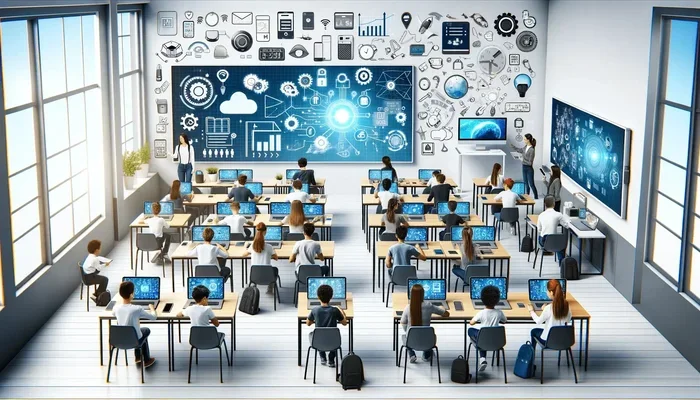
Technology has transformed education in powerful ways, making learning more accessible, engaging, and effective than ever before. From virtual classrooms to personalized learning tools, the positive impact of technology on education is undeniable. This guide breaks down the biggest changes and how they benefit students and teachers alike.
It is hard to imagine a classroom without a whiteboard, a laptop, or a quick online search. Things have changed a lot. How technology has changed education positively is a question that matters to students, teachers, parents, and anyone who cares about learning. The truth is, technology has made education better in ways we could not have dreamed of just twenty years ago.
From digital classrooms to smart learning apps, the positive impact of technology on education touches every part of the learning journey. Students now have access to endless resources. Teachers have powerful tools to create fun and effective lessons. And the whole experience feels more personal than ever. In this article, we will explore the many ways technology has improved education and why it is here to stay.
Key Takeaways
- Access and Flexibility: Technology has removed barriers, allowing anyone to learn from anywhere at any time.
- Personalized Learning: Digital tools let students learn at their own pace with tailored content.
- Better Engagement: Interactive tools, gamification, and multimedia make learning fun and memorable.
- Collaboration Made Easy: Students and teachers can work together in real time, no matter where they are.
- Future-Ready Skills: Technology in the classroom prepares students for the modern workforce.
- Teacher Support: EdTech tools save time and help educators teach more effectively.
📑 Table of Contents
- The Rise of Digital Learning Environments
- Personalized Learning Through Technology
- Boosting Student Engagement and Motivation
- Collaboration and Communication Tools
- Preparing Students for the Future
- Supporting Teachers and Reducing Workload
- Comparing Traditional vs. Technology-Enhanced Education
- Common Mistakes Schools Make When Implementing Technology
- Quick Tips for Making the Most of Technology in Learning
- Expert Insights on Technology and Education
- The Future of Technology in Education
- Conclusion
The Rise of Digital Learning Environments
The days of only learning inside four walls are gone. Technology in education has opened the door to digital learning environments where students can study from home, a coffee shop, or even a park. This shift has been a game changer for millions of people worldwide.
Virtual Classrooms and Online Education
Virtual classrooms let teachers and students meet online in real time. Platforms like Zoom, Google Classroom, and Microsoft Teams have made this possible. A student in a small town can now attend a class taught by an expert in a big city. That is the beauty of online education.
Here are some key benefits of virtual classrooms:
- Students can attend class from anywhere with an internet connection.
- Lessons are often recorded, so students can rewatch them later.
- Teachers can share screen content, videos, and documents instantly.
- Students who are shy may feel more comfortable speaking up online.
Remote learning became especially important during recent global events. It showed the world that digital learning can work and work well. Many schools now offer hybrid models, mixing in-person and online classes. This gives families more choices and flexibility.
Learning Management Systems
Learning management systems, or LMS platforms, are the backbone of online education. Tools like Canvas, Moodle, and Blackboard help teachers organize courses, assign homework, and track student progress. These systems make classroom technology feel simple and organized.
For students, an LMS means one place to find all their materials. No more lost papers or forgotten assignments. Everything is right there on their screen. This kind of organization reduces stress and helps students focus on what really matters: learning.
Personalized Learning Through Technology
One of the most exciting ways how technology has changed education positively is through personalized learning. Every student learns differently. Some grasp concepts quickly, while others need more time. Traditional classrooms often struggle to meet each student’s needs. Technology fixes this problem.
Adaptive Learning Platforms
Adaptive learning tools use data and algorithms to adjust the difficulty of lessons based on how a student is performing. If a student struggles with fractions, the platform will offer more practice on that topic. If they excel, it moves them forward. This kind of personalized learning keeps students challenged without overwhelming them.
Popular adaptive platforms include Khan Academy, Duolingo, and DreamBox. Each one uses smart technology to create a learning path unique to the student. The result? Students feel more confident and motivated because the work feels just right for them.
AI-Powered Tutoring
Artificial intelligence is taking personalized learning even further. AI tutors can answer questions, explain concepts, and give feedback at any hour of the day. Students no longer have to wait until the next class to get help. This kind of educational technology makes support available whenever it is needed.
AI tools also help teachers by grading assignments and spotting patterns in student performance. This frees up time for teachers to focus on what they do best: teaching and connecting with students.
Boosting Student Engagement and Motivation
Let us be honest. Sitting through a long lecture can be boring. But technology has found ways to make learning fun and interactive. Student engagement is one of the biggest areas where technology has made a real difference.
Gamification in Education
Gamification means using game-like elements in learning. Points, badges, leaderboards, and challenges turn lessons into exciting activities. Students want to earn the next badge or beat their high score. This natural motivation drives them to keep learning.
Games like Kahoot! and Quizlet Live have become classroom favorites. Teachers use them to review material in a fun and competitive way. Students love the energy, and learning outcomes improve as a result.
Multimedia and Interactive Content
Textbooks are still useful, but they cannot compare to the power of multimedia. Videos, animations, simulations, and interactive quizzes bring lessons to life. A science class can watch a volcano erupt in 3D. A history lesson can include a virtual tour of ancient Rome.
These tools appeal to different learning styles. Visual learners benefit from videos. Kinesthetic learners enjoy interactive simulations. Auditory learners can listen to podcasts or recorded lectures. Interactive learning makes sure no student is left behind.
Mobile Learning and Educational Apps
Most students already carry a powerful learning tool in their pocket: a smartphone. Educational apps turn spare time into study time. Whether it is practicing vocabulary on the bus or reviewing flashcards before bed, educational apps make learning feel seamless and natural.
Some top apps for students include:
- Quizlet for flashcards and study sets
- Grammarly for writing assistance
- Notion for organizing notes and tasks
- Photomath for step-by-step math solutions
These apps give students control over their learning. They can study on their own schedule and at their own pace. That sense of ownership boosts motivation and builds digital literacy skills at the same time.
Collaboration and Communication Tools
Learning has always been a social activity. Technology has made it easier than ever for students and teachers to work together. Collaborative learning is stronger now thanks to digital tools.
Real-Time Collaboration
Tools like Google Docs and Microsoft 365 allow multiple students to work on the same document at the same time. They can edit, comment, and share ideas in real time. This kind of collaboration teaches teamwork and communication skills that are essential in the modern world.
Teachers also benefit. They can give live feedback on student work, suggest edits, and track contributions. The whole process becomes more transparent and efficient.
Discussion Forums and Video Conferencing
Online discussion forums give every student a voice. In a traditional classroom, some students hesitate to raise their hand. Online forums remove that barrier. Shy students can share thoughtful ideas in writing, and the conversation often goes deeper as a result.
Video conferencing tools also make it easy to invite guest speakers from around the world. A class studying marine biology can connect with a researcher on a coral reef. These experiences make learning feel real and relevant.
Interestingly, the way we describe these changes also evolves. Just as we use similes for education to draw comparisons in writing, technology gives us new metaphors for how learning works today. The shift from metaphors for education to digital language reflects how deeply idioms for education have evolved alongside tech tools.
Preparing Students for the Future
One of the most important reasons technology has changed education positively is that it prepares students for the real world. The jobs of tomorrow require digital skills that were not even in demand a decade ago. Schools that embrace tech in education give their students a head start.
Building Digital Literacy
Digital literacy means knowing how to use technology safely and effectively. It includes skills like evaluating online sources, protecting personal data, and using productivity tools. These are not optional skills anymore. They are essential for almost every career path.
When students use classroom technology daily, they build these skills naturally. They learn to navigate digital platforms, collaborate online, and solve problems with tech tools. By the time they graduate, they are ready for college or the workforce.
STEM and Coding Education
Technology has also made STEM (Science, Technology, Engineering, and Math) education more accessible. Coding platforms like Scratch and Code.org teach students how to write programs, even at a young age. Robotics kits and 3D printers bring engineering concepts to life in the classroom.
These experiences spark curiosity and creativity. Students learn not just how to use technology, but how to create with it. That mindset is incredibly valuable in a world driven by innovation.
Supporting Teachers and Reducing Workload
We often talk about students when we discuss technology in education. But teachers benefit just as much. Educational technology tools save teachers time and help them teach more effectively.
Automated Grading and Feedback
Grading stacks of papers takes hours. Automated grading tools can handle multiple-choice quizzes and even some written responses in seconds. This frees up teachers to focus on lesson planning, one-on-one student support, and creative teaching.
Some tools also provide instant feedback to students. Instead of waiting days for a graded paper, students see their results right away and can correct mistakes immediately. This fast feedback loop accelerates learning.
Lesson Planning and Resource Sharing
Teachers can now access vast libraries of lesson plans, worksheets, and activities online. Websites like Teachers Pay Teachers and open educational resources let educators share and adapt materials. This collaboration saves time and spreads great ideas across schools and countries.
Technology also helps teachers track which methods work best. Data dashboards show which students are struggling and which topics need more review. This data-driven teaching approach leads to better outcomes for everyone.
Comparing Traditional vs. Technology-Enhanced Education
| Aspect | Traditional Education | Technology-Enhanced Education |
|---|---|---|
| Access to Materials | Limited to textbooks and library | Unlimited online resources and databases |
| Learning Pace | One pace for all students | Personalized, self-paced learning |
| Engagement | Lecture-based, passive | Interactive, multimedia-rich |
| Collaboration | Limited to classroom peers | Global, real-time collaboration |
| Feedback Speed | Delayed, often days or weeks | Instant or near-instant |
| Flexibility | Fixed schedule and location | Learn anytime, anywhere |
The table above makes it clear why so many schools are embracing educational technology. The benefits are hard to ignore. Technology-enhanced education gives students more freedom, more support, and more opportunities to succeed.
Common Mistakes Schools Make When Implementing Technology
Technology is powerful, but it is not magic. Schools sometimes make mistakes that hold back the positive impact of technology on education. Here are a few to watch out for:
- Buying tech without a plan. Schools sometimes purchase devices and software without a clear strategy. This wastes money and confuses teachers.
- Ignoring teacher training. Even the best tools fail if teachers do not know how to use them. Training is essential.
- Overloading students with screen time. Technology should enhance learning, not replace human connection and hands-on activities.
- Neglecting digital equity. Not all students have the same access to devices and internet. Schools must address these gaps.
- Forgetting data privacy. Student data must be protected. Schools should choose tools with strong privacy policies.
Avoiding these mistakes helps schools get the most out of their technology investment. The goal is always to support learning, not just to use tech for the sake of it.
Quick Tips for Making the Most of Technology in Learning
Whether you are a student, a teacher, or a parent, these quick tips will help you get the most from digital learning tools:
- Set a routine. Use technology at the same time each day to build a habit.
- Choose quality apps. Stick to trusted educational platforms with good reviews.
- Take breaks. Follow the 20-20-20 rule: every 20 minutes, look at something 20 feet away for 20 seconds.
- Stay organized. Use a single platform to keep track of assignments and deadlines.
- Ask for help. If a tool confuses you, reach out to a teacher or friend for guidance.
- Balance screen and non-screen activities. Read physical books, go outside, and have face-to-face conversations too.
Expert Insights on Technology and Education
Educators and experts agree that the positive impact of technology on education is real and lasting. According to a report from the International Society for Technology in Education, technology helps students develop critical thinking, creativity, and collaboration skills. These are the skills employers value most.
Dr. Karen Cator, a former director of educational technology at the U.S. Department of Education, has said that technology does not replace great teaching. It amplifies it. A good teacher with the right tools can reach more students and make a deeper impact than ever before.
This is an important reminder. Technology is a tool, not a replacement. The human connection between teachers and students remains the heart of education. But when technology supports that connection, amazing things happen.
The Future of Technology in Education
What comes next? The future of educational technology looks bright. Here are some trends to watch:
- Virtual Reality (VR) and Augmented Reality (AR). Imagine exploring the inside of a human cell or walking through ancient Egypt without leaving your desk.
- AI-driven curriculum design. AI will help create customized learning paths for every student in a class.
- Blockchain for credentials. Digital diplomas and certificates will be secure, verifiable, and easy to share.
- Greater focus on digital wellness. Schools will balance tech use with mental health and well-being.
These innovations will continue to shape how technology has changed education positively for good. The best is yet to come.
Conclusion
How technology has changed education positively for good is a question with a clear and exciting answer. Technology has broken down barriers, personalized learning, boosted engagement, and prepared students for the future. It has given teachers powerful tools and students endless opportunities. The positive impact of technology on education is not a trend. It is a lasting transformation.
Of course, technology works best when it is used wisely. Schools and families must choose the right tools, train properly, and keep student well-being at the center. When that happens, the results are remarkable.
If you are a student, start exploring new learning apps today. If you are a teacher, try one new classroom technology tool this week. If you are a parent, encourage your child to use educational technology in balanced and meaningful ways. Every small step adds up to a big change. Embrace the digital learning revolution and unlock your full potential.
Frequently Asked Questions
How has technology improved education for students?
Technology has improved education by making learning more accessible, personalized, and engaging. Students can access resources from anywhere, learn at their own pace, and use interactive tools that make lessons fun and memorable.
What are the biggest benefits of technology in the classroom?
The biggest benefits include better student engagement, real-time collaboration, instant feedback, and preparation for future careers. Technology also helps teachers save time and teach more effectively with automated tools and data insights.
Does technology in education really make a difference?
Yes, it really does. Research shows that technology-enhanced learning improves outcomes, boosts motivation, and helps students develop critical skills like digital literacy and problem-solving that are essential in today’s world.
What are some examples of educational technology tools?
Popular examples include Google Classroom, Khan Academy, Duolingo, Kahoot!, Quizlet, and Grammarly. These tools support everything from lesson organization to language learning to study review.
Are there any downsides to technology in education?
Yes, potential downsides include screen fatigue, digital distractions, and unequal access to devices and internet. Schools must address these challenges through balanced policies, teacher training, and equity-focused initiatives.
How can parents support technology use in their child’s learning?
Parents can support learning by setting screen time limits, choosing quality educational apps, staying involved in their child’s digital activities, and encouraging a healthy balance between online and offline learning experiences.


