
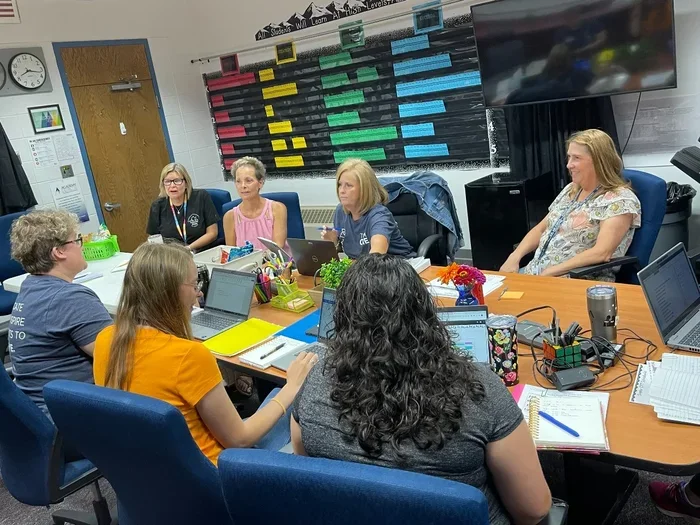
PLC stands for Professional Learning Community in education, and it represents a powerful framework that helps teachers and schools work together to improve student learning. A PLC in education focuses on shared goals, collaborative teams, and continuous improvement to drive better academic achievement. Schools that embrace the PLC model see stronger teacher collaboration, more effective instructional strategies, and measurable gains in student success. Whether you are a new educator or a seasoned administrator, understanding what a Professional Learning Community offers can change the way you approach teaching and school leadership.
What does PLC stand for in education? The answer is Professional Learning Community. But the real question is: what does that actually mean for teachers, students, and schools? A Professional Learning Community is more than just a buzzword. It is a way of working together that can genuinely transform how educators teach and how students learn. When a school embraces the PLC model, everyone becomes part of a team focused on one clear goal: helping every student succeed.
The idea behind PLC education has been around for decades, but it has gained massive traction in recent years. Schools across the country are adopting this approach because the results speak for themselves. Teachers feel more supported. Students perform better. And school cultures become healthier and more positive. If you have ever wondered how some schools consistently achieve amazing outcomes, a Professional Learning Community is often the secret behind their success.
Key Takeaways
- PLC stands for Professional Learning Community: It is a collaborative approach to education where teachers work together to improve teaching and learning outcomes.
- PLC education focuses on three core pillars: Learning, collaboration, and results-driven decision making.
- Teacher collaboration is at the heart of PLC: Educators share best practices, analyze student data, and plan instruction as a team.
- Professional development improves through PLC: Teachers grow continuously through shared learning experiences and peer support.
- Student outcomes get better: Schools using the PLC model often see higher test scores, better engagement, and improved graduation rates.
- PLC implementation takes effort: It requires commitment from leadership, clear goals, and a culture of trust and openness.
- You can start small: Even a single grade-level team can adopt PLC principles and see meaningful results quickly.
📑 Table of Contents
- What Is a PLC in Education?
- Why PLC Education Matters for Teachers
- How PLC Improves Student Outcomes
- Steps to Implement PLC in Your School
- Common Challenges in PLC Implementation
- Key Differences Between PLC and Traditional School Models
- Quick Tips for Sustaining a Strong PLC
- Final Thoughts on PLC in Education
What Is a PLC in Education?
A PLC in education is a group of educators who meet regularly to share expertise, discuss student progress, and plan instruction together. The goal is simple but powerful: continuous improvement through collaboration. Unlike traditional teaching where educators work in isolation, a Professional Learning Community encourages teamwork and shared responsibility for every student’s growth.
The concept was popularized by researchers Richard DuFour and Robert Eaker in the 1990s. They argued that schools function best when teachers treat themselves as learners rather than solo practitioners. Today, the PLC framework has become one of the most widely recognized approaches to school improvement worldwide. It reshapes how educators think about their roles and how schools organize themselves for success.
The Three Pillars of a Professional Learning Community
Every strong PLC education model rests on three essential pillars. These pillars guide how teams operate and what they focus on every day.
- Focus on Learning: The central question in a PLC is always about student learning. Teams ask, “What do we want students to learn?” and “How will we know if they have learned it?” This shift in focus changes everything about how instruction is planned and delivered.
- Collaboration: Teachers work together in teams rather than alone. They share lesson plans, discuss challenges, and celebrate wins. This collaborative culture builds trust and helps everyone grow. You might also explore idioms for teachers to understand the language educators use in these collaborative spaces.
- Results Orientation: A Professional Learning Community measures success by actual outcomes. Teams look at assessment data, identify gaps, and adjust their teaching strategies accordingly. It is all about what works and what needs improvement.
Why PLC Education Matters for Teachers
Teaching can be a lonely profession. Many educators spend their days behind closed classroom doors with little interaction with colleagues. The PLC model breaks down those walls. It creates a support system where teachers can lean on each other and grow together.
When teachers participate in a Professional Learning Community, they gain access to fresh ideas and different perspectives. A lesson that did not work for one teacher might be a hit for another. By sharing what works, the entire team improves. This kind of teacher collaboration also reduces burnout. Educators feel heard, valued, and part of something bigger than their individual classrooms.
Professional development also becomes more meaningful inside a PLC. Instead of attending generic workshops that may not apply to their specific needs, teachers learn from each other in real time. They see strategies in action, try them out, and reflect on the results together. This ongoing cycle of learning and applying is what makes PLC education so effective for teacher growth.
How PLC Improves Student Outcomes
The ultimate purpose of any Professional Learning Community is better results for students. When teachers collaborate more effectively, instruction becomes more targeted and responsive. Students benefit from lessons that are refined through team input and backed by data.
Research shows that schools using the PLC model see improvements in several key areas:
- Higher test scores: Students in PLC schools often outperform their peers on standardized assessments.
- Better engagement: Collaborative teaching leads to more dynamic and interesting lessons that capture student attention.
- Reduced achievement gaps: Teams in a PLC specifically focus on supporting struggling learners, which helps close gaps over time.
- Improved graduation rates: Schools with strong Professional Learning Communities report higher completion rates and better preparation for life after school.
The magic happens when teachers stop working in silos and start thinking collectively. Every student’s success becomes everyone’s responsibility, not just the responsibility of one classroom teacher. This shared accountability is what drives real change.
Steps to Implement PLC in Your School
Starting a Professional Learning Community does not require a complete overhaul of your school. You can begin small and build from there. Here is a practical roadmap for bringing the PLC model to life.
Step 1: Build a Leadership Team
Every successful PLC education initiative starts with strong leadership. Identify a group of teacher leaders, administrators, and instructional coaches who are passionate about collaboration. This team will set the vision, establish norms, and guide the implementation process. Leadership buy-in is essential because it signals to the entire staff that this effort is a priority, not just another passing initiative.
Step 2: Form Collaborative Teams
Organize teachers into small teams based on grade level, subject area, or shared student populations. These teams should meet regularly, ideally weekly, to review data and plan instruction. Each team needs a clear purpose and a structured agenda so meetings stay productive. You can find useful collaborative language and expressions in idioms for education that teams can adopt to build a shared vocabulary.
Step 3: Establish a Focus on Learning
Each team should identify the most important learning goals for their students. These goals become the foundation for all discussions and planning. Teams should also agree on common assessments to measure progress. When everyone is working toward the same targets, it becomes much easier to identify where students are struggling and what adjustments are needed.
Step 4: Use Data to Drive Decisions
Data is the engine of any Professional Learning Community. Teams should regularly review student performance data, including formative assessments, homework completion, and classroom observations. The goal is not to judge teachers but to identify patterns and adjust instruction. When data reveals that a particular concept is difficult for students, the team can work together to develop better teaching strategies.
Step 5: Reflect and Adjust
No PLC is perfect from the start. Teams need time to learn how to work together effectively. Regular reflection sessions help teams celebrate wins, address challenges, and refine their approach. Over time, this cycle of reflection and adjustment leads to continuous improvement and deeper collaboration.
Common Challenges in PLC Implementation
While the benefits of a Professional Learning Community are clear, the journey is not always smooth. Schools often face obstacles that can slow progress or even derail the effort entirely. Understanding these challenges ahead of time helps leaders prepare effective solutions.
Time constraints are the number one barrier. Teachers already have packed schedules, and adding another meeting can feel overwhelming. The key is to make PLC meetings count. Keep them focused, short, and productive. When teachers see real value in the collaboration, they will make time for it. Another challenge is resistance to change. Some educators may be skeptical of the PLC model, especially if they have seen other initiatives come and go. Consistent communication and visible early wins help build trust and momentum.
Uneven participation can also undermine a PLC. If some team members do not contribute fully, the collaboration suffers. Strong team norms and clear expectations help ensure everyone stays engaged. Schools should also invest in ongoing professional development to help educators build the skills they need for effective collaboration. Sometimes educators look for creative ways to express the spirit of learning and teamwork. Exploring similes for education can be a fun way to spark conversations about the teaching journey and keep team energy high.
Key Differences Between PLC and Traditional School Models
To truly understand the power of PLC education, it helps to compare it with traditional school structures. The differences are striking and reveal why the PLC approach is so effective.
| Aspect | Traditional Model | Professional Learning Community |
|---|---|---|
| Teacher Work Style | Isolated, independent | Collaborative, team-based |
| Decision Making | Top-down, administrative | Shared, data-informed |
| Focus | Teaching methods | Student learning outcomes |
| Professional Development | One-time workshops | Ongoing, embedded in daily work |
| Accountability | Individual teacher responsibility | Collective responsibility for all students |
| Use of Data | Minimal or inconsistent | Regular, systematic review |
As you can see, the PLC model represents a fundamental shift in how schools operate. It moves away from the “everyone for themselves” mentality and toward a culture of shared ownership and continuous growth. This shift is what makes Professional Learning Communities so transformative for both educators and students.
Quick Tips for Sustaining a Strong PLC
Once your PLC is up and running, the work of keeping it strong never stops. Here are some quick tips to help your Professional Learning Community thrive over the long term.
- Keep meetings focused: Stick to a clear agenda and avoid tangents. Every minute of a PLC meeting should drive student learning forward.
- Celebrate small wins: Recognize when teams make progress, no matter how small. Positive reinforcement builds momentum and morale.
- Rotate leadership: Let different team members facilitate discussions. This builds ownership and develops leadership skills across the team.
- Stay flexible: Be willing to adjust your approach based on what the data shows. Rigidity kills collaboration.
- Protect the time: Shield PLC meetings from interruptions and competing priorities. Consistent time investment is what makes collaboration stick.
Final Thoughts on PLC in Education
The PLC meaning in education goes far beyond the acronym itself. A Professional Learning Community represents a mindset, a culture, and a commitment to doing whatever it takes to help every student learn. When teachers collaborate, share knowledge, and focus on results, amazing things happen. Students become more engaged, teachers feel more fulfilled, and schools become places where everyone grows together.
If you are an educator looking to make a bigger impact, embracing the PLC model is one of the best steps you can take. Start by finding a few colleagues who share your passion for improvement. Meet regularly, stay focused on student learning, and let the power of collaboration do the rest. The journey of building a Professional Learning Community is ongoing, but the rewards are well worth the effort.
Remember, a strong PLC education culture does not happen overnight. It takes patience, dedication, and a genuine belief that together, educators can achieve far more than they ever could alone. So take that first step today. Your students, your colleagues, and your school will thank you for it.
Frequently Asked Questions
What does PLC stand for in education?
PLC stands for Professional Learning Community. It is a collaborative approach where educators work together in teams to improve teaching practices and boost student learning outcomes through shared goals and continuous improvement.
How is a PLC different from a regular teacher team?
A regular teacher team might meet occasionally to plan lessons, but a Professional Learning Community goes deeper. It focuses on shared learning goals, uses data to drive decisions, and holds the entire team accountable for every student’s success. The collaboration is ongoing, structured, and results-oriented.
What are the benefits of PLC education for students?
Students benefit from PLC education through more targeted instruction, better engagement, and improved academic results. When teachers collaborate and share effective strategies, students receive higher-quality lessons and more consistent support across classrooms and grade levels.
Can any school implement a PLC model?
Yes, any school can adopt the PLC model, regardless of size or resources. The key ingredients are commitment from leadership, dedicated collaboration time, and a willingness to use data honestly. You can start small with a single grade-level team and expand over time.
What role does data play in a Professional Learning Community?
Data is the backbone of any PLC. Teams use assessment results and classroom observations to identify where students are struggling and what teaching strategies are working. This data-driven approach ensures that instruction adjustments are based on evidence, not guesswork.
How long does it take to see results from a PLC?
Some schools notice improvements in teacher collaboration and student engagement within a few months. However, significant academic gains typically become visible after one to two years of consistent PLC work. The key is persistence and a willingness to refine the approach as the team grows.
=== CONCLUSION ===
PLC stands for Professional Learning Community, and it is one of the most effective frameworks available for improving education today. By bringing teachers together around shared goals, using data to guide instruction, and fostering a culture of collaboration, schools can achieve remarkable results. The PLC education approach empowers educators, engages students, and creates lasting positive change in school cultures. Whether you are just beginning to explore this model or looking to strengthen an existing Professional Learning Community, the principles remain the same: focus on learning, collaborate relentlessly, and never stop improving.


