
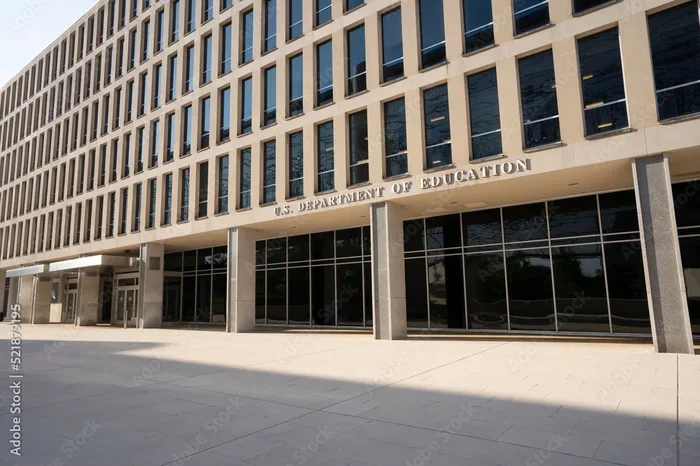
The Department of Education is not gone, but its future remains uncertain as political debates continue over federal education policy and the role of government in schools. This article covers what happened, the current status, and what changes could mean for students and educators across the country.
Key Takeaways
- The Department of Education still exists: It has not been eliminated, despite repeated political proposals to do so.
- Budget and staffing cuts have been proposed: Several administrations have sought to reduce the department’s size and scope.
- Federal education programs remain active: Programs like Title I funding and Pell Grants continue to support millions of students.
- State education departments fill the gap: Much of the day-to-day control of schools still rests with individual states.
- The debate is ongoing: The future of federal involvement in education remains a hot-button political issue.
- Students and families should stay informed: Understanding these changes helps you navigate education policy and funding opportunities.
📑 Table of Contents
- What Is the Department of Education?
- The Push to Eliminate the Department of Education
- What Actually Happened to the Department of Education?
- How the Department Affects Students and Families
- The Future of Federal Education Policy
- Common Mistakes People Make About the Department of Education
- Expert Insights on the Department of Education Debate
- Conclusion
What Is the Department of Education?
The Department of Education is a federal agency in the United States. It was created in 1979 under President Jimmy Carter. The department handles education policy, federal funding for schools, and student financial aid programs.
Before 1979, education fell under the Department of Health, Education, and Welfare. Lawmakers felt that education needed its own dedicated department. They believed a separate agency could focus on the needs of students, teachers, and schools across the country.
Today, the department employs thousands of people. It manages a budget of roughly 68 billion dollars each year. Much of that money goes toward school funding, student loans, and educational research. The education secretary leads the department and advises the president on education matters.
Many people wonder about the role of this agency. They ask whether the federal government should even be involved in education at all. This debate has shaped the department’s history for decades.
People often use colorful language to describe big government agencies. If you want to explore how we talk about education, check out our guide on idioms for education. Language shapes how we think about policy.
What Does the Department Do?
The Department of Education carries out several key functions. It distributes federal money to schools. It enforces civil rights laws in educational settings. It manages federal student aid programs. Here is a quick look at its main duties:
- Distributing Title I funding: This money goes to schools with high numbers of low-income students.
- Overseeing student loans: The department handles federal student loan programs and repayment plans.
- Enforcing civil rights: It ensures schools do not discriminate based on race, gender, or disability.
- Collecting education data: The department gathers statistics on schools and student outcomes across the nation.
- Setting guidelines: It issues rules for federal education programs, though states still run most schools.
The department does not run individual schools. That job belongs to state and local governments. Instead, it sets the framework for how federal money flows into the education system.
The Push to Eliminate the Department of Education
The idea of getting rid of the Department of Education is not new. Several presidents and political groups have called for its elimination. The argument usually centers on reducing federal spending and giving more power to states.
Historical Proposals to Close the Department
As far back as the 1980s, some lawmakers questioned the need for a federal education department. President Ronald Reagan proposed cutting the department during his first term. While he did not fully eliminate it, he pushed for significant reductions in its size and budget.
In the years that followed, the debate continued. Some politicians argued that the department was bloated and inefficient. They pointed out that many countries handle education without a large federal agency. They believed state and local leaders could do a better job.
More recently, the conversation has heated up again. During the 2024 presidential campaign, some candidates called for the complete abolition of the federal education department. They argued that cutting the department would reduce government waste and return control to local communities.
When people talk about getting rid of the department, they often use strong metaphors. If you are curious about how we use figurative language to describe big changes like this, you might enjoy our article on metaphors for education.
Who Supports Elimination and Who Opposes It?
The debate splits along predictable lines. Here is a look at both sides:
- Supporters of elimination argue that the department adds unnecessary bureaucracy. They say states should control education policy. They also point out that the department of education budget could be redirected to other priorities.
- Opponents of elimination warn that removing the department would harm vulnerable students. They note that federal programs help low-income families, students with disabilities, and rural communities. They fear that without a federal agency, inequality would grow.
The education secretary plays a key role in this debate. Some secretaries have pushed for reform from within the department. Others have called for its complete dismantling.
What Actually Happened to the Department of Education?
So, is the Department of Education gone? The short answer is no. The department still exists as of today. It has not been eliminated or shut down. However, the threat of elimination has shaped its policies and funding over the years.
While the department remains in place, its future is far from certain. Each new administration brings new proposals and priorities. Some presidents have tried to shrink the department. Others have expanded its role. The pendulum keeps swinging.
Recent Developments
In recent years, the department has faced several challenges. Budget proposals have sometimes called for deep cuts. Some programs have been merged or restructured. The department has also dealt with changes in student loan policies and school accountability rules.
Despite these pressures, the department continues to operate. Federal student aid programs like Pell Grants still provide critical support to millions of students. Title I funding still reaches schools that need it most. The education department budget has been a constant target, but core programs have survived.
When we look back at the history of these debates, it is clear that the idea of eliminating the department has been around for a long time. If you are interested in how language has evolved alongside these policy changes, check out our piece on similes for education. Words and policy often move hand in hand.
The department of education has weathered many political storms. But each new election cycle brings fresh uncertainty. Understanding what has happened so far helps you make sense of what might come next.
How the Department Affects Students and Families
Even if you do not follow politics closely, the Department of Education touches your life in real ways. From student loans to school lunch programs, federal education policy affects millions of families every day.
Student Financial Aid
The department manages the Free Application for Federal Student Aid, or FAFSA. This form determines whether students qualify for grants, loans, and work-study programs. Pell Grants, which help low-income students pay for college, are a flagship program of the department.
Changes to the department can directly impact how much aid students receive. When proposals to cut the department surface, advocates worry about the consequences for student loans and grant programs. They argue that reducing federal support could make college less accessible for many families.
School Funding and Accountability
Federal money flows to schools through programs like Title I. This funding helps schools in high-poverty areas hire teachers, buy supplies, and run programs. Without the department overseeing these programs, the distribution of funds could change dramatically.
States and local districts still control most education decisions. But the federal department sets rules and expectations. It also collects data that helps identify struggling schools and track progress over time.
Think of the department as a bridge between Washington and the classroom. It carries federal money and policy down to the local level. When people debate whether this bridge is necessary, they are really debating the role of the federal government in everyday life.
Speaking of language and how we describe big institutions, if you are curious about how we talk about the past and these kinds of changes, you might enjoy our article on metaphors about the past. Figurative language helps us make sense of complex topics.
The Future of Federal Education Policy
What comes next for the Department of Education? No one knows for sure. The future depends on who holds power in Washington and what priorities they choose to pursue.
Possible Scenarios
Here are three possible paths for the department going forward:
- Full elimination: Congress passes legislation to abolish the department entirely. Federal education programs are folded into other agencies or handed over to the states.
- Significant downsizing: The department is reduced in size and budget. Some programs are cut or transferred, but a smaller version of the agency remains.
- Status quo with reform: The department stays roughly the same but undergoes internal changes. Leadership shifts, and new priorities emerge without major structural changes.
Each scenario has different implications for students, teachers, and families. The first option would represent the biggest change in federal education policy in decades. The second would be a major but less dramatic shift. The third would mean business as usual with some tweaks.
What This Means for You
Whether you are a student, a parent, or a teacher, staying informed matters. Education policy affects your daily life in ways you might not expect. Federal funding decisions can change the resources available at your local school. They can also affect the cost of college and the availability of financial aid.
The best thing you can do is pay attention. Follow news about education policy. Understand how proposals might affect your community. And remember that even small changes at the federal level can have big impacts on the ground.
The Department of Education has been a topic of fierce debate for over four decades. The conversation is not going away anytime soon. As long as education remains a political priority, the future of this agency will be hotly contested.
Education is one of those topics where language matters a great deal. The way we talk about schools, funding, and policy shapes public opinion. If you want to dive deeper into the words we use to discuss education, our article on similes for education is a great place to start.
Common Mistakes People Make About the Department of Education
There are several misunderstandings that come up again and again when people discuss this topic. Let us clear up a few of the most common ones.
- Mistake 1: Thinking the department runs all schools. The federal department does not run individual schools. States and local districts do. The department mainly handles funding and policy guidelines.
- Mistake 2: Believing the department has already been eliminated. Despite what you may have heard, the department still exists. It continues to operate and serve students and families.
- Mistake 3: Confusing the department with the education secretary. The secretary is a person. The department is the agency. They are connected but not the same thing.
- Mistake 4: Assuming all education funding comes from the federal government. Most school funding comes from state and local sources. Federal money is a smaller but important piece of the puzzle.
Expert Insights on the Department of Education Debate
Education policy experts have strong opinions about the future of the department. Many believe that some form of federal involvement is essential. They point to the role of the department in protecting civil rights in schools and ensuring equal access to education.
Others argue that the department has grown too large and should be scaled back. They believe that local control leads to better outcomes. They say that states know their communities best and should make the decisions.
The truth probably lies somewhere in the middle. Most experts agree that the department plays a valuable role. But there is room for debate about how large that role should be and how efficiently the agency operates.
One thing is clear: the education policy landscape is always changing. New challenges emerge, and new solutions are proposed. The department will likely continue to evolve as the needs of students and schools evolve.
Conclusion
So, is the Department of Education gone? The answer is no. The department still exists and continues to play a major role in American education. However, its future is uncertain. Political debates about its size, scope, and purpose are ongoing.
The department has survived many attempts at elimination. It has also gone through periods of reform and restructuring. Whatever happens next, the conversation about federal education policy is not going away. It is a debate that affects every student, every family, and every school in the country.
Stay informed. Stay engaged. And remember that understanding how the Department of Education works is the first step toward making your voice heard in the policy debate.
Frequently Asked Questions
Is the Department of Education still active today?
Yes, the Department of Education is still active. It has not been eliminated or shut down. It continues to operate and manage federal education programs, student aid, and school funding across the country.
Has any president successfully eliminated the Department of Education?
No president has successfully eliminated the Department of Education. While several presidents have proposed its closure or significant cuts, none have succeeded in abolishing the agency through Congress.
What would happen if the Department of Education were eliminated?
If the department were eliminated, federal education programs would need to be reorganized. Some programs might be transferred to other agencies, while others could be handed over to state governments. The impact on students and schools would depend on how those changes were implemented.
How much does the Department of Education cost each year?
The department operates on an annual budget of roughly 68 billion dollars. This money funds student financial aid, school programs, and educational research. Budget proposals often call for changes to this spending level.
Does the Department of Education control local schools?
No, the department does not control local schools. States and local districts manage their own schools. The federal department mainly provides funding, sets guidelines for federal programs, and enforces civil rights laws in education.
What can I do to stay informed about changes to the Department of Education?
You can follow news from reliable sources, subscribe to education policy updates, and pay attention to presidential budget proposals. Understanding the basics of how the department works will help you make sense of any changes that come your way.


