
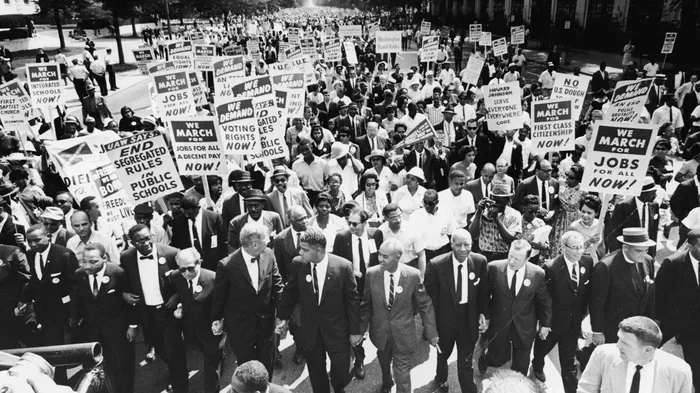
The Brown v Board of Education decision in 1954 sparked the modern Civil Rights Movement. This powerful movement fought for racial equality, school integration, and social justice across the United States. Learn how this landmark ruling changed everything and what movements rose in its wake.
The question of which movement followed the Brown v. Board of Education decision opens a door to one of the most important chapters in American history. The 1954 Supreme Court ruling didn’t just change schools. It ignited a fire that spread across the entire nation. People who had been silenced for generations found their voice. Communities organized. Leaders emerged. And a movement was born that would reshape the country forever.
If you want to understand modern American history, you need to understand what happened after Brown v. Board. The ruling was the spark. The movement that followed was the fuel. Together, they created a revolution in civil rights, educational equity, and social justice. This article walks you through every major detail in a way that’s easy to follow and hard to forget.
Key Takeaways
- Brown v. Board of Education ended legal school segregation and became a turning point for civil rights in America.
- The Civil Rights Movement followed directly, growing from the momentum of the 1954 ruling.
- Key figures like Martin Luther King Jr. and Rosa Parks led nonviolent protests inspired by the decision.
- Events like the Montgomery Bus Boycott and Little Rock Nine showed the real-world impact of the ruling.
- The movement reshaped education, law, and society and laid the groundwork for future equality efforts.
- The fight for educational equity continues today, building on the foundation of Brown v. Board.
📑 Table of Contents
The Landmark Brown v. Board of Education Decision
Before we talk about what came next, let’s quickly set the stage. In 1954, the United States Supreme Court made a decision that shocked the nation. The case, known as Brown v. Board of Education, challenged the idea of “separate but equal” in public schools. That idea had been legal since 1896, thanks to a ruling called Plessy v. Ferguson.
But the Brown v. Board ruling changed everything. The Court declared that racial segregation in public schools was unconstitutional. It said that separate educational facilities were inherently unequal. This was a huge win for the civil rights movement before the movement even really had a name yet.
The decision was based on the Equal Protection Clause of the Fourteenth Amendment. It stated that no state could deny any person equal protection under the law. For Black Americans, especially those in the South, this ruling felt like a breath of fresh air. But the road ahead was long and difficult.
Why Brown v. Board Mattered So Much
The ruling wasn’t just about schools. It was a statement. It said that racial segregation was wrong. It said that Jim Crow laws, which enforced racial separation in nearly every part of public life, were on borrowed time. The decision gave hope to millions of people who had endured discrimination for centuries.
But here’s the thing. The Supreme Court didn’t force immediate integration. It said schools should desegregate “with all deliberate speed.” That vague language gave many states room to resist. And resist they did. That resistance is exactly what fueled the movement that followed.
The Civil Rights Movement Takes Shape
So, which movement followed the Brown v. Board of Education decision? The answer is the Civil Rights Movement. This movement grew directly from the momentum of the 1954 ruling. It became the defining social justice movement of the twentieth century in the United States.
The Civil Rights Movement wasn’t a single event. It was a long, sustained effort by millions of people. They used peaceful protests, legal challenges, and sheer determination to fight for racial equality. The movement touched every part of American life, from buses and lunch counters to voting booths and classrooms.
Key Figures Who Led the Way
No movement succeeds without strong leaders. The Civil Rights Movement had many. Martin Luther King Jr. became its most famous voice. He championed nonviolent resistance and delivered powerful speeches that moved the nation. Rosa Parks sparked the Montgomery Bus Boycott when she refused to give up her seat. Her act of civil disobedience became a symbol of the fight for equality.
Other important leaders included Malcolm X, who offered a different but equally powerful perspective on Black empowerment. Thurgood Marshall, the lawyer who argued Brown v. Board before the Supreme Court, went on to become the first Black Supreme Court Justice. These individuals and many others worked together to push the movement forward.
Key Events That Defined the Movement
The Civil Rights Movement wasn’t built on ideas alone. It was built on real events that changed the course of history. After the Brown v. Board ruling, several key moments helped define the movement and bring national attention to the fight for equality.
The Montgomery Bus Boycott (1955-1956)
Just one year after Brown v. Board, Rosa Parks made her stand. Her arrest sparked the Montgomery Bus Boycott, led by a young Martin Luther King Jr. Black residents of Montgomery, Alabama, refused to ride the city buses for over a year. The boycott lasted 381 days and ended with the Supreme Court ruling that bus segregation was unconstitutional.
This event showed the power of organized, peaceful protest. It also proved that the desegregation momentum from Brown v. Board could be applied far beyond the classroom.
The Little Rock Nine (1957)
In 1957, nine Black students attempted to enter Little Rock Central High School in Arkansas. They became known as the Little Rock Nine. Governor Orval Faubus called in the National Guard to block their entry. President Eisenhower eventually sent federal troops to escort the students inside.
The Little Rock Nine faced hatred and hostility every single day. But their courage helped advance the cause of school integration across the country. Their story is one of the most powerful examples of how the Brown v. Board decision played out in real life.
Sit-Ins and Freedom Riders
Throughout the late 1950s and 1960s, activists used creative forms of nonviolent protest to challenge segregation. Sit-ins at lunch counters spread across the South. Freedom Riders traveled on interstate buses to test desegregation laws. These actions drew national media attention and put pressure on lawmakers to act.
Many of these protests were directly inspired by the legal precedent set in Brown v. Board. The ruling gave activists a constitutional foundation for their fight. It told them that segregation had no legal standing, and they were determined to prove it in practice.
The Role of Education in the Fight for Equality
Education has always been at the heart of the civil rights struggle. The Brown v. Board decision made that clear. When the Court ruled that segregated schools were unequal, it opened the door for a broader conversation about educational equity in America.
Before Brown v. Board, Black students attended separate and often vastly inferior schools. They had fewer resources, older textbooks, and less qualified teachers. The ruling declared that this was unacceptable. But changing the law was only the first step. Changing hearts and minds took much longer.
How the Movement Changed Schools
After the Brown v. Board decision, schools across the country slowly began to integrate. Some states resisted fiercely. Others complied, though often reluctantly. The process of school integration was messy, complicated, and sometimes dangerous.
But the impact was real. Black students gained access to better facilities and resources. Communities began to see the value of diversity in education. The ruling also set a precedent that extended beyond schools, influencing other areas of public life and helping to dismantle Jim Crow laws across the South.
Today, the conversation about educational equity continues. Many communities still face disparities in school funding, resources, and opportunities. The legacy of Brown v. Board reminds us that the fight for equal education is not over.
Connecting to Broader Social Justice Efforts
The Civil Rights Movement didn’t stop at education. The momentum from Brown v. Board helped fuel broader efforts for social justice. Activists fought for voting rights, housing equality, and an end to discrimination in employment. The movement inspired other groups to demand their rights as well.
For example, the women’s rights movement and the disability rights movement drew inspiration from the strategies and successes of the Civil Rights Movement. The legal frameworks established during this era, including the Civil Rights Act of 1964 and the Voting Rights Act of 1965, continue to protect equality today.
How the Movement Changed America
The movement that followed Brown v. Board changed the United States in profound ways. It reshaped laws, challenged social norms, and redefined what it meant to be an American. The impact of this era can still be felt in nearly every corner of the country today.
Legal and Political Changes
The Civil Rights Movement led to major legislation. The Civil Rights Act of 1964 banned discrimination based on race, color, religion, sex, or national origin. The Voting Rights Act of 1965 removed barriers that had prevented Black Americans from voting. These laws were direct results of the pressure and activism that followed Brown v. Board.
The movement also changed the political landscape. Black voters became a powerful force in American elections. More Black Americans ran for and won public office. Representation in government began to reflect the diversity of the nation.
Cultural Shifts
Beyond laws and politics, the movement changed American culture. Music, literature, art, and film all reflected the struggle for equality. The African American cultural renaissance of the 1960s and 1970s celebrated Black identity and heritage. It also challenged stereotypes and promoted understanding across racial lines.
The movement also influenced how Americans talked about race and equality. Concepts like racial equality and social justice became part of the national conversation. While the country still has a long way to go, the Civil Rights Movement planted seeds that continue to grow today.
Legacy and Continuing Impact
The movement that followed Brown v. Board of Education didn’t end in the 1960s. Its legacy lives on in every fight for equality and justice. Today’s movements for racial justice, educational reform, and criminal justice reform all carry the torch lit by the Civil Rights Movement.
Understanding this history matters. It helps us appreciate the sacrifices made by so many brave people. It also reminds us that the work of building a truly equal society is ongoing. The Brown v. Board decision was a beginning, not an ending. And the movement it sparked continues to evolve.
Whether you are a student, a teacher, or simply someone who cares about justice, the story of what followed Brown v. Board is essential knowledge. It teaches us about the power of courage, the importance of community, and the enduring belief that all people deserve equal treatment under the law.
For more on the language of equality and justice, check out our Idioms For Education collection, which explores the powerful expressions shaped by the fight for equal rights in schools and society.
Similarly, if you are interested in how figurative language has been used to describe the journey toward justice, explore our Similes For Education and Metaphors For Education pages for rich examples rooted in the educational equity conversation.
Conclusion
The movement that followed the Brown v. Board of Education decision was the Civil Rights Movement. It was a powerful, transformative force that changed America forever. From the Montgomery Bus Boycott to the Little Rock Nine, from sit-ins to landmark legislation, this movement proved that ordinary people can create extraordinary change.
The Brown v. Board ruling gave the movement its legal foundation. The movement gave the ruling its real-world impact. Together, they forged a path toward greater equality and justice. And while the work is not finished, the courage and determination of that era continue to inspire new generations to fight for a more just and equitable society.
Remember this: the story of what followed Brown v. Board is not just history. It is a living legacy. And it belongs to all of us.
Frequently Asked Questions
What was the Brown v. Board of Education decision?
The Brown v. Board of Education decision was a landmark 1954 Supreme Court ruling that declared racial segregation in public schools unconstitutional. The Court ruled that separate educational facilities were inherently unequal, overturning the earlier Plessy v. Ferguson precedent. This decision became the foundation for the Civil Rights Movement that followed.
Which movement directly followed the Brown v. Board ruling?
The Civil Rights Movement followed directly after the Brown v. Board decision. It grew from the momentum of the ruling and aimed to achieve racial equality across all areas of American life. Key events like the Montgomery Bus Boycott and the Little Rock Nine emerged in direct response to the ruling.
Who were the main leaders of the movement that followed Brown v. Board?
Martin Luther King Jr. and Rosa Parks were among the most prominent leaders. Thurgood Marshall, who argued the Brown v. Board case, also played a crucial role. Malcolm X and many other activists contributed to the movement’s growth and success through different approaches and strategies.
How did Brown v. Board change education in America?
The ruling declared that segregated schools were illegal and unequal. It paved the way for school integration efforts across the country. While resistance was strong in many areas, the decision set a legal precedent that gradually improved access to quality education for Black students nationwide.
What major laws were passed because of the Civil Rights Movement?
The Civil Rights Act of 1964 and the Voting Rights Act of 1965 were two of the most significant laws. These laws banned discrimination and removed barriers to voting. They were direct results of the activism and pressure that grew out of the movement following Brown v. Board.
Is the legacy of Brown v. Board still relevant today?
Absolutely. The ruling continues to influence conversations about educational equity, racial justice, and equal rights. Many of the challenges the movement faced, such as school funding disparities and systemic inequality, are still being addressed today. The legacy of Brown v. Board reminds us that the fight for justice is ongoing.


