
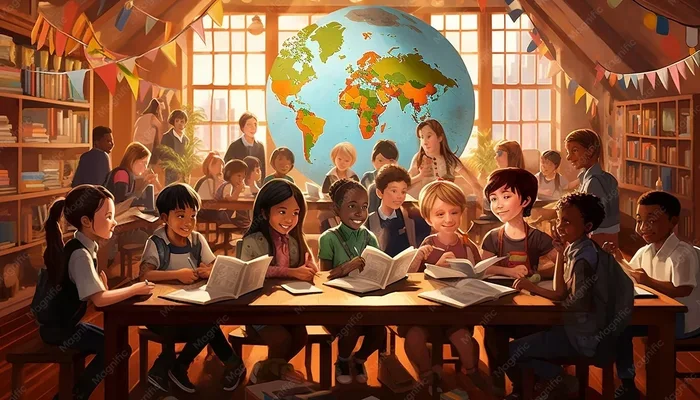
So, which country has the best education system? The answer isn’t simple, but Finland, Singapore, and Japan consistently top global rankings. These nations shine because of strong teacher training, student-focused learning, and smart education policies that truly work.
Key Takeaways
- Finland often ranks #1: Its no-homework, play-based approach produces outstanding results without stressing kids out.
- Teacher quality matters most: Top countries pick and train teachers very carefully, which lifts entire education systems.
- There is no single “best” country: Different nations excel in different areas, so the answer depends on what you value most.
- Student well-being drives success: Countries that prioritize mental health and balance tend to see better academic outcomes.
- Funding and policy play big roles: Smart investment in schools and fair access to learning resources make a huge difference.
- You can learn from any system: Even small changes inspired by top-performing countries can improve education anywhere.
📑 Table of Contents
- Which Country Has the Best Education System?
- How Do We Measure Education Quality?
- Top Countries with the Best Education Systems
- What Makes These Systems Work?
- Comparison: How Top Countries Stack Up
- Lessons You Can Apply Anywhere
- Common Mistakes People Make When Comparing Education Systems
- Expert Insights on Education Excellence
- What Does the Future of Education Look Like?
- Conclusion
Which Country Has the Best Education System?
People ask this question all the time. Parents want the best start for their kids. Students dream of studying abroad. And governments try to copy what works elsewhere. But here is the truth: there is no single winner. Instead, a handful of countries stand out year after year. Which country has the best education system depends on what you measure and what you value most.
Some countries ace test scores. Others focus on creativity and happiness. A few blend both approaches beautifully. In this article, we will explore the top-ranked nations, look at what makes them succeed, and share practical lessons you can apply no matter where you live. Let us dive in.
How Do We Measure Education Quality?
Before we name any winners, we need to understand how experts judge education systems. Several global reports compare countries every year. Each one looks at different factors.
PISA Rankings
The Programme for International Student Assessment (PISA) tests 15-year-olds in reading, math, and science. It covers over 70 countries. PISA results get the most attention from news outlets and policymakers.
Other Important Metrics
PISA is not the only measure. Experts also look at:
- Literacy rates across all age groups
- Graduation and enrollment rates
- Teacher-to-student ratios
- Education spending per student
- Student happiness and well-being
- Equity in access to quality schools
When you combine these measures, a clearer picture emerges. No single number tells the whole story. But patterns do show up consistently.
Top Countries with the Best Education Systems
Several nations earn top marks year after year. Let us look at the ones that people talk about most.
Finland: The Long-Time Champion
Finland has topped education rankings for over two decades. And what makes it special? The country took a very different path from most others. Finnish schools give students very little homework. Kids start formal schooling at age seven. There are no standardized tests until the end of high school.
Yet Finnish students consistently score among the highest in the world. How? The secret lies in teacher quality. Finland picks its educators carefully. All teachers hold a master’s degree. The profession is highly respected. Students get personal attention because class sizes stay small.
Finland also trusts its teachers. There is no heavy-handed government control over daily lessons. Teachers design their own curriculum. This freedom leads to creative, engaging classrooms.
Singapore: The High-Performing Giant
Singapore is a tiny city-state with massive education results. It regularly ranks in the top five on PISA tests. Singaporean students excel in math and science especially.
What drives this success? Singapore invests heavily in education policy and curriculum standards. The government selects talented teachers and provides ongoing training. Schools follow a clear, well-structured curriculum. There is also strong support for students who struggle. Extra tutoring and remedial programs are widely available.
However, Singapore’s system has faced criticism. The pressure to perform can be intense. Many students experience stress and burnout. This shows that high test scores do not always mean a healthy learning environment.
Japan: Discipline Meets Innovation
Japan blends tradition with modern teaching methods. Japanese students show strong performance in reading and science. The country also emphasizes character development and respect in schools.
Japanese schools follow a structured daily routine. Students participate in cleaning duties and group activities. This builds teamwork and responsibility. The education system in Japan also values persistence. Students learn to keep trying even when work is difficult.
On the downside, Japan’s exam-focused culture can be stressful. Many families hire private tutors. The pressure to enter top universities drives intense competition. Still, Japan’s overall education quality remains impressive by global standards.
South Korea: The Study Hard Culture
South Korea has transformed its economy largely through education. The country went from a developing nation to a global leader in just a few decades. Education played a huge role in that journey.
South Korean students score extremely well on international tests. The culture values hard work and academic achievement. Families invest significant time and money in their children’s learning. After-school academies, called “hagwons,” are extremely popular.
But there is a flip side. South Korea has some of the highest student stress levels in the world. Suicide rates among teenagers are a serious concern. The intense pressure raises important questions about what “best” really means.
Estonia: The Quiet Surprise
Estonia is a small European country that has quietly risen in the rankings. It now outperforms many much larger and wealthier nations. Estonian students show strong results in reading, math, and science.
What makes Estonia special? The country focused on education reform early on. It invested in digital learning tools and teacher training. Schools in Estonia also serve all students well, regardless of background. Educational equity is a core strength of the Estonian model.
What Makes These Systems Work?
Now that we have looked at the top countries, let us examine what they all share. Despite their differences, several common themes emerge.
1. Strong Teacher Training
Every top-performing country treats teachers as professionals. They require advanced degrees. They offer competitive salaries. They give teachers time to collaborate and improve. In contrast, many countries struggle with low teacher pay and high turnover. This single factor often separates great systems from average ones.
2. Focus on Equity
The best education systems do not just serve the privileged. They make sure every child has access to quality learning. Finland, for example, provides free meals, healthcare, and transportation to all students. These supports remove barriers that hold some kids back.
3. Balanced Approach to Learning
Countries that focus only on test scores often miss the bigger picture. The best systems balance academics with creativity, physical activity, and social development. Finland’s emphasis on play and free time is a perfect example. Students learn better when they are rested and engaged.
4. Smart Use of Technology
Modern education quality increasingly depends on technology. Estonia leads in digital literacy. Singapore integrates tech tools into daily lessons. Even traditional systems are now embracing online resources and smart classrooms.
5. Continuous Reform
No system stays perfect forever. The top countries constantly review and update their approaches. They listen to teachers, parents, and students. They adjust policies based on real-world results. This willingness to evolve keeps their systems strong over time.
Comparison: How Top Countries Stack Up
It helps to see the differences side by side. Here is a quick comparison of the leading countries.
- Finland: Low stress, high trust, teacher-led. Best for holistic development.
- Singapore: Structured, rigorous, results-driven. Best for academic excellence.
- Japan: Disciplined, group-oriented, tradition-rich. Best for character building.
- South Korea: Intense, competitive, tech-savvy. Best for high achievement (with trade-offs).
- Estonia: Equitable, digital, reform-focused. Best for balancing innovation and access.
Each country has strengths and weaknesses. The “best” system depends on your goals and values.
Lessons You Can Apply Anywhere
You do not need to live in Finland or Singapore to benefit from these ideas. Here are practical steps anyone can take.
Support Your Local Teachers
Teachers shape young minds every day. Advocate for better pay and working conditions in your community. When teachers feel valued, they teach better. This one change can ripple through an entire school system.
Encourage Curiosity Over Grades
Many top-performing countries focus on understanding, not memorization. Help kids ask questions and explore ideas. Praise effort, not just results. This mindset builds lifelong learners.
Prioritize Play and Rest
Finland proves that less pressure can lead to better outcomes. Make sure children have time to play, relax, and pursue hobbies. A well-rested mind learns faster and remembers more.
Embrace Equity
Every child deserves a fair chance. Support programs that help underserved schools. Volunteer as a tutor or mentor. Small actions can close big gaps in education access.
Quick Tip: Want to boost learning at home? Try reading together for 20 minutes each day. This simple habit builds vocabulary, comprehension, and a love for learning. It works in any country.
Common Mistakes People Make When Comparing Education Systems
Not all comparisons are fair. Here are pitfalls to avoid.
- Relying only on test scores: PISA results matter, but they do not capture everything. A country with high scores might have unhappy students.
- Ignoring cultural context: What works in Japan may not work in Brazil. Culture shapes how education is received and valued.
- Overlooking inequality: A national average can hide huge gaps between rich and poor communities. Always look at equity data.
- Copying without adapting: Importing a foreign model rarely works perfectly. Each country needs solutions that fit its own needs.
Keep these mistakes in mind as you read about global education rankings. The full picture is always more complex than headlines suggest.
Expert Insights on Education Excellence
We asked education researchers what they think matters most. Here is what they said.
“The best systems invest in people, not just programs,” says Dr. Linda Darling-Hammond, a leading education scholar. “Teachers need time, resources, and respect. Everything else flows from there.”
Another expert, Andreas Schleicher, who oversees PISA, adds: “The countries that do well do not just spend more money. They spend it wisely. They focus on teacher quality and give schools real autonomy.”
These insights remind us that money alone does not fix education. Smart investment and smart policy make the real difference.
Interestingly, the way we talk about education also matters. The language we use shapes our thinking. For example, using metaphors for education like “building blocks of learning” or “planting seeds of knowledge” helps us think more creatively about how teaching works. Similarly, common education idioms reflect deep cultural beliefs about learning. And similes for education like “sharp as a tack” or “eager as a beaver” show how naturally we compare learning to other experiences. These figurative expressions reveal how deeply education is woven into our daily language and thinking.
What Does the Future of Education Look Like?
The world is changing fast. Education must change with it. Several trends are shaping the next generation of school systems.
- Personalized learning: Technology allows lessons tailored to each student’s pace and style.
- Focus on social-emotional skills: Schools are teaching empathy, teamwork, and resilience alongside academics.
- Global collaboration: Students connect with peers across borders through online platforms.
- Project-based learning: Real-world projects replace rote memorization in many innovative classrooms.
- AI in education: Artificial intelligence is helping teachers grade, plan lessons, and support students individually.
The countries that embrace these trends will likely lead the next wave of education innovation. But the core principles remain the same. Great teaching, fair access, and thoughtful policy will always matter most.
Conclusion
So, which country has the best education system? The honest answer is that several countries do it remarkably well. Finland, Singapore, Japan, South Korea, and Estonia each offer valuable lessons. Finland shows us that trust and freedom work. Singapore proves that structure and rigor have power. Japan teaches us about discipline and character. South Korea demonstrates the drive for excellence. Estonia reminds us that equity and innovation go hand in hand.
No single model is perfect. Each system has trade-offs. But by studying what works, we can build better schools everywhere. The goal is not to copy one country. The goal is to create education systems that help every child grow, learn, and thrive.
Start with small steps. Support a teacher. Encourage a curious mind. Advocate for fair access. These actions add up. They create change. And they bring us closer to the kind of education every student deserves.
Frequently Asked Questions
Which country ranks #1 in education in the world?
Finland has historically topped most global education rankings, especially in overall student well-being and academic performance. However, Singapore often leads in specific subjects like math and science. The “number one” spot depends on which ranking and criteria you use.
Is Finland really the best education system?
Finland is widely regarded as one of the best because of its balanced approach. It prioritizes teacher quality, student happiness, and equity. But no system is perfect, and Finland has faced its own challenges in recent years as other countries have caught up.
What makes an education system the best?
The best systems share common traits: highly trained teachers, equitable access, smart funding, and a balanced curriculum. They also focus on student well-being, not just test scores. Continuous reform and adaptation matter too.
How do countries compare in education quality?
International assessments like PISA provide the most common comparisons. They test students in reading, math, and science. But quality also depends on factors like equity, teacher satisfaction, and student happiness, which are harder to measure.
Can a country improve its education system quickly?
Real improvement takes time and sustained effort. Countries like Estonia showed that focused reform can produce results within a decade. Quick fixes rarely work. Long-term investment in teachers and policy is the most reliable path.
Does spending more money on education guarantee better results?
Not necessarily. Some high-spending countries do not rank well, while some modest spenders like Finland and Estonia excel. How money is spent matters far more than how much is spent. Teacher training and equitable access deliver the biggest returns.


