
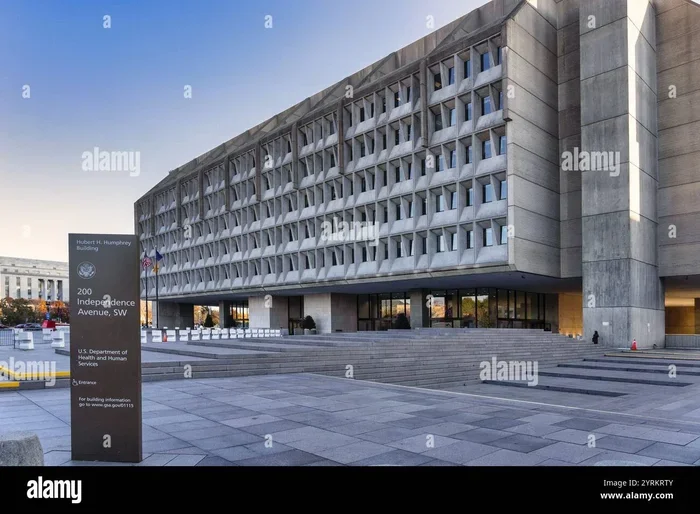
The Department of Education was officially created in 1979 under President Jimmy Carter. It was established to oversee federal education policy, manage funding, and ensure equal access to quality education for all students. Before its creation, education responsibilities were scattered across multiple federal agencies.
Key Takeaways
- 1979 Creation: The Department of Education was signed into law by President Jimmy Carter on October 17, 1979.
- Federal Oversight: It centralizes education policy, funding, and data collection at the national level.
- Predecessor Agencies: Before 1979, education duties were handled by the Department of Health, Education, and Welfare.
- Key Role: The department manages student financial aid, enforces civil rights in schools, and supports educational research.
- Ongoing Evolution: The department has grown and adapted to meet new challenges in American education.
📑 Table of Contents
The History Behind the Department of Education
So, when was the Department of Education actually created? The short answer is 1979. But the full story goes back much further. The idea of a federal role in education has been debated for over a century. Understanding this history helps us see why the department matters today.
Before the department existed, education was mostly a state and local responsibility. The federal government played a very small role. But as the country grew, so did the need for national standards and funding. This led to the creation of a dedicated federal agency.
Many people use education idioms when talking about this topic. Phrases like “the cornerstone of democracy” or “building blocks of society” show how deeply education is tied to American identity. If you want to explore more education idioms and their meanings, check out our guide on Idioms For Education.
Early Federal Involvement in Education
The federal government first showed interest in education in the 1800s. In 1867, Congress created the first federal education agency. It was called the Office of Education. Its job was to collect data about schools across the country.
But this office was tiny. It had very little power. States and local communities still controlled most education decisions. The office was more of a information-gathering body than a policy-making one.
Over the decades, the role of the federal government in education slowly grew. Major events like World War II and the Space Race highlighted the need for a more educated workforce. This set the stage for bigger changes ahead.
The Department of Health, Education, and Welfare
In 1953, President Eisenhower created the Department of Health, Education, and Welfare. This was a big step. Education was now part of a larger federal department.
But many people felt education deserved its own dedicated agency. They argued that mixing education with health and welfare diluted its importance. This debate continued for decades. Advocates pushed for a separate department focused entirely on education.
They often used education metaphors to make their case. Saying education is the “engine of progress” or the “foundation of freedom” helped build public support. Want to learn more about how these education metaphors shape policy discussions? Visit our page on Metaphors For Education.
Why Was the Department of Education Created?
The push for a separate education department gained serious momentum in the 1970s. Several factors came together at the same time. Let us look at why the department of education was finally created.
Centralizing Education Policy
Before 1979, education policy was spread across many agencies. This made coordination difficult. Different parts of the government worked on different pieces of the education puzzle. There was no single point of accountability.
Creating a dedicated department helped bring order to this chaos. It gave education a unified voice at the federal level. Policymakers could now focus on education without competing with health or welfare priorities.
Expanding Federal Funding for Education
Another major reason was funding. The federal government was spending billions on education programs. But the money was scattered across many agencies. A dedicated department could manage these funds more efficiently.
The new department was tasked with distributing financial aid to students. It also oversaw grants for schools and educational programs. This centralized approach made funding more transparent and accessible.
Many people use education similes to describe this shift. Saying the department was “like a compass for education” captures its guiding role. Explore more education similes and how they describe the learning landscape in our article on Similes For Education.
Ensuring Equal Access to Education
Civil rights played a huge role in the push for the department. Leaders wanted to make sure all students had equal access to quality education. The department was seen as a tool to enforce civil rights laws in schools.
Before the department existed, enforcement of education-related civil rights was inconsistent. A dedicated agency could focus specifically on this issue. It could investigate complaints and hold schools accountable.
Key Milestones in the Department of Education Timeline
The journey from idea to reality took many years. Here are the key milestones that shaped the department of education into what it is today.
1867: The First Federal Education Office
The Office of Education was established in 1867. It was a small agency focused on collecting data. It had no real policy-making power. But it was the first step toward federal involvement in education.
1953: Department of Health, Education, and Welfare
President Eisenhower signed this department into law. Education was now part of a larger federal agency. But many still felt it needed its own dedicated department.
1979: The Department of Education Is Born
President Jimmy Carter signed the Department of Education Organization Act on October 17, 1979. This was the moment the department of education officially came into existence. It became the 13th cabinet-level department in the United States.
The act split education responsibilities from the Department of Health, Education, and Welfare. Health remained in the old department, while education got its own dedicated agency.
1980s and Beyond: Growth and Change
Since 1979, the department has grown significantly. It now oversees a massive budget and thousands of employees. It has taken on new roles and responsibilities over the decades.
Different presidents have shaped the department in different ways. Some expanded its reach, while others tried to limit its power. But the core mission has remained the same: to promote student achievement and prepare learners for global competitiveness.
What Does the Department of Education Do?
Today, the department of education has many important functions. Let us break down what it actually does.
Managing Federal Education Funding
The department oversees billions of dollars in federal education funding. It distributes grants, loans, and other financial aid to students and schools. This money helps make education more accessible to millions of Americans.
Some key funding programs include:
- Federal Pell Grants for low-income students
- Federal Direct Student Loans
- Title I funding for schools with high poverty rates
- IDEA grants for special education programs
- Career and technical education funding
Enforcing Civil Rights in Education
The department enforces federal laws that prohibit discrimination in schools. This includes laws related to race, gender, disability, and national origin. The Office for Civil Rights handles complaints and investigates violations.
This role is crucial. It ensures that every student has a fair chance to learn and succeed. No matter their background, students are protected under federal law.
Collecting and Sharing Education Data
The department collects data on schools and student outcomes across the country. This data helps policymakers make informed decisions. It also helps researchers study trends in education.
Key data initiatives include the National Assessment of Educational Progress (NAEP). This is often called the Nation’s Report Card. It provides a snapshot of how students are performing academically.
Supporting Educational Research and Innovation
The department funds research on what works in education. It supports pilot programs and innovative teaching methods. This helps schools find better ways to reach students.
The Institute of Education Sciences (IES) is the department’s research arm. It produces evidence-based findings that guide education policy and practice.
How the Department Has Evolved Over the Decades
The department of education has changed a lot since 1979. Each decade brought new challenges and new opportunities. Let us take a closer look at this evolution.
The Reagan Era: Cuts and Controversy
In the 1980s, the Reagan administration proposed eliminating the department entirely. Congress disagreed and kept it. But funding was cut significantly during this period.
Despite the cuts, the department continued to grow in influence. Reports like “A Nation at Risk” highlighted the need for education reform. This helped build momentum for future changes.
The Clinton and Bush Eras: Expansion and Accountability
In the 1990s and 2000s, the department took on a bigger role. The No Child Left Behind Act of 2001 was a landmark law. It required states to test students in reading and math.
This era emphasized accountability. Schools were judged by test scores and graduation rates. The department played a central role in implementing these standards.
The Obama Administration: Common Core and Growth
The Obama era brought new initiatives like Race to the Top. This program rewarded states for adopting higher standards and reforming education policies.
The department also expanded its focus on equity. Programs targeting underserved communities received more attention and funding.
Recent Years: Challenges and Adaptation
More recently, the department has faced new challenges. The COVID-19 pandemic disrupted education across the country. The department stepped in to provide emergency funding and guidance.
Today, the department continues to adapt. It addresses issues like student loan debt, school safety, and educational technology. The department of education remains a vital part of the American education system.
The Department of Education Today and What’s Next
The department of education is more important now than ever. It touches the lives of millions of students, teachers, and families every day. But what does the future hold?
Education policy continues to evolve. New technologies are changing how students learn. The department must adapt to these changes. It must find new ways to support schools and students.
Key issues on the horizon include:
- Addressing the student loan crisis
- Expanding access to early childhood education
- Supporting teachers and improving retention
- Integrating technology into classrooms
- Promoting equity and inclusion in schools
The department will likely face many debates in the years ahead. Some want to expand its role. Others want to reduce federal involvement. Whatever happens, the department will continue to shape the future of American education.
Understanding its history and purpose helps us appreciate the work it does. From its creation in 1979 to today, the department of education has been a driving force in education policy. It has helped millions of students access opportunities they might not otherwise have had.
The story of the department is still being written. Every new administration brings new priorities and new challenges. But the core mission remains the same: to ensure every American has access to a quality education.
Conclusion
The department of education was created in 1979, but its roots go back much further. From the first Office of Education in 1867 to today’s cabinet-level agency, the journey has been long and complex. The department plays a vital role in shaping education policy, managing funding, and ensuring equal access for all students.
Whether you are a student, a parent, or an educator, understanding the department’s history and functions is important. It affects every aspect of American education. The department of education continues to evolve, and its impact will be felt for generations to come.
Take some time to learn more about how education policy affects your community. The more you know, the better equipped you are to advocate for quality education for all.
Frequently Asked Questions
When was the Department of Education created?
The Department of Education was officially created on October 17, 1979, when President Jimmy Carter signed the Department of Education Organization Act into law.
Why was the Department of Education created?
It was created to centralize education policy, manage federal education funding more efficiently, enforce civil rights in schools, and ensure equal access to quality education for all American students.
What was the Department of Education before 1979?
Before 1979, education responsibilities were part of the Department of Health, Education, and Welfare, which was established in 1953. Education was not its own dedicated department until 1979.
Who created the Department of Education?
President Jimmy Carter created the Department of Education. He championed the idea of a separate federal agency focused entirely on education during his presidency.
What does the Department of Education do today?
Today, the department manages federal education funding, enforces civil rights laws in schools, collects education data, supports educational research, and oversees student financial aid programs.
Is the Department of Education a cabinet-level department?
Yes, the Department of Education is a cabinet-level department. It is one of the 15 executive departments in the United States federal government, making it a high-level agency with significant influence on national education policy.


