
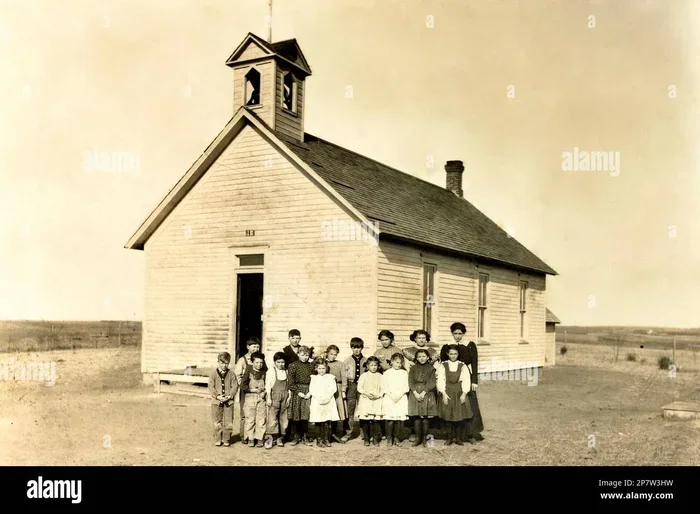
Wilson Rawls had a very limited formal education growing up during the Great Depression in rural Oklahoma and Arkansas. His childhood schooling was interrupted by poverty, family struggles, and the harsh realities of farm life. Despite these challenges, Rawls became a self-taught writer through sheer determination and a deep love of reading. His early life experiences directly inspired his classic novel Where the Red Fern Grows. Understanding his educational journey gives us a powerful look at resilience and the hunger for knowledge.
Wilson Rawls is a name that many readers remember from childhood. His book Where the Red Fern Grows has touched millions of young hearts. But few people know much about the man behind the story. Many wonder about Wilson Rawls education when he was young. The answer is both surprising and inspiring. His early years were filled with hardship. Yet those same years gave him the fuel for his imagination. This article dives deep into what his childhood education looked like. We will explore the challenges he faced. We will also see how his love of learning helped shape his future.
Key Takeaways
- Limited Formal Schooling: Wilson Rawls attended school only sporadically due to poverty and family obligations during the 1930s.
- Self-Education Was Key: He taught himself to read and write by devouring books and observing the world around him.
- The Great Depression Shaped His Youth: Economic hardship played a major role in limiting his access to education.
- Nature and Farm Life Inspired His Writing: His childhood experiences in the Ozark Mountains became the foundation for his stories.
- Perseverance Over Circumstance: Rawls proved that a lack of formal schooling does not define a person’s potential.
- His Education Fueled a Legacy: Despite minimal schooling, he became one of the most beloved children’s authors of the 20th century.
📑 Table of Contents
- Who Was Wilson Rawls?
- What Was Wilson Rawls Education Like When He Was Young?
- How Did He Learn Without Formal Schooling?
- The Role of His Family in His Learning
- How His Youth Shaped His Writing
- Common Misconceptions About His Education
- Lessons We Can Learn From Wilson Rawls’s Educational Journey
- Conclusion
Who Was Wilson Rawls?
Wilson Rawls was born on September 24, 1913, in Scraper, Oklahoma. He grew up in a small family deep in the Ozark Mountains. His parents were poor farmers. Life was tough during the 1920s and 1930s. The Great Depression hit rural families especially hard. Money was scarce. Food was often limited. School supplies were a luxury. For young Wilson, education was not a given. It was something he had to fight for. His childhood experiences in the mountains taught him more than any classroom ever could.
Rawls was the third of five children. His family moved around often. They followed work and tried to survive. This constant moving made regular schooling nearly impossible. He attended many different schools over the years. But none of them lasted long. Still, a spark inside him never went out. That spark was his love for stories and language.
What Was Wilson Rawls Education Like When He Was Young?
The honest answer is that his formal education was minimal. Let us break down what his early schooling years actually looked like.
Sporadic Attendance Due to Poverty
Wilson Rawls did not attend school every day. In fact, he often went weeks without stepping into a classroom. His family needed him to work on the farm. Chores came first. School came second. This was common for rural children during the 1930s. Many families could not afford to let their kids attend regularly. Every hand on the farm mattered.
The schools he did attend were often one-room buildings. A single teacher would handle all grade levels. Resources were scarce. Textbooks were worn and outdated. Rural education during the Great Depression was a struggle for millions of children. Wilson was one of them.
Frequent Moves Disrupted Learning
The Rawls family moved several times during his youth. Each move meant a new school. New teachers. New classmates. It was hard to keep up. Consistent learning was almost impossible when your family was always on the move. He often fell behind. Then he had to catch up. This cycle repeated many times.
These disruptions left gaps in his formal learning. He did not have the chance to build a steady academic foundation. But something else filled that gap. His hunger for knowledge grew stronger with each move.
He Often Quit School to Help His Family
There were times when Wilson Rawls simply stopped going to school altogether. His family needed him at home. He worked long hours in the fields. He helped care for younger siblings. Family responsibility took priority over education. This was the reality for many young boys growing up in poverty during this era.
Despite leaving school early, Rawls never stopped learning. He found other ways to grow his mind. This is where his story becomes truly remarkable.
How Did He Learn Without Formal Schooling?
Wilson Rawls was not just sitting idle when he was not in school. He found ways to educate himself. His self-taught journey is one of the most inspiring parts of his story.
The Power of Reading
Rawls loved to read. He would find any book he could get his hands on. Libraries were far away, but he made it work. He read every book available to him. Stories about animals, nature, and adventure captivated him. Reading became his classroom. Through books, he explored worlds beyond the Ozark Mountains.
His reading habits shaped his understanding of language. He absorbed sentence structures. He picked up new words. He learned how stories were built. This informal education was powerful. It gave him the tools he needed to become a writer later in life.
Learning from Nature and Daily Life
Growing up in the mountains taught Rawls a great deal. He watched animals closely. He learned their habits. He saw how they hunted, played, and survived. Nature was his greatest teacher. These observations later appeared in his writing with stunning accuracy.
He also learned practical skills. Farming, hunting, and woodworking were part of daily life. These experiences gave him a deep understanding of hard work. They taught him patience and perseverance. These are the same qualities that shine through in his stories.
Using Idioms and Language Naturally
One fascinating aspect of Rawls’s learning was how he picked up language naturally. He grew up hearing idioms for young people in everyday conversation. These colorful expressions became part of his vocabulary. He used them in his writing without even thinking about it. This is why his dialogue feels so real and authentic. Readers can hear the mountain voices in his words.
His understanding of metaphors for education and how comparisons work in language also came from life experience. He did not learn these from textbooks. He learned them by watching the world. A sunset over the Ozarks taught him more about beauty than any classroom lecture ever could. He used similes for education in his storytelling without formal training. He simply knew how to compare things in ways that felt true to life.
The Role of His Family in His Learning
Rawls’s family played a complex role in his education. On one hand, they needed him to work. On the other hand, they encouraged his love of stories.
His Mother’s Influence
His mother was a strong influence. She encouraged him to read. She saw his curiosity and nurtured it. Even though the family had little money, she made sure books were available. Her support gave Wilson the confidence to dream. Parental encouragement can make all the difference in a child’s educational journey.
His Father’s Practical Lessons
His father taught him practical skills. He showed him how to track animals. He taught him about the land. These lessons were not academic. But they were valuable. They taught Wilson observation and patience. These skills later became essential to his writing process.
Siblings as Learning Companions
Rawls learned a lot from his brothers and sisters. They shared stories together. They created imaginary adventures. This kind of informal learning through play is often overlooked. But it builds creativity and communication skills. These are exactly the skills that made Rawls such a compelling storyteller.
How His Youth Shaped His Writing
It is impossible to separate Wilson Rawls’s education from his writing. His childhood experiences are woven into every page of his books.
Where the Red Fern Grows as an Autobiographical Story
Where the Red Fern Grows is deeply personal. The main character, Billy, shares many of Rawls’s own experiences. Billy grows up in the Ozark Mountains. He faces poverty. He works hard. He loves his dogs. These are all reflections of Rawls’s own life. The book feels real because it comes from lived experience.
Authentic Details Only a Native Could Know
Readers can tell when an author truly knows their subject. Rawls knew the mountains. He knew the animals. He knew what it felt like to be poor and determined. This authenticity comes from his early life education. He did not need a formal degree to write with truth. He needed heart and observation.
His Idiomatic Voice and Storytelling Style
Rawls’s writing voice is one of the reasons his books endure. He used idioms for education and everyday language that felt familiar to readers. Children could relate to his characters. Adults could appreciate the deeper themes. His natural use of language was a gift. It came from years of absorbing the way people actually talked. He did not learn this from a grammar book. He learned it from living.
Common Misconceptions About His Education
There are a few myths about Wilson Rawls’s background that are worth clearing up.
He Was Not Completely Unschooled
Some people assume Rawls never attended school at all. This is not true. He did attend school. He just did not attend consistently. He received some formal instruction. The key point is that his formal education was limited, not absent.
He Did Not Have Zero Access to Books
Another myth is that Rawls had no access to reading material. In reality, he found books wherever he could. He borrowed from neighbors. He read whatever was available. Resourcefulness was a core part of his learning. He did not let a lack of resources stop him.
His Success Was Not Pure Luck
Some readers think Rawls’s success was a fluke. It was not. His writing was the result of years of self-education. He practiced. He observed. He persisted. His education was unconventional but powerful. It proved that learning can happen anywhere.
Lessons We Can Learn From Wilson Rawls’s Educational Journey
There is much we can take away from the story of Wilson Rawls. His life lessons about education are just as relevant today as they were during his childhood.
Education Happens Everywhere
Rawls’s story shows us that learning does not only happen in schools. Life itself is a classroom. Every experience teaches something. Every challenge builds character. Informal education is just as valuable as formal schooling.
Passion Can Overcome Obstacles
Rawls faced many obstacles. Poverty. Family obligations. Limited resources. But his passion for stories never died. He kept reading. He kept observing. He kept dreaming. Passion is a powerful teacher. It can push us past limitations that seem impossible.
The Value of Patience and Persistence
Rawls did not become a published author overnight. He worked many jobs before he could write full time. He faced rejection. He kept going. His perseverance in learning is a model for all of us. Success often comes to those who refuse to give up.
Using What You Have
Rawls used what was around him. The mountains. The animals. The stories his family told. He turned simple things into extraordinary literature. Creativity thrives with resourcefulness. We do not need expensive tools to learn and create.
Conclusion
Wilson Rawls’s education was far from traditional. He grew up during one of the hardest economic periods in American history. His formal schooling was limited by poverty, family needs, and constant moves. But his love of learning never stopped. He taught himself through reading. He learned from nature. He absorbed language from everyday life. His childhood education was shaped by hardship and beauty in equal measure.
Today, Wilson Rawls is remembered as one of the greatest children’s authors of all time. His books continue to inspire young readers around the world. His story reminds us that education is not just about degrees and diplomas. It is about curiosity. It is about determination. It is about the willingness to keep learning no matter what life throws your way.
If you ever feel like your own learning journey is limited, remember Wilson Rawls. He proved that great things can come from humble beginnings. His life is a testament to the power of the human spirit. And his books are a gift that keeps on giving to every new generation of readers.
Frequently Asked Questions
Did Wilson Rawls ever go to college?
No, Wilson Rawls did not attend college. His formal education ended early due to family financial struggles and the demands of farm work during the Great Depression. However, he continued learning on his own throughout his life.
How did Wilson Rawls learn to write without formal education?
Rawls was a voracious reader who taught himself language and storytelling by reading widely. He also drew from his daily life experiences in the Ozark Mountains, observing nature and absorbing the way people spoke around him.
What challenges did Wilson Rawls face in getting an education?
The biggest challenges were poverty, the need to work on the family farm, frequent family moves, and the lack of resources during the Great Depression. These factors made consistent schooling nearly impossible for him.
How did Wilson Rawls’s childhood influence his writing?
His childhood in the Ozark Mountains directly inspired the settings and characters in his books. The animals, landscapes, and struggles he experienced as a young boy became the foundation for stories like Where the Red Fern Grows.
Can Wilson Rawls’s education be considered a success story?
Absolutely. Despite having minimal formal schooling, Rawls became one of the most celebrated children’s authors in American history. His story shows that education can take many forms and that perseverance matters more than a traditional diploma.
What role did reading play in Wilson Rawls’s self-education?
Reading was the cornerstone of Rawls’s self-education. He sought out every book he could find and used those stories to build his understanding of language, structure, and narrative. His reading habits directly shaped his writing style.


