
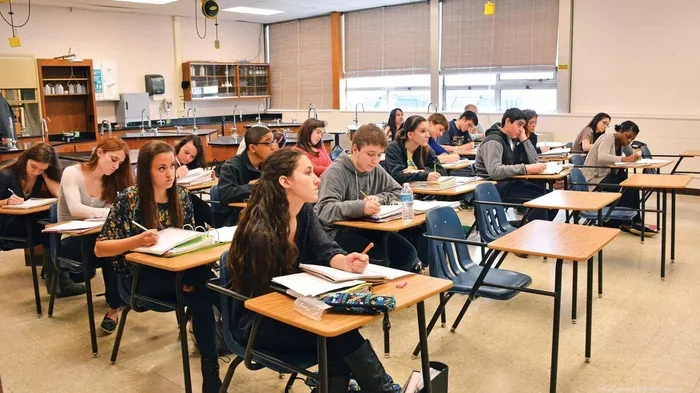
Secondary education typically covers grades 6 through 12 in the United States, bridging the gap between elementary school and college or career. Understanding what grade is secondary education helps parents, students, and educators navigate the school system with confidence. This guide breaks down every level, explains why these years matter so much, and offers practical tips for success.
Key Takeaways
- Secondary education spans grades 6–12: It includes both middle school and high school stages in most U.S. systems.
- It prepares students for the real world: These years build critical thinking, independence, and career-ready skills.
- Grade levels vary by country: What counts as secondary education in the U.S. may differ from the UK, Canada, or Australia.
- Middle school and high school serve different purposes: Each stage has unique academic and social goals.
- Strong secondary education shapes future opportunities: Grades, extracurriculars, and choices made during these years impact college and career paths.
- Support matters at every level: Parents, teachers, and mentors play a huge role in student success during secondary years.
📑 Table of Contents
- What Grade Is Secondary Education? A Complete Guide
- Why Secondary Education Matters So Much
- Understanding Grade Levels in Secondary Education
- How Secondary Education Differs Around the World
- Common Challenges in Secondary Education
- Tips for Success During Secondary School
- The Role of Parents in Secondary Education
- How Figurative Language Enhances Learning in Secondary Education
- Key Takeaways
- Final Thoughts on Secondary Education
What Grade Is Secondary Education? A Complete Guide
So, what grade is secondary education exactly? If you have ever scratched your head over this question, you are not alone. Many parents, new teachers, and even students themselves wonder where the line is drawn between elementary school and the bigger, more complex world of secondary learning.
The short answer is that secondary education usually covers grades 6 through 12 in the United States. But the full picture is a bit more nuanced than that. Different countries, different states, and even different school districts may organize these grades in unique ways. Let us break it all down so you have a clear picture.
Think of secondary education as the bridge between childhood learning and adult preparation. It is where students start to choose their own paths, dive deeper into subjects, and build the skills they will use for the rest of their lives. Whether you are a parent trying to understand the system or a student curious about where you stand, this guide has you covered.
How the Education System Divides Learning Levels
Most education systems around the world divide learning into stages. The first stage is often called elementary or primary education. This covers the early years, usually kindergarten through grade 5 or 6. Then comes the second stage, which is what we call secondary education.
Secondary education is further split into two parts in many places:
- Lower secondary education: This is often middle school or junior high, covering grades 6 through 8 or 6 through 9.
- Upper secondary education: This is high school, typically covering grades 9 through 12 or 10 through 12.
The exact split depends on your location and the education system in place. Some districts combine middle and high school into one building. Others keep them completely separate. The structure can vary, but the core purpose stays the same: to prepare young people for what comes next.
Why Secondary Education Matters So Much
You might wonder why so much attention gets placed on these years. The truth is, secondary education is one of the most transformative periods in a person’s life. It is not just about passing tests or earning a diploma. These years shape who students become as learners and as people.
Building Critical Thinking and Independence
During the secondary school years, students move from memorizing facts to actually understanding concepts. They learn to think critically, solve problems, and form their own opinions. This shift is huge. It sets the foundation for everything from college work to everyday decision-making.
Students also gain more independence during this time. They switch between classes, manage their schedules, and start making choices about which subjects interest them most. This sense of ownership over their learning is a skill that pays off for years to come.
Opening Doors to Future Opportunities
The grades students earn during secondary education matter. They affect college admissions, scholarship opportunities, and even job prospects. A strong academic record during high school can open doors that might otherwise stay closed.
But it is not just about grades. Extracurricular activities, leadership roles, and community involvement during these years also matter. Colleges and employers look at the whole picture. That is why secondary school is such an important time for exploration and growth.
Understanding Grade Levels in Secondary Education
Let us get specific about the grade levels involved. Knowing what each stage covers can help you support students more effectively.
Lower Secondary: Middle School and Junior High
Lower secondary typically starts around age 11 or 12. In many U.S. districts, this is where middle school or junior high begins. Students usually attend grades 6 through 8 or 6 through 9.
During these years, students:
- Switch between different teachers for each subject
- Start taking more advanced courses like pre-algebra or earth science
- Explore elective subjects such as art, music, or foreign languages
- Begin developing social skills through teamwork and group projects
Middle school is often a time of big changes. Students are going through puberty, navigating new social dynamics, and adjusting to a more demanding academic environment. It is a lot to handle, which is why support from parents and teachers is so important during these academic years.
Upper Secondary: High School
Upper secondary is what most people think of when they hear the phrase secondary education. High school typically covers grades 9 through 12, though some systems start at grade 10.
High school students face more rigorous coursework. They take classes like algebra, biology, English literature, and history. Many also choose advanced placement (AP) or honors courses that can earn them college credit early.
By the time students reach grade 12, they are making big decisions about their future. They apply to colleges, explore career paths, and start thinking about life after graduation. The secondary curriculum during these final years is designed to prepare them for those next steps.
How Secondary Education Differs Around the World
While the United States uses a fairly standard model, other countries organize secondary education differently. Understanding these differences can give you a broader perspective on how education works globally.
The United Kingdom System
In the UK, secondary education starts at age 11 and goes through age 16 or 18. Students attend secondary school from Year 7 through Year 11, followed by optional sixth form for Years 12 and 13. The secondary school grades in the UK focus heavily on preparing students for GCSE and A-Level exams.
Canada and Australia
Canada and Australia follow systems similar to the U.S. in many ways. Both countries generally cover secondary education from grades 7 or 8 through 12. However, the specific structure and naming conventions can vary by province or state.
In Australia, secondary school is often called “high school” and covers years 7 through 12. In Canada, some provinces use “junior high” for grades 7 through 9 and “senior high” for grades 10 through 12.
No matter where you are, the core goal of secondary education remains the same: to equip young people with the knowledge and skills they need to thrive.
Common Challenges in Secondary Education
The secondary school years come with their own set of challenges. Recognizing these struggles can help parents and educators provide better support.
Academic Pressure
Students in secondary education often face increasing academic demands. Homework loads grow, tests become harder, and expectations rise. This pressure can lead to stress and burnout if students do not have the right support systems in place.
One of the best ways to combat this is to encourage balance. Students should have time for hobbies, social activities, and rest alongside their studies. A well-rounded approach to education levels keeps students healthy and motivated.
Social and Emotional Changes
Adolescence is a time of intense emotional and social change. Students in secondary school are figuring out their identities, building friendships, and dealing with peer pressure. These challenges can affect their academic performance and overall well-being.
Schools that offer counseling services, mentorship programs, and safe spaces for students to express themselves make a big difference. Emotional support is just as important as academic instruction during these formative years.
Keeping Students Engaged
One of the biggest challenges in secondary education is keeping students engaged. When lessons feel irrelevant or too easy, students may lose interest. On the other hand, when work feels too difficult, they may give up entirely.
Teachers who use real-world examples, hands-on projects, and student choice in assignments tend to see higher engagement. Making learning feel relevant to students’ lives is a powerful tool during these school years.
Tips for Success During Secondary School
Whether you are a student, parent, or educator, there are practical steps you can take to make the most of secondary education. Here are some tips that really work.
- Stay organized. Use planners, calendars, or apps to track assignments and deadlines. Organization is a game-changer during the busy secondary school years.
- Ask for help when needed. There is no shame in asking a teacher for extra help or forming a study group with classmates. Seeking support is a sign of strength.
- Explore extracurricular activities. Join clubs, sports teams, or volunteer groups. These activities build skills and make school more enjoyable.
- Set realistic goals. Whether it is earning a certain grade or learning a new skill, having clear goals keeps you focused and motivated.
- Communicate with parents and teachers. Regular check-ins help everyone stay on the same page and catch problems early.
These habits may seem simple, but they have a huge impact over time. Students who develop strong routines during secondary education carry those habits into college and beyond.
The Role of Parents in Secondary Education
Parents play a vital role during the secondary school years. Your involvement can make a real difference in your child’s academic success and emotional well-being.
How You Can Support Your Child
First, stay informed about what your child is learning. Review their schedule, check their grades regularly, and attend parent-teacher conferences. Knowing what is happening in their education system helps you spot issues early.
Second, create a positive learning environment at home. Provide a quiet space for homework, keep supplies stocked, and show interest in their schoolwork. Even a simple question like “What did you learn in school today?” can make a big difference.
Third, encourage independence while staying available. Let your child take ownership of their assignments and decisions. But make sure they know you are there to support them when they need it. This balance builds confidence and responsibility.
How Figurative Language Enhances Learning in Secondary Education
One often overlooked aspect of secondary education is the role of figurative language in building strong communication skills. During these years, students are expected to write more complex essays, analyze literature, and express ideas with precision. That is where tools like similes and metaphors come into play.
When students learn to use a simile for education, they can compare abstract concepts to familiar experiences, making their writing more vivid and persuasive. Similarly, understanding metaphors for education helps students grasp deeper meanings in texts and communicate their own ideas with greater impact.
Teachers who incorporate figurative language exercises into their lessons often see improvement in both reading comprehension and writing quality. It is a simple yet powerful way to strengthen secondary curriculum outcomes. For a deeper dive into how these language tools work in the classroom, check out our guides on similes for education and metaphors for education. These resources offer practical examples and ready-to-use activities that work well for secondary school grades.
Beyond similes and metaphors, idioms for education also play a meaningful role in helping students understand cultural context and natural language use. When students grasp common expressions and idiomatic phrases, they become more confident communicators both inside and outside the classroom. For more on this topic, explore our article on idioms for education to find helpful examples and teaching strategies.
Key Takeaways
- Secondary education covers grades 6 through 12: It includes both lower secondary (middle school) and upper secondary (high school) stages.
- It is a critical bridge to the future: These years build academic skills, independence, and career readiness.
- Grade levels vary by country and district: The U.S., UK, Canada, and Australia each have their own secondary education structures.
- Challenges are real but manageable: Academic pressure, social changes, and engagement issues are common but can be addressed with the right support.
- Parents and teachers matter: Involvement from adults makes a significant difference in student outcomes during these school years.
- Figurative language strengthens learning: Similes, metaphors, and idioms are powerful tools within the secondary curriculum that boost communication skills.
Final Thoughts on Secondary Education
So, what grade is secondary education? It is grades 6 through 12, but it is so much more than just a range of numbers. It is a dynamic, transformative period that shapes the trajectory of every student’s life.
From the first day of middle school to the final graduation ceremony, secondary education equips young people with the knowledge, skills, and confidence they need to succeed. Whether a student heads straight to college, enters the workforce, or pursues a trade, the foundation built during these years stays with them forever.
If you are a parent, take an active interest in your child’s journey through secondary school. If you are a student, embrace every opportunity to learn and grow. And if you are an educator, know that your work during these years has a lasting impact. The secondary education years are where futures are built, and every effort counts.
Remember, the skills and habits formed during these years carry forward into every other area of life. Make the most of them, and the rewards will follow.
Frequently Asked Questions
What grades are considered secondary education?
In the United States, secondary education typically covers grades 6 through 12. This includes both middle school (lower secondary) and high school (upper secondary). Some districts may start secondary education at grade 7 or 9, depending on local organization.
How is secondary education different from primary education?
Primary education covers the early years, usually kindergarten through grade 5 or 6. Secondary education follows that and covers the middle and high school years. Secondary school is more academically demanding and focuses on building critical thinking and independence.
Does secondary education vary by country?
Yes, the structure of secondary education differs around the world. In the UK, it starts at age 11 and ends at 16 or 18. In Canada and Australia, it generally covers ages 12 through 17 or 18. The U.S. model of grades 6 through 12 is common but not universal.
Why is secondary education important for future success?
Secondary education builds the academic foundation, social skills, and independence needed for college, careers, and adult life. The grades, extracurriculars, and choices made during these years directly impact future opportunities and long-term success.
Can students skip a grade in secondary education?
Yes, grade skipping is possible in some cases, but it depends on the school district and the student’s circumstances. Schools usually assess academic readiness, social-emotional maturity, and other factors before making such a decision during the secondary school years.
What subjects are taught in secondary education?
Secondary curriculum typically includes English, math, science, social studies, and physical education. Students also choose electives like foreign languages, art, music, or technology courses. Advanced placement and honors options are often available in upper secondary grades.


