
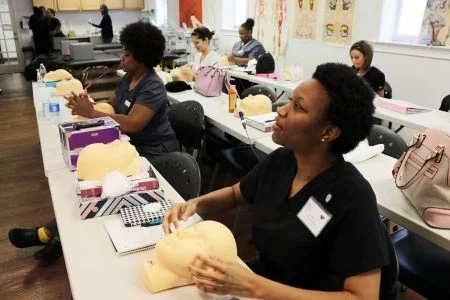
Becoming an esthetician requires completing a postsecondary skincare training program, typically lasting between 600 and 1,200 hours. Most states require graduates to pass a licensing exam after finishing their education for esthetician. The right training opens doors to spa clinics, dermatology offices, and even entrepreneurship opportunities.
This is a comprehensive guide about what level of education is esthetician.
Key Takeaways
- Esthetician education typically involves a postsecondary training program ranging from 600 to 1,200 hours of coursework and hands-on practice.
- Licensing requirements vary by state, but most require passing a written and practical exam after completing your training.
- You can pursue education for esthetician through vocational schools, community colleges, or dedicated beauty academies.
- Continuing education helps estheticians stay current with new skincare techniques, products, and industry trends.
- Higher education levels can boost your earning potential and open doors to advanced career paths in the skincare industry.
- No college degree is required to start a career as an esthetician, making it an accessible option for many learners.
[FEATURED_IMAGE_PLACEHOLDER]
What Level of Education Do You Need to Be an Esthetician
If you have a passion for skincare and helping people feel confident in their skin, you might be wondering about the education for esthetician. The good news is that you do not need a four-year college degree to start this rewarding career. The path to becoming an esthetician is more hands-on and focused than many other professions. It centers on specialized skincare training that prepares you for real-world work.
The level of education you need depends on your state’s requirements and your personal career goals. Most aspiring estheticians complete a formal training program at a dedicated school. These programs cover everything from basic skin anatomy to advanced facial techniques. Whether you want to work at a local spa or open your own skincare clinic, the right education sets the foundation.
In this guide, we will walk through every step of the education journey. You will learn about training programs, licensing requirements, and how to choose the right school. We will also explore how your education level impacts your career and earning potential. Let us dive in.
Understanding Esthetician Education Requirements
Esthetician education requirements vary from state to state. However, most states follow a similar framework. You will need to complete a formal training program and pass a licensing exam. The exact number of training hours depends on where you live.
What Is an Esthetician Training Program
An esthetician training program is a structured course that teaches you the skills needed to work with clients’ skin. These programs cover skin analysis, facial treatments, hair removal, makeup application, and product knowledge. Most programs also include hands-on practice in a supervised setting.
Vocational training esthetician programs are the most common route. They are offered at beauty schools, community colleges, and technical institutes. A typical skincare training program lasts between six months and two years, depending on whether you attend full-time or part-time. The esthetician program length matters because more hours usually mean deeper learning and better preparation.
Your esthetician curriculum will include both classroom instruction and practical experience. You will study topics like:
- Skin anatomy and physiology
- Facial massage techniques
- Chemical peels and microdermabrasion
- Waxing and hair removal methods
- Sanitation and safety protocols
- Client consultation skills
- Product knowledge and ingredient science
These subjects form the core of your education for esthetician. They give you the knowledge and confidence to perform treatments safely and effectively.
How Many Hours of Training Do You Need
The number of training hours required varies by state. Some states require as few as 600 hours, while others demand up to 1,200 hours or more. Here is a general breakdown:
- Minimum hours states: Around 600 hours of classroom and practical training
- Average states: Between 800 and 1,000 hours
- Maximum hours states: Up to 1,200 or more hours
It is important to check your state board’s specific requirements before enrolling in a program. The esthetician licensing exam covers material from your training, so more hours of study generally lead to better exam performance.
Types of Esthetician Education Paths
Not all education paths look the same. Different routes suit different learning styles and life situations. Let us explore the most common options available to aspiring estheticians.
Vocational and Beauty Schools
Vocational schools and beauty academies are the most popular choice for esthetician training. These institutions focus entirely on beauty and skincare education. They offer intensive programs designed to get you job-ready quickly.
Most vocational programs take six to twelve months to complete if you attend full-time. The advantage of these schools is their focused approach. You spend most of your time learning practical skills rather than general education courses. This makes vocational training esthetician programs a great fit for people who want to enter the workforce fast.
When choosing a beauty school, look for accreditation and good pass rates on the state board exam. A quality esthetician school will prepare you thoroughly for both the written and practical portions of the licensing exam.
Community College Programs
Some community colleges offer esthetician programs as part of their cosmetology or health sciences departments. These programs often take longer to complete but may offer additional benefits. You might earn an esthetician degree or certificate that carries weight with employers.
Community college programs typically include more general education courses alongside your skincare training. This broader approach can be valuable if you plan to pursue management roles later. The philosophy of education in these programs often emphasizes well-rounded learning, not just technical skills.
Apprenticeship Programs
In some states, you can complete your training through an esthetician apprenticeship instead of a formal school program. Apprenticeships allow you to learn on the job while earning a paycheck. You work under the supervision of a licensed esthetician and gain real-world experience.
Apprenticeship programs usually require more total hours than school-based programs. However, they offer a unique advantage: you build a professional network from day one. Many apprenticeships also lead directly to job offers after completion. If you prefer learning by doing, this path could be an excellent fit.
Online and Hybrid Options
With the rise of digital learning, some schools now offer online or hybrid esthetician programs. The classroom theory portions can often be completed online, while the hands-on practice must be done in person. Online options provide flexibility for students who need to balance work or family commitments.
However, be cautious with fully online programs. Esthetician work requires physical skills that cannot be learned through a screen alone. Make sure any program you consider meets your state’s licensing requirements for in-person training hours.
Licensing and Certification for Estheticians
Completing your training is only half the journey. You must also obtain your esthetician certification to practice legally. This involves passing a state licensing exam. Let us break down what this process looks like.
The State Board Exam
Every state requires estheticians to pass a licensing exam before they can work on clients. The esthetician licensing exam typically has two parts:
- Written exam: Tests your knowledge of skincare theory, sanitation, and safety
- Practical exam: Requires you to perform actual treatments on a model or mannequin
Your esthetician coursework prepares you for both parts of the exam. Schools that offer high-quality training usually have strong pass rates. This is why choosing the right program matters so much.
Continuing Education Requirements
Once you are licensed, your learning does not stop. Most states require estheticians to complete continuing education esthetician courses to renew their licenses. These courses keep you updated on new techniques, products, and safety standards.
Continuing education can take many forms. You might attend workshops, take online courses, or participate in advanced training seminars. Many estheticians specialize in areas like laser treatments, chemical peels, or medical esthetics through additional coursework. This ongoing learning is what separates good estheticians from great ones.
Specialized Certifications
Beyond the basic license, you can pursue specialized certifications. These credentials can set you apart in a competitive job market. Popular specializations include:
- Microdermabrasion certification
- Chemical peel specialist
- Laser skin therapy certification
- Oncology esthetics (working with cancer patients)
- Advanced facial technology training
Each specialized certification requires additional education and training. However, they can significantly increase your value to employers and your earning potential. The esthetician career path becomes much broader when you hold multiple credentials.
How Education Impacts Your Esthetician Career
The level of education you pursue directly affects your career trajectory. More training generally means more opportunities and higher earning power. Let us look at how education shapes the esthetician career path.
Entry-Level Opportunities
With a basic esthetician license, you can start working in spas, salons, and skincare clinics. Entry-level positions allow you to gain experience and build your client base. Many estheticians begin their careers at resorts or retail skincare counters while they establish themselves.
The education for esthetician at this level focuses on core skills. You learn how to perform standard facial treatments, analyze skin types, and recommend basic skincare products. This foundation is essential for every esthetician, regardless of where they eventually specialize.
Advanced Career Paths
As you gain experience and pursue additional education, advanced career paths open up. Many estheticians move into roles such as:
- Medical esthetician in dermatology offices or plastic surgery clinics
- Spa manager or owner
- Esthetician educator or trainer
- Product developer for skincare companies
- Brand ambassador for cosmetics companies
These roles often require more education or specialized training. For example, medical estheticians typically need additional coursework in clinical skincare techniques. The more you invest in your education, the more doors open for you.
Research shows that education and higher earnings are closely related in the skincare industry. Estheticians with advanced certifications and specialized training often earn significantly more than those with only a basic license. If maximizing your income is a goal, continuing your education is one of the best strategies.
How to Present Your Education on Your Resume
When you are ready to apply for jobs, knowing how to put education on resume is crucial. List your esthetician training program, the school you attended, and the number of hours you completed. Include your license number and any specialized certifications you hold.
Employers in the beauty industry look for both formal education and practical skills. Make sure your resume highlights both. A well-presented education section shows potential employers that you are serious about your craft and committed to professional growth.
Choosing the Right Esthetician School
Selecting the right school is one of the most important decisions you will make. The quality of your training affects everything from your licensing exam performance to your first job. Here are key factors to consider.
Accreditation and Reputation
Always choose an accredited esthetician school. Accreditation ensures that the program meets industry standards and that your education will be recognized by employers and state boards. Look for schools approved by your state’s cosmetology or beauty board.
A school’s reputation matters too. Talk to current students and graduates. Read online reviews. Ask about pass rates on the state board exam. A school with a strong track record will give you the best chance of success.
Program Curriculum and Hands-On Training
Review the esthetician curriculum before enrolling. A strong program balances theory with practical experience. You want plenty of opportunities to practice treatments on real people under expert supervision.
Ask about the equipment and products the school uses. The beauty industry evolves quickly, and you want training that reflects current techniques and trends. Schools that offer training in the latest skincare technologies give you a competitive edge.
Cost and Financial Aid
Esthetician programs vary widely in cost. Community college programs tend to be more affordable than private beauty academies. However, private schools sometimes offer more intensive training and better job placement rates.
Explore financial aid options before you decide. Many schools offer payment plans, scholarships, or grants. Some states also provide vocational training assistance for aspiring estheticians. Do not let cost stop you from pursuing your goals.
Common Mistakes to Avoid in Esthetician Education
Choosing your education path is a big decision. Avoid these common pitfalls that can derail your career before it starts.
- Skipping accreditation checks: Not all schools are created equal. Unaccredited programs may not qualify you for licensure.
- Ignoring state requirements: Every state has different hour requirements. Make sure your chosen program meets or exceeds your state’s minimum.
- Underestimating the practical component: Theory is important, but hands-on practice is what makes you job-ready. Choose programs with strong practical training.
- Forgetting about continuing education: Your learning should not stop after graduation. Plan for ongoing education from the start.
- Choosing based on cost alone: The cheapest program is not always the best. Consider quality, placement rates, and reputation.
Avoiding these mistakes helps you choose a program that truly prepares you for a successful career. Take your time, do your research, and invest in quality education.
Conclusion
The education for esthetician is more accessible than many people realize. You do not need a traditional college degree to build a fulfilling career in skincare. A focused postsecondary training program, combined with passing your state licensing exam, is all it takes to get started. From there, your commitment to ongoing learning and skill development determines how far you go.
Whether you choose a vocational school, community college, or apprenticeship program, the key is to invest in quality education. Your training gives you the skills to transform your clients’ skin and confidence. It also gives you the foundation to grow, specialize, and build the career you want.
Start by researching your state’s specific requirements. Explore accredited programs near you. Talk to working estheticians about their education journeys. The path to becoming an esthetician is clear, and the first step is deciding to pursue your education. Your future in skincare starts today.
Frequently Asked Questions
What is the minimum education required to become an esthetician?
Most states require you to complete a formal esthetician training program ranging from 600 to 1,200 hours. You must also pass a state licensing exam. No college degree is needed, but you do need to graduate from an accredited esthetician school or complete a state-approved apprenticeship.
How long does esthetician school take to complete?
The esthetician program length depends on whether you attend full-time or part-time. Full-time students typically finish in six to twelve months. Part-time students may take up to two years. The number of required training hours in your state also affects the timeline.
Can I become an esthetician through an apprenticeship instead of school?
Yes, some states allow you to complete your training through an esthetician apprenticeship. This route lets you learn on the job while earning income. However, apprenticeship programs usually require more total hours than school-based programs. Check your state board’s rules to see if this option is available to you.
Does my education level affect my esthetician salary?
Yes, education and higher earnings are closely related in the skincare industry. Estheticians with advanced certifications, specialized training, or additional coursework often earn more than those with only a basic license. Continuing education opens doors to higher-paying roles like medical esthetician or spa management.
What should I look for when choosing an esthetician school?
Look for accreditation, a strong curriculum with plenty of hands-on practice, and good pass rates on the state board exam. Consider the school’s reputation, cost, financial aid options, and job placement support. Visiting the campus and talking to instructors can also help you make a confident choice.
Do I need to take continuing education after getting licensed?
Yes, most states require estheticians to complete continuing education esthetician courses to renew their licenses. These courses keep your skills current and ensure you stay informed about new techniques, products, and safety standards. Many estheticians use continuing education to specialize in areas like laser treatments or oncology esthetics.
Frequently Asked Questions
What is what level of education is esthetician?
what level of education is esthetician is an important topic with many practical applications.


