
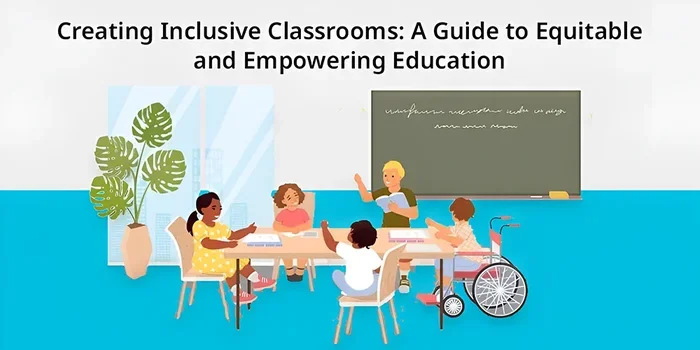
UDL, or Universal Design for Learning, is a framework that helps educators create flexible learning environments for all students, especially those with special needs. It focuses on removing barriers and giving every learner multiple ways to engage, understand, and show what they know. UDL in special education ensures that no student is left behind.
UDL, which stands for Universal Design for Learning, has become one of the most talked-about frameworks in modern education. But what exactly does it mean, and why are so many schools adopting it? If you work in special education or simply want to understand how inclusive teaching works, this guide has you covered. UDL in special education is not just a buzzword. It is a research-backed approach that helps every student access learning in ways that work best for them.
The beauty of UDL is that it starts with the assumption that every learner is different. Rather than designing one rigid lesson and hoping it reaches everyone, teachers using UDL build flexibility into their instruction from day one. This means fewer students fall through the cracks, and more learners feel seen and supported.
## What Is UDL? Understanding the Framework
Universal Design for Learning is a framework developed in the 1990s by researchers at Harvard University. It grew from the idea that if you design learning environments to be accessible from the start, you do not need to retrofit them later. Think of it like building a ramp into a building instead of adding one after construction. The result is better for everyone.
UDL is built on the idea that barriers exist in the curriculum and the environment, not in the student. When a child struggles, UDL asks us to look at the teaching method, not just the child. This shift in thinking is powerful. It removes blame and focuses on solutions.
### The Three Core Principles of UDL
The UDL framework rests on three main principles. Each one addresses a different aspect of how students learn.
1. Multiple Means of Representation – This means presenting information in different ways. Some students learn best through visuals, others through listening, and some through hands-on activities. By offering options, teachers reach more learners.
2. Multiple Means of Engagement – This focuses on motivating students. Different learners are driven by different things. Some thrive on choice, others on structure. UDL helps teachers tap into what motivates each student.
3. Multiple Means of Action and Expression – This lets students show what they know in various ways. Not every child excels at writing a traditional essay. Some may shine through a presentation, a drawing, or a hands-on project.
These three principles work together to create a learning experience that is flexible, inclusive, and effective.
## Why UDL Matters in Special Education
Special education has always been about meeting individual needs. But traditional approaches often relied on one-size-fits-all accommodations. UDL changes that conversation entirely. It moves the focus from fixing the student to fixing the learning environment.
When teachers apply UDL in their classrooms, students with learning disabilities, ADHD, autism, and other differences benefit greatly. The framework gives them multiple pathways to understand and demonstrate their knowledge. This is especially important because every child’s learning profile is unique.
### Creating Truly Inclusive Classrooms
Inclusion means more than placing students with disabilities in general education rooms. True inclusion means designing instruction so that all students can participate meaningfully. UDL in special education makes this possible.
For example, a teacher using UDL might offer a video, a written text, and an audio recording of the same lesson. A student who struggles with reading can watch the video. A student who prefers listening can use the audio. Everyone learns the same content, but through their preferred channel.
This approach also reduces stigma. When options are available to everyone, no single student feels singled out. That is a huge win for classroom culture and student confidence.
## The Three Principles of UDL in Practice
Let us look at how each UDL principle plays out in real classrooms. These examples will help you see how practical and doable UDL can be.
### Multiple Means of Representation
This principle is all about how information is presented. Teachers can use a variety of formats to deliver content.
– Visual aids like charts, diagrams, and images
– Audio recordings and podcasts
– Hands-on materials and manipulatives
– Graphic organizers and visual maps
– Real-world demonstrations and experiments
When teachers mix these formats, they give every student a better chance to grasp the material. For instance, a science lesson on plants might include a video, a diagram, a physical model, and a short text passage. Each student can engage with the format that clicks for them.
One important thing to note is that teachers can also use creative language to help students understand tough concepts. Using metaphors and figurative language can make abstract ideas feel more concrete and relatable. This is a simple but powerful strategy that fits perfectly within the representation principle.
### Multiple Means of Engagement
Engagement is the fuel that drives learning. If a student is not motivated, even the best content will not stick. UDL addresses this by offering choices and connecting learning to students’ interests.
Some ways to boost engagement include:
– Offering choices in topics or formats
– Setting clear goals and checkpoints
– Using real-world connections and stories
– Allowing collaborative and independent work options
– Providing regular, low-stakes feedback
A student who loves sports might engage more with a math lesson framed around scoring statistics. Another student might prefer a story-based approach. UDL lets teachers tap into these individual interests without creating separate lesson plans for each child.
Using familiar language and expressions, such as similes for someone special, can help teachers build stronger connections with their students and make lessons more relatable. When students hear concepts framed in ways that resonate with them, they are more likely to stay engaged.
### Multiple Means of Action and Expression
This is where UDL really shines. Instead of requiring every student to take the same test or write the same essay, UDL encourages multiple ways to show learning.
Options might include:
– Written reports or essays
– Oral presentations or podcasts
– Visual projects like posters or infographics
– Hands-on demonstrations or models
– Digital portfolios or videos
When students can choose how they express their knowledge, they often produce better work. They feel more ownership and pride in their projects. This is especially true for students with special needs, who may struggle with traditional assessment formats.
For example, a student with dysgraphia might excel at creating a video presentation instead of writing a long paper. Another student with ADHD might stay more focused during a hands-on project than during a timed test. These small adjustments make a big difference.
## Practical Tips for Implementing UDL
Getting started with UDL does not require a complete overhaul of your teaching style. Small, intentional changes can have a huge impact. Here are some practical steps you can take right away.
Start with one lesson. Pick a single lesson and think about how you could offer more than one way to present the content, engage students, and let them express their learning. You do not need to transform everything at once.
Use what you already have. Many teachers already use some UDL strategies without realizing it. If you have ever shown a video in class, offered a choice of topics, or let students work in pairs, you are already on the UDL path.
Get feedback from students. Ask your students what helps them learn best. Their answers can guide your next steps. This also builds a sense of ownership and trust in the classroom.
Collaborate with colleagues. UDL works best when whole teams embrace it. Share ideas, co-plan lessons, and learn from each other’s successes and challenges.
Explore free resources. There are many online tools and guides that support UDL implementation. The CAST organization and other educational groups offer valuable materials for teachers at every level. You can also explore resources on idioms for someone special to find creative ways to use language and expression in your lessons.
## Common Challenges and How to Overcome Them
Implementing any new framework comes with challenges. Here are some common ones and simple solutions.
Time constraints. Teachers often feel they do not have enough time to plan UDL lessons. The fix is to start small. One UDL-enhanced lesson per week is a great beginning.
Lack of training. Many educators have not received formal UDL training. Online courses, webinars, and professional learning communities can fill this gap.
Resource limitations. UDL does not require expensive materials. Free digital tools, creative lesson design, and student collaboration can go a long way.
Resistance to change. Some teachers worry that UDL lowers standards. In reality, UDL raises the bar by giving more students access to rigorous content. It is about removing barriers, not watering down expectations.
## UDL vs. Traditional Teaching Methods
Understanding the difference between UDL and traditional instruction helps clarify why UDL is so effective.
| Aspect | Traditional Teaching | UDL Approach |
|—|—|—|
| Lesson Design | One-size-fits-all | Flexible and customizable |
| Student Engagement | Teacher-driven | Choice-based and interest-driven |
| Assessment | Single format (e.g., test) | Multiple options for expression |
| Barriers | Addressed after the fact | Prevented by design |
| Focus | Fixing the student | Fixing the learning environment |
| Inclusivity | Often an afterthought | Built into every lesson |
This comparison shows that UDL is not just a minor adjustment. It is a fundamental shift in how we think about teaching and learning.
## Key Takeaways
– UDL is a proactive framework: It designs instruction for all learners from the start, reducing the need for individual accommodations later.
– Three core principles drive UDL: Multiple means of representation, engagement, and action/expression.
– UDL benefits every student: It is not just for students with disabilities but for diverse learners in any classroom.
– Implementation is practical: Teachers can start small with simple adjustments to curriculum and delivery.
– Technology supports UDL well: Digital tools make flexible learning more accessible than ever.
– UDL promotes educational equity: It ensures fair access to learning for all students.
– UDL removes barriers by design: It focuses on fixing the environment, not the student.
## Conclusion
UDL in special education is more than a teaching method. It is a mindset shift that puts every learner at the center of instruction. By offering multiple ways to engage with content, stay motivated, and show what they know, UDL creates classrooms where all students can thrive.
The framework is backed by decades of research and has been adopted by schools and districts across the country. Whether you are a seasoned special education teacher or just starting your journey, UDL offers practical, powerful strategies that make a real difference.
When teachers embrace UDL, they send a clear message to every student: you belong here, and we have a place for you in this classroom. That message changes lives.
If you are ready to explore UDL further, start with one principle and one lesson. You might be surprised at how quickly you see the impact. And remember, every small step toward flexible, inclusive teaching is a step in the right direction.
Key Takeaways
- UDL is a proactive framework: It designs instruction for all learners from the start, reducing the need for individual accommodations later.
- Three core principles drive UDL: Multiple means of representation, engagement, and action/expression.
- UDL benefits every student: It is not just for students with disabilities but for diverse learners in any classroom.
- Implementation is practical: Teachers can start small with simple adjustments to curriculum and delivery.
- Technology supports UDL well: Digital tools make flexible learning more accessible than ever.
- UDL promotes educational equity: It ensures fair access to learning for all students.
Frequently Asked Questions
What does UDL stand for in special education?
UDL stands for Universal Design for Learning. It is a framework that helps educators design flexible learning environments so that all students, including those with disabilities, can access and participate in instruction effectively.
How is UDL different from differentiated instruction?
UDL is proactive and designs flexibility into the curriculum from the start. Differentiated instruction is often reactive, adjusting teaching after identifying individual student needs. Both aim to meet diverse learners, but UDL prevents barriers before they appear.
Can UDL be used in general education classrooms?
Absolutely. UDL benefits all students, not just those with special needs. It creates more inclusive, engaging, and accessible learning environments for everyone, regardless of their learning style or ability level.
What are the three core principles of UDL?
The three core principles are multiple means of representation, multiple means of engagement, and multiple means of action and expression. Together, they ensure that content is presented in various ways, students stay motivated, and they can demonstrate learning through different formats.
Do teachers need special training to implement UDL?
While formal training helps, teachers can start implementing UDL with small, intentional changes. Many educators already use UDL strategies without realizing it. Online courses and professional learning communities can provide additional support and guidance.
Does UDL replace individualized education programs (IEPs)?
No. UDL works alongside IEPs and other individualized supports. It provides a foundation of flexible instruction that benefits all learners, while IEPs address specific, individual needs that require additional targeted accommodations.


